The Ultimate Guide to Choosing Between Ceramic Sinks, Stone Sinks: Smooth or Glossy?
When it comes to selecting a sink for your bathroom, the decision can be overwhelming with so many options available. One of the most significant choices you’ll make is between ceramic sinks and stone sinks, and within these categories, the finish—whether smooth or glossy—plays a crucial role. This guide will explore the various aspects of ceramic and stone sinks, highlighting the pros and cons of smooth versus glossy finishes to help you make an informed decision.

Ceramic Sinks: A Classic Choice
Durability and Maintenance
Ceramic sinks are renowned for their durability and ease of maintenance. Made from high-quality ceramic materials, they are resistant to chips and scratches, which makes them a popular choice for many homeowners. The smooth finish of ceramic sinks also makes them highly resistant to stains and bacteria, which is particularly important in a bathroom setting.
Aesthetic Appeal
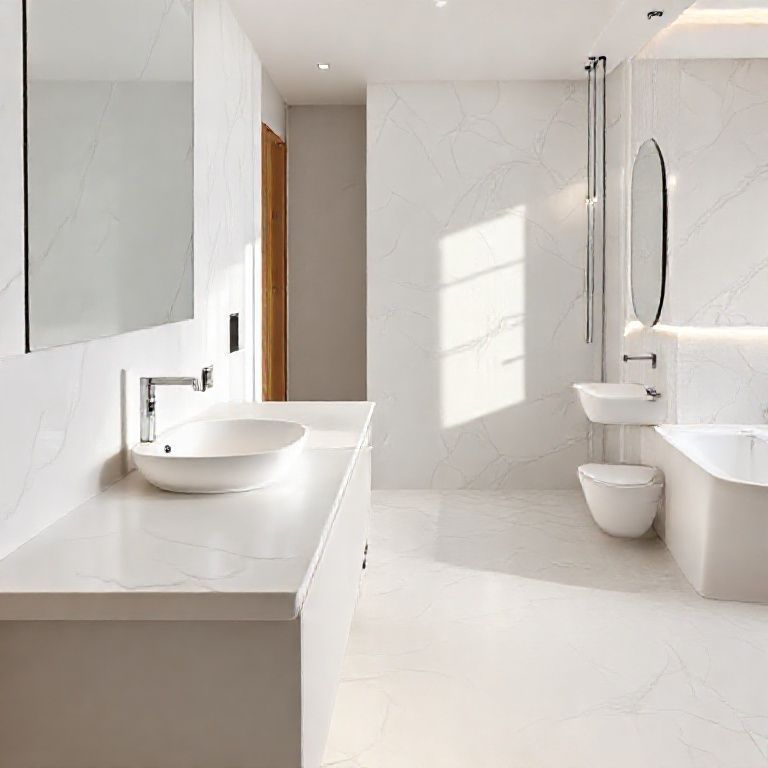
Ceramic sinks come in an array of colors and finishes, offering a versatile aesthetic appeal. The smooth finish provides a sleek, modern look that complements various bathroom styles, from traditional to contemporary. Whether you prefer a matte or glossy finish, ceramic sinks offer a range of options to match your design preferences.
Cost-Effectiveness
Ceramic sinks are generally more affordable than stone sinks, making them an excellent option for those looking for high-quality yet budget-friendly choices. The cost-effectiveness of ceramic sinks, combined with their durability, makes them a practical choice for many.
Pros and Cons
Pros:
Durable and long-lasting
Easy to clean and maintain
Wide variety of colors and finishes
Affordable compared to stone sinks
Cons:
Can be prone to cracking if subjected to high temperatures
Some lower-quality ceramic sinks may not be as durable
Stone Sinks: A Natural Beauty
Durability and Maintenance
Stone sinks, made from natural stone materials such as granite, marble, or quartz, offer a unique aesthetic appeal that is unmatched by synthetic materials. While stone sinks are highly durable, they require more maintenance than ceramic sinks due to their porous nature. Regular sealing is necessary to prevent staining and water absorption.
Aesthetic Appeal
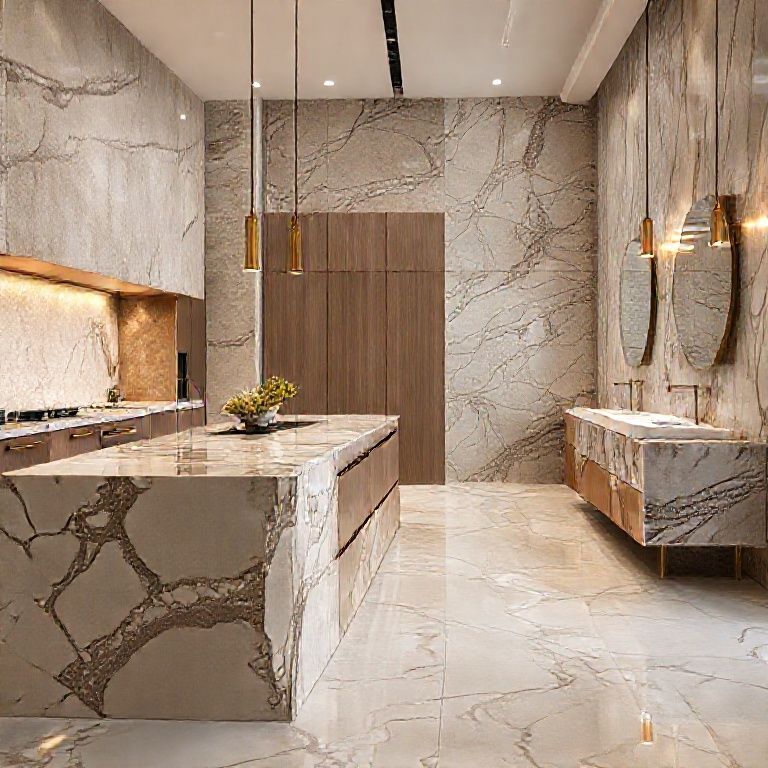
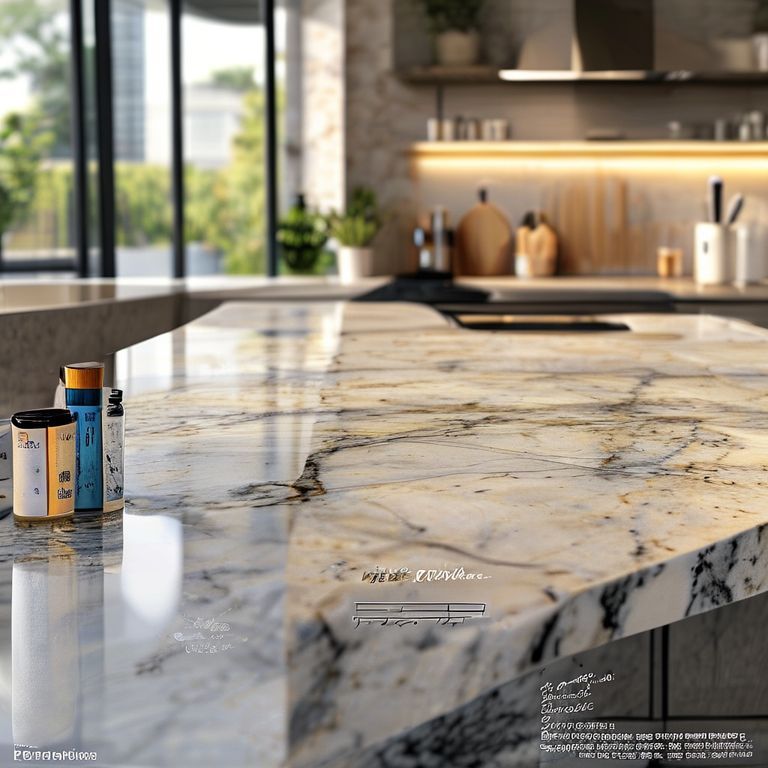
Stone sinks exude a natural beauty that is hard to replicate. The unique veining and color variations in natural stone create a one-of-a-kind look for each sink. Stone sinks are particularly popular in modern and rustic bathroom designs, adding a touch of elegance and sophistication.
Cost-Effectiveness
High-quality stone sinks can be more expensive than ceramic sinks, primarily due to the cost of the raw materials and the labor-intensive installation process. However, the natural beauty and durability of stone sinks make them a worthwhile investment for many.
Pros and Cons
Pros:
Highly durable and long-lasting
Natural, unique aesthetic appeal
Timeless and elegant look
Cons:
Requires regular sealing and maintenance
More expensive than ceramic sinks
Prone to staining if not properly cared for
Smooth Finish vs. Glossy Finish: Which Is Better?
When deciding between a smooth or glossy finish for your sink, it’s essential to consider the practical and aesthetic factors that matter most to you.
Smooth Finish
A smooth finish offers several advantages. It provides a sleek, modern look that is easy to clean and maintain. The smooth surface prevents water spots and bacteria build-up, making it an ideal choice for a hygienic bathroom environment. Additionally, a smooth finish is less likely to show fingerprints and smudges, keeping your sink looking pristine for longer.
Glossy Finish
A glossy finish adds a touch of elegance and a vibrant look to your bathroom sink. The high-shine surface reflects light beautifully, creating a visually appealing and dynamic aesthetic. However, a glossy finish can be more challenging to maintain. It is more prone to showing fingerprints, smudges, and water spots. Regular cleaning is necessary to keep the shine intact and prevent it from becoming dull or tarnished.
Making the Final Decision
When deciding between ceramic and stone sinks, and between smooth and glossy finishes, it’s essential to weigh the pros and cons based on your specific needs and preferences.
Ceramic Sinks: If durability, ease of maintenance, and cost-effectiveness are your top priorities, ceramic sinks are an excellent choice. The smooth finish offers a modern, hygienic, and easy-to-maintain option, while the glossy finish adds a touch of elegance and vibrancy.
Stone Sinks: If you’re looking for a unique, natural beauty that will add a timeless elegance to your bathroom, stone sinks are the way to go. However, be prepared for the higher maintenance and cost. The smooth finish provides a classic, sophisticated look, while the glossy finish offers a dynamic, eye-catching aesthetic.
By considering these factors, you can make a well-informed decision that will enhance the beauty and functionality of your bathroom for years to come.
The Ultimate Guide to Choosing Between Ceramic Sinks, Stone Sinks: Smooth or Glossy?
In the previous section, we delved into the pros and cons of ceramic and stone sinks, exploring their durability, maintenance requirements, aesthetic appeal, and cost-effectiveness. We also compared the smooth and glossy finishes in detail. Now, let’s continue our journey by examining the installation process, long-term benefits, and specific use-case scenarios to help you choose the perfect sink for your bathroom.
Installation Process: What to Expect
Ceramic Sinks
The installation of a ceramic sink is relatively straightforward. It typically involves securing the sink to the countertop using adhesive or clips, followed by sealing the edges to prevent water leakage. The smooth finish of ceramic sinks makes them easy to clean and maintain during the installation process. For those who prefer a glossy finish, additional polishing steps may be required to achieve the desired shine.
Stone Sinks
The installation of a stone sink is more complex due to its natural composition and the need for regular maintenance. The sink must be securely fastened to the countertop and sealed to prevent water absorption. The smooth finish of stone sinks is relatively easy to install and maintain, while the glossy finish may require additional sealing and polishing to ensure it remains vibrant and reflective.
Long-Term Benefits
Ceramic Sinks
One of the significant long-term benefits of ceramic sinks is their durability and resistance to chips and scratches. The smooth finish also ensures that the sink remains easy to clean and maintain over time. Ceramic sinks are less likely to develop water spots and bacteria, contributing to a hygienic bathroom environment. The glossy finish adds a timeless elegance that can enhance the aesthetic appeal of your bathroom for years to come.
Stone Sinks
The long-term benefits of stone sinks lie in their natural beauty and durability. The smooth finish provides a classic, sophisticated look that is both timeless and elegant. While stone sinks require regular sealing and maintenance to prevent staining and water absorption, the effort is well worth the natural beauty and durability they offer. The glossy finish adds a dynamic, eye-catching aesthetic that can make a significant impact on your bathroom’s overall design.
Use-Case Scenarios
Modern Minimalist Bathrooms
For modern minimalist bathrooms, ceramic sinks with a smooth finish are an excellent choice. Their sleek, modern look complements the clean lines and simple aesthetics of minimalist design. The smooth finish is easy to clean and maintain, ensuring that the sink remains pristine and hygienic over time. For those who prefer a touch of elegance, the glossy finish offers a vibrant, dynamic look that adds a modern twist to the minimalist design.
Traditional and Rustic Bathrooms
Traditional and rustic bathrooms benefit from the natural beauty of stone sinks. The smooth finish of stone sinks provides a classic, timeless look that complements the traditional and rustic design elements. The unique veining and color variations in natural stone create a one-of-a-kind look that enhances the overall aesthetic appeal of the bathroom. For those who want to add a touch of elegance and sophistication, the glossy finish offers a dynamic, eye-catching aesthetic that can make a significant impact on the traditional or rustic design.
Luxury Bathrooms
Luxury bathrooms often feature high-quality materials and sophisticated design elements. Stone sinks with a smooth finish offer a classic, elegant look that complements the luxurious aesthetic of the bathroom. The unique beauty of natural stone adds a touch of sophistication and elegance that is hard to replicate with synthetic materials. For those who want to add a vibrant, eye-catching element, the glossy finish offers a dynamic and reflective surface that can enhance the luxurious design of the bathroom.
Final Thoughts
Choosing between ceramic and stone sinks, and between smooth and glossy finishes, is a decision that requires careful consideration of your specific needs, preferences, and design goals.The Ultimate Guide to Choosing Between Ceramic Sinks, Stone Sinks: Smooth or Glossy?
In the previous section, we explored the pros and cons of ceramic and stone sinks, installation processes, and long-term benefits. We also delved into specific use-case scenarios for different bathroom styles. Now, let’s continue by discussing maintenance tips, environmental impact, and the future trends in bathroom sink materials to help you make a well-rounded decision.
Maintenance Tips
Ceramic Sinks
Maintaining a ceramic sink is relatively straightforward due to its durable and non-porous nature. Here are some tips to keep your ceramic sink looking its best:
Regular Cleaning: Use a mild soap and warm water to clean the sink daily. For tougher stains, a gentle scrub with a non-abrasive sponge or cloth can help. Avoid Abrasive Cleaners: To prevent scratches, avoid using abrasive cleaners or steel wool on ceramic sinks. Dry After Use: Wipe the sink dry after each use to prevent water spots and streaks. Use Coasters: Place coasters or trivets under glasses and cups to protect the sink surface from heat and impact.
Stone Sinks
Maintaining a stone sink requires more attention due to its porous nature and susceptibility to staining. Here are some maintenance tips:
Regular Sealing: Stone sinks should be sealed regularly to prevent water absorption and staining. Follow the manufacturer’s instructions for the best sealing product and frequency. Avoid Acidic and Oily Substances: Do not place acidic or oily substances directly on the sink, as they can damage the stone. Immediate Cleaning: Clean up spills immediately to prevent stains from setting into the stone. Use Coasters: Place coasters under glasses and cups to protect the stone surface from heat and impact.
Environmental Impact
When choosing a bathroom sink, it’s essential to consider the environmental impact of the materials used. Here’s a comparison of ceramic and stone sinks in terms of environmental sustainability:
Ceramic Sinks
Manufacturing Process: The production of ceramic sinks involves high-temperature firing, which can be energy-intensive. Durability: The long lifespan of ceramic sinks can offset the environmental impact of their production. Recyclability: Ceramic sinks are not recyclable, but their durability means they are less likely to end up in landfills.
Stone Sinks
Natural Resource Use: Stone sinks are made from natural stone, which requires mining. This process can have environmental impacts, including habitat disruption and water usage. Durability: The long lifespan of stone sinks can offset the environmental impact of mining. Recyclability: Unlike ceramic sinks, stone sinks are not recyclable, but their durability means they are less likely to end up in landfills.
Future Trends in Bathroom Sink Materials
The bathroom sink market is continually evolving, with new materials and technologies emerging. Here are some future trends to consider:
Composite Materials
Composite materials, which combine multiple materials to create a sink with the best properties of each, are becoming increasingly popular. These sinks offer durability, ease of maintenance, and a range of aesthetic options.
Sustainable Materials
There is a growing trend towards using sustainable materials in bathroom sinks. This includes reclaimed stone, recycled ceramic, and eco-friendly composites. These materials reduce the environmental impact of sink production and offer unique aesthetic appeal.
Smart Sinks
Smart technology is being integrated into bathroom sinks, offering features such as built-in water filters, temperature control, and even smart sensors that detect when the sink is being used. These smart sinks provide convenience and efficiency, enhancing the overall bathroom experience.
Making the Final Decision
When deciding between ceramic and stone sinks, and between smooth and glossy finishes, consider the following factors:
Design Preferences: Choose a material and finish that complements your bathroom’s design style. Maintenance Requirements: Consider the maintenance needs of each sink type and ensure you are willing to meet those requirements. Budget: Balance your budget with the durability and aesthetic appeal of the sink. Environmental Impact: If sustainability is a concern, choose a material with a lower environmental impact. Future Trends: Consider future trends and technologies that may influence your choice.
By carefully weighing these factors, you can make an informed decision that will enhance the beauty and functionality of your bathroom for years to come.
In conclusion, choosing the perfect sink for your bathroom involves a detailed evaluation of durability, maintenance, aesthetics, environmental impact, and future trends. Whether you opt for the classic elegance of ceramic sinks or the natural beauty of stone sinks, and whether you prefer a smooth or glossy finish, the right choice will elevate your bathroom’s design and functionality.