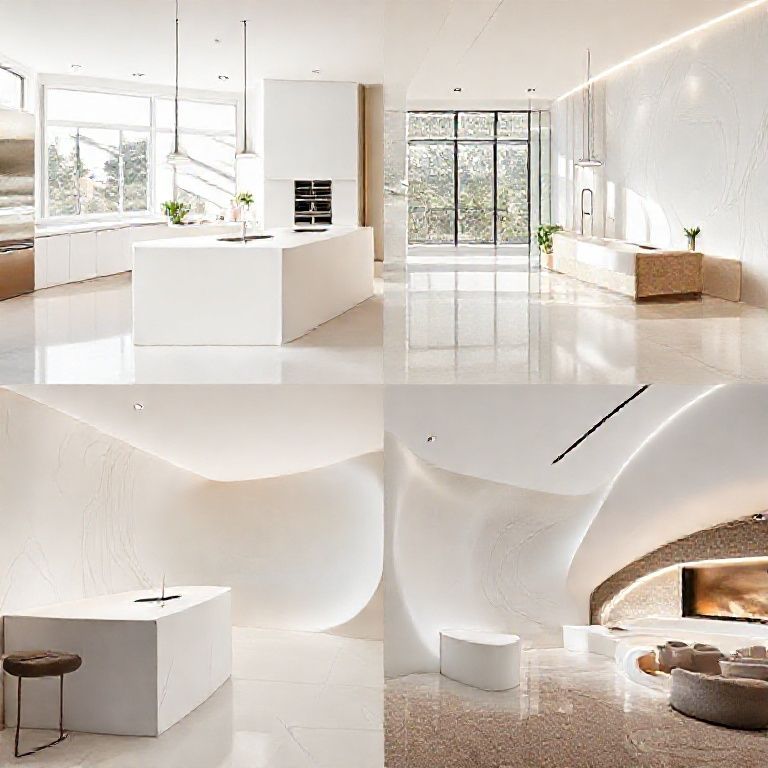
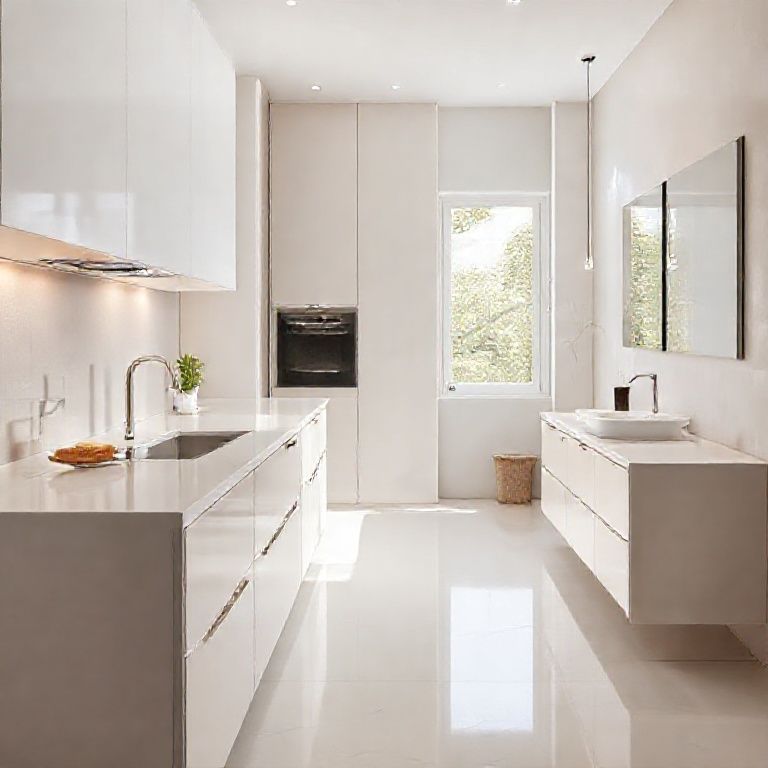
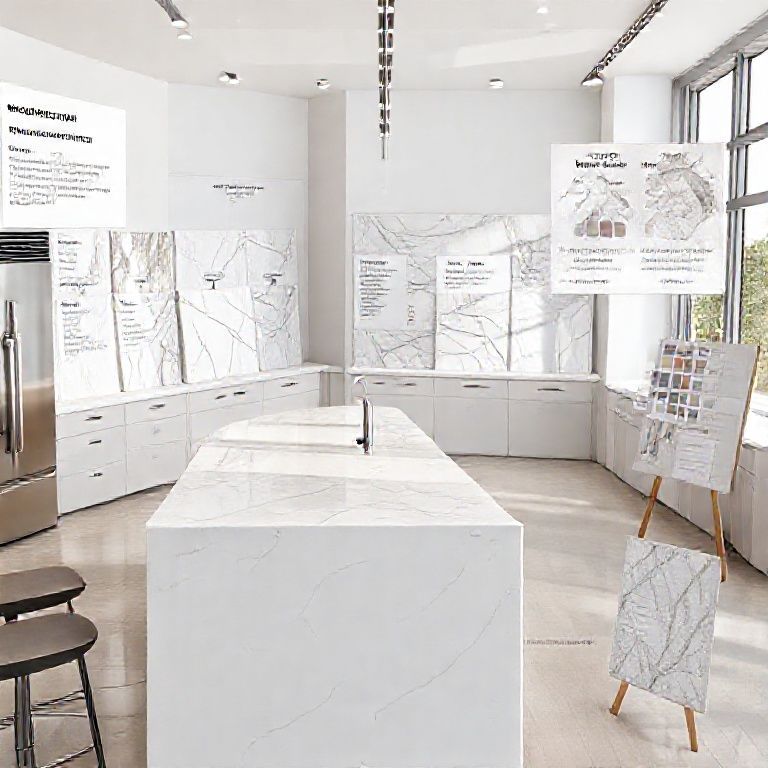
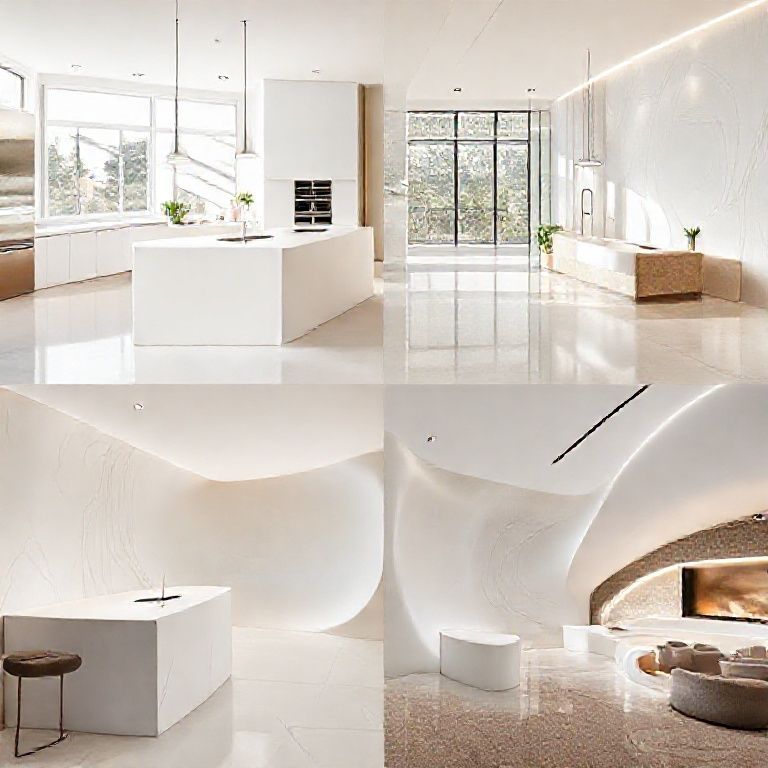
Choosing the perfect material for your dining table is a significant decision that can greatly impact both the aesthetic and durability of your space. In this comprehensive guide, we delve into the merits and demerits of two of the most popular choices: granite and marble. Whether you’re looking for long-lasting elegance or timeless beauty, this article will provide you with all the information you need to make an informed decision.

dining table, granite vs marble, table material, kitchen design, durability, aesthetics, countertop materials, home decor, kitchen renovation, countertop choice
Granite vs Marble for Your Dining Table
Introduction
When it comes to selecting the perfect material for your dining table, the choice between granite and marble often stands out as one of the most pivotal decisions. Both materials have their unique set of advantages and disadvantages. In this part, we’ll explore the key characteristics, advantages, and considerations of both granite and marble to help you make an informed choice.
What is Granite?
Granite is a robust, coarse-grained, intrusive igneous rock composed mainly of quartz, mica, and feldspar. Known for its durability and resistance to scratches and stains, granite has been a popular choice for countertops and, increasingly, for dining tables.
Advantages of Granite
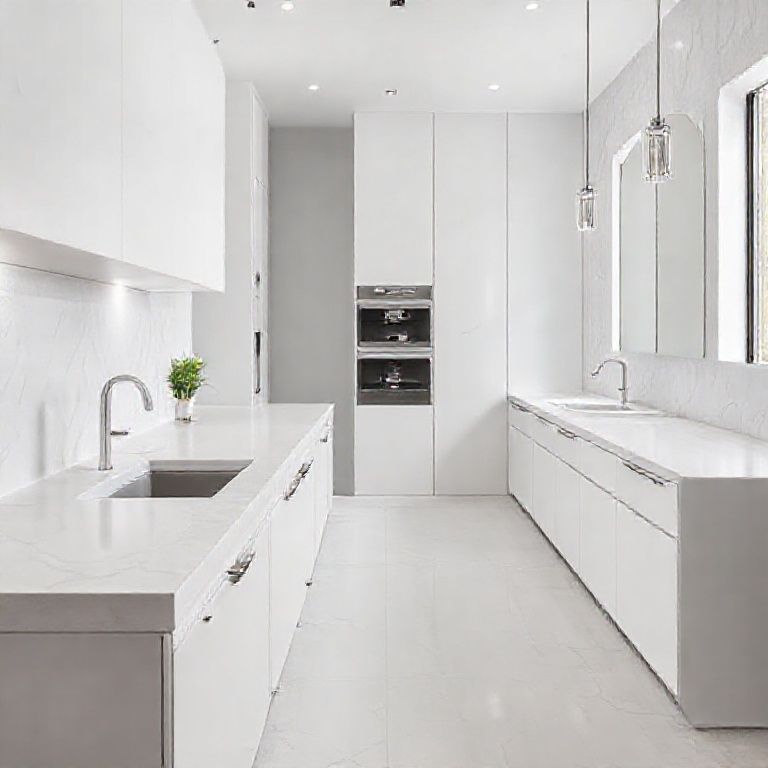
Durability: Granite is one of the hardest natural stones, which makes it extremely durable. It can withstand heavy use and resist scratches from everyday items like utensils and glasses. Its hardness means that granite tables are less likely to chip or crack compared to other materials. Aesthetic Appeal: Granite comes in a wide variety of colors and patterns, offering a unique look for each piece. This makes it possible to find a granite slab that perfectly matches your home’s decor. Its natural look adds a touch of elegance and luxury to any dining space. Low Maintenance: Granite requires minimal maintenance. Simply wiping it down with a soft cloth and a mild soap solution is usually sufficient to keep it looking pristine. It is also resistant to most acids, which means it won’t easily absorb stains or odors. Variety of Finishes: Depending on the desired look, granite can be polished, honed, or even left in its natural, rustic state. This flexibility allows for a personalized touch to your dining table.
Disadvantages of Granite
Cost: High-quality granite can be expensive. The cost can escalate further if custom cuts and finishes are required. Weight: Granite tables are significantly heavier than tables made from other materials. This can be a drawback if you need to move the table frequently or if your home has limited space. Thermal Conductivity: Granite conducts heat well, which means hot items can cause burns. To avoid this, it’s advisable to use placemats or coasters.
What is Marble?
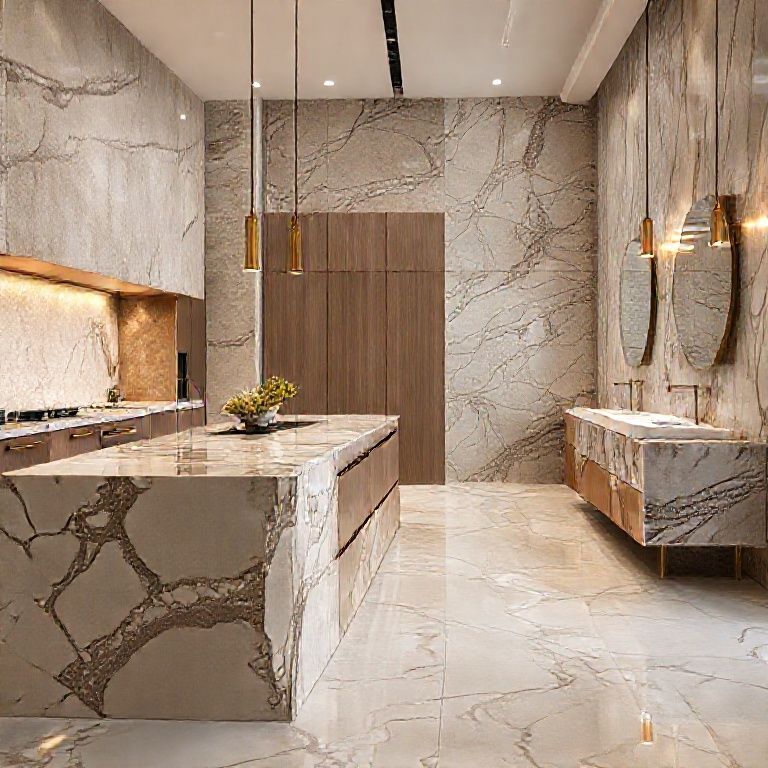
Marble is a metamorphic rock composed of recrystallized carbonate minerals, most commonly calcite or dolomite. It is renowned for its stunning beauty and smooth texture but comes with some caveats.
Advantages of Marble
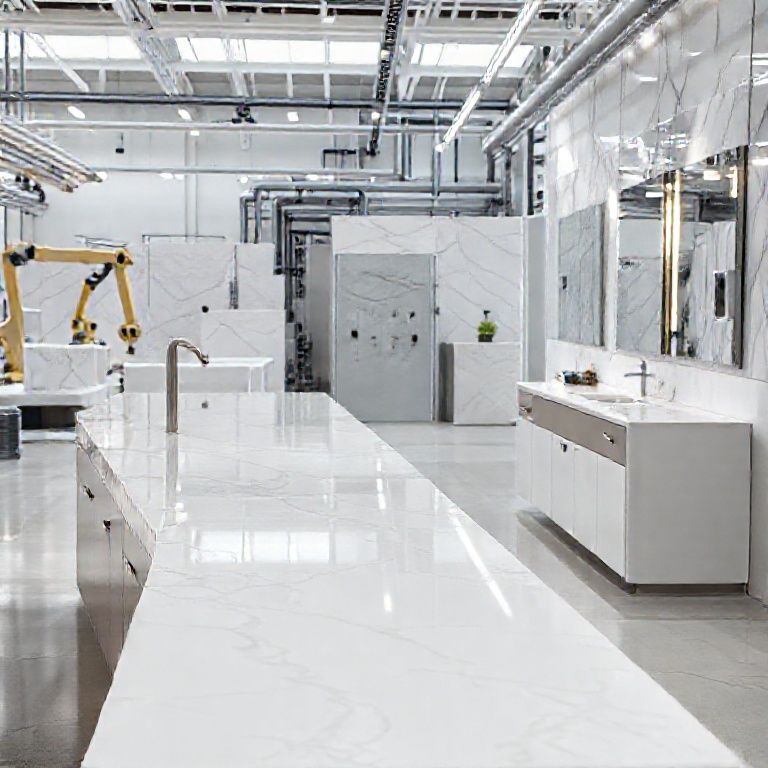
Aesthetic Appeal: Marble is prized for its beautiful, veined patterns and smooth texture. It has a timeless elegance that can enhance any dining space. Its natural beauty makes it a favored choice for those who want a luxurious and sophisticated look. Ease of Maintenance: While marble requires more maintenance than granite, it can still be relatively low-maintenance with proper care. Regular cleaning with a mild pH-neutral soap and water can keep it looking beautiful. Variability: Marble is available in a wide range of colors and patterns, allowing for endless design possibilities. You can choose from classic white to vibrant shades like purple, green, or black. Smooth Texture: The smooth, cool surface of marble adds to its aesthetic appeal and makes it feel luxurious to the touch.
Disadvantages of Marble
Sensitivity to Acids: One of the biggest drawbacks of marble is its sensitivity to acids. This means that acidic foods and beverages, like wine and citrus juices, can cause permanent stains and etching. Porosity: Marble is a porous stone, which means it can absorb liquids and stains. This can lead to discoloration and the growth of bacteria if not properly cared for. Cost: High-quality marble can also be expensive, especially if custom cuts and intricate designs are required. Weight: Like granite, marble tables are heavy, which can pose similar issues if you need to move them frequently.
Conclusion
Both granite and marble offer unique benefits that can greatly enhance the beauty and functionality of your dining table. Granite stands out for its durability, low maintenance, and wide range of colors and patterns. On the other hand, marble is celebrated for its elegant appearance, smooth texture, and wide color variety. However, both materials come with their own set of challenges, particularly concerning maintenance and cost.
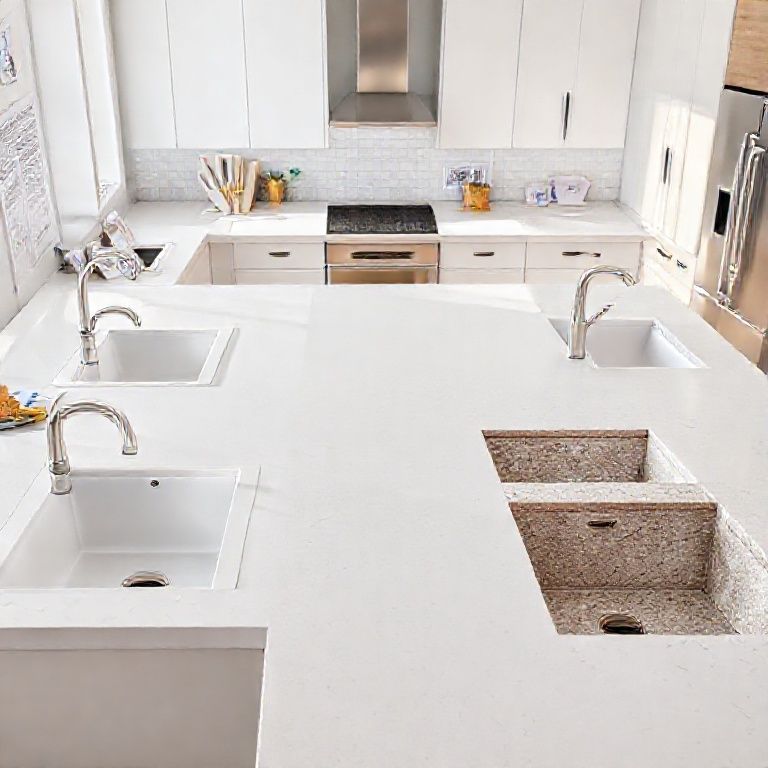
In the next part, we will delve deeper into the maintenance requirements, cost considerations, and specific use cases for both materials, helping you to weigh the pros and cons even more comprehensively.
Maintenance, Cost, and Use Cases: Making Your Final Decision
Introduction
In the previous part, we explored the fundamental characteristics, advantages, and disadvantages of granite and marble as materials for dining tables. Now, we’ll dive deeper into specific aspects that can significantly influence your decision: maintenance, cost, and specific use cases. This will provide a more rounded understanding to help you choose the best material for your dining table.
Maintenance: Who Needs More Care?
Granite Maintenance
Granite is known for its low maintenance requirements, which is one of its biggest selling points. Here’s what you need to know to keep your granite dining table in top shape:
Daily Cleaning: Use a soft cloth and a mild soap solution to clean your table daily. Avoid using abrasive cleaners or steel wool, as these can scratch the surface. Avoiding Heat: Although granite is heat-resistant, it can still crack if exposed to extreme temperatures. To avoid this, use trivets or coasters to protect the surface from hot dishes. Reinforcing Sealants: While granite does not require sealing like marble, using a granite sealant can help to maintain its finish and protect against minor scratches and stains.
Marble Maintenance
Marble, while beautiful, requires more maintenance than granite. Here’s how to keep your marble dining table looking its best:
Daily Cleaning: Clean marble with a pH-neutral soap and water solution. Avoid using acidic or abrasive cleaners, as these can damage the stone. Acidic Spills: Be particularly cautious with acidic foods and beverages. If an acidic spill occurs, clean it immediately with a pH-neutral cleaner to prevent etching. Reinforcing Sealants: Marble should be sealed periodically to prevent absorption of liquids and stains. Follow the manufacturer’s instructions for the best results.
Cost: Weighing the Investment
Granite Cost
Granite tables can vary significantly in price depending on several factors:
Color and Pattern: Unique patterns and rare colors can drive up the cost. Exotic granites like Brazilian black or imperial green can be particularly expensive. Thickness and Size: Larger, thicker pieces of granite will naturally cost more. Custom cuts and intricate designs also add to the price. Installation: Granite is heavy, which means that professional installation is often necessary. This can add to the overall cost.
Marble Cost
Marble, too, varies in price based on several factors:
Color and Veining: Marbles with unique colors and intricate veining patterns can be more expensive. Exotic marbles like Calacatta or Carrara often come with a higher price tag. Thickness and Size: As with granite, larger, thicker marble tables will cost more. Custom cuts and designs also increase the price. Maintenance: The cost of periodic sealing and maintenance should also be factored in over the long term.
Use Cases: Where Each Shines
Granite Use Cases
Granite is an excellent choice for several reasons:
Commercial Settings: Due to its durability and low maintenance, granite is popular in commercial kitchens and restaurants. High-Traffic Areas: Its ability to withstand heavy use makes it ideal for dining rooms where the table sees a lot of action. Modern Designs: Granite’s neutral tones and versatile patterns make it suitable for a wide range of modern and contemporary designs.
Marble Use Cases
Marble, with its luxurious appearance, is ideal for several scenarios:
实际应用和案例
家庭用餐桌
石英石 vs 大理石
石英石(Synthetic Stone) 优点: 耐刮擦、耐热、耐污渍 颜色和纹理多样,可以模仿各种天然石材 维护简单,只需轻擦即可 缺点: 硬度较高,但仍不如天然石材 价格可能比天然石材高 案例: 现代简约风格的家庭餐桌,常见于年轻家庭和都市公寓。
大理石 优点: 美观大气,自然的纹理和色彩 高端、奢华的感觉 缺点: 易碰损,需要定期维护 对酸性物质敏感,可能会留下污渍 案例: 传统或古典风格的家庭餐桌,常见于高档住宅。
商业用餐桌
花岗岩 vs 人造石材
花岗岩 优点: 极其坚硬,耐刮擦 耐高温,抗冲击 缺点: 比较重,需要专业安装 价格较高 案例: 高档餐厅和咖啡馆,需要长时间承受高频率使用。 人造石材(如石英石) 优点: 灵活性高,设计多样 维护简单,耐用 缺点: 尽管性能优秀,但仍未能完全模仿天然石材的独特美感 案例: 现代餐厅,注重多功能和设计感。
选择建议
预算和使用频率
如果预算充足且对外观有较高要求,可以考虑天然石材如花岗岩或大理石,但需要更多的维护。 如果追求耐用性和易维护性,可以选择石英石或其他人造石材。
风格和设计
传统和古典风格适合大理石或天然花岗岩,能够增加空间的高级感。 现代和简约风格则更适合人造石材,特别是石英石,能够提供多样的颜色和纹理选择。
维护和保养
石英石和人造石材
日常清洁:使用中性清洁剂和软布轻轻擦拭。 特殊污渍:使用专门的清洁剂,并遵循产品说明。 避免使用钢制或硬质物品,以免划伤。
大理石和花岗岩
日常清洁:使用中性清洁剂和软布轻轻擦拭。 特殊污渍:避免酸性物质,使用专门的大理石或花岗岩保养剂。 定期保养:建议每隔几个月进行一次专业的保养,以防止污渍和划痕。
希望这些信息能够帮助你更好地选择适合自己的餐桌材料!如果你有更多具体问题或需要进一步的建议,欢迎继续提问。