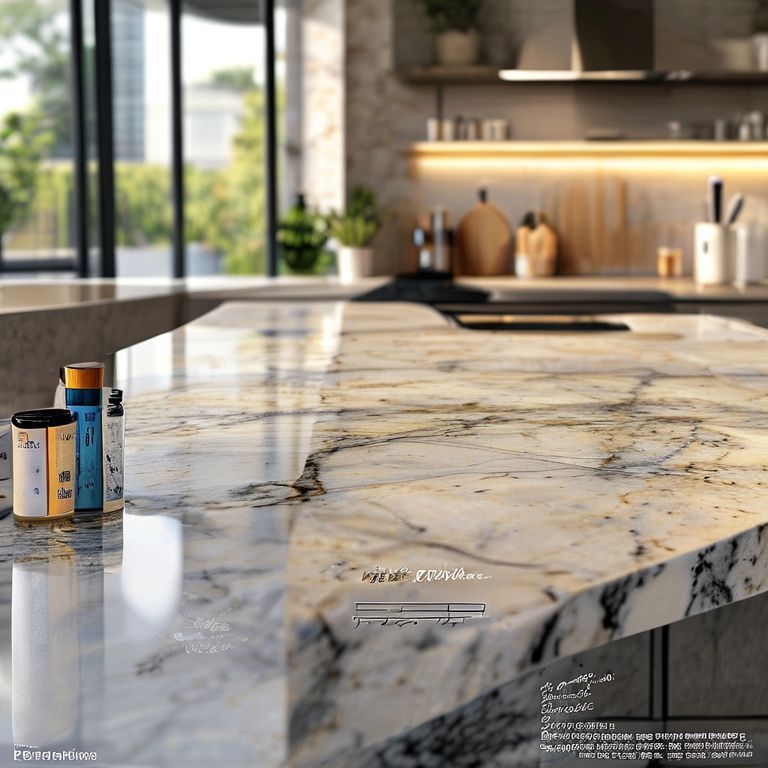
Discover the intricate world of artificial marble with our comprehensive guide. This article delves into the advantages and disadvantages of artificial marble, providing you with a thorough understanding to make an informed decision for your next home renovation project. With two insightful parts, we explore the multifaceted aspects of this popular material, ensuring you have all the information you need to choose the perfect option for your space.
artificial marble, pros, cons, comparison, renovation, durability, cost, aesthetics, maintenance, installation, synthetic stone
The Ultimate Guide to Artificial Marble: Pros and Cons Compared
Artificial marble, also known as engineered stone, has become a popular choice for home renovations due to its striking aesthetics and versatile functionality. As a composite material crafted from natural minerals and bonding agents, artificial marble offers a range of benefits and drawbacks. In this first part of our comprehensive guide, we will delve into the primary advantages and some of the common concerns associated with artificial marble.
Advantages of Artificial Marble
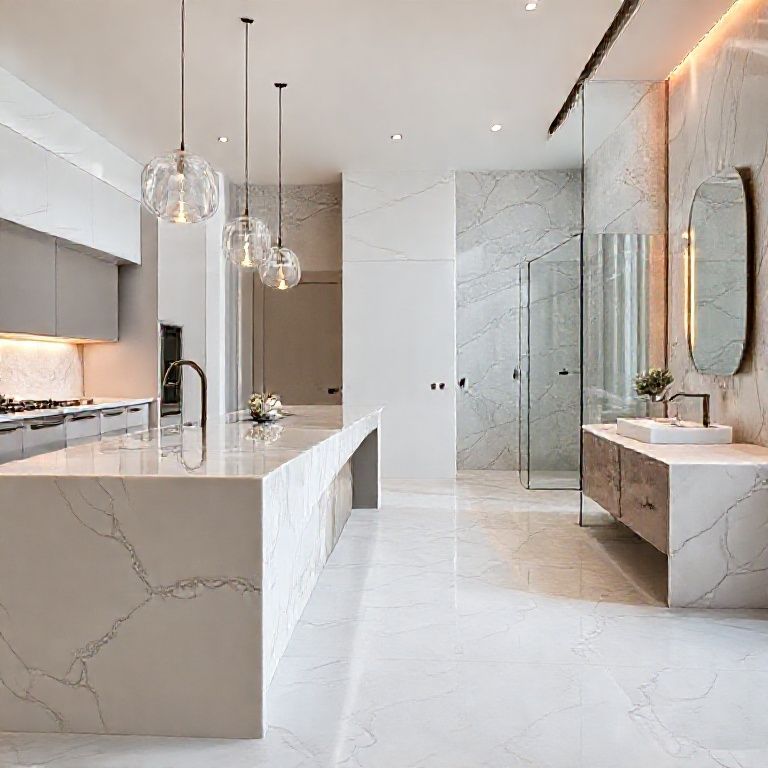
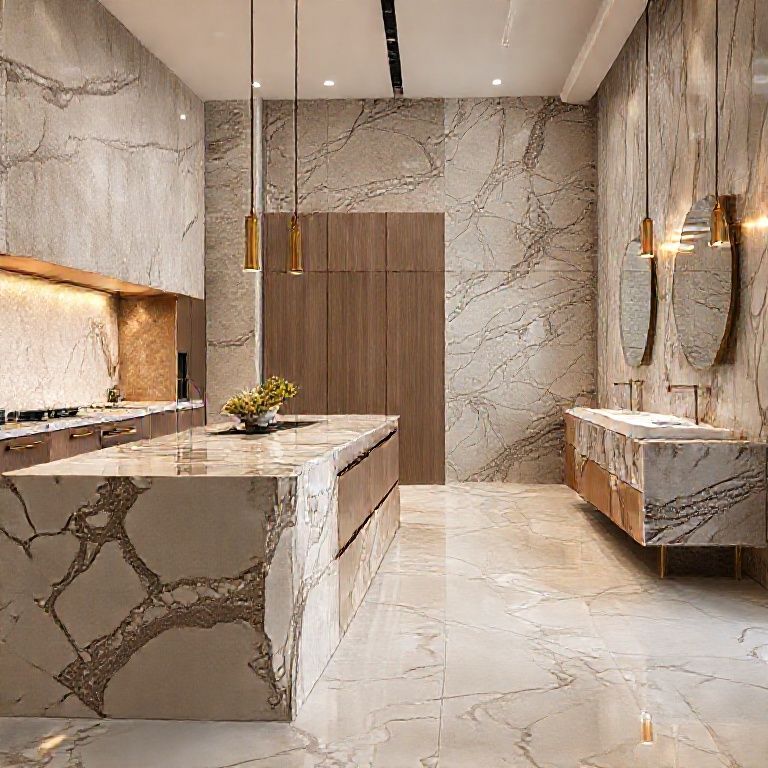
1. Aesthetic Appeal: Artificial marble is renowned for its stunning visual appeal. It mimics the intricate patterns and luxurious appearance of natural marble, often at a fraction of the cost. This makes it an attractive option for those looking to achieve high-end aesthetics without the high price tag of genuine marble.
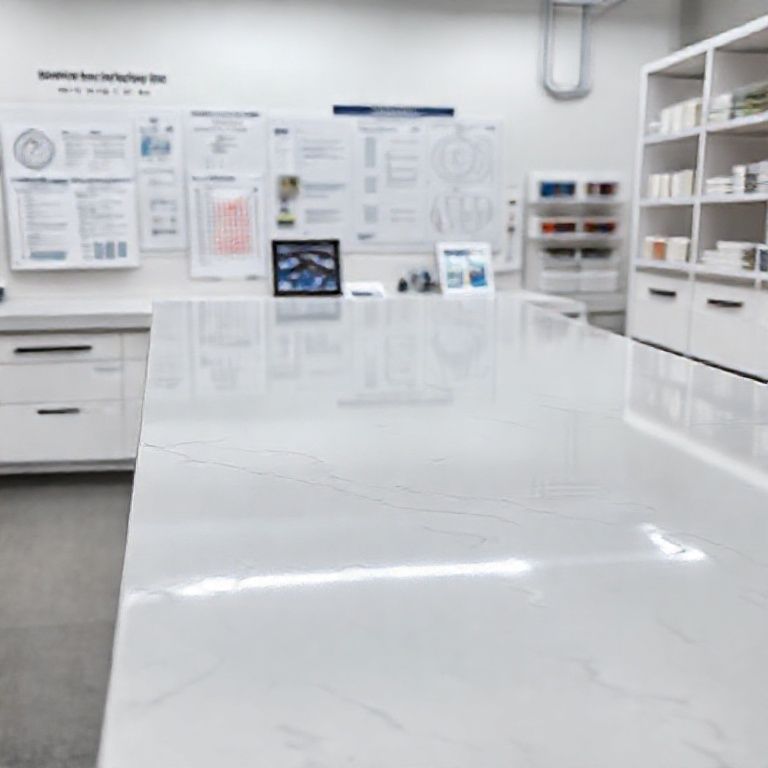
2. Durability: One of the standout features of artificial marble is its exceptional durability. Unlike natural marble, which can be prone to scratching and staining, artificial marble is highly resistant to these issues. It boasts a smooth surface that is easy to clean, making it ideal for high-traffic areas such as kitchens and bathrooms.
3. Versatility: Artificial marble’s versatility is another significant advantage. It can be used in a variety of settings, including countertops, backsplashes, sinks, and even decorative elements like tabletops and fountains. Its ability to be colored and designed in numerous ways means it can complement any style, from modern to traditional.
4. Cost-Effectiveness: While the initial investment for artificial marble might be higher than some other materials, its longevity and low maintenance costs make it a cost-effective option in the long run. The durability of artificial marble reduces the need for frequent replacements and repairs, leading to significant savings over time.
5. Environmental Benefits: Artificial marble is an eco-friendly alternative to natural stone. It doesn’t require the extraction and transportation of natural resources, thereby reducing the environmental impact associated with traditional marble. Additionally, its production process typically involves fewer emissions compared to the quarrying and processing of natural stone.
6. Easy Installation: Installation of artificial marble is relatively straightforward and can often be completed by homeowners without professional assistance. This ease of installation contributes to its popularity among DIY enthusiasts and those looking to save on labor costs.
7. Customizable Options: Artificial marble can be customized to suit specific needs and preferences. Manufacturers can create various designs, colors, and textures, allowing for unique and personalized projects. This flexibility makes it an excellent choice for custom home renovations.
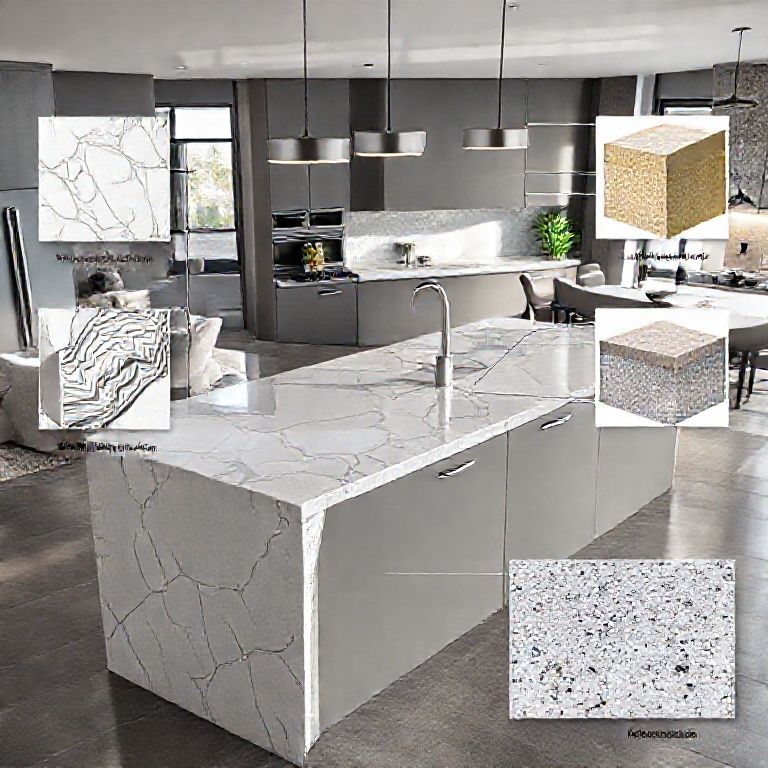
Common Concerns with Artificial Marble
While artificial marble offers numerous benefits, there are some concerns that potential buyers often raise. Understanding these can help you make a well-informed decision.
1. Longevity Concerns: Some people question the longevity of artificial marble compared to natural marble. However, high-quality artificial marble can last for decades with proper care. The durability and resistance to scratches and stains further enhance its lifespan.
2. Aesthetic Limitations: Although artificial marble can mimic natural marble, it may not perfectly replicate every nuance of the natural stone. Some purists might prefer the unique imperfections of genuine marble, which artificial marble cannot fully replicate.
3. Installation and Maintenance: While installation is relatively simple, some might worry about the maintenance requirements. Although artificial marble is low-maintenance, it still requires regular cleaning to maintain its pristine appearance. However, this is generally less demanding than the upkeep of natural stone.
4. Weight: Artificial marble is generally heavier than some other synthetic alternatives like quartz. This can be a consideration for those concerned with installation logistics, especially in areas where weight distribution is a factor.
5. Heat Resistance: Although artificial marble is durable, it is not as heat-resistant as some other materials. It should be avoided in areas where extreme heat might be an issue, such as direct exposure to open flames.
6. Environmental Impact of Production: While artificial marble has a lower environmental impact than natural marble, the production process still involves some environmental considerations. The use of bonding agents and the energy required for manufacturing can contribute to the material’s overall environmental footprint.
In the next part of our guide, we will explore further into the nuances of artificial marble, including specific applications, maintenance tips, and comparisons with other popular materials like quartz and granite. Stay tuned for more insights!
The Ultimate Guide to Artificial Marble: Pros and Cons Compared (Continued)
Building on the advantages and common concerns discussed in the first part of our guide, this second installment delves deeper into the specific applications, maintenance tips, and comparisons of artificial marble with other popular materials like quartz and granite. By the end of this part, you will have a thorough understanding of whether artificial marble is the right choice for your home renovation project.
Specific Applications of Artificial Marble
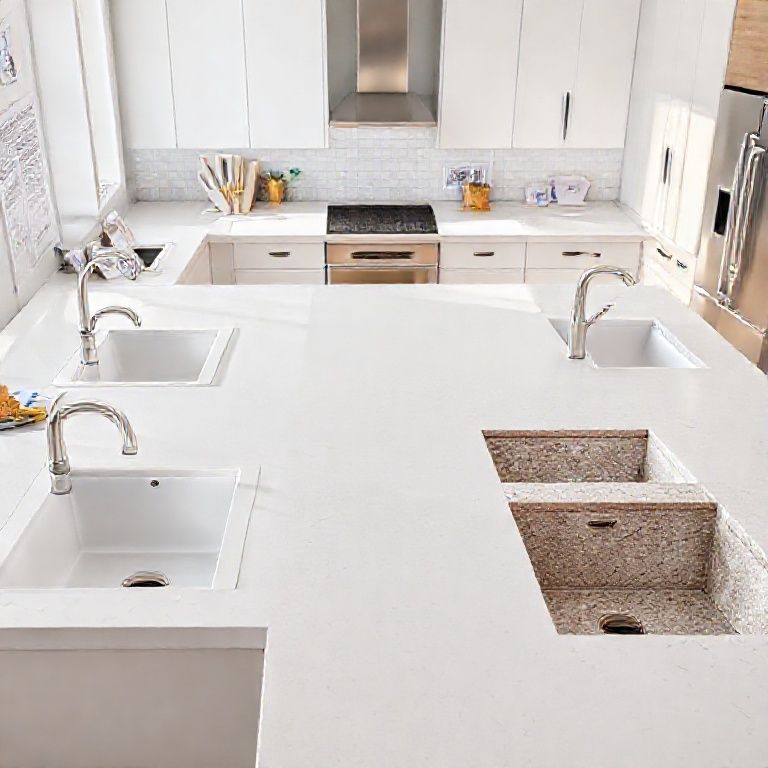
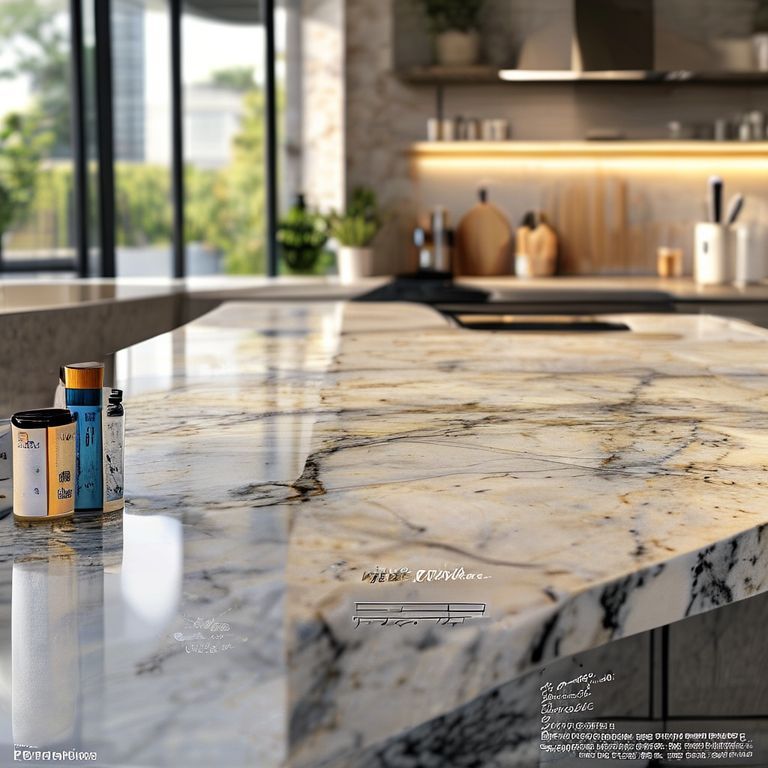
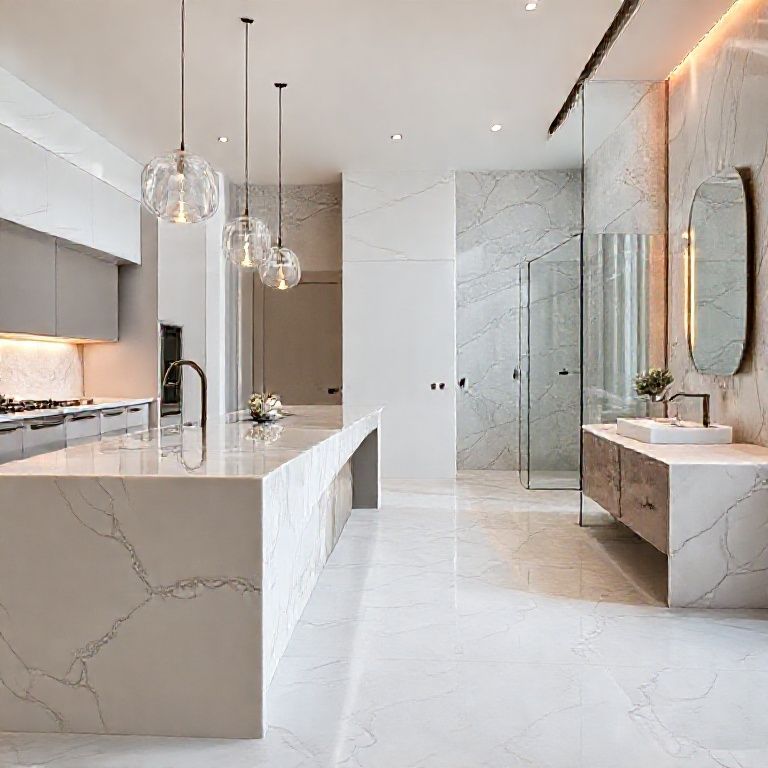
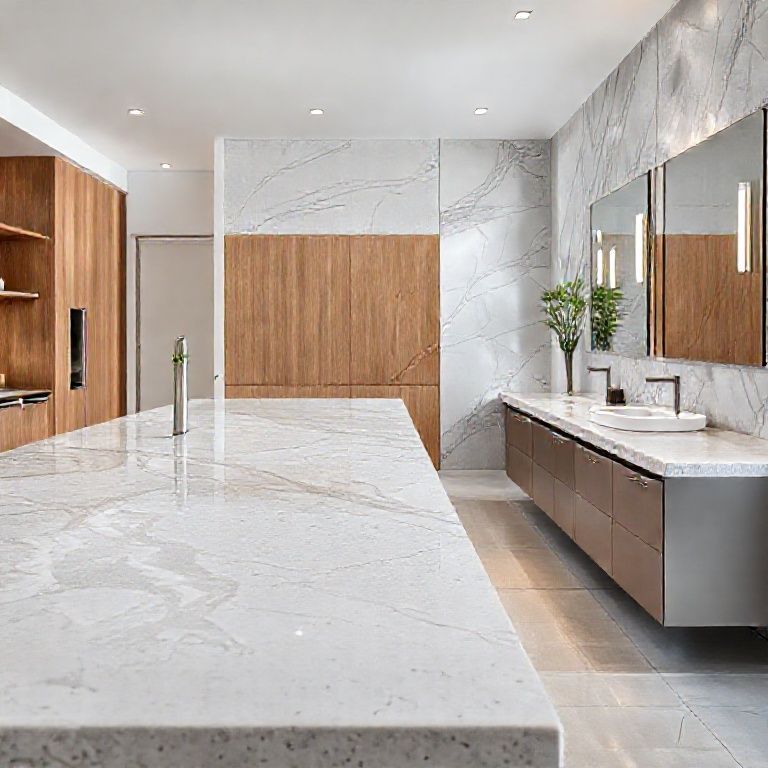
1. Kitchen Countertops: Artificial marble is an excellent choice for kitchen countertops due to its durability and resistance to stains and scratches. Its smooth surface makes it easy to clean, which is particularly beneficial in a kitchen where spills and stains are common. Additionally, its aesthetic appeal can enhance the overall look of the kitchen, making it a popular choice among homeowners and designers.
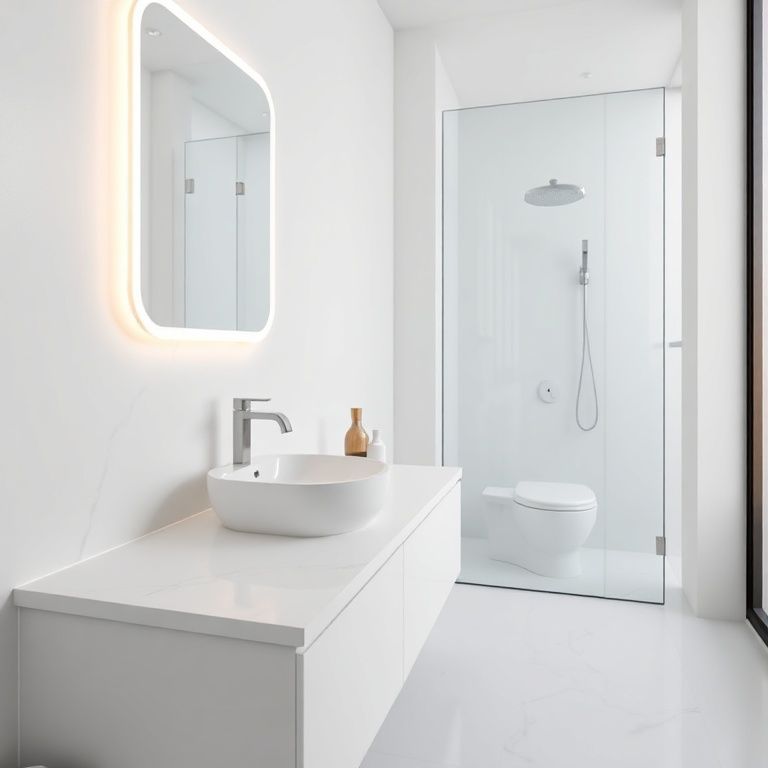
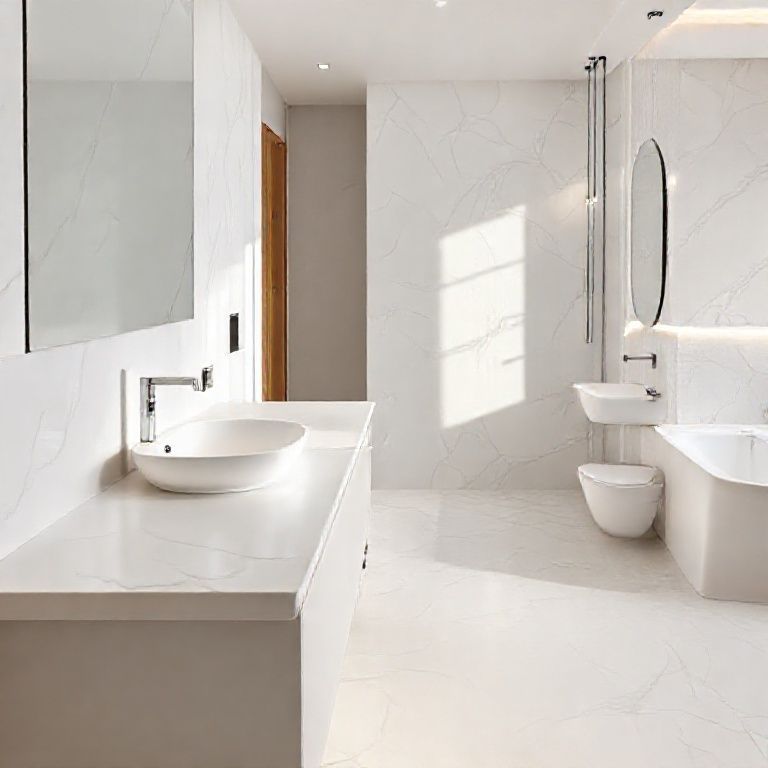
2. Bathroom Vanities and Sinks: In bathrooms, artificial marble can be used for vanities and sinks, providing a luxurious and easy-to-maintain surface. Its resistance to water and mold makes it an ideal material for these areas, where moisture is a frequent concern. The variety of colors and textures available allows for creative and personalized bathroom designs.
3. Backsplashes: Artificial marble is a popular choice for kitchen backsplashes due to its ability to withstand heat and stains. It can also add a touch of elegance to the space, with its beautiful patterns and colors. The material’s durability ensures that the backsplash will maintain its appearance over time, even with regular use.
4. Tabletop and Bartop: For dining tables and bartops, artificial marble provides a stylish and durable surface. Its ability to be colored and designed in various ways allows for unique and personalized designs. The material’s smooth surface makes it easy to clean, which is ideal for areas where spills are common.
5. Outdoor Features: Artificial marble can also be used in outdoor settings, such as patio tables, fountains, and decorative elements. Its durability and resistance to weather elements make it a practical choice for outdoor projects. The material’s aesthetic appeal can enhance outdoor spaces, providing a luxurious touch in your garden or patio area.
Maintenance Tips for Artificial Marble
Proper maintenance is key to ensuring that artificial marble retains its beauty and durability over time. Here are some essential tips:
1. Regular Cleaning: Wipe artificial marble surfaces with a soft cloth and a mild soap solution to remove dirt and grime. Avoid using harsh chemicals or abrasive cleaners, as these can scratch the surface. For tougher stains, a gentle scrub with a non-abrasive cleaner can help.
2. Immediate Stain Removal: It’s important to address spills and stains immediately to prevent them from setting in. Blot spills with a clean cloth and apply a mild cleaning solution to remove the stain as soon as possible.
3. Avoid Heat Sources: While artificial marble is durable, it should be kept away from direct heat sources, such as hot pots or pans. Placing trivets or heat-resistant pads under hot items can help protect the surface.
4. Regular Inspections: Regularly inspect artificial marble surfaces for any signs of damage or wear. If any scratches or chips occur, they can often be repaired by professionals to maintain the material’s appearance.
5. Use Coasters and Pads: To protect the surface from scratches and wear, use coasters and pads under items that are frequently moved. This simple step can prolong the life of the artificial marble.
Comparisons with Other Popular Materials
1. Quartz: Quartz and artificial marble both offer durability and low maintenance, making them excellent choices for countertops and other surfaces. However, quartz is generally more heat-resistant than artificial marble, making it a better option for areas where high temperatures are a concern. Quartz is also more expensive than artificial marble, but its performance and aesthetic appeal make it a popular choice.
2. Granite: Granite is a natural stone known for its durability and unique patterns. While it is highly resistant to scratches and stains, it requires more maintenance than artificial marble. Regular sealing is necessary to protect granite from spills and stains. Compared to artificial marble, granite is heavier and more expensive. However, its natural beauty and classic appeal make it a timeless choice for many homeowners.
3. Composite Materials: Composite materials, such as solid surface or Corian, are similar to artificial marble but can be even more durable and heat-resistant. These materials are ideal for areas where extreme conditions are common. However, they can be more expensive and may require more specialized installation and maintenance.
Conclusion
Artificial marble offers a compelling blend of aesthetics, durability, and cost-effectiveness, making it a popular choice for various home renovation projects. While there are some是的,继续我们的探讨。
在讨论人造大理石(人造石材)的优缺点对比时,我们可以深入了解其在不同应用场景中的表现,以及如何在选择和使用时权衡这些优缺点。
1. 比较其他应用场景
厨房台面: 在厨房台面的选择上,人造大理石的耐污性和易清洁性使其成为一个很好的选择。与传统的天然石材相比,人造大理石不会轻易产生污渍,只需简单的擦拭即可保持光亮。天然石材如花岗岩则提供了独特的纹理和自然美感,但需要定期密封和维护。
浴室台面: 在浴室台面应用中,人造大理石的防水性和抗菌性能使其成为一个理想选择。相比之下,天然石材可能需要额外的处理以防止水渗透和霉菌,但其天然美感和触感有时会更受欢迎。
商业用途: 在商业环境中,如餐厅、酒店和办公室等,人造大理石的耐用性和多样化设计使其成为一个非常实用的选择。商业环境通常要求高耐用性和易清洁性,这使得人造大理石能够满足这些需求。相比之下,天然石材的高成本和维护要求可能使其在商业用途中不太实际。
2. 环境和可持续性
人造大理石在环境和可持续性方面有明显优势。其生产过程不需要开采大量的自然资源,从而减少了对自然环境的破坏。这与天然石材的开采过程形成鲜明对比,天然石材的开采往往会对生态环境造成较大影响。
3. 安装和维护
安装: 人造大理石的安装相对简单,通常不需要专业技能。它可以直接粘贴或胶粘到表面上,这使得DIY安装成为可能,从而节省了人工成本。而天然石材的安装通常需要专业人员,因为它的重量和安装技术要求更高。
维护: 人造大理石的低维护性是其主要优势之一。它不需要定期密封,也不容易污渍,只需简单的清洁即可保持其美观。相比之下,天然石材需要定期的维护和密封以保持其防污和耐用性。
4. 经济性
在经济性方面,人造大理石通常比天然石材更为经济实惠。生产成本较低,因此其价格更为亲民。尽管高品质的天然石材可能具有更高的初始价值,但其长期的维护和维修成本可能使其最终价格高于人造大理石。
5. 风险与局限性
尽管人造大理石有许多优点,但它也有一些局限性。例如,尽管它的耐热性一般比天然石材强,但在极端高温下仍可能会损坏。某些类型的人造大理石在暴露于强烈化学物质或酸性液体时可能会受损。
人造大理石在现代家居和商业设计中的应用越来越广泛。它的耐用性、多样化的设计选择以及低维护性使其成为许多人的首选。在选择时,考虑其局限性和特定应用场景的需求也是非常重要的。了解这些因素将有助于做出最适合特定需求和预算的选择。