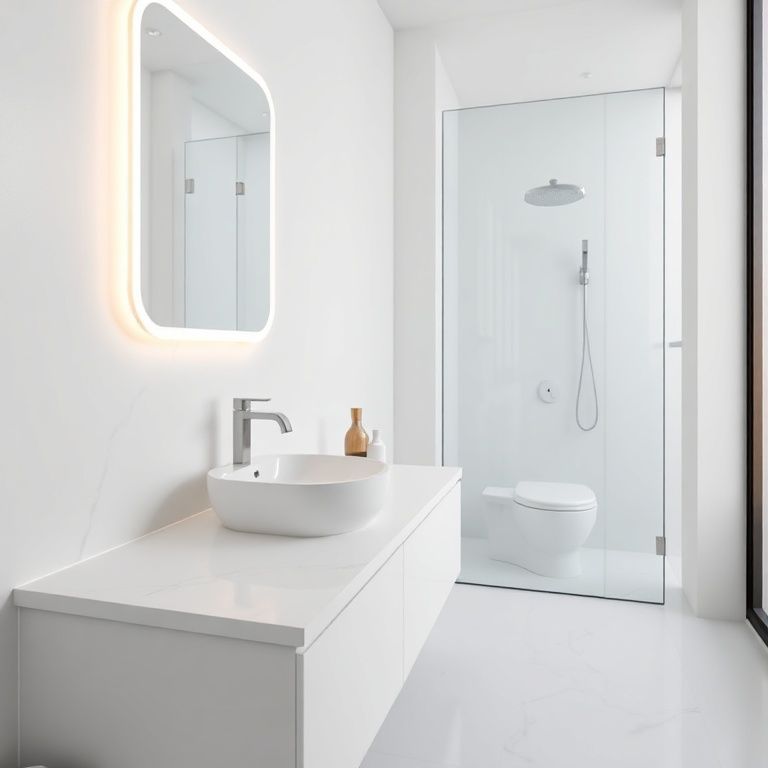
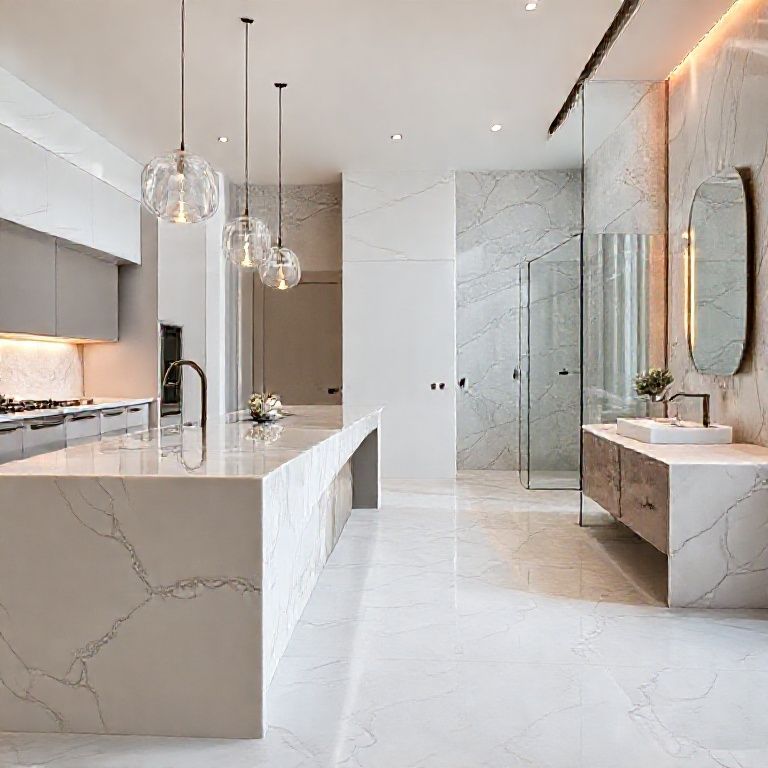
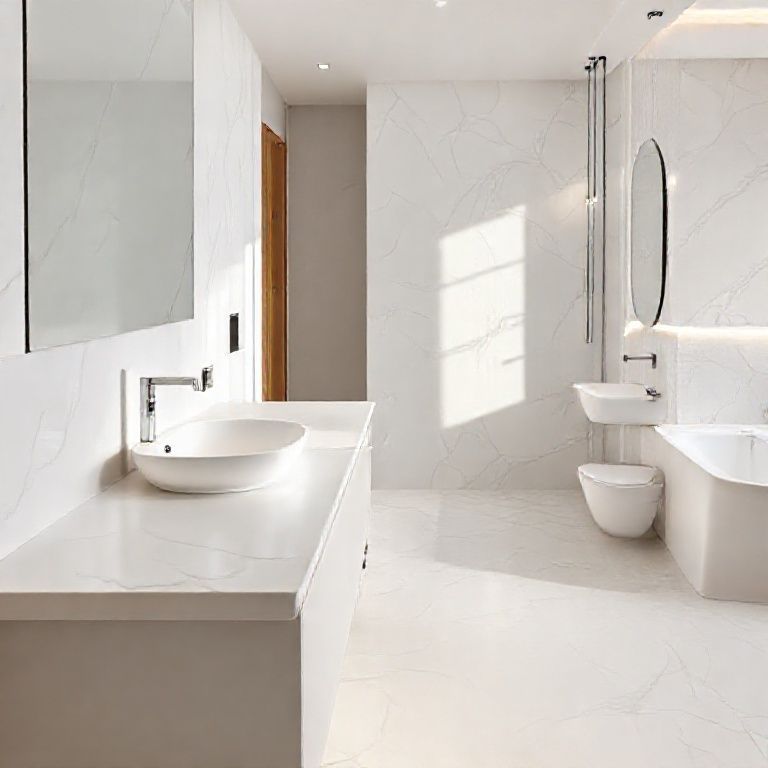
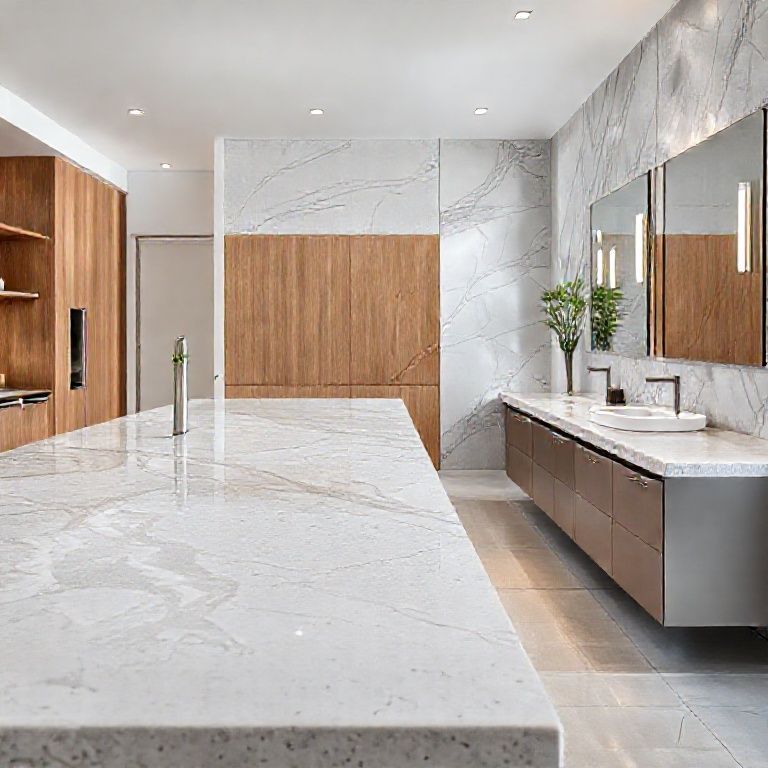
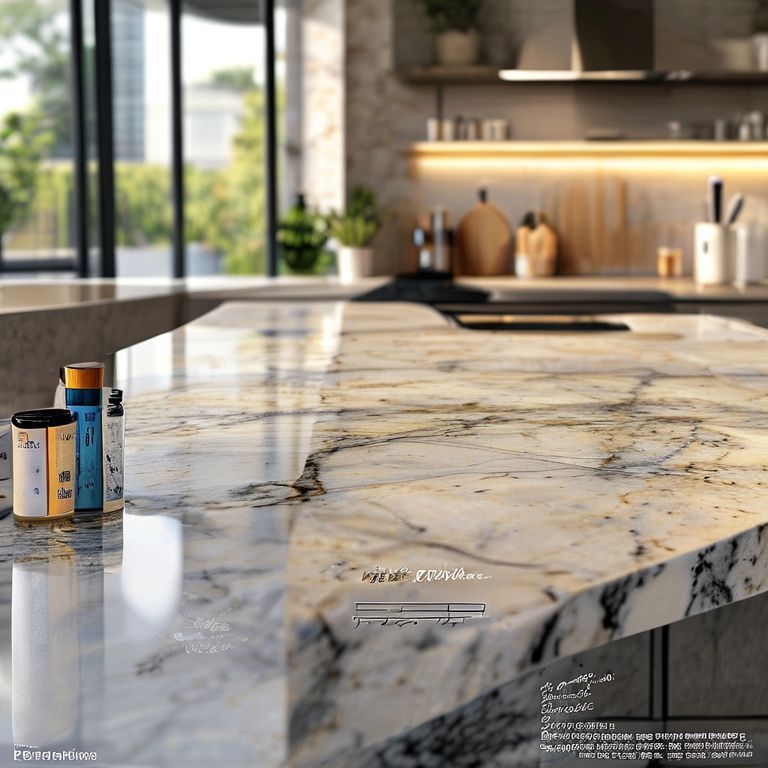
The Allure of Artificial Marble: Unmatched Durability and Cost-Effectiveness
Artificial marble, also known as engineered stone or synthetic marble, has revolutionized the way we approach materials in interior design and renovation projects. This innovative material combines the visual appeal of natural marble with the practical benefits of modern technology. In this part, we will explore the unmatched durability, cost-effectiveness, and aesthetic versatility that make artificial marble an attractive choice for homeowners and professionals alike.
Unmatched Durability
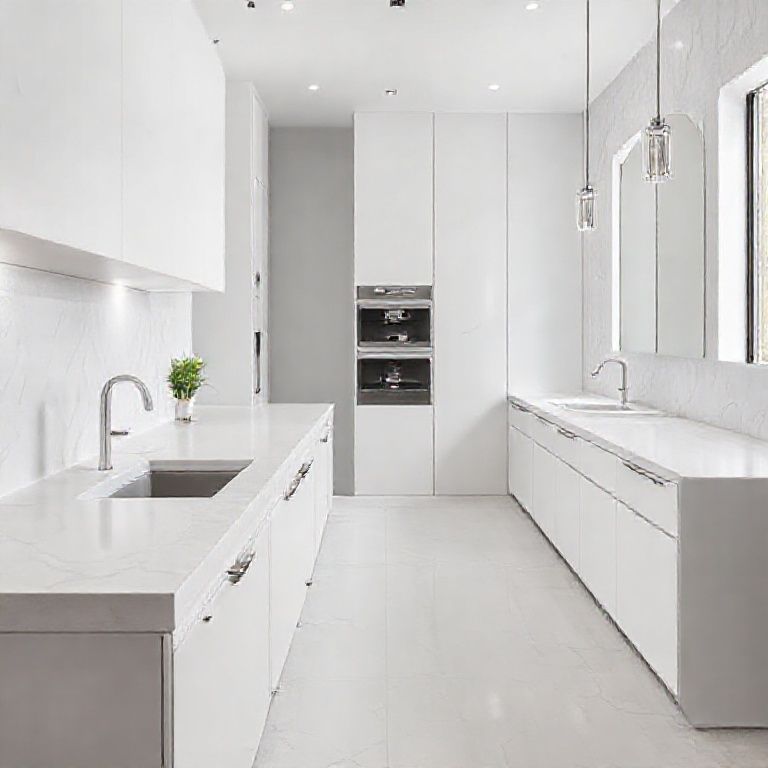
One of the most compelling advantages of artificial marble is its exceptional durability. Unlike natural marble, which can be prone to scratches, chips, and stains, artificial marble is engineered to withstand these challenges. The material is crafted from a blend of fine marble dust, quartz, and resin, which binds the components together to create a solid, homogeneous structure. This composition ensures that artificial marble is incredibly resistant to impact, making it a perfect choice for high-traffic areas such as kitchens, bathrooms, and commercial spaces.
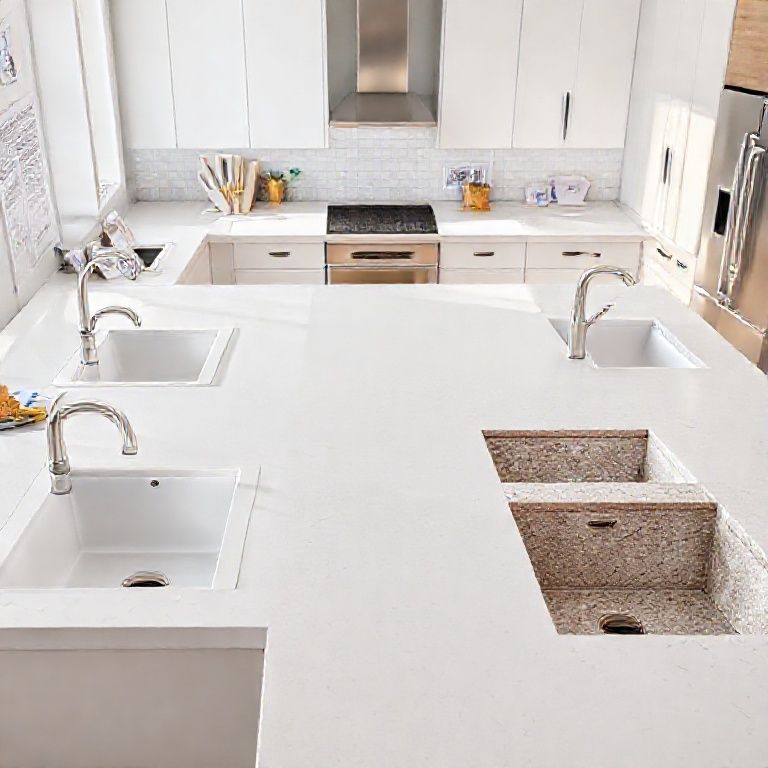
Furthermore, artificial marble’s resistance to water makes it ideal for wet areas. Unlike natural stone, which can absorb water and become susceptible to mold and mildew, artificial marble maintains its integrity even when exposed to moisture. This makes it an excellent option for countertops, sinks, and other surfaces that require regular cleaning and are prone to water damage.
Cost-Effectiveness
Another significant advantage of artificial marble is its cost-effectiveness. While natural marble is a luxury material often associated with high prices, artificial marble offers a more affordable alternative without compromising on quality or aesthetics. The production process of artificial marble allows for mass customization, enabling manufacturers to create a wide range of designs and colors that closely mimic natural marble.
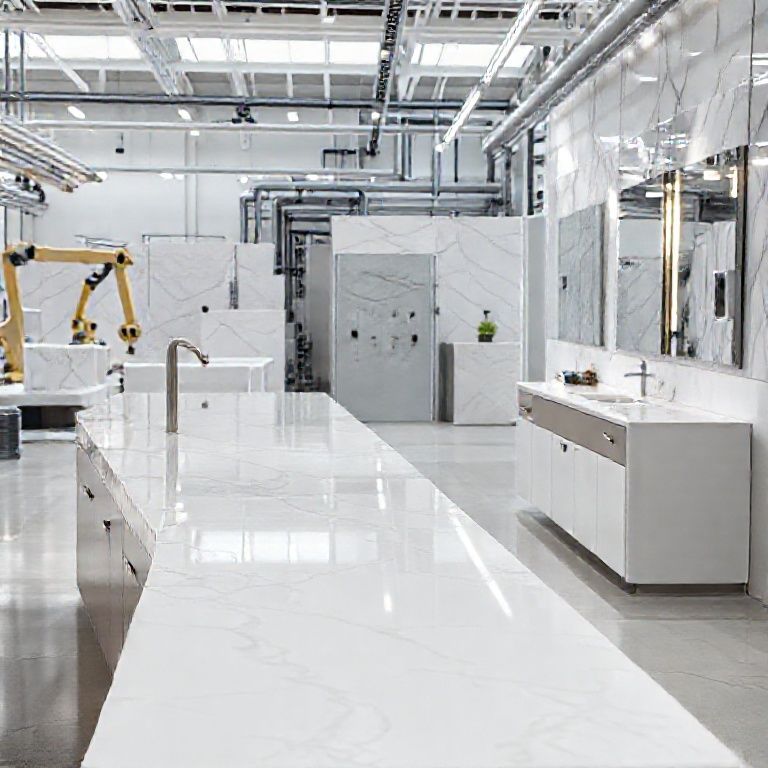
This cost advantage extends to installation as well. Artificial marble slabs are typically easier to cut and install compared to natural stone, reducing labor costs and time. Additionally, the material’s durability means that it requires less frequent replacement, further contributing to its long-term cost savings. For homeowners and businesses looking to enhance their spaces without breaking the bank, artificial marble presents an attractive financial option.
Aesthetic Versatility
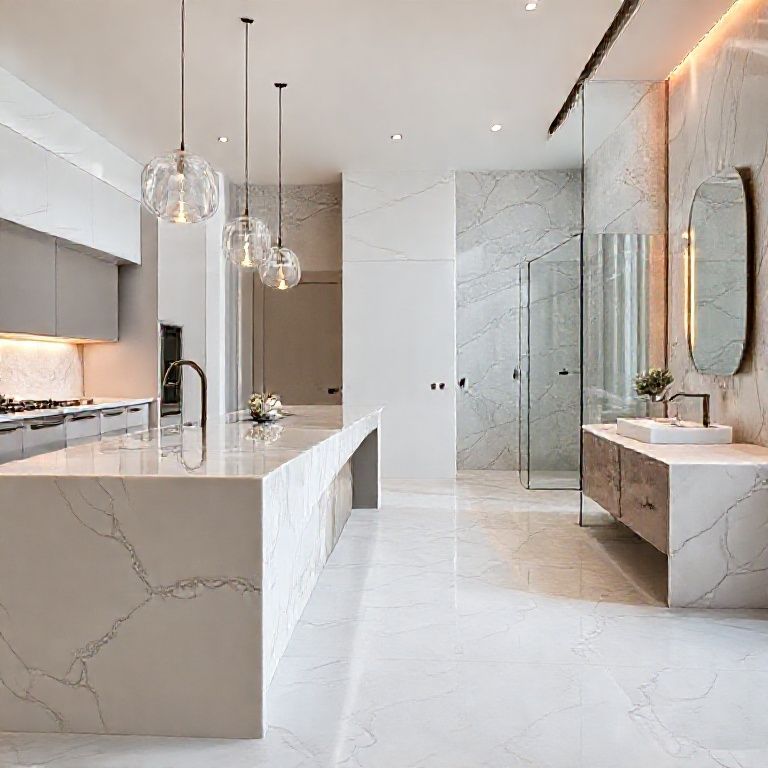
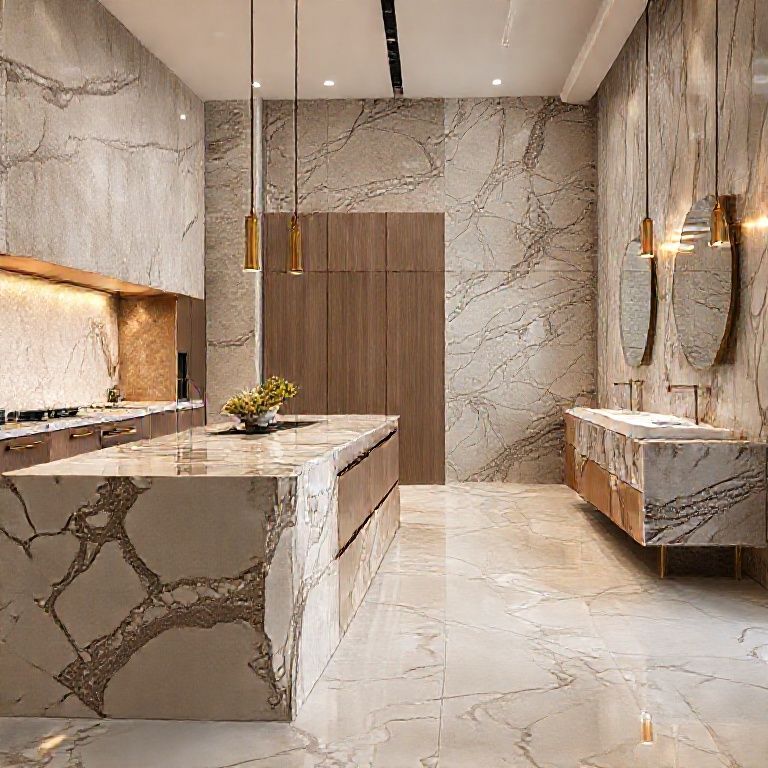
Artificial marble’s aesthetic versatility is another reason it has gained popularity in both residential and commercial settings. Manufacturers can create artificial marble in a vast array of colors, patterns, and finishes that closely resemble natural marble. This allows for endless creative possibilities in interior design, from sleek, modern countertops to intricate backsplashes and bespoke furniture pieces.
Moreover, artificial marble can be customized to suit specific design requirements. Whether you prefer a classic, timeless look or a contemporary, avant-garde style, artificial marble offers the flexibility to bring your vision to life. Its ability to mimic the intricate veins and textures of natural marble makes it an ideal choice for those who desire the look of luxury without the high price tag.
Conclusion
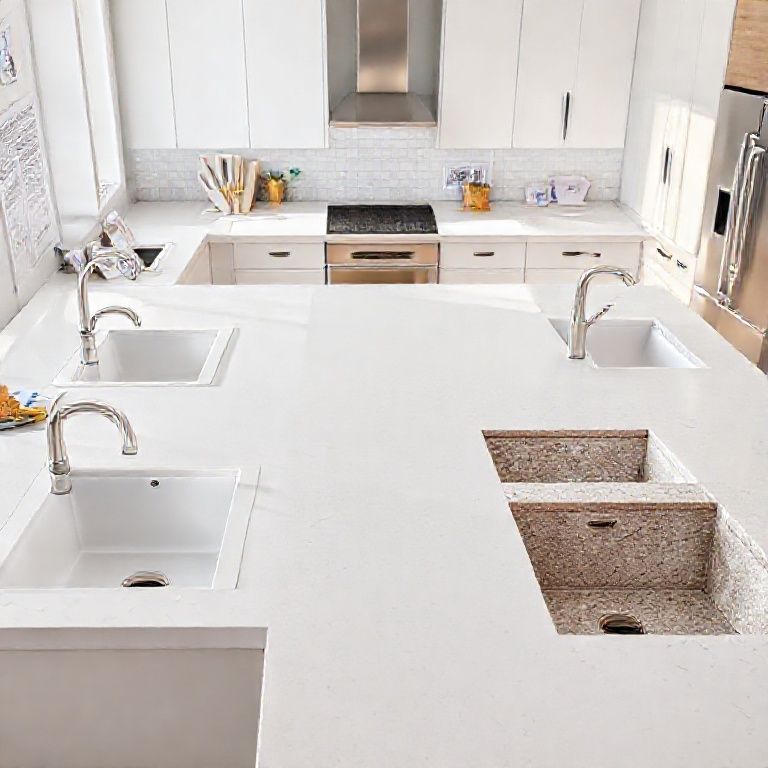
In summary, artificial marble is a material that offers an impressive combination of durability, cost-effectiveness, and aesthetic versatility. Its resistance to impact, water, and stains makes it a practical choice for a variety of applications, while its affordability ensures that it remains accessible to a broad range of consumers. The material’s ability to replicate the intricate beauty of natural marble without the associated costs and maintenance challenges makes it an appealing option for anyone looking to enhance their space with a touch of luxury. In the next part, we will delve into some of the disadvantages of artificial marble, providing a balanced view of this remarkable material.
The Potential Pitfalls of Artificial Marble: Maintenance and Environmental Concerns
While artificial marble offers numerous advantages, it is essential to consider its potential drawbacks to make an informed decision. In this part, we will explore the maintenance requirements, environmental concerns, and other considerations associated with artificial marble. Understanding these potential pitfalls will help you weigh the pros and cons and determine whether artificial marble is the right choice for your project.
Maintenance Requirements
Despite its durability, artificial marble does require some level of maintenance to ensure its longevity and appearance. While it is more resistant to scratches and stains compared to natural stone, it is not completely impervious. To maintain its pristine look, it is essential to clean artificial marble regularly and use appropriate cleaning products.
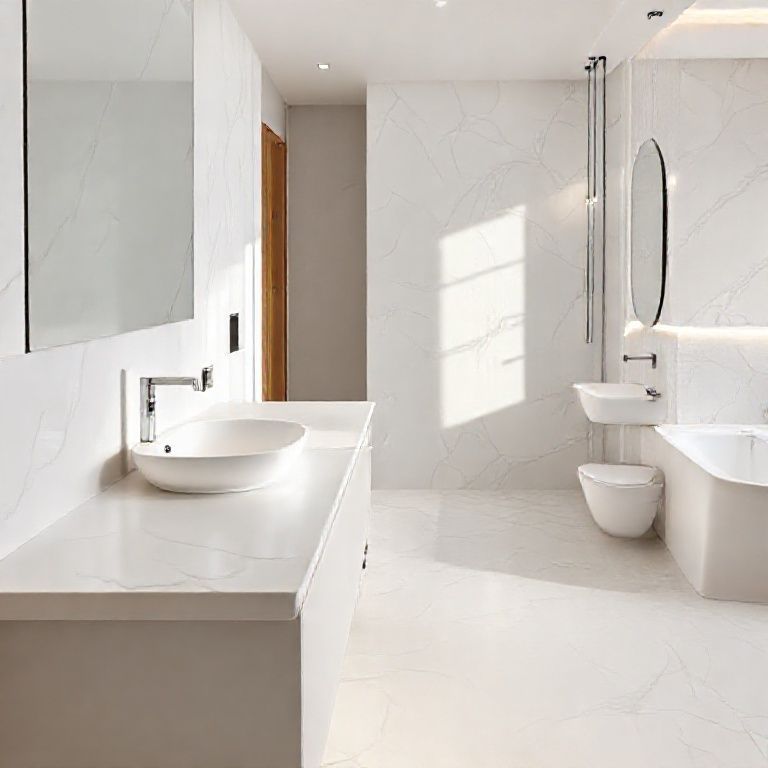
One of the key maintenance considerations is the use of acidic substances. Artificial marble should not be exposed to harsh cleaning agents that contain acids, such as vinegar or lemon juice, as these can etch the surface over time. Instead, it is recommended to use mild, neutral cleaners and soft cloths to wipe down the surface. For tougher stains, specialized stone cleaners designed for artificial marble can be used, but it is crucial to follow the manufacturer’s instructions carefully.
Additionally, regular sealing of artificial marble surfaces can help protect against stains and maintain the material’s appearance. While it is not as frequently required as sealing natural stone, periodic resealing can provide an extra layer of protection, especially in high-traffic areas where spills and stains are more common.
Environmental Concerns
Another consideration when evaluating artificial marble is its environmental impact. The production process of artificial marble involves the use of various chemicals and materials, which raises questions about sustainability and environmental responsibility.
While the environmental footprint of artificial marble is generally lower than that of natural marble mining, the manufacturing process still generates waste and emissions. The use of synthetic materials and resins in artificial marble production contributes to its environmental impact. Additionally, the disposal of artificial marble at the end of its life cycle poses challenges, as it may not be easily recyclable like other materials.
To mitigate these concerns, some manufacturers are exploring more sustainable production methods and incorporating eco-friendly materials into their artificial marble formulations. However, consumers should consider the overall environmental impact of their choices, including the source of materials and the potential for recycling or disposal when selecting artificial marble for their projects.
Other Considerations
Several other factors should be considered when evaluating artificial marble, including its performance under specific conditions and compatibility with other materials.
Performance Under Specific Conditions
Artificial marble performs well under general conditions, but its behavior under extreme temperatures or heavy loads may differ from natural marble. For example, while artificial marble is resistant to water, it is not as thermally stable as natural stone. Prolonged exposure to high temperatures can cause the material to expand or contract, potentially leading to cracking or warping. Therefore, it is essential to use artificial marble in areas where it will not be subjected to extreme heat sources.
Compatibility with Other Materials
When incorporating artificial marble into a design project, compatibility with other materials is crucial. While artificial marble can complement many modern finishes and fixtures, it may not always harmonize seamlessly with certain materials, especially those that are highly sensitive to temperature and humidity changes. For instance, pairing artificial marble with certain types of wood or metal may require careful consideration to ensure that the materials do not adversely affect each other.
Conclusion
While artificial marble offers numerous advantages, it is essential to be aware of its potential drawbacks to make an informed decision. The maintenance requirements, environmental concerns, and other considerations discussed in this part highlight the importance of a balanced evaluation when choosing artificial marble for your project. By understanding both the benefits and the limitations, you can better determine whether this versatile material is the right choice for your specific needs and goals.
In summary, artificial marble is a remarkable material that combines the visual appeal of natural marble with practical benefits that make it an attractive option for various applications. However, it is crucial to consider its maintenance needs, environmental impact, and compatibility with other materials to ensure that it meets your expectations and requirements. By weighing the pros and cons, you can make a well-informed decision that enhances your space while addressing any potential challenges.