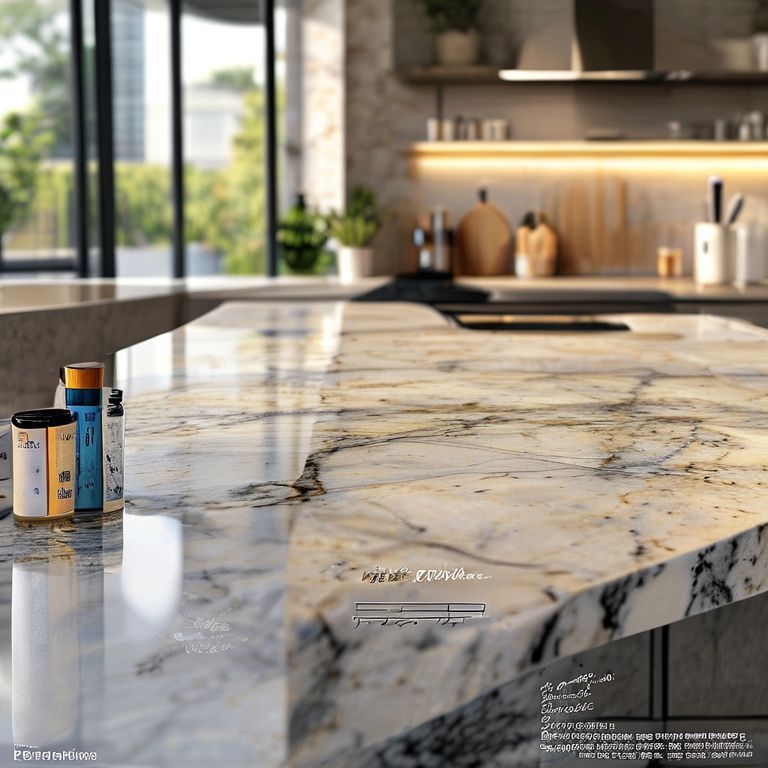
The Origins and Properties of Artificial Marble
Introduction to Artificial Marble
In the realm of modern design, artificial marble stands out as a marvel of contemporary material innovation. Originating from the necessity to combine the aesthetic allure of natural marble with enhanced durability and cost-effectiveness, artificial marble has revolutionized various sectors including architecture, interior design, and even fashion.
The Birth of Artificial Marble
Artificial marble, also known as synthetic marble, was first developed in the 1970s as a response to the growing demand for materials that could mimic the luxurious appearance of natural marble while overcoming its limitations such as high cost, fragility, and susceptibility to staining. This synthetic material is primarily composed of fine marble dust, resin, and other additives, which are meticulously blended and molded to create a composite product that mirrors the intricate beauty of its natural counterpart.
Material Composition and Manufacturing Process
The manufacturing process of artificial marble is an intricate dance between science and art. High-grade marble dust, which can be sourced from various regions renowned for their superior marble quality, is ground into a fine powder. This powder is then mixed with a polymer resin that acts as a binding agent, allowing the material to maintain its shape and structure. Additives such as colorants, UV stabilizers, and antimicrobial agents are incorporated to enhance the visual appeal, durability, and functional properties of the product.
Once mixed, the material is subjected to high pressure and temperature in a molding process that replicates the natural stone’s intricate patterns and textures. The result is a composite material that not only looks like marble but also possesses superior mechanical properties, such as increased hardness and resistance to scratches, chips, and stains.
Properties and Advantages
One of the most compelling aspects of artificial marble is its combination of beauty and practicality. Here are some of its key properties and advantages:
Aesthetic Appeal: Artificial marble offers an unparalleled range of colors, patterns, and textures that closely mimic natural marble. It provides designers with a canvas to create unique and sophisticated designs that can be tailored to suit any aesthetic preference.
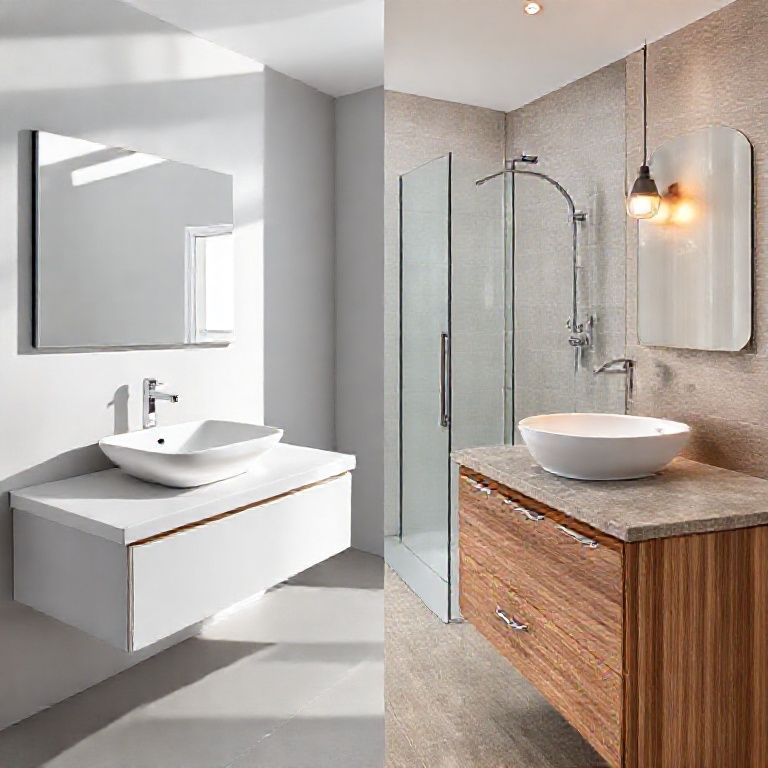
Durability: Unlike natural marble, which can be easily damaged by impacts, artificial marble is significantly more resistant to scratches, chips, and stains. This makes it an ideal choice for high-traffic areas such as kitchens, bathrooms, and commercial spaces where durability is paramount.
Cost-Effectiveness: The production process of artificial marble is more economical compared to that of natural marble. This translates into a more affordable product that can offer luxury without breaking the bank.
Ease of Maintenance: Artificial marble surfaces are easy to clean and maintain. Unlike natural marble, which requires regular sealing to prevent staining, artificial marble can often go for years without any special maintenance, making it a practical choice for busy households and commercial establishments.
Eco-Friendly: The production of artificial marble typically involves fewer environmental impacts compared to the extraction and transportation of natural stone. It also offers the advantage of being recyclable, contributing to a more sustainable design process.
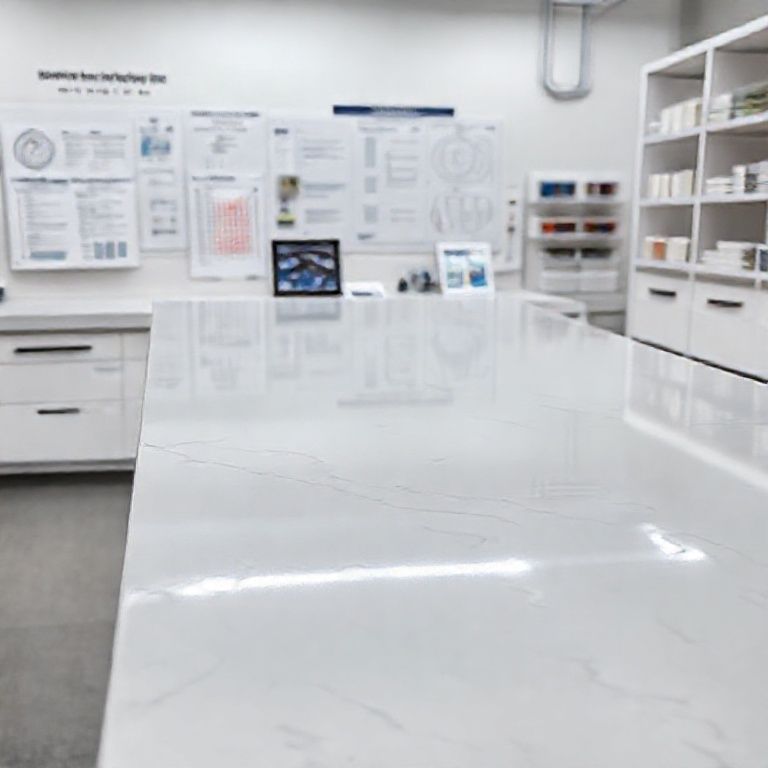
Applications of Artificial Marble
Artificial marble has found its way into a plethora of applications, thanks to its versatility and aesthetic appeal. Here are some of the most popular uses:
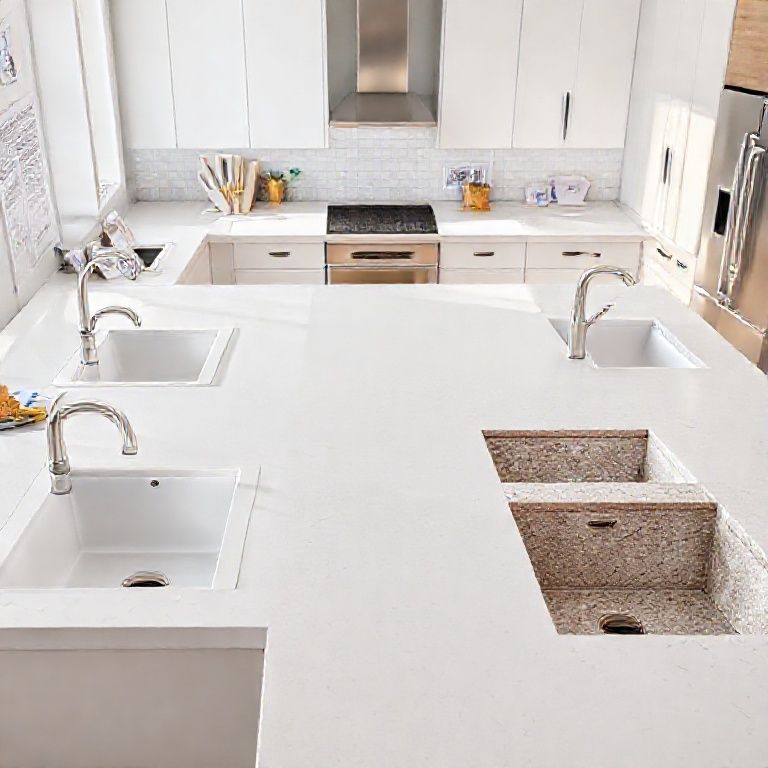
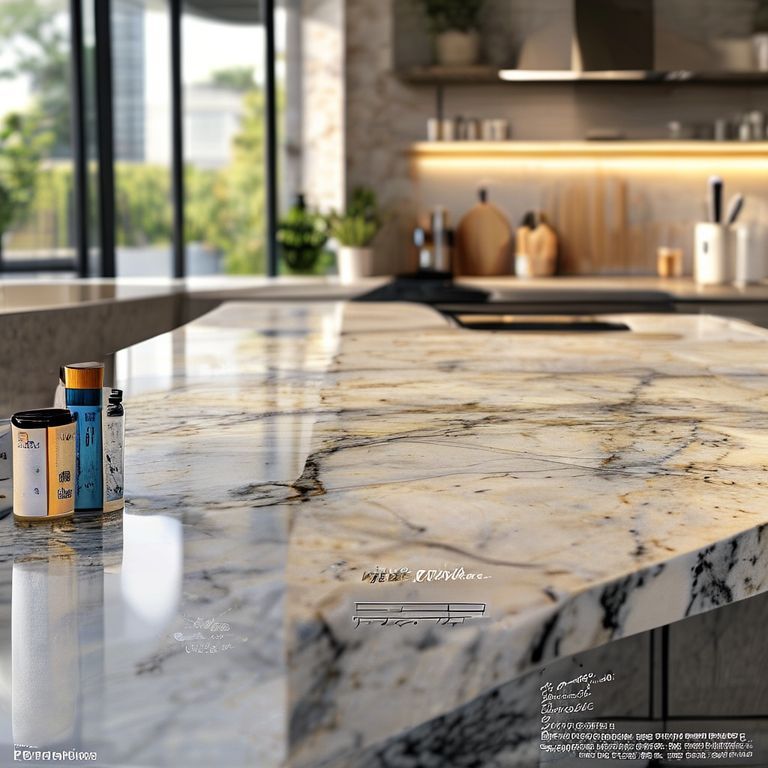
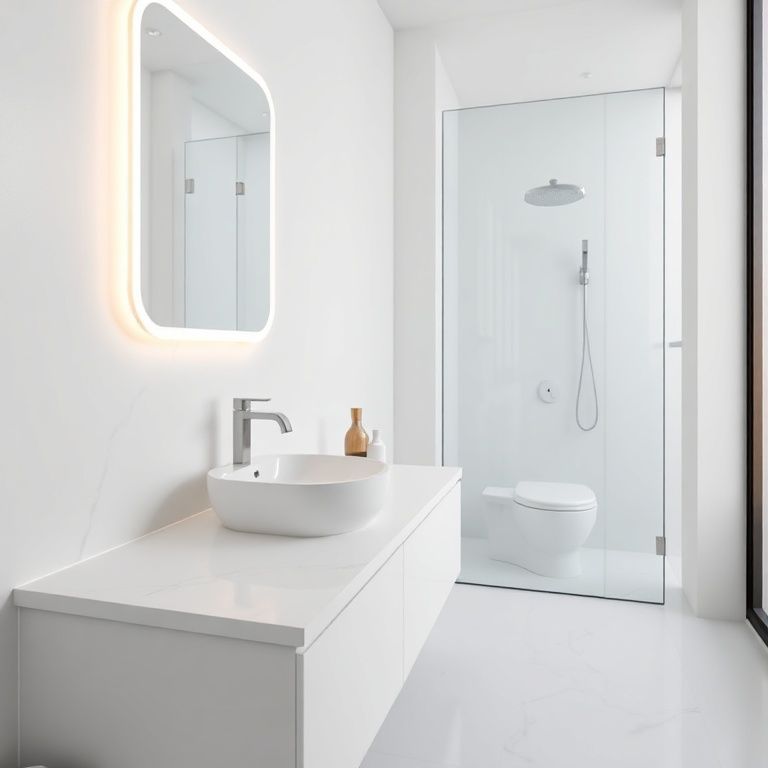
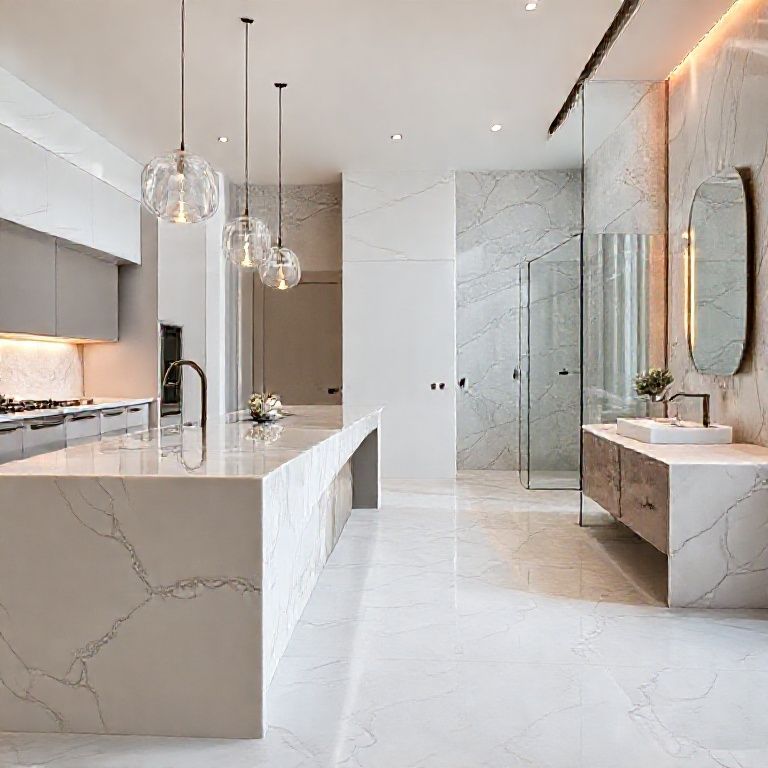
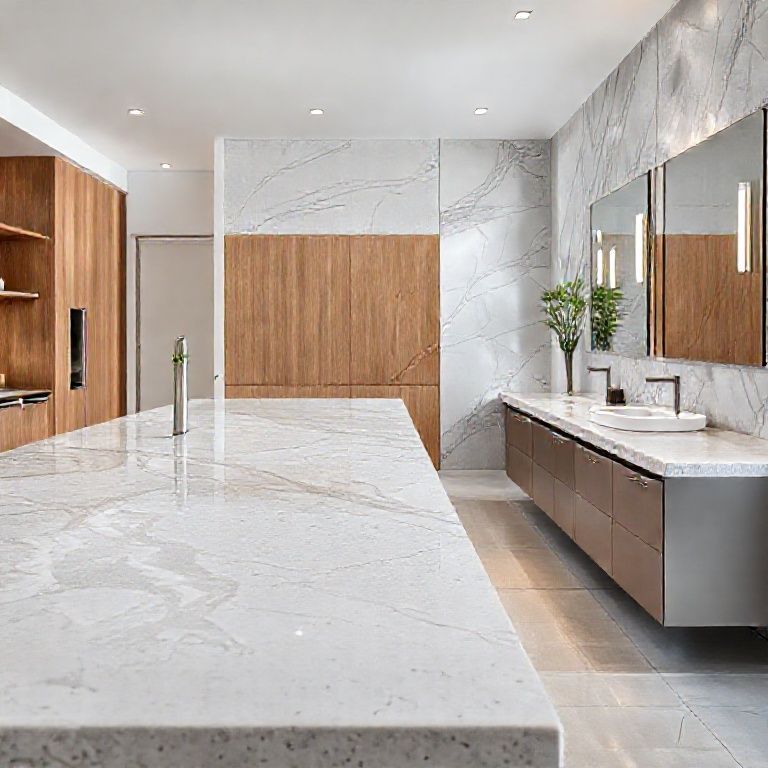
Countertops: In kitchens and bathrooms, artificial marble is a popular choice for countertops due to its durability, easy maintenance, and wide range of designs. It offers a luxurious look that can rival the best natural marble while being more practical.
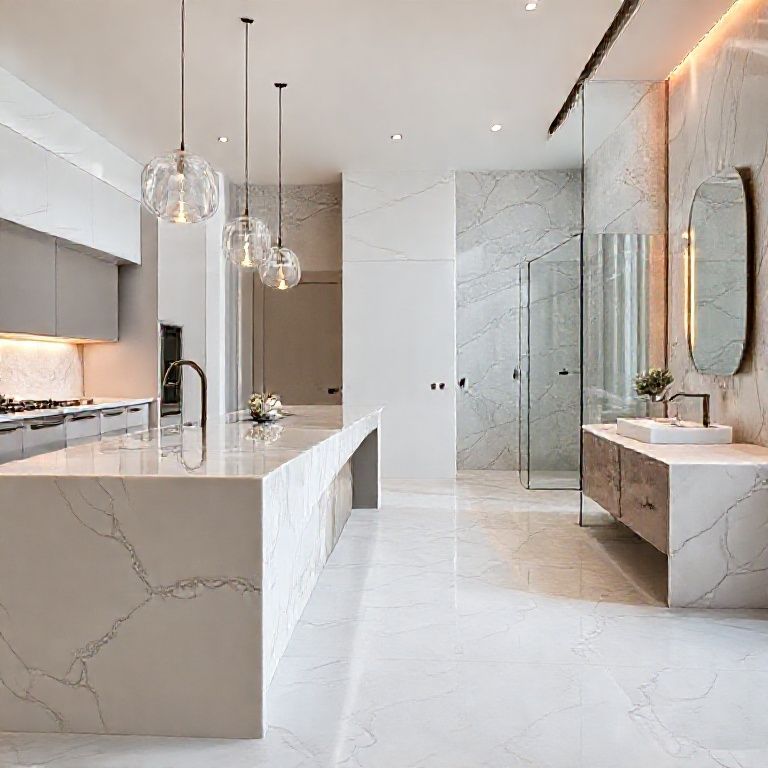
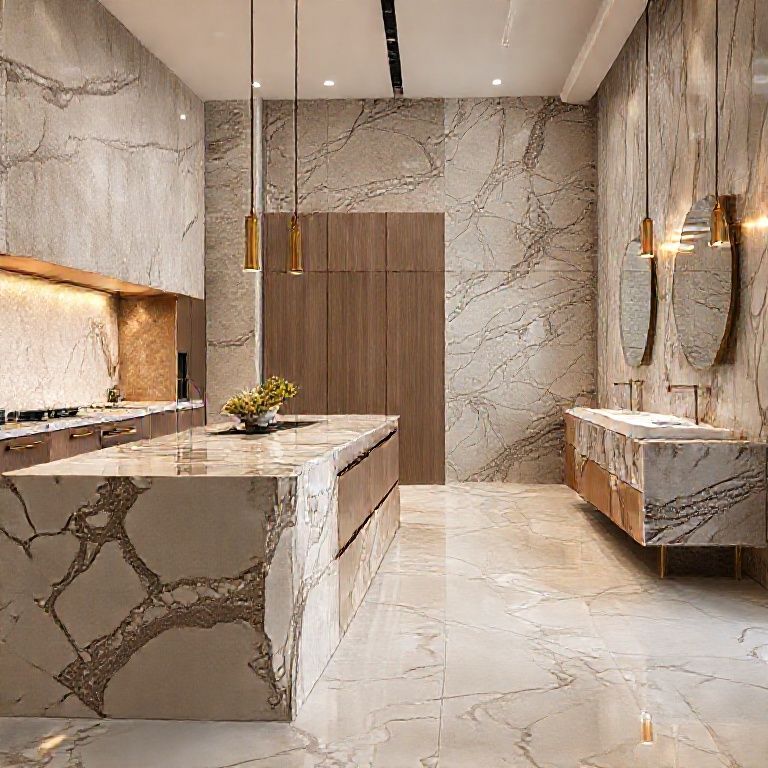
Interior Design: Artificial marble is widely used in interior design for creating elegant and sophisticated features such as fireplaces, wall claddings, and decorative panels. Its ability to replicate the intricate patterns of natural marble makes it an excellent choice for adding a touch of luxury to any interior space.
Commercial Spaces: In commercial settings like restaurants, hotels, and offices, artificial marble is used for its durability and aesthetic appeal. It provides a high-end look that can enhance the overall ambiance and value of the space.
Furniture: The furniture industry has also embraced artificial marble for its unique beauty and durability. It is used to create stunning pieces such as tabletops, bar counters, and decorative elements that add a touch of elegance to any room.
Fashion and Accessories: Beyond construction and design, artificial marble is used in the fashion industry to create high-end accessories such as jewelry, watches, and other decorative items that mimic the natural beauty of marble.
Conclusion
Artificial marble represents a remarkable fusion of art and science, offering a luxurious, durable, and cost-effective alternative to natural marble. Its versatility and wide range of applications make it an invaluable asset in modern design. As we continue to explore and innovate in the world of materials, artificial marble stands out as a testament to human ingenuity and the relentless pursuit of beauty and functionality.
The Future of Artificial Marble and Its Impact on Modern Design
The Evolution of Artificial Marble
The journey of artificial marble has been one of continuous evolution and improvement. As technology advances, so does the quality and range of artificial marble products. Modern advancements in manufacturing processes have led to even more realistic and high-quality artificial marble that can closely replicate the nuanced beauty of natural marble.
Innovations in Material Science
Recent innovations in material science have further enhanced the properties of artificial marble. The introduction of nano-technology has allowed for the creation of surfaces that are not only highly durable but also more resistant to UV rays, making them suitable for outdoor applications. Additionally, the development of antimicrobial additives has addressed concerns related to hygiene, making artificial marble an excellent choice for kitchens, bathrooms, and healthcare facilities.
Sustainability and Eco-Friendly Practices
Sustainability is at the forefront of modern design, and artificial marble is no exception. Manufacturers are increasingly adopting eco-friendly practices to reduce the environmental impact of production. This includes using recycled materials, reducing energy consumption, and implementing processes that minimize waste. Moreover, the recyclability of artificial marble further enhances its eco-friendly credentials, making it a sustainable choice for environmentally-conscious designers and consumers.
The Role of Artificial Marble in Modern Architecture
Artificial marble has made significant inroads into the field of modern architecture. Its ability to replicate the intricate patterns and textures of natural marble, combined with its durability and ease of maintenance, makes it an ideal material for both residential and commercial buildings. Architects are increasingly using artificial marble to create striking and sophisticated facades, interior designs, and structural elements that blend seamlessly with the natural environment.
Innovative Design Trends
The design industry is constantly evolving, and artificial marble is at the forefront of these trends. Here are some of the innovative design trends that are shaping the future of artificial marble:
Customization: One of the most exciting aspects of artificial marble is its ability to be customized to meet specific design requirements. Manufacturers can create unique blends of marble dust and resin to produce materials with specific colors, patterns, and textures, allowing designers to bring their most imaginative concepts to life.
Integration with Smart Technology: The integration of artificial marble with smart technology is creating new possibilities in interior design. For example, surfaces with embedded sensors can be used to create interactive and responsive environments, adding a new dimension to the functionality and aesthetics of the material.
Sustainability in Design: With a growing emphasis on sustainability, artificial marble is playing a crucial role in eco-friendly design. Its recyclability and reduced environmental impact make it an attractive option for designers who are committed to creating sustainable and responsible spaces.
Multifunctional Uses: Artificial marble is being used in innovative ways to create multifunctional spaces. For instance, it can be used to create both functional and decorative elements in a single piece, such as a countertop that doubles as a work surface and a statement piece.
Impact on Interior and Exterior Design
Artificial marble has a profound impact on both interior and exterior design. Its versatility allows it to be used in a wide range of applications, from creating elegant and sophisticated interiors to enhancing the aesthetic appeal of exterior structures.
Interior Design
In interior design, artificial marble is prized for its ability to add a touch of luxury and elegance to any space. It is used in kitchens, bathrooms, living rooms, and even bedrooms to create stunning and functional surfaces. Here are some of the ways artificial marble is transforming interior design:
Kitchens and Bathrooms: Artificial marble is a popular choice for countertops, backsplashes, and sinks in kitchens and bathrooms. Its durability and easy maintenance make it a practical choice, while its aesthetic appeal adds a touch of sophistication.
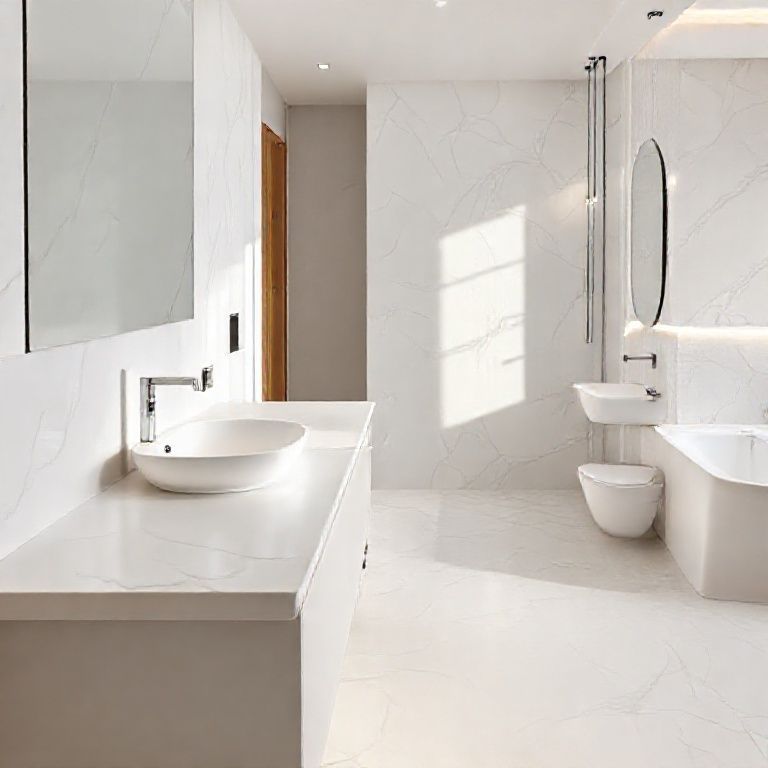
Wall Claddings and Panels: Artificial marble is used to create stunning wall claddings and decorative panels that can add a luxurious and cohesive look to any room. Its ability to replicate the intricate patterns of natural marble makes it an excellent choice for creating visually striking features.
Flooring: While less common, artificial marble can also be used for flooring, providing a durable and stylish option that can enhance the overall aesthetic of a space.
Exterior Design
Artificial marble is also making a significant impact in exterior design. Its durability and resistance to weather conditions make it an ideal choice for outdoor applications. Here are some of the ways artificial外设计中的应用:
建筑外立面:人造大理石常用于建筑外立面的装饰,其光滑的表面和丰富的色彩选择可以为建筑增添现代感和高端感。它耐候性强,不易受到环境因素的影响,因此适合在户外使用。
户外雕塑和装饰:人造大理石在户外雕塑和装饰中也有广泛应用。由于其耐久性和抗污性,人造大理石能够长期保持美观,适合用于公共空间、花园和景观设计。
步道和庭院地面:人造大理石可以制成步道、庭院地面板等,其耐磨性和抗污性使其成为户外地面材料的理想选择。其美观的外观也能为庭院增添质感和视觉效果。
未来展望
随着科技的进步和设计理念的不断创新,人造大理石的应用前景广阔。未来,我们可以期待看到更多更加复杂和精致的人造大理石制品,这些制品不仅在外观上更加逼真,而且在功能和耐用性上也更为出色。
智能化材料:未来的人造大理石可能会集成更多的智能技术,比如嵌入式传感器、光纤等,实现更多的互动和功能,例如自我清洁、能量回收等。
可再生资源的利用:随着环保意识的增强,未来的人造大理石生产可能会更加注重可再生资源的利用,减少对环境的影响。例如,利用回收材料和低碳工艺来生产人造大理石。
个性化定制:随着3D打印技术的发展,人造大理石的个性化定制将变得更加普及。设计师和消费者可以通过数字化设计工具,定制符合个人喜好的人造大理石产品。
多功能结构:未来的人造大理石可能会具备更多功能,例如隔音、隔热、保温等,这将使其在更多领域内得到应用,比如住宅建筑、交通设施、办公空间等。
结论
人造大理石作为一种现代材料,以其美观、耐用、易维护的特点,在建筑、室内设计、家具制造等多个领域得到了广泛应用。随着科技的进步和设计理念的不断创新,人造大理石的应用前景将更加广阔,为我们的生活和工作环境带来更多的美感和便利。