The Ultimate Guide to Artificial Stone Countertops: Pros, Cons, and Best Practices
Artificial stone countertops have revolutionized modern kitchen and bathroom design, offering a range of benefits and a few considerations that are worth understanding. This guide will delve into the various aspects of artificial stone, helping you determine if it’s the right choice for your home renovation project.

What Are Artificial Stone Countertops?
Artificial stone countertops, often referred to as “quartz,” are made from a combination of natural stone powder and polymer resin. The process involves mixing the stone powder with a binder, then applying it in layers to create a solid, durable surface. Once set, the material is polished to achieve a sleek, natural stone-like finish.
The Main Pros of Artificial Stone Countertops
1. Durability and Strength
One of the most significant advantages of artificial stone countertops is their impressive durability. They are highly resistant to scratches, dents, and impact, making them an excellent choice for high-traffic areas like kitchens and dining rooms. Unlike natural stone, which can be prone to chips and cracks, artificial stone provides a sturdy surface that maintains its integrity over time.
2. Water Resistance
Artificial stone is inherently water-resistant. This characteristic makes it an ideal choice for kitchen and bathroom countertops, where moisture is a common factor. It does not absorb water, meaning spills can be easily wiped up without causing damage. This feature also makes cleaning simpler and more manageable.
3. Aesthetic Versatility
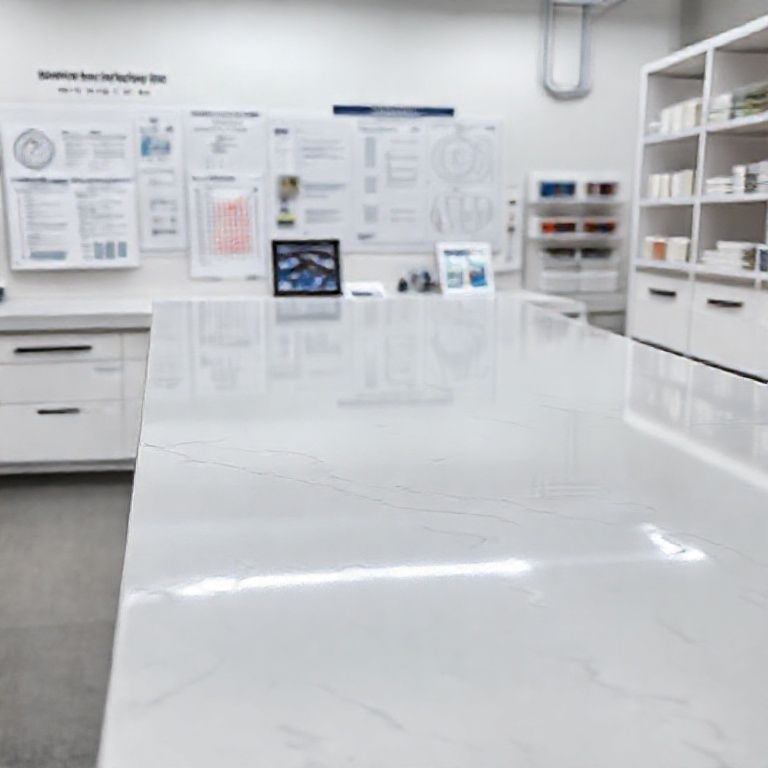
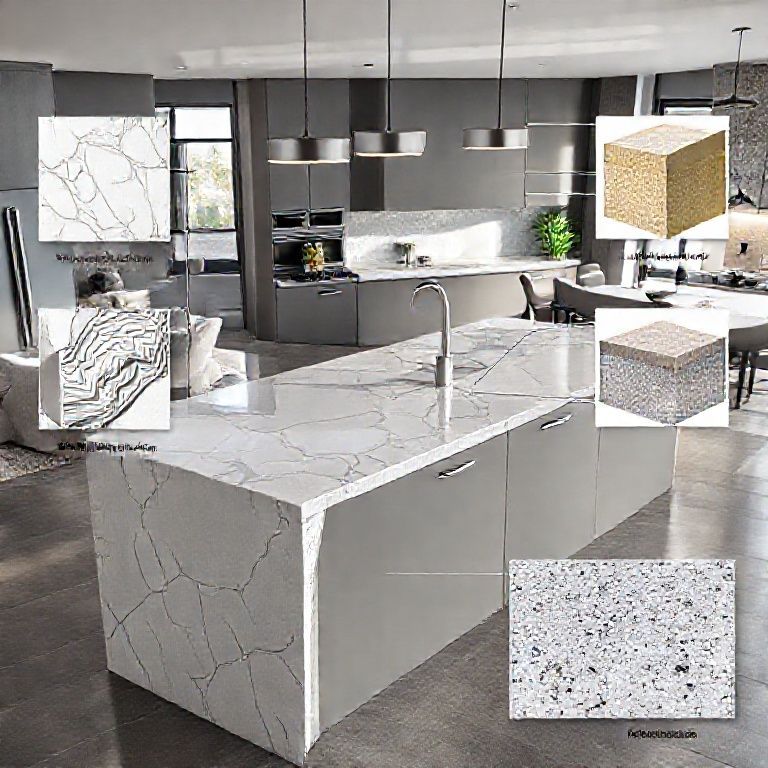
Artificial stone countertops come in a vast array of colors, patterns, and finishes, allowing for a high degree of customization. Whether you want a sleek, modern look or a more traditional, natural stone appearance, there is likely a color or pattern that fits your design vision. This versatility means you can mimic the look of various natural stones, including granite, marble, and quartz, without the premium price tag.
4. Cost-Effectiveness
Compared to natural stone options, artificial stone is significantly more affordable. This cost-effectiveness extends to installation and maintenance as well. Since it does not require sealing or regular maintenance like some natural stones, it can be a more economical choice in the long run.
5. Low Maintenance
Artificial stone countertops are low-maintenance, requiring minimal upkeep. Regular cleaning with a mild detergent and water is usually sufficient to keep them looking pristine. Additionally, they do not require sealing or the use of specific cleaning products, making them an excellent choice for busy households.
The Main Cons of Artificial Stone Countertops
1. Heat Resistance
While artificial stone is durable, it is not as heat-resistant as some might expect. Although it can withstand moderate heat, prolonged exposure to very high temperatures can cause it to crack or warp. This limitation means that items like hot pots and pans should be handled with care to avoid damaging the surface.
2. Aging Appearance
Over time, artificial stone can begin to show signs of aging. Unlike natural stone, which often develops a more refined appearance with age, artificial stone may start to look dull or chipped, especially if not properly maintained. This aging process can be mitigated with regular cleaning and maintenance.
3. Environmental Concerns
The production of artificial stone involves the use of resins and other synthetic materials, which can raise environmental concerns. The manufacturing process can emit volatile organic compounds (VOCs), which may contribute to indoor air quality issues. However, many modern manufacturers have developed low-VOC formulations to address this concern.
4. Weight
Artificial stone countertops are generally heavier than other countertop materials like granite or quartz. This added weight can pose installation challenges and may require a stronger countertop support.
Best Practices for Artificial Stone Countertops
1. Installation
When installing artificial stone countertops, it’s essential to ensure a strong bond with the cabinetry and underlying surface. Professional installation is recommended to avoid gaps and ensure a seamless finish. Proper sealing and grouting can also help maintain the countertop’s integrity.
2. Maintenance
Regular maintenance is key to prolonging the life of artificial stone countertops. Clean spills immediately to prevent staining and use non-abrasive cleaners to avoid scratches. Avoid using steel wool or harsh chemicals on the surface.
3. Heat Management
To prevent damage, it’s crucial to manage heat exposure. Avoid placing hot items directly on the surface and use pot holders when handling hot cookware. If necessary, consider using heat-resistant pads or mats to protect the countertop from direct heat.
4. Aesthetic Considerations
When choosing the aesthetic for your artificial stone countertop, consider the overall design of the space. While it offers versatility, sticking to a cohesive color scheme can help maintain a polished and professional look.
The Ultimate Guide to Artificial Stone Countertops: Pros, Cons, and Best Practices
Continuing our comprehensive exploration of artificial stone countertops, this second part will further examine the pros and cons in more detail and provide additional insights to help you make an informed decision.
Weighing the Pros and Cons
1. Durability and Strength
As previously mentioned, the durability of artificial stone is one of its most compelling features. It can withstand heavy use and minor accidents without significant damage. This resilience makes it suitable for both residential and commercial settings. However, it’s important to remember that prolonged exposure to extreme heat can compromise its integrity.
2. Water Resistance
The water-resistant nature of artificial stone is a significant benefit, especially in high-moisture areas like kitchens and bathrooms. This characteristic means that spills and splashes do not penetrate the surface, reducing the risk of stains and making cleaning easier. However, it’s still crucial to clean up spills promptly to maintain the countertop’s appearance.
3. Aesthetic Versatility
Artificial stone’s aesthetic versatility is one of its biggest selling points. The ability to mimic the look of various natural stones without the cost can be particularly appealing. Designers and homeowners can choose from a wide range of colors and patterns to match their existing décor or to create a custom look. This flexibility allows for creative freedom and personalization in design.
4. Cost-Effectiveness
The cost-effectiveness of artificial stone is undeniable. It provides a high-quality alternative to natural stone at a fraction of the price. This affordability extends to installation and maintenance, as the material does not require special treatments or frequent upkeep. However, it’s important to consider the overall cost of the project, including installation, to get a complete picture of the investment.
5. Low Maintenance
The low-maintenance nature of artificial stone countertops means that they require minimal effort to keep them looking new. Regular cleaning with mild detergents and water is usually sufficient to maintain their appearance. This simplicity makes them an attractive option for busy households or those who prefer a hassle-free countertop experience.
Addressing the Cons
1. Heat Resistance
While artificial stone is durable, its heat resistance is not as robust as some might expect. Prolonged exposure to high temperatures can cause the material to crack or warp. To mitigate this risk, it’s essential to use heat-resistant pads or mats when placing hot items on the surface. Additionally, avoid using sharp or heavy objects that could cause scratches or dents.
2. Aging Appearance
Artificial stone can begin to show signs of aging over time, particularly if not maintained properly. Unlike natural stone, which often develops a refined appearance with age, artificial stone may start to look dull or chipped. Regular cleaning and maintenance can help extend the life of the countertop and keep it looking new. It’s also important to avoid exposing the surface to harsh chemicals or abrasive cleaners, which can accelerate aging.
3. Environmental Concerns
The production of artificial stone involves the use of resins and other synthetic materials, which can raise environmental concerns. However, many manufacturers now offer low-VOC formulations to address this issue. It’s important to research and choose products from reputable companies that prioritize sustainability and environmental responsibility.
4. Weight
Artificial stone countertops are generally heavier than other materials like granite or quartz. This added weight can pose installation challenges and may require a stronger countertop support. When selecting and installing artificial stone, it’s crucial to consider the structural integrity of the surrounding cabinetry and surfaces to ensure a secure and stable installation.
Additional Best Practices
1. Professional Installation
Professional installation is highly recommended for artificial stone countertops. A skilled installer can ensure a strong bond with the cabinetry and underlying surface, minimizing the risk of gaps and ensuring a seamless finish. Proper sealing and grouting can also help maintain the countertop’s integrity over time.
2. Regular Maintenance
Regular maintenance is key to prolonging the life of artificial stone countertops. Clean spills immediately to prevent staining and use non-abrasive cleaners to avoid scratches. Avoid using steel wool or harsh chemicals on the surface, as these可以,接下来我们可以探讨一些具体的维护和保养建议,以确保您的人造石台面能够长期保持良好的外观和功能性。
日常清洁
使用温和的清洁剂:每天使用温水和中性洗涤剂轻轻擦拭台面,以去除日常污渍和食物残渣。 避免使用强力化学品:不要使用含有酸性或碱性的清洁剂,这些化学品可能会损害人造石的表面。
特殊清洁
处理顽固污渍:对于顽固污渍,可以使用专用的人造石清洁剂,但一定要遵循产品说明,进行局部测试以确保不会损害材料。 使用软布:每次清洁时,都应该使用干净的软布,以避免划伤表面。
避免热损伤
使用烤盘垫:当在炉灶上烹饪时,使用烤盘垫来保护台面不受热损伤。 避免直接加热:尽量避免将热锅直接放在人造石台面上,以防止热量破坏材料。
日常保养
定期检查:定期检查台面是否有任何裂缝或损坏,如果发现需要及时修复。 使用垫子:在厨房用具和餐具下放置垫子,以防止硬质物品划伤台面。
特殊护理
避免锐器:尽量避免使用锋利的刀具在台面上切割食物,可以使用专用的切菜板或者用刀切割后再将食物放在台面上。 防潮防霉:在潮湿的环境中,可以定期使用防霉剂进行保护,防止霉菌滋生。
修复与维修
专业修复:如果台面出现裂缝或其他严重损坏,建议联系专业的人造石维修服务。这些服务通常可以提供修补和重新抛光的解决方案。 避免自行修复:不要尝试自行修复,这可能会导致问题恶化或者进一步损坏台面。
通过以上方法,您可以有效地保持人造石台面的美观和耐用性,延长其使用寿命。如果有任何具体问题或需要进一步的建议,欢迎随时提问。