The Ultimate Guide to Artificial Stone Countertops: Pros, Cons, and Cleaning Methods Explained!
Artificial stone countertops have revolutionized the world of kitchen and bathroom design, offering a blend of beauty, durability, and low maintenance. In this first part of our comprehensive guide, we’ll delve into the myriad advantages of artificial stone, discuss some of its potential drawbacks, and provide essential tips for maintaining these stunning surfaces.

Advantages of Artificial Stone Countertops
1. Durability and Strength: Artificial stone is known for its impressive durability. Unlike natural stone, it does not suffer from the issues of cracks or chips that can plague other materials. This makes it an excellent choice for high-traffic areas where constant use is expected.
2. Variety and Design Flexibility: One of the most striking features of artificial stone is its versatility in design. It can mimic the look of almost any natural stone, including marble, granite, and quartz, but with the added advantage of customizable colors and patterns. This allows designers and homeowners to create unique, one-of-a-kind surfaces that perfectly match their aesthetic vision.
3. Water Resistance: Artificial stone is inherently water-resistant, which means it won’t absorb liquids or stains the way natural stone can. This makes it an ideal choice for kitchens and bathrooms where spills and splashes are common.
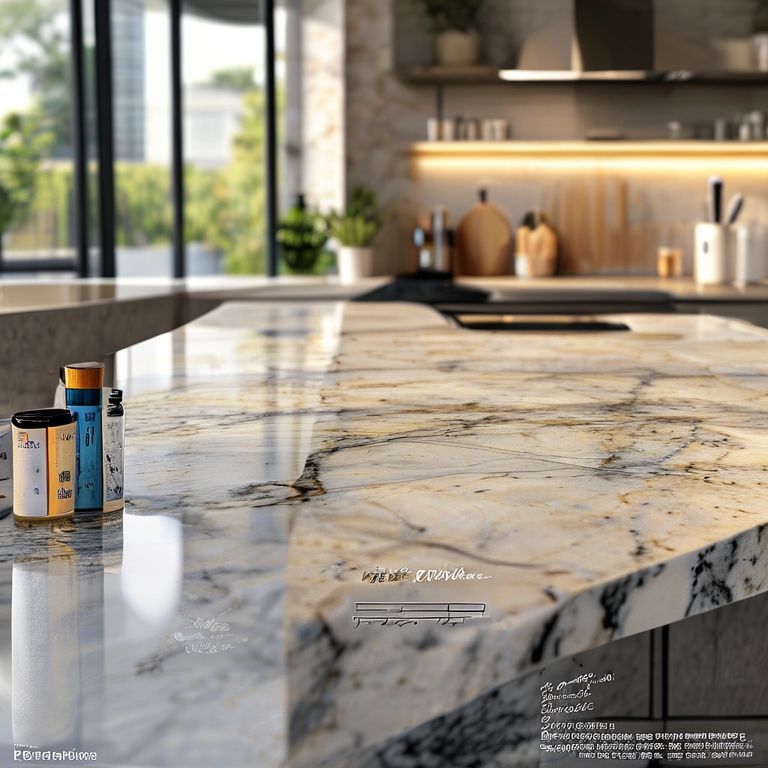
4. Affordability: In many cases, artificial stone countertops are more affordable than their natural stone counterparts. The lower cost is due to the manufacturing process, which doesn’t require the same extensive mining and quarrying operations as natural stone.
5. Low Maintenance: Artificial stone requires minimal upkeep. Unlike natural stone, which often needs sealing to protect it from stains, artificial stone doesn’t require frequent maintenance. Simply wiping it down with a damp cloth and a mild cleaner is usually sufficient to keep it looking pristine.
6. Lightweight: Artificial stone is significantly lighter than natural stone. This is a huge advantage during installation, as it reduces the load on the cabinets and the structure of the home, making the installation process smoother and less labor-intensive.
Potential Drawbacks of Artificial Stone Countertops
1. Heat Sensitivity: While artificial stone is durable, it is not completely heat-proof. Hot pots and pans can leave temporary rings on the surface. To avoid this, it’s best to use trivets or heat-resistant pads when placing hot items on the countertop.
2. Surface Scratches: Although artificial stone is strong, it can still be scratched by sharp objects. To prevent this, avoid using knives or other sharp tools directly on the surface, and always use a cutting board.
3. Limited Natural Look: Despite its versatility, artificial stone can sometimes lack the natural beauty and unique character of genuine natural stone. For those who prefer the authenticity of natural stone, this might be a drawback.
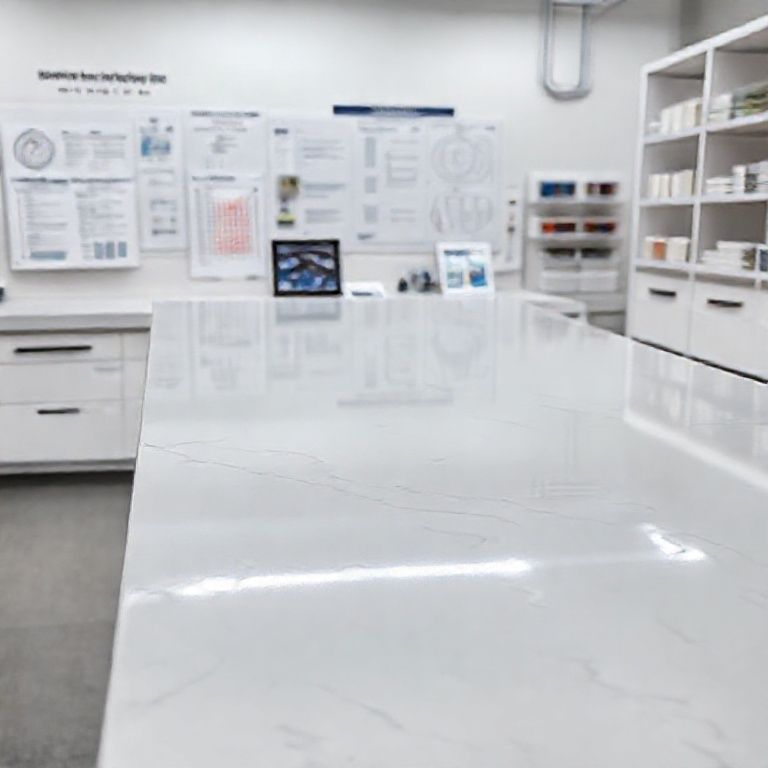
4. Environmental Concerns: The manufacturing process of artificial stone can involve the use of chemicals and synthetic materials, which might raise environmental concerns for some consumers.
Cleaning Tips for Artificial Stone Countertops
1. Regular Cleaning: To keep your artificial stone countertop looking its best, clean it regularly with a mild, non-abrasive cleaner. A simple solution of water and vinegar works wonders for removing everyday spills and stains.
2. Addressing Stains: For tougher stains, consider using a commercial cleaner specifically designed for artificial stone. Always follow the manufacturer’s instructions to avoid damaging the surface.
3. Avoiding Abrasives: Never use abrasive cleaners or scrubbing pads on your artificial stone countertop. These can scratch the surface and dull its appearance. Instead, opt for soft cloths and gentle cleaning products.
4. Immediate Spill Management: For spills, especially from acidic substances like wine or juice, it’s important to wipe them up immediately to prevent stains. If a stain does occur, treat it promptly with a suitable cleaner.
5. Heat Protection: To avoid heat rings, always use trivets or heat-resistant pads when placing hot items on the countertop. This simple precaution can save you a lot of cleaning effort in the long run.
6. Sealing (Optional): While artificial stone doesn’t typically require sealing, you might choose to do so if you’re concerned about specific stains. If you decide to seal your countertop, make sure to use a product that’s specifically recommended for artificial stone and follow the application instructions carefully.
Stay tuned for the second part of this guide where we will dive deeper into the maintenance tips and advanced cleaning methods for artificial stone countertops!
The Ultimate Guide to Artificial Stone Countertops: Pros, Cons, and Cleaning Methods Explained!
Welcome back! In the second part of our comprehensive guide, we will explore advanced maintenance tips and further cleaning methods for artificial stone countertops. We’ll also cover how to handle specific stains and minor repairs, ensuring your artificial stone remains pristine and beautiful for years to come.
Advanced Cleaning Methods for Artificial Stone Countertops
1. Deep Cleaning: For a thorough deep clean, consider using a commercial cleaner designed for artificial stone. These cleaners often contain stronger ingredients that can help remove deep-seated stains and grime. Always follow the manufacturer’s instructions and test a small, inconspicuous area first to ensure it doesn’t damage the surface.
2. Using a Soft Brush: When cleaning textured or intricately designed artificial stone, a soft-bristle brush can help reach into the fine lines without scratching the surface. Use it in conjunction with your cleaner for a more thorough clean.
3. Regular Maintenance: Regular maintenance is key to keeping your artificial stone countertop looking its best. Set a routine to clean the surface at least once a week with a damp cloth and mild cleaner. This will help prevent the build-up of grime and keep the surface sparkling.
Handling Specific Stains
1. Coffee and Tea Stains: For coffee and tea stains, a mixture of baking soda and water can be very effective. Sprinkle baking soda over the stain, then add a few drops of water to form a paste. Gently scrub the paste onto the stain using a soft cloth, then rinse with clean water and dry thoroughly.
2. Oil and Grease Stains: To tackle oil and grease, use a commercial cleaner that contains enzymes to break down the grease. Apply the cleaner to the stain, let it sit for a few minutes, then scrub gently with a soft cloth. Rinse and dry the area afterward.
3. Water Ring Removal: Hot water rings can be stubborn but can often be removed by using a commercial stone cleaner. Follow the instructions on the cleaner’s packaging, applying it to the ring and scrubbing gently with a soft cloth. Rinse and dry the area to ensure no residue is left behind.
Minor Repairs and Touch-Ups
1. Filling Small Cracks: If your artificial stone countertop has developed small cracks, you can use a filler specifically designed for artificial stone. Apply the filler to the crack using a small putty knife, then smooth it out with a damp cloth. Allow it to dry completely before wiping it down with a clean cloth.
2. Color Matching and Touch-Ups: For minor scratches or areas where the color has faded, a color-matching touch-up pen can be very effective. These pens are available in various colors and are designed to blend seamlessly with the surface of the artificial stone. Follow the manufacturer’s instructions for application and drying time.
Long-Term Care Tips
1. Use Cutting Boards: To avoid scratches and heat rings, always use a cutting board when preparing food on your artificial stone countertop. This is especially important when cutting meats, vegetables, or anything hot.
2. Avoid Overheating: While artificial stone is durable, prolonged exposure to high heat can cause discoloration. Avoid leaving hot pots and pans directly on the surface for extended periods, and use trivets whenever possible.
3. Regular Inspections: Regularly inspect your artificial stone countertop for any signs of damage or wear. Early detection of small issues can prevent them from becoming bigger problems. Clean and maintain your countertop regularly to ensure its longevity.
4. Professional Help: For more extensive repairs or if you’re unsure about a particular cleaning method, consider seeking help from a professional. They have the expertise and tools to ensure your countertop remains in perfect condition.
Conclusion
Artificial stone countertops offer an excellent combination of beauty, durability, and ease of maintenance, making them a popular choice for modern kitchens and bathrooms. By understanding the pros and cons, and following our detailed cleaning and maintenance tips, you can ensure your artificial stone countertop remains stunning for years to come.
Remember, the key to maintaining artificial stone is regular cleaning, prompt stain treatment, and avoiding damage through proper use. With these guidelines, your artificial stone countertop will continue to look beautiful and function flawlessly.
人造石台面在不同环境中的表现
1. 厨房: 在厨房中,人造石台面非常受欢迎。它们不仅耐污、易清洁,还能承受高温和高压。需要注意的是,长时间的高温接触可能会导致表面变色,因此在使用时应尽量避免直接放置热锅或烤箱。
2. 浴室: 人造石在浴室中也表现优秀。它们不吸水,因此不会发霉或软化,这对于潮湿环境来说非常重要。人造石台面通常不会受到水渍或肥皂渍的影响,保持长期的美观。
3. 办公室和商业空间: 在办公室和商业环境中,人造石台面因其耐用性和美观性而广受欢迎。它们能承受频繁的使用和清洁,并且可以定制各种复杂的设计,以满足不同的装饰需求。
最新的技术和趋势
1. 智能材料: 近年来,有一些新型人造石材料开始引入智能功能。例如,一些人造石可以吸附和分解空气中的有害物质,这对于提升室内空气质量非常有帮助。
2. 可再生材料: 随着环保意识的增强,一些制造商开始使用可再生材料来制造人造石。这些材料不仅减少了对环境的影响,还保持了传统人造石的优良性能。
3. 3D打印技术: 3D打印技术的进步使得制作复杂形状和设计变得更加简单和经济。这为人造石台面的个性化定制提供了更多的可能性。
4. 纳米涂层: 一些高端人造石现在采用了纳米涂层技术,以提供更强的抗菌和抗污能力。这些涂层不仅能有效阻止细菌生长,还能让表面更易于清洁。
未来的发展方向
1. 个性化定制: 随着3D打印和其他先进技术的发展,未来人造石台面将更加注重个性化定制。消费者可以选择不同的颜色、纹理和形状,以满足个人或家庭的独特需求。
2. 高性能材料: 研发更高性能、更环保的人造石材料将是未来的一个重要方向。这些材料将在耐久性、美观性和环保性方面表现得更加出色。
3. 智能化功能: 随着智能家居和办公的普及,未来的人造石台面可能会融合更多智能功能,如自清洁、空气净化等,以提供更多便利和舒适的使用体验。
总结
人造石台面因其优异的性能和多样化的设计而广受欢迎。随着技术的不断进步,未来的人造石将在性能、环保和智能化方面取得更大的突破,为我们的生活和工作环境带来更多的便利和美观。无论是家庭还是商业空间,选择合适的人造石台面都将是一个明智的选择。