The Ultimate Guide to Cabinet Countertop Stone Thickness: Ensuring Durability and Aesthetic Appeal
When it comes to kitchen design, the choice of cabinet countertop stone thickness plays a pivotal role in both the aesthetic appeal and the durability of your kitchen. Selecting the right thickness for your cabinet countertop stone is crucial for creating a space that not only looks beautiful but also withstands the test of time. In this first part of our guide, we will explore the various factors that influence the thickness of cabinet countertop stone and how to choose the perfect thickness for your kitchen.

Understanding Cabinet Countertop Stone Thickness
Cabinet countertop stone thickness typically ranges from 1 to 3 inches. However, the ideal thickness can vary depending on the type of stone chosen. Here are some common types of stone used for countertops and their recommended thicknesses:
Granite: Granite is known for its durability and natural beauty. It usually comes in a thickness range of 1.5 to 2.5 inches. The thicker the granite, the more robust it will be, but it may also be more expensive.
Marble: Marble offers a luxurious look but is less durable than granite. It is generally recommended to use marble slabs that are at least 1.5 inches thick to ensure it can withstand daily use.
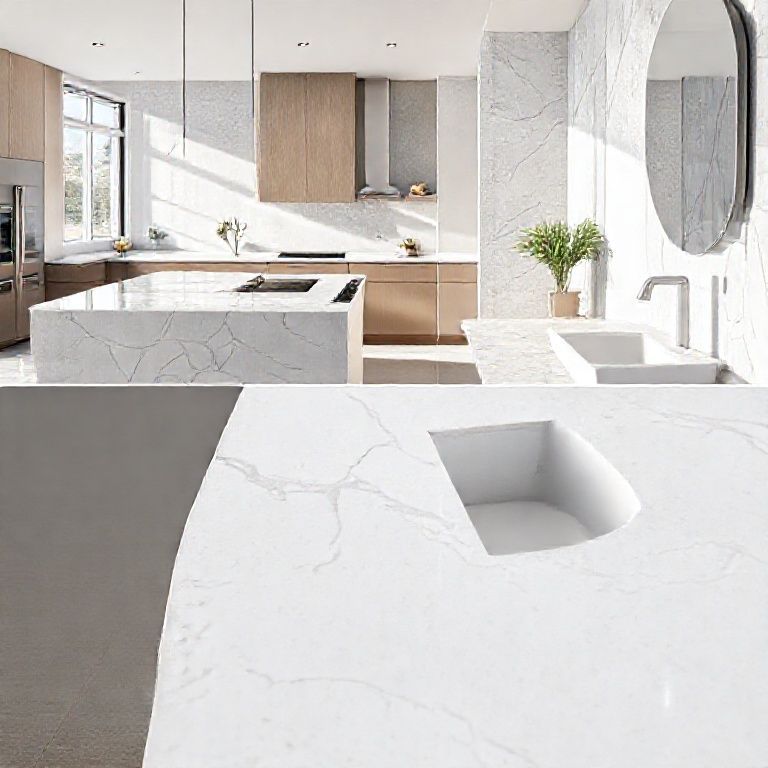
Quartz: Quartz is a composite stone that is highly durable and low maintenance. It can be used in various thicknesses, but 1 to 1.5 inches is commonly recommended to maintain a balance between durability and ease of installation.
Slate: Slate is a natural stone that is relatively affordable but can be brittle. A thickness of 1.5 to 2 inches is typically advised to ensure it can handle heavy use.
Factors Influencing Stone Thickness
Several factors should be taken into consideration when deciding on the thickness of your cabinet countertop stone:
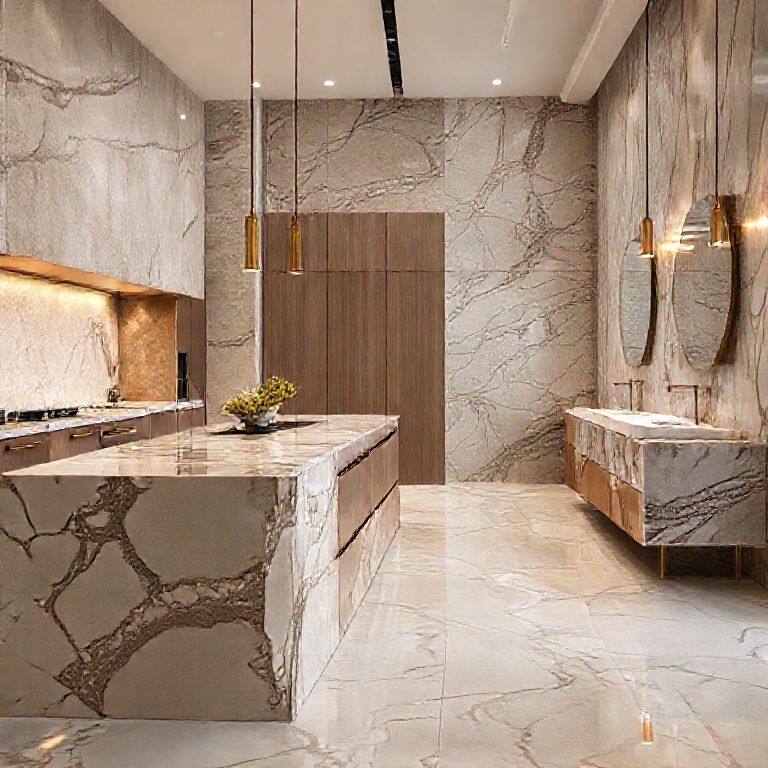
Durability Needs: The primary reason for selecting stone thickness is durability. Thicker stones generally offer better resistance to scratches, dents, and impacts. If your kitchen sees a lot of heavy use, opting for a thicker slab may be beneficial.
Installation Requirements: Different types of stone have different installation requirements. Some stones may require additional support or thicker backing, which can affect the final thickness of the countertop.
Aesthetic Preferences: The thickness of the stone can influence the overall look of your kitchen. Thicker slabs can provide a more substantial and elegant appearance, while thinner slabs may offer a more modern and minimalist aesthetic.
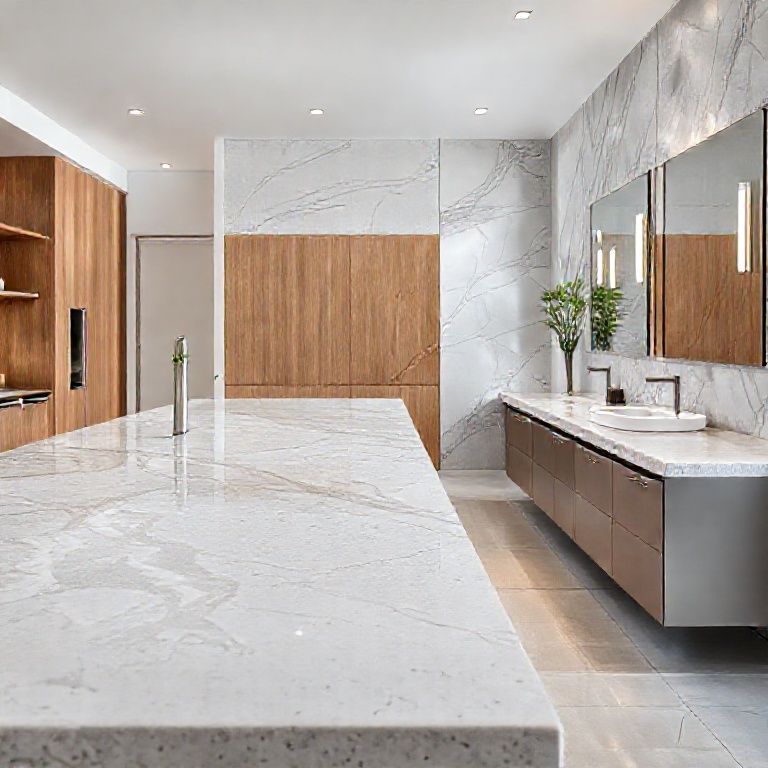
Budget: Thicker stones can be more expensive due to their weight and the additional labor required for installation. It’s important to balance your budget with your durability and aesthetic needs.
Choosing the Right Thickness
To choose the right thickness for your cabinet countertop stone, consider the following steps:
Assess Your Kitchen Usage: Determine how often and how heavily your kitchen will be used. If you have large families or frequent entertaining, a thicker stone may be more suitable.
Consult with Professionals: Speak to stone suppliers and installers to get their expert advice on the best thickness for your specific type of stone and usage needs.
Consider Countertop Support: Ensure that your cabinetry can support the weight of the stone slab you choose. Proper support is crucial to prevent sagging or damage over time.
Explore Design Options: Visualize how different thicknesses will look in your kitchen. Thicker slabs can add a sense of grandeur, while thinner slabs can provide a sleek, contemporary look.
In the next part of this guide, we will delve deeper into the advantages of various stone thicknesses, how to maintain your stone countertops, and additional tips for choosing the perfect cabinet countertop stone thickness for your kitchen.
The Ultimate Guide to Cabinet Countertop Stone Thickness: Ensuring Durability and Aesthetic Appeal
In the previous part of our guide, we explored the factors that influence cabinet countertop stone thickness and how to choose the right thickness for your kitchen. In this second part, we will delve deeper into the advantages of various stone thicknesses, provide tips on maintaining your stone countertops, and offer additional insights to help you make the perfect choice for your kitchen design.
Advantages of Various Stone Thicknesses
Different stone thicknesses offer unique benefits that can cater to different needs and preferences:
Thicker Slabs (2-3 inches)
Enhanced Durability: Thicker slabs provide superior resistance to scratches, dents, and impacts. They can withstand heavy use and daily wear and tear without showing signs of damage.
Longevity: Due to their durability, thicker slabs often have a longer lifespan, reducing the need for frequent replacements or repairs.
Aesthetic Appeal: Thicker slabs can add a sense of grandeur and elegance to your kitchen. They can complement traditional and classic kitchen designs, providing a robust and timeless look.
Medium Slabs (1.5-2 inches)
Balanced Durability: Medium-thickness slabs offer a good balance between durability and ease of installation. They are resistant to everyday wear and tear while being more manageable for installation.
Versatility: Medium slabs are versatile and can fit a variety of kitchen designs, from modern to traditional.
Cost-Effective: Generally, medium slabs offer a more cost-effective option without compromising much on durability.
Thinner Slabs (1 inch)
Modern and Minimalist Look: Thinner slabs provide a sleek and contemporary look that is ideal for modern and minimalist kitchen designs.
Ease of Installation: Thinner slabs are easier to install and can be used with minimal support, making them a practical choice for certain designs.
Affordability: Thinner slabs are often more affordable, making them a budget-friendly option without sacrificing style.
Tips for Maintaining Your Stone Countertops
Regardless of the thickness, maintaining your stone countertops is essential to ensure they look their best and last as long as possible. Here are some tips for caring for your stone countertops:
Use Appropriate Cleaners: Always use stone-specific cleaners and avoid abrasive pads or sponges that can scratch the surface. Look for cleaners that are pH-neutral to prevent damage to the stone.
Avoid Acidic Foods: Acidic foods and beverages, such as tomatoes, citrus fruits, and vinegar, can etch the stone surface over time. Use cutting boards and avoid placing acidic foods directly on the countertops.
Seal the Stone: Regular sealing of the stone can help protect it from stains and spills. Follow the manufacturer’s instructions for the best results.
Clean Spills Immediately: Wipe up spills and stains as soon as they occur to prevent them from setting into the stone. This is especially important for heavier foods and beverages.
Use Coasters and Trivets: To protect your stone countertops from heat, always use coasters under glasses and mugs, and trivets under pots and pans.
Additional Tips for Choosing the Perfect Stone Thickness
When choosing the perfect stone thickness for your kitchen, consider the following additional tips:
Evaluate Weight: Thicker slabs are heavier, so ensure that your cabinetry and flooring can support the weight. Consider the overall weight distribution in your kitchen.
Check Compatibility with Kitchen Design: The thickness of the stone should complement your kitchen’s design style. Thicker slabs work well with traditional designs, while thinner slabs fit modern and minimalist aesthetics.
Consider Installation Logistics: Thinner slabs are easier to cut and install, which can be a significant advantage if you are doing the installation yourself. Thicker slabs may require professional installation.
Future-Proof Your Kitchen: Think about the long-term durability and maintenance of your kitchen. Choosing a stone thickness that offers durability and low maintenance can save you time and money in the future.
By carefully considering these factors and following our tips, you can make an informed decision that will result in a beautiful, durable, and functional kitchen.
In conclusion, choosing the right cabinet countertop stone thickness is a crucial aspect of kitchen design that balances durability, aesthetic appeal, and practicality. By understanding the different types of stone and their recommended thicknesses, assessing your kitchen’s usage, and maintaining your stone countertops properly, you can create a kitchen that looks stunning and lasts for years to come.