Introduction
When it comes to choosing the perfect countertop for your kitchen or bathroom, the options can seem endless. Among the most popular choices are artificial stone and quartz. Both materials have gained immense popularity for their durability, aesthetic appeal, and ease of maintenance. However, there are nuanced differences that can make one a better fit for your space than the other. This article will delve into the material properties, durability, maintenance, and design versatility of both artificial stone and quartz countertops to help you make an informed decision.

Material Properties
Artificial Stone:
Artificial stone, also known as cultured marble, is a composite material made from natural stone, such as limestone, combined with resins and pigments. This combination results in a product that mimics the look and feel of traditional marble while being significantly less expensive. The primary ingredients in artificial stone are marble dust, acrylic resin, and pigments, which are mixed and poured into molds to create countertops.
Advantages:
Aesthetic Variety: Artificial stone offers a wide range of colors and patterns that can closely mimic natural marble. This flexibility allows designers to create unique and custom designs. Weight: Typically, artificial stone is lighter than natural stone, making it easier to handle during installation. Cost: Generally, artificial stone is more affordable than traditional marble, making it an accessible option for many homeowners.
Quartz:
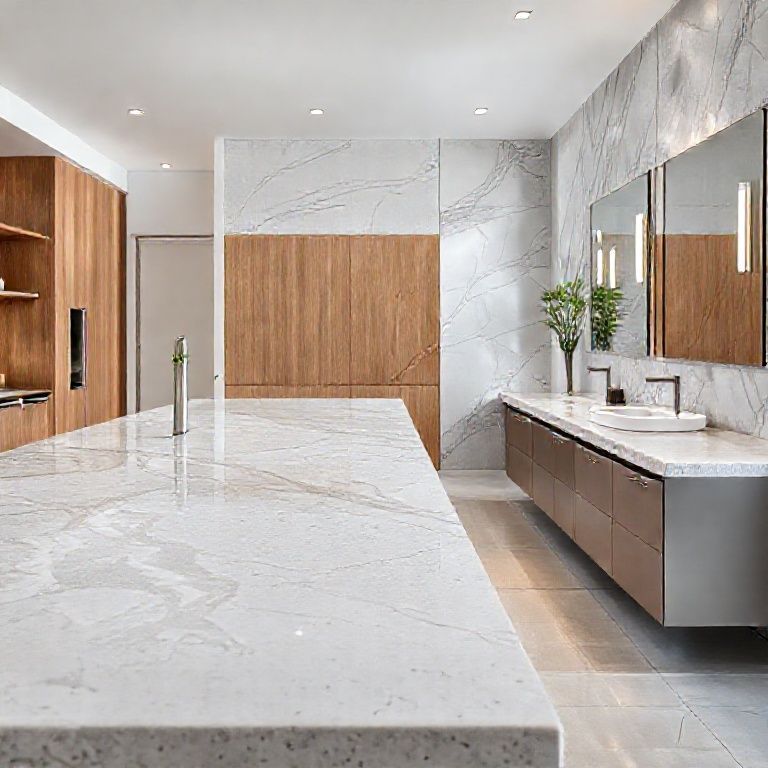
Quartz, on the other hand, is a solid surface made from 94% quartz powder and 6% resin. It is produced by a proprietary process called the Silestone process, which involves compressing and curing the mixture at high temperatures and pressures. This process results in a material that is incredibly hard and resistant to scratches, stains, and heat.
Advantages:
Strength and Durability: Quartz is renowned for its hardness, ranking a 7 on the Mohs scale, making it highly resistant to scratches, stains, and heat. Chemical Resistance: Quartz is virtually unaffected by acids, alkalis, and other chemicals, making it an excellent choice for kitchens and laboratories. Low Maintenance: Its non-porous nature means that spills and stains do not penetrate the surface, making cleaning a breeze.
Durability
Artificial Stone:
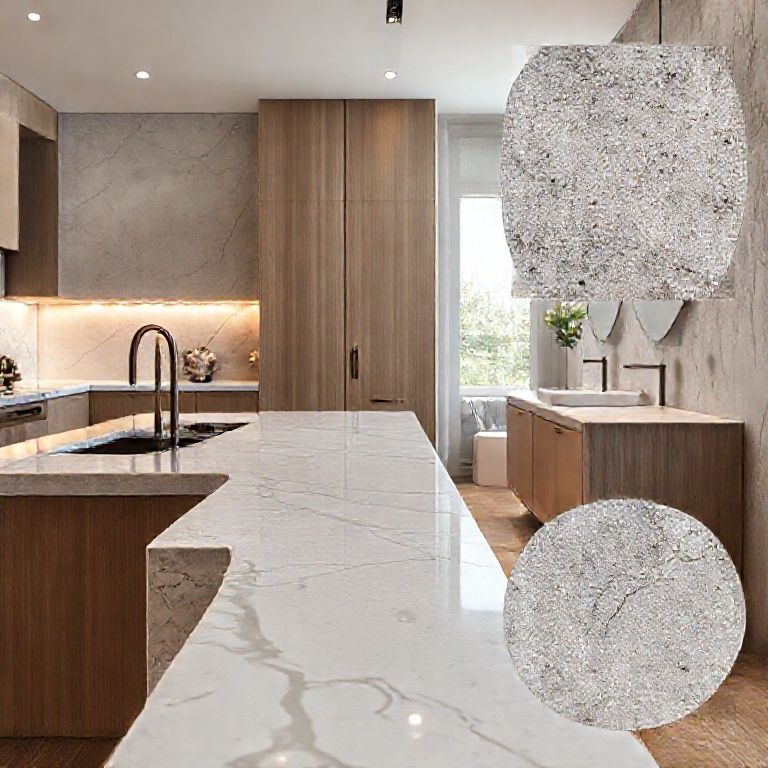
While artificial stone is durable and suitable for a variety of applications, it is not as robust as quartz. The primary durability issues with artificial stone arise from its composition. Over time, the resin binding the marble dust can degrade, leading to surface cracking and dulling. Moreover, artificial stone is somewhat susceptible to staining, especially from acidic substances like lemon juice and vinegar.
Pros:
Flexibility: Artificial stone’s ability to mold and shape makes it suitable for intricate designs and custom shapes. Ease of Installation: Due to its lighter weight, artificial stone is easier to install compared to heavier natural stone options.
Cons:
Staining: While not as porous as natural marble, artificial stone can still stain, although it is generally easier to clean than natural stone. Aging: Over time, artificial stone can lose its luster and develop surface cracks.
Quartz:
Quartz stands out for its superior durability. The high-pressure curing process ensures that the material is exceptionally strong and resistant to wear and tear. Its non-porous nature means that spills and stains do not penetrate the surface, making it incredibly easy to clean and maintain.
Pros:
Longevity: Quartz countertops have an extremely long lifespan, often lasting the entire life of a home. Heat Resistance: Its ability to withstand high temperatures makes it an ideal choice for cooktops and ovens.
Cons:
Cost: Although quartz is more expensive than artificial stone, the durability and low maintenance often justify the cost. Installation: Due to its hardness and density, quartz countertops can be more challenging to install.
Maintenance
Artificial Stone:
Maintaining artificial stone countertops is relatively straightforward. They can be cleaned with a mild soap and water solution or a specialized stone cleaner. For tougher stains, a gentle abrasive cleaner can be used, but care must be taken to avoid scratching the surface. It’s essential to avoid using acidic cleaners, as these can damage the resin binding in the stone.
Tips:
Use Coasters: To prevent staining and potential scratching, always use coasters for hot drinks and acidic items. Regular Cleaning: Regular cleaning with mild detergents will keep the surface looking new.
Quartz:
Quartz countertops are designed to be low-maintenance. Since they are non-porous, spills and stains do not penetrate the surface, making them incredibly easy to clean. A simple wipe with a damp cloth and mild soap or a dedicated quartz cleaner will suffice. For tougher spots, a soft-bristled brush can be used, but extreme care should be taken to avoid scratching the surface.
Tips:
Avoid Abrasive Cleaners: Using abrasive cleaners or scouring pads can scratch the surface of quartz. Use Coasters: As with artificial stone, using coasters for hot drinks and acidic items will protect the surface.
Design Versatility
Artificial Stone:
Artificial stone offers an impressive level of design versatility. The combination of marble dust and resin allows for a wide range of colors and patterns, closely mimicking natural marble. This versatility makes artificial stone an excellent choice for custom designs and intricate shapes. Designers can create unique patterns and finishes that cater to specific aesthetic preferences.
Pros:
Customization: Artificial stone can be molded into any shape, allowing for custom designs that suit your unique needs. Color Options: A wide variety of colors and patterns are available, making it easy to match any decor style.
Cons:
Durability Issues: As mentioned, artificial stone is not as durable as other materials, which may limit its longevity.
Quartz:
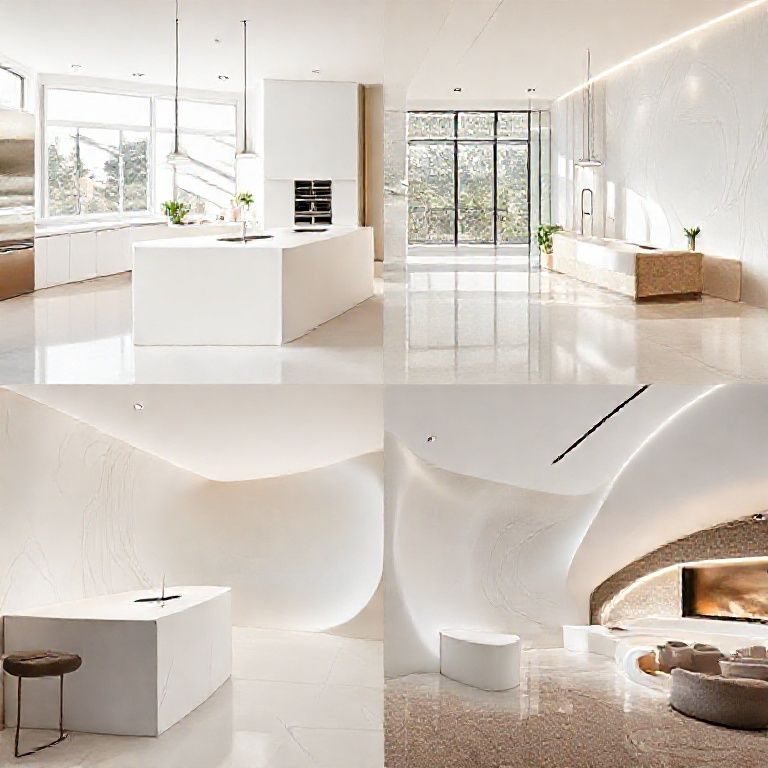
Quartz’s design versatility lies in its ability to maintain a sleek, modern look. Its uniform surface and resistance to stains and scratches make it a popular choice for contemporary designs. While quartz offers fewer color and pattern options compared to artificial stone, it provides a high level of uniformity and a clean, minimalist aesthetic.
Pros:
Consistency: Quartz maintains a consistent appearance, making it ideal for modern, sleek designs. Low Maintenance: Its non-porous nature means it is easy to clean and maintain.
Cons:
Limited Colors: Quartz offers fewer color options compared to artificial stone.
Conclusion
Both artificial stone and quartz countertops have their unique advantages and disadvantages. Artificial stone offers a wide range of colors and patterns, making it ideal for custom designs and intricate shapes. However, its durability and resistance to stains can be somewhat limited. On the other hand, quartz countertops boast superior durability, strength, and low maintenance, making them an excellent choice for long-term use. However, quartz’s limited color options and higher cost may not appeal to everyone.
When choosing between artificial stone and quartz, consider your specific needs, budget, and design preferences. Both materials can provide beautiful and functional countertops, but the best choice ultimately depends on what you value most in your kitchen or bathroom space.
Installation and Cost
Artificial Stone:
Installing artificial stone countertops is relatively straightforward. Due to its lighter weight, installation is often less complex than with heavier natural stone options. However, the process can vary depending on the specific design and thickness of the countertop. Generally, a professional installation is recommended to ensure a seamless and professional finish.
Installation Process:
Measurement and Cut: Measure the area where the countertop will be installed, and cut the artificial stone to fit. Precision is key to avoid any gaps or misalignments. Adhesion: Apply a strong adhesive to the back of the countertop and carefully place it onto the surface. Ensure it is aligned correctly. Clamping: Use clamps to hold the countertop in place while the adhesive cures. Finishing: Once the adhesive has set, remove the clamps and clean any excess adhesive from around the edges.
Cost: Artificial stone is generally more affordable than quartz, making it a cost-effective choice for many homeowners. The cost of artificial stone countertops typically ranges from $30 to $60 per square foot, depending on the design and quality of the material.
Quartz:
Installing quartz countertops can be more challenging due to their hardness and density. Professional installation is often recommended to ensure a flawless finish. The process is similar to that of artificial stone but requires more precision to avoid damaging the surface.
Installation Process:
Measurement and Cut: Measure the area where the countertop will be installed, and cut the quartz to fit. Precision is essential to avoid gaps or misalignments. Adhesion: Apply a strong adhesive to the back of the countertop and carefully place it onto the surface. Ensure it is aligned correctly. Clamping: Use clamps to hold the countertop in place while the adhesive cures. Finishing: Once the adhesive has set, remove the clamps and clean any excess adhesivefrom around the edges.
Cost:
Quartz countertops are generally more expensive than artificial stone due to their superior durability and low maintenance properties. The cost of quartz countertops typically ranges from $50 to $80 per square foot, depending on the design, quality, and any additional features like edge profiles or custom shapes.
Longevity and Durability
Artificial Stone:
While artificial stone is durable and suitable for many applications, it does not match the longevity and durability of quartz. Over time, the resin binding the marble dust in artificial stone can degrade, leading to surface cracking and dulling. Additionally, while it is less prone to staining than natural stone, it is still susceptible to acidic substances and can lose its luster with prolonged exposure to heat and moisture.
Quartz:
Quartz stands out for its exceptional durability and longevity. The high-pressure curing process ensures that the material is incredibly strong and resistant to wear and tear. Its non-porous nature means that spills and stains do not penetrate the surface, making it virtually unaffected by acids, alkalis, and other chemicals. Quartz countertops are known for their long lifespan, often lasting the entire life of a home.
Maintenance
Artificial Stone:
Maintaining artificial stone countertops is relatively straightforward. They can be cleaned with a mild soap and water solution or a specialized stone cleaner. For tougher stains, a gentle abrasive cleaner can be used, but care must be taken to avoid scratching the surface. It’s essential to avoid using acidic cleaners, as these can damage the resin binding in the stone.
Tips:
Use Coasters: To prevent staining and potential scratching, always use coasters for hot drinks and acidic items. Regular Cleaning: Regular cleaning with mild detergents will keep the surface looking new.
Quartz:
Quartz countertops are designed to be low-maintenance. Since they are non-porous, spills and stains do not penetrate the surface, making them incredibly easy to clean. A simple wipe with a damp cloth and mild soap or a dedicated quartz cleaner will suffice. For tougher spots, a soft-bristled brush can be used, but extreme care should be taken to avoid scratching the surface.
Tips:
Avoid Abrasive Cleaners: Using abrasive cleaners or scouring pads can scratch the surface of quartz. Use Coasters: As with artificial stone, using coasters for hot drinks and acidic items will protect the surface.
Design Versatility
Artificial Stone:
Artificial stone offers an impressive level of design versatility. The combination of marble dust and resin allows for a wide range of colors and patterns, closely mimicking natural marble. This versatility makes artificial stone an excellent choice for custom designs and intricate shapes. Designers can create unique patterns and finishes that cater to specific aesthetic preferences.
Pros:
Customization: Artificial stone can be molded into any shape, allowing for custom designs that suit your unique needs. Color Options: A wide variety of colors and patterns are available, making it easy to match any decor style.
Cons:
Durability Issues: As mentioned, artificial stone is not as durable as other materials, which may limit its longevity.
Quartz:
Quartz’s design versatility lies in its ability to maintain a sleek, modern look. Its uniform surface and resistance to stains and scratches make it a popular choice for contemporary designs. While quartz offers fewer color and pattern options compared to artificial stone, it provides a high level of uniformity and a clean, minimalist aesthetic.
Pros:
Consistency: Quartz maintains a consistent appearance, making it ideal for modern, sleek designs. Low Maintenance: Its non-porous nature means it is easy to clean and maintain.
Cons:
Limited Colors: Quartz offers fewer color options compared to artificial stone.
Conclusion
Both artificial stone and quartz countertops have their unique advantages and disadvantages. Artificial stone offers a wide range of colors and patterns, making it ideal for custom designs and intricate shapes. However, its durability and resistance to stains can be somewhat limited. On the other hand, quartz countertops boast superior durability, strength, and low maintenance, making them an excellent choice for long-term use. However, quartz’s limited color options and higher cost may not appeal to everyone.
When choosing between artificial stone and quartz, consider your specific needs, budget, and design preferences. Both materials can provide beautiful and functional countertops, but the best choice ultimately depends on what you value most in your kitchen or bathroom space.
Final Thoughts:
Budget Considerations: If budget is a primary concern, artificial stone may be a more cost-effective option. Design Preferences: If you prefer a wide range of colors and patterns, artificial stone offers more versatility. Durability and Maintenance: If durability and low maintenance are your top priorities, quartz is the clear winner.
By carefully weighing these factors, you can make an informed decision that will best suit your needs and enhance the beauty and functionality of your space.