The Ultimate Guide to Calculating the Price of Artificial Marble: An In-Depth Exploration
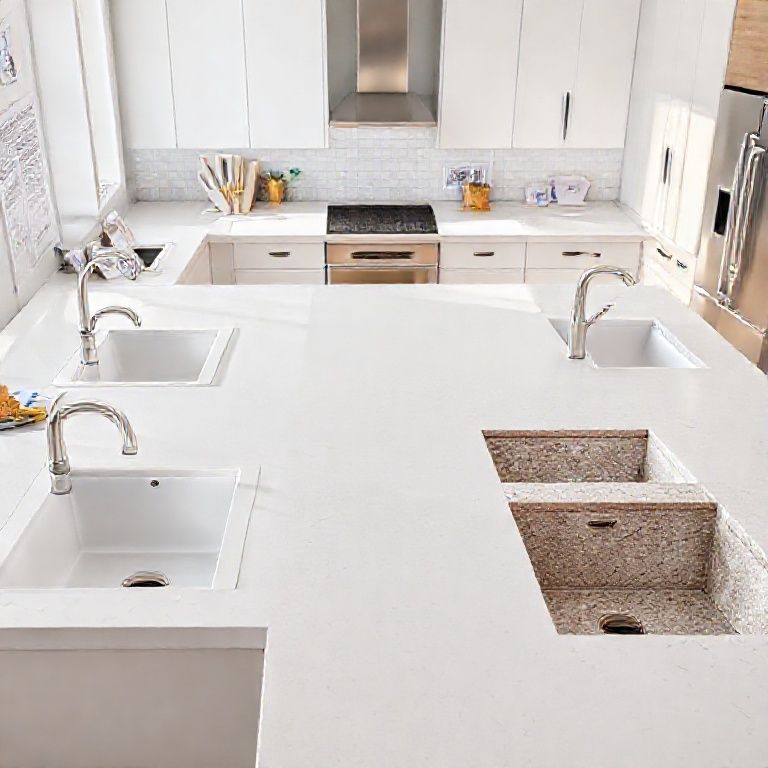
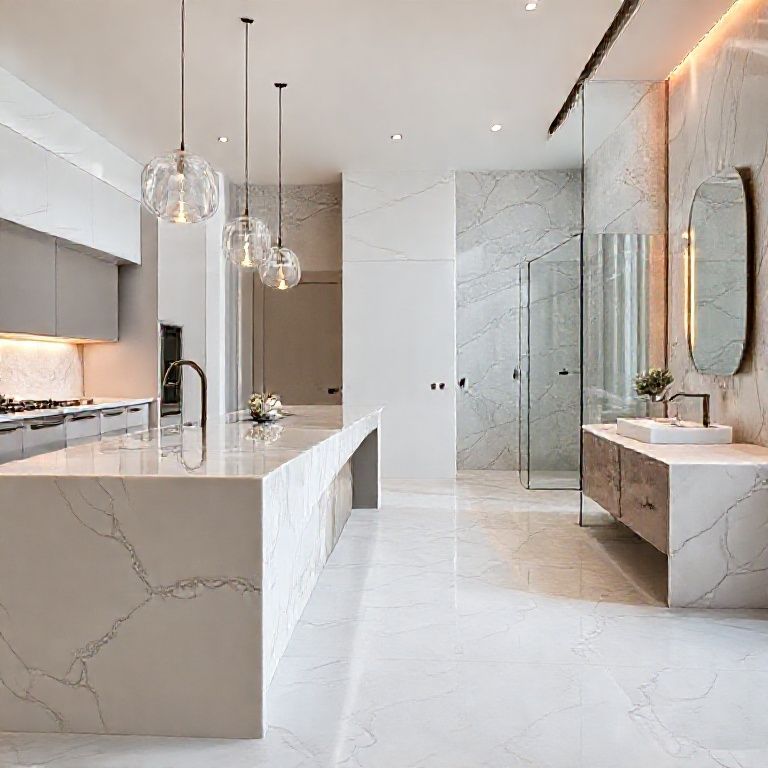
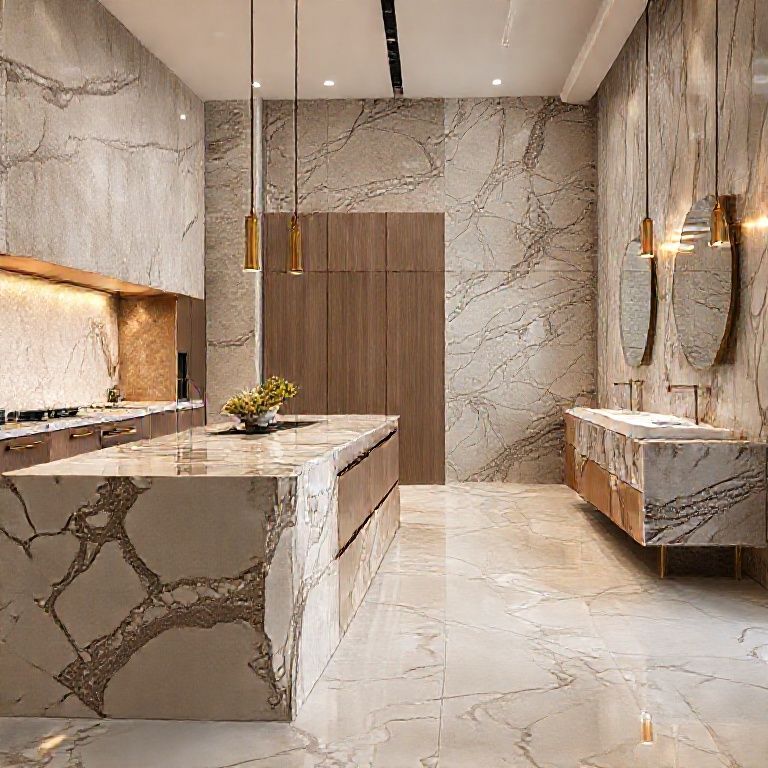
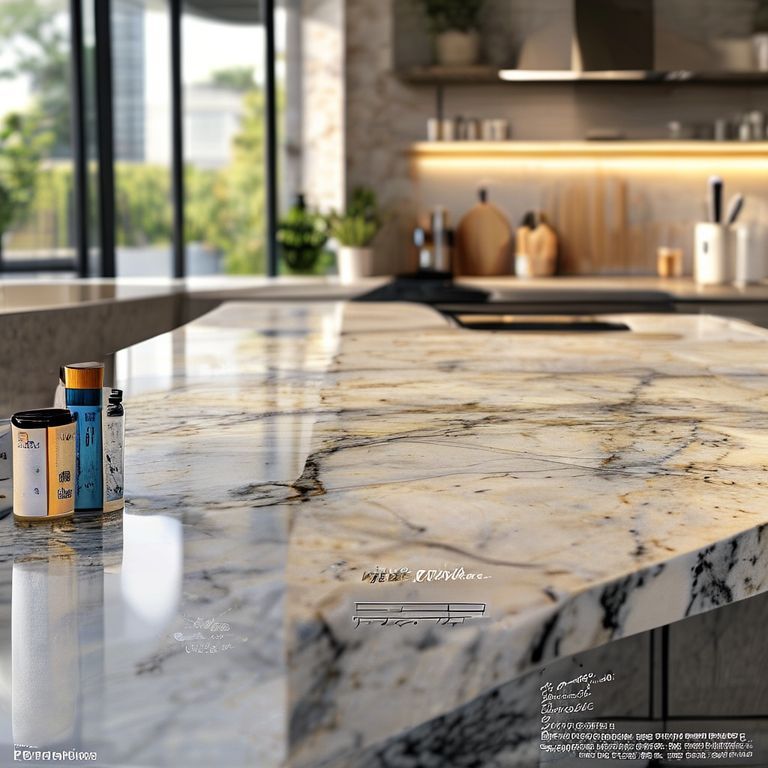
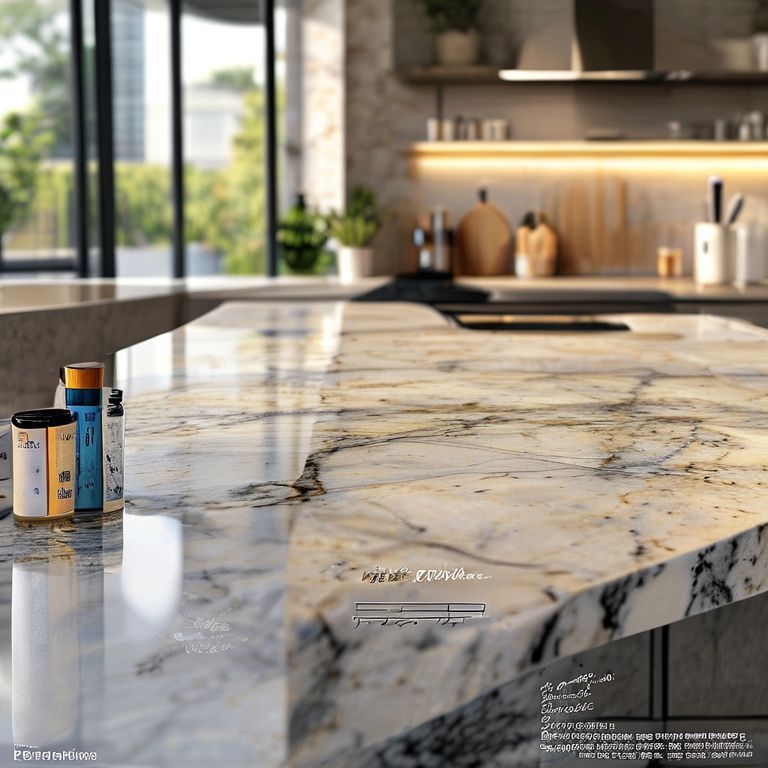
Artificial marble, also known as cultured marble, has become a popular choice for countertops, sinks, and other surfaces in both residential and commercial projects due to its durability, aesthetic appeal, and cost-effectiveness. However, understanding the precise cost of artificial marble, especially when referred to as “干挂大理石” (dry-set marble) in Chinese, requires a closer look at several factors. Let’s delve into the intricacies of calculating the price of artificial marble in this comprehensive guide.
Understanding Artificial Marble
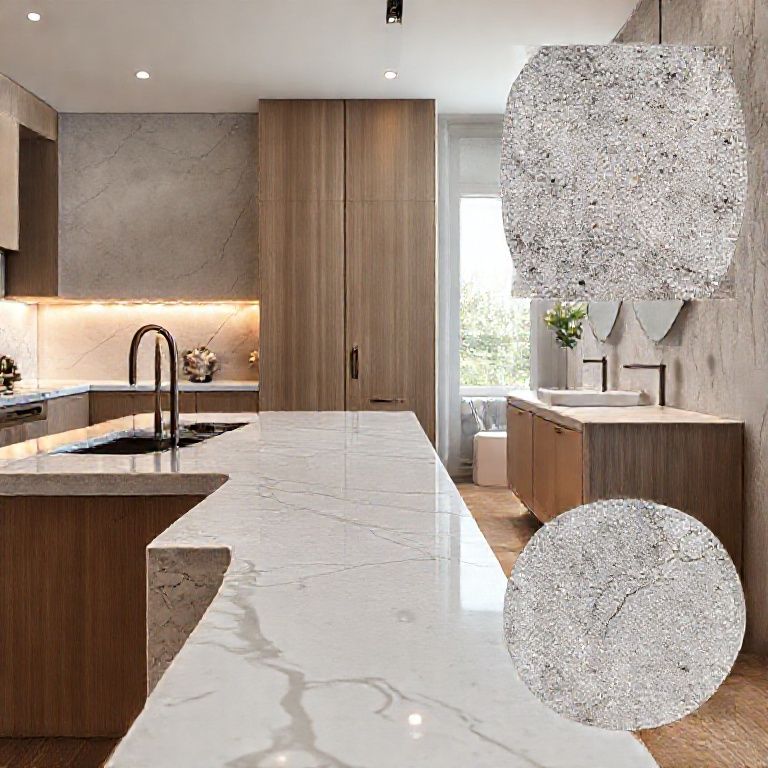
Artificial marble is a composite material made primarily from limestone, acrylic resin, and other additives. This combination produces a stone that mimics the appearance and durability of natural marble but at a fraction of the cost. The term “干挂大理石” specifically refers to the dry-set process, where the material is mixed and set without using heat, making it easier to mold and shape.
Key Factors Influencing Artificial Marble Pricing
Material Composition
The base materials play a crucial role in determining the price of artificial marble. Higher quality limestone and superior acrylic resins increase the cost. The additives used to enhance durability and color stability also affect pricing. Premium formulations will naturally cost more than standard versions.
Production Process
The method of production is another significant factor. The dry-set process (干挂大理石) is generally less expensive than traditional heat-setting methods because it requires less energy and fewer specialized tools. However, the complexity of the design and the need for skilled labor can still drive up costs.
Design and Customization
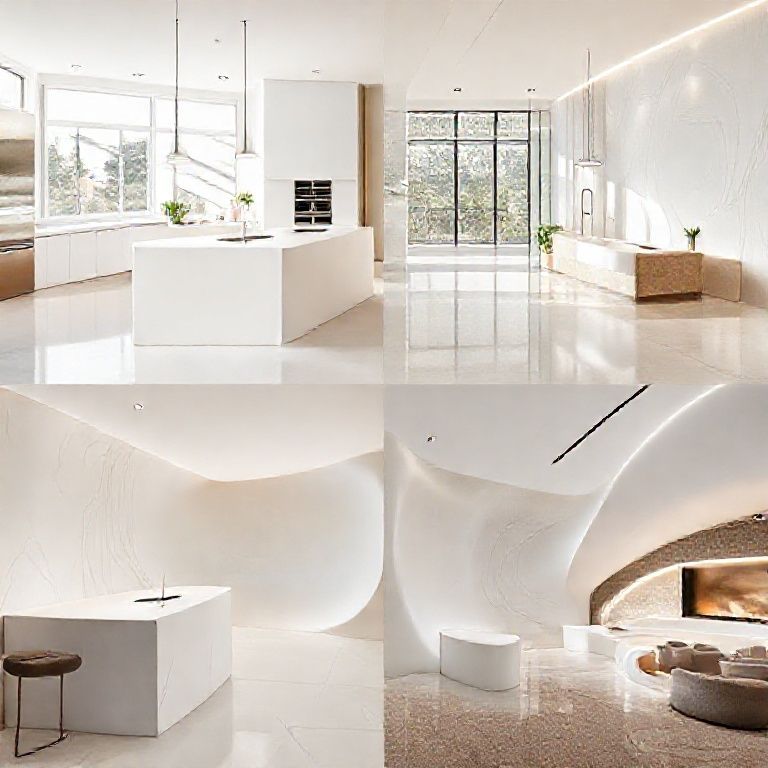
Custom designs and intricate patterns can greatly influence the price. Artificial marble that requires complex molds or detailed carvings will typically cost more than standard slabs. Custom colors and finishes also add to the overall expense.
Market Demand and Supply
Like any product, market demand and supply dynamics affect pricing. If a particular color or finish is in high demand, it may cost more. Conversely, if there is an oversupply, prices may drop to encourage sales.
Calculating the Price of Artificial Marble
To calculate the price of artificial marble, several steps need to be taken to ensure accuracy and transparency. Here’s a breakdown:
1. Material Cost
Firstly, determine the cost of the base materials. This includes limestone, resin, and other additives. Suppliers often provide detailed breakdowns of these costs, which should be factored into the overall price.
2. Labor Costs
Labor is a critical component in the pricing of artificial marble, especially if custom designs are involved. Skilled artisans are required to mix the materials, pour them into molds, and finish the product. Labor costs can vary widely based on regional wages and the complexity of the project.
3. Mold and Tooling Costs
Creating custom molds for unique shapes and designs can be costly. High-quality molds made from durable materials like steel or aluminum add to the expense. However, these molds can be reused multiple times, spreading the initial cost over many projects.
4. Finishing and Quality Control
Post-production finishing processes such as polishing, sealing, and applying protective coatings can significantly impact the price. Higher-quality finishes and additional protective layers will increase costs.
5. Shipping and Handling
Transportation costs must also be included. If the artificial marble is being shipped over long distances, additional handling fees may apply.
Conclusion
Calculating the price of artificial marble involves a detailed understanding of material costs, production processes, labor, and market dynamics. By considering these factors, you can make informed decisions about your artificial marble purchases, ensuring you get the best value for your investment. In the next part of this guide, we will explore additional considerations and trends in the artificial marble market, providing further insights into making the most of this versatile material.
The Ultimate Guide to Calculating the Price of Artificial Marble: An In-Depth Exploration
Continuing our detailed exploration into the pricing of artificial marble, this second part will focus on additional considerations and market trends that influence the cost of artificial marble, including “干挂大理石.” Understanding these elements will help you navigate the complexities of this market and make well-informed purchasing decisions.
Additional Considerations in Pricing
1. Bulk Purchase Discounts
Purchasing artificial marble in large quantities often comes with discounts. Bulk orders can reduce per-unit costs, making it a more economical choice for extensive projects. Suppliers may offer volume discounts, so negotiating these terms can lead to significant savings.
2. Warranty and Guarantees
Warranty and guarantee terms can affect pricing. Manufacturers often offer warranties that cover defects and performance issues, which can add a layer of security to your investment. While these warranties typically come at an additional cost, they may be worthwhile depending on the duration and scope of the coverage.
3. Installation Costs
While not always a direct cost to the buyer, installation can be an important factor in the overall price of artificial marble. Professional installation ensures proper fitting and longevity of the material. Whether you opt for DIY or professional installation, understanding these costs is essential.
4. Environmental and Sustainability Factors
With increasing emphasis on sustainability, some artificial marble manufacturers are investing in eco-friendly materials and processes. These green alternatives might be more expensive upfront but could result in long-term savings and appeal to environmentally conscious buyers.
Market Trends in Artificial Marble Pricing
1. Innovations in Material Science
Advancements in material science continually push the boundaries of what artificial marble can achieve. Innovations such as enhanced durability, improved aesthetics, and more sustainable production methods often lead to higher initial costs but can offer better long-term value.
2. Global Supply Chain Dynamics
Global supply chain disruptions can impact artificial marble pricing. Events such as pandemics, geopolitical tensions, and natural disasters can lead to fluctuations in the availability and cost of raw materials, affecting overall prices.
3. Consumer Preferences
Consumer demand for specific colors, finishes, and designs can drive up prices. Trends like the resurgence of natural stone aesthetics or the popularity of minimalist designs can influence market trends and pricing strategies.
4. Technological Advancements
Technological advancements in manufacturing processes can reduce production costs and improve quality, leading to more competitive pricing. Innovations such as 3D printing and advanced mold-making techniques are likely to shape future pricing trends.
Conclusion
Calculating the price of artificial marble is a multifaceted process that requires careful consideration of material composition, production methods, labor costs, market demand, and other dynamic factors. By understanding these elements, you can make informed decisions about your artificial marble purchases and leverage the best options available.
In addition to these considerations, staying informed about market trends and technological advancements will help you navigate the ever-evolving landscape of artificial marble pricing. Whether you are a designer, contractor, or homeowner, this comprehensive guide provides the insights you need to make the most of artificial marble in your projects.
In summary, whether you are interested in the specifics of “干挂大理石” or general artificial marble pricing, this guide offers a thorough understanding of the factors that influence cost, ensuring you can confidently make choices that meet both your aesthetic and budgetary needs.