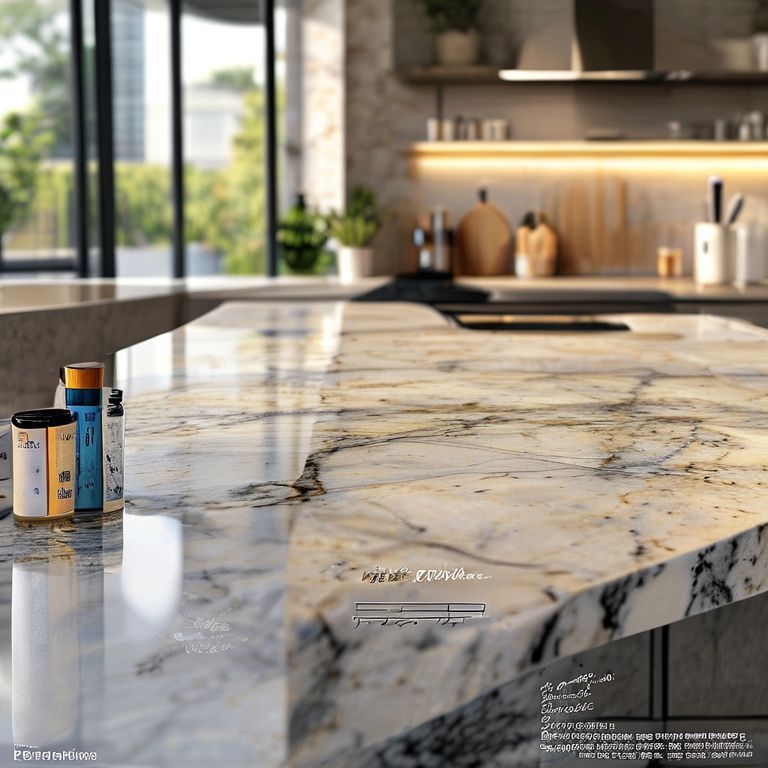
The Rise of Artificial Stone in Modern Renovations
In recent years, the world of interior design and home renovation has seen a remarkable shift towards artificial stone. Known for its sleek appearance and impressive versatility, artificial stone has become a preferred choice for homeowners and businesses alike. But what exactly makes artificial stone so appealing, and why is it gaining such traction in the market?
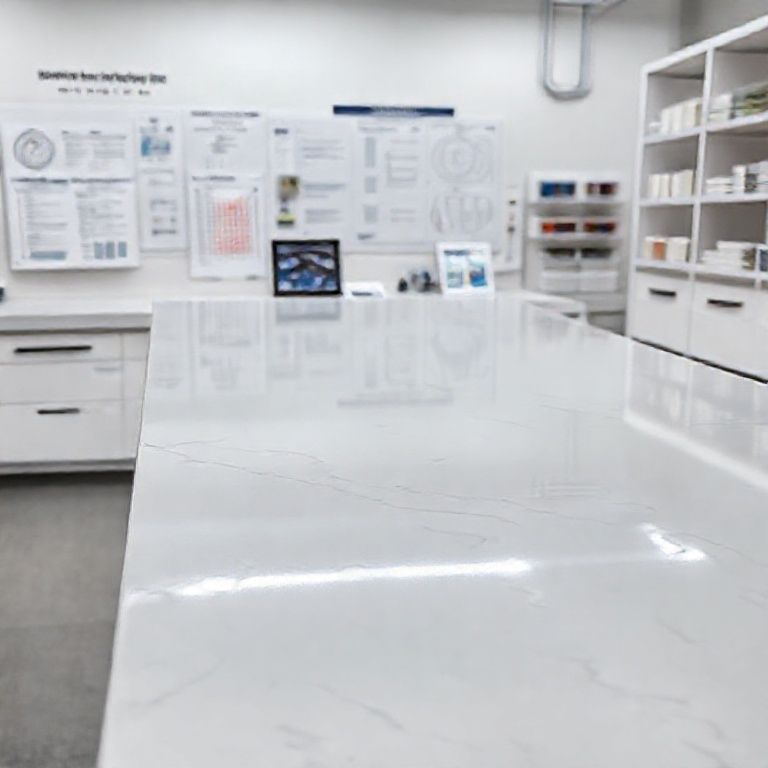
The Allure of Artificial Stone
Artificial stone, often referred to as synthetic stone, is a composite material made from a blend of natural stone powders and polymers. This combination results in a material that closely mimics the look and feel of natural stone while offering a host of advantages. The most popular types of artificial stone include quartz and stone look composites. These materials are celebrated for their high-end aesthetics, which can rival the most exquisite natural stones.
Durability and Strength
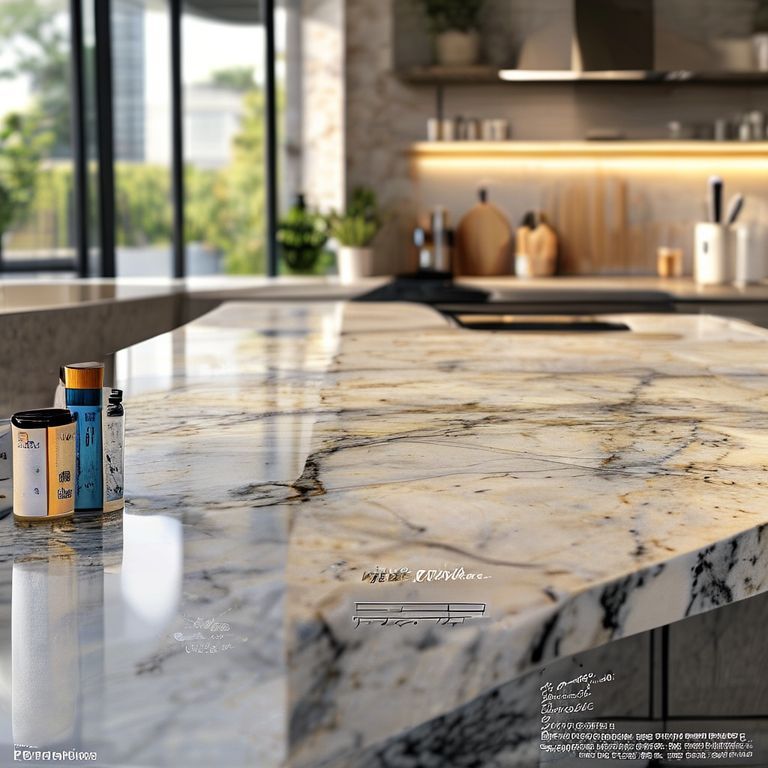
One of the standout features of artificial stone is its durability. Unlike natural stone, which can be prone to scratching, chipping, and staining, artificial stone offers a virtually indestructible surface. This makes it an excellent choice for high-traffic areas where wear and tear are inevitable. Artificial stone countertops, for instance, can withstand the rigors of daily use without showing signs of wear, ensuring longevity and sustained beauty.
Design Flexibility
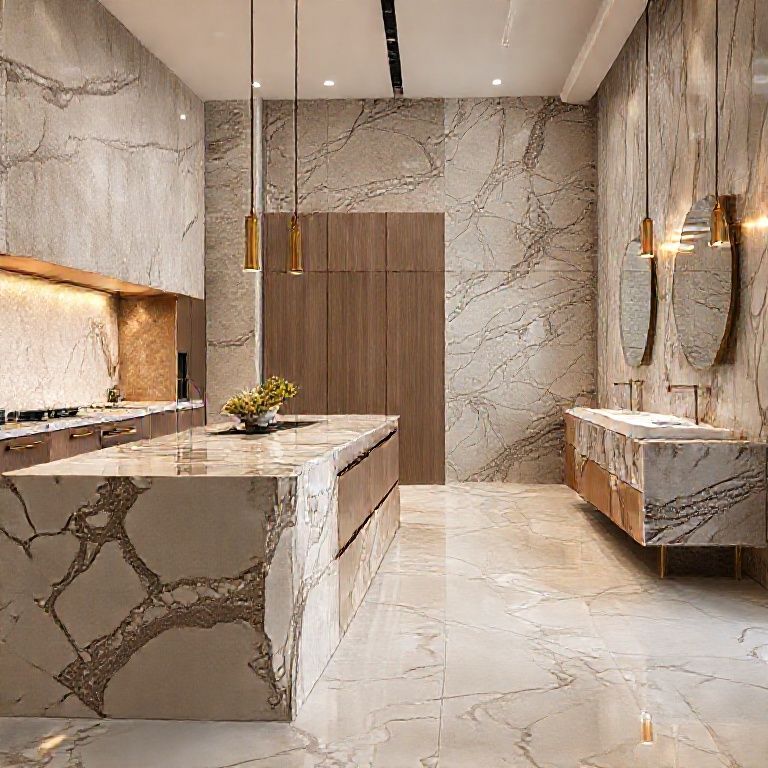
Artificial stone also shines in its design flexibility. With an almost limitless range of colors, patterns, and finishes, designers can create unique and custom designs that cater to specific tastes and preferences. Whether you’re looking for a sleek, modern look or a more traditional design, artificial stone can be crafted to meet your exact specifications. This versatility allows for endless creative possibilities, making it a favorite among architects and interior designers.
Cost-Effectiveness
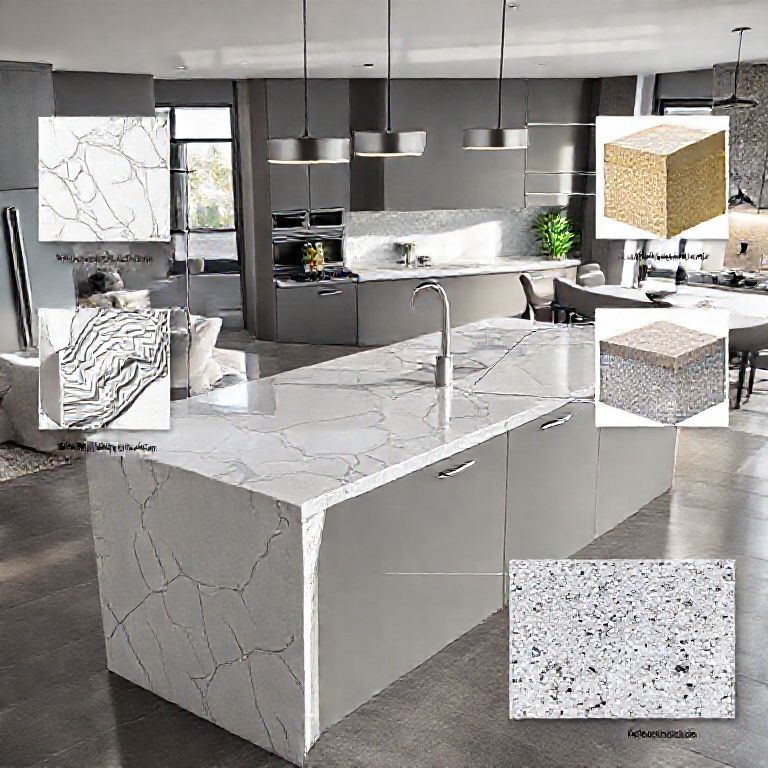
Another significant advantage of artificial stone is its cost-effectiveness. While natural stone can be quite expensive due to its extraction and processing costs, artificial stone offers a more affordable alternative without compromising on quality. The reduced cost is particularly appealing for large-scale projects where budget considerations are paramount.
Maintenance and Cleanliness
Maintaining artificial stone is remarkably easy. Unlike natural stone, which often requires sealing and regular maintenance to prevent staining, artificial stone is naturally resistant to many common household spills and stains. Cleaning is as simple as wiping with a damp cloth, making it an ideal choice for those who prefer low-maintenance surfaces.
Applications of Artificial Stone
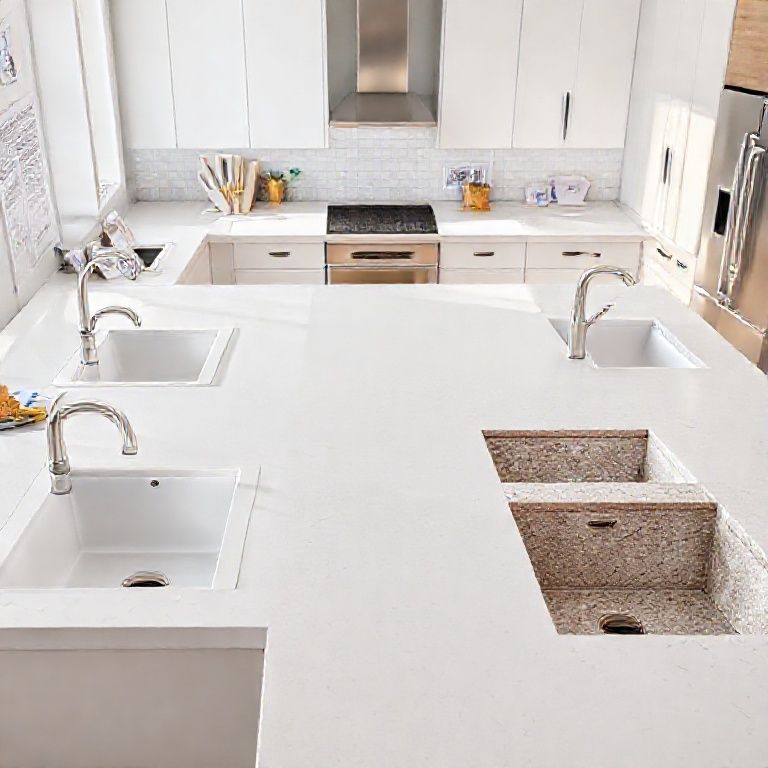
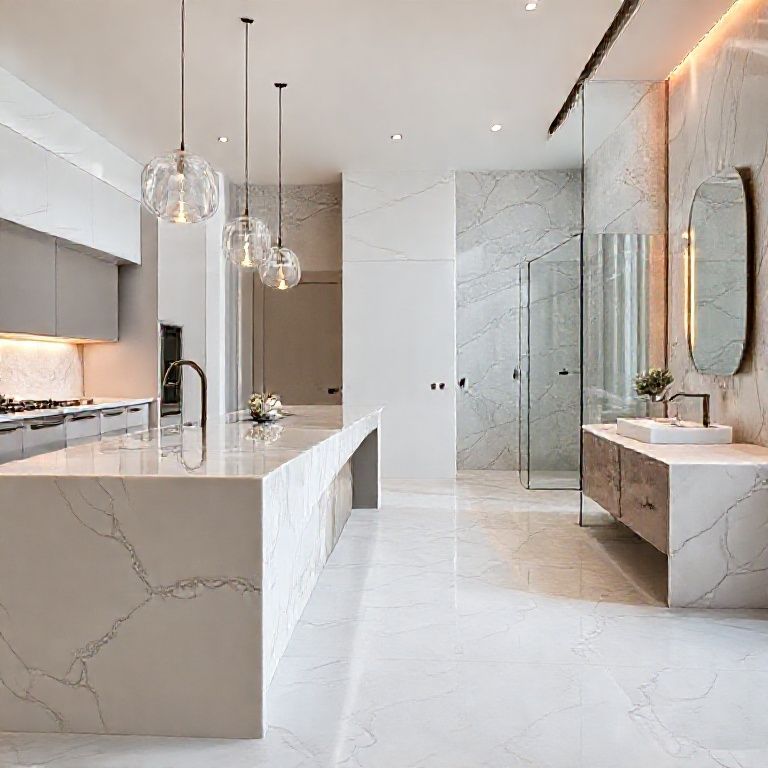
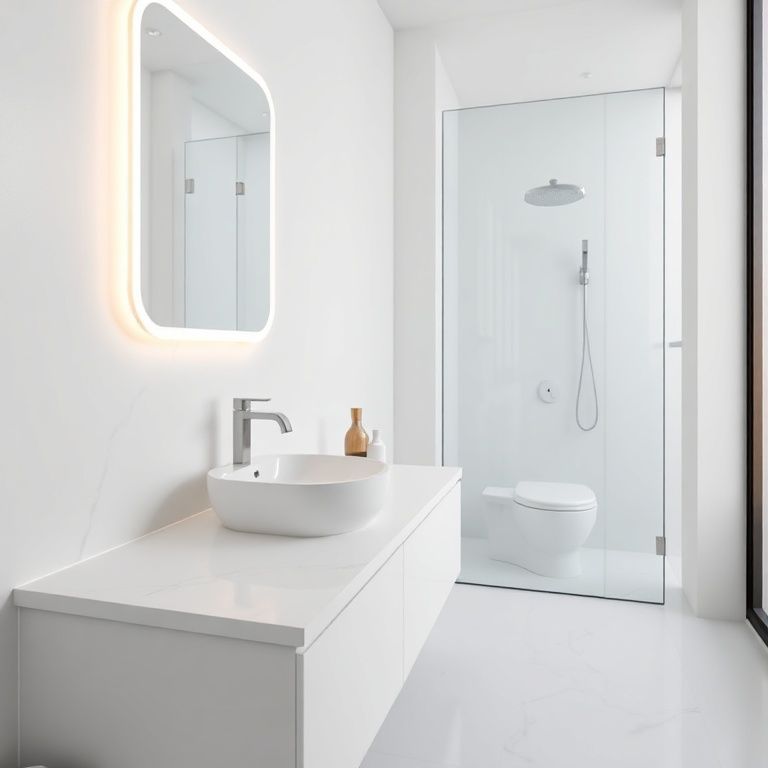
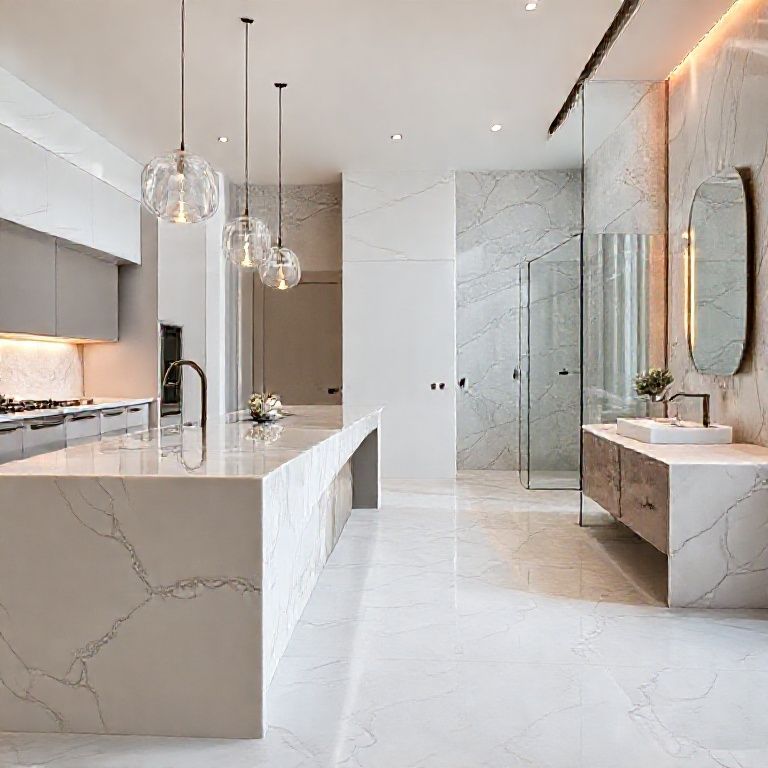
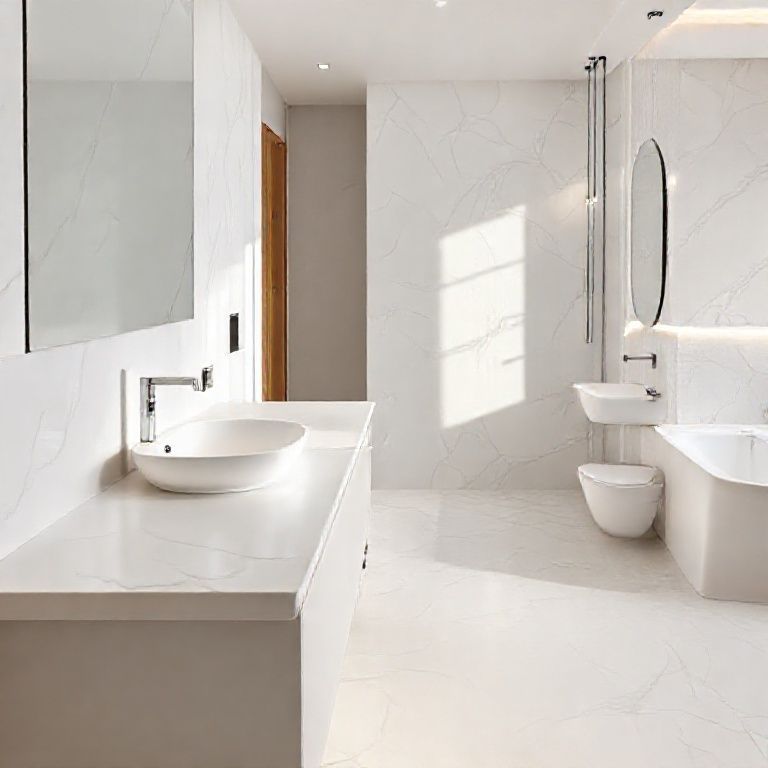
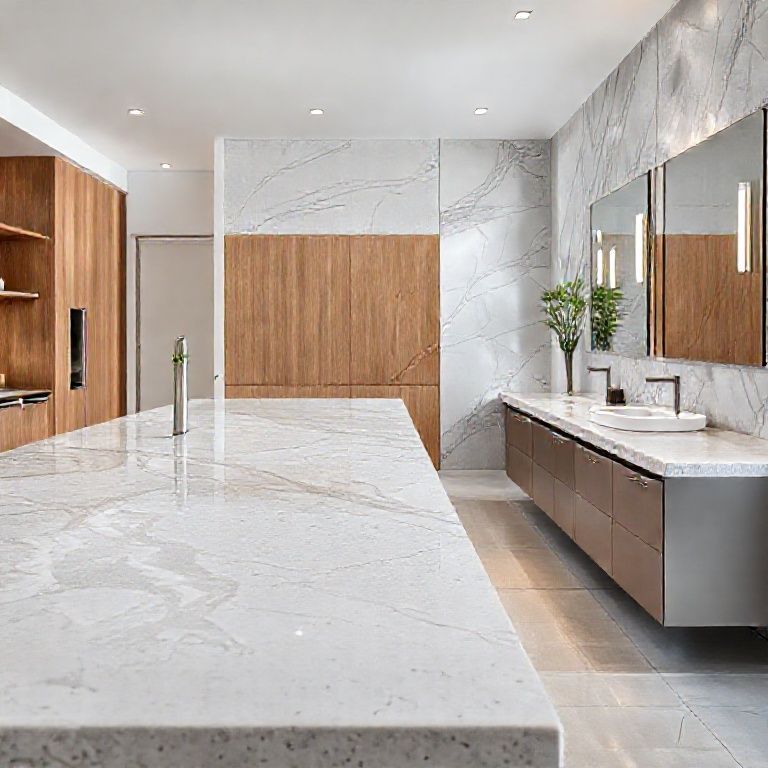
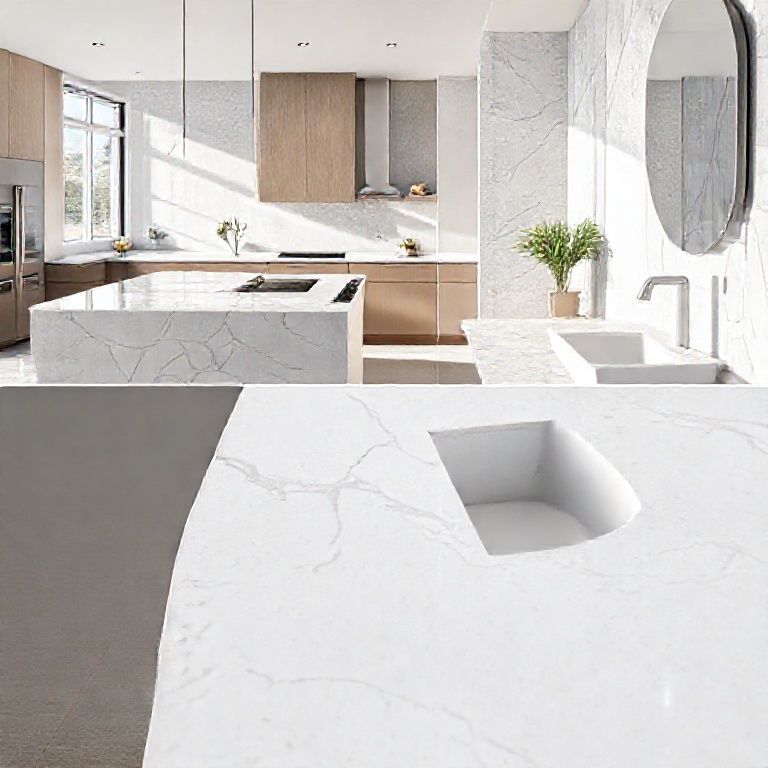
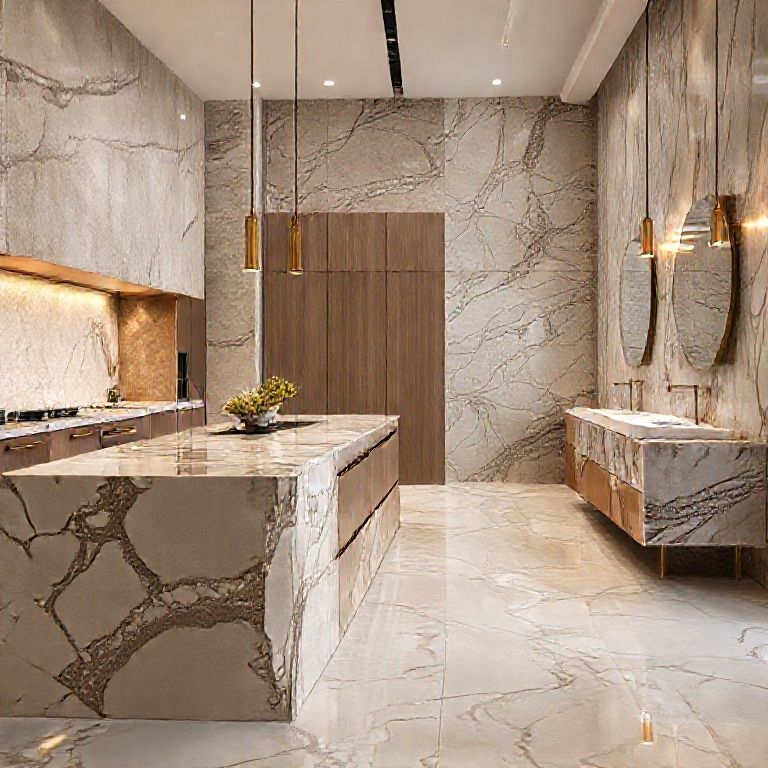
The applications of artificial stone are diverse and extensive. In the kitchen, artificial stone countertops are increasingly popular due to their beauty and practicality. In bathrooms, stone look tiles and vanities offer a luxurious touch that enhances the overall aesthetic. For commercial spaces, artificial stone is used in everything from office partitions to commercial countertops, providing a professional and polished look.
The Environmental Factor
Artificial stone also has a lesser environmental impact compared to natural stone. The production of natural stone involves significant mining operations that can disrupt local ecosystems. In contrast, artificial stone manufacturing processes are more controlled and can be designed to minimize waste and environmental impact.
Conclusion to Part 1
In conclusion, artificial stone represents a modern, innovative solution to the age-old problem of finding durable, beautiful, and affordable materials for home and commercial spaces. Its impressive durability, design flexibility, cost-effectiveness, and ease of maintenance make it an attractive option for a wide range of applications. As we continue to explore this captivating material, it’s clear that artificial stone is not just a trend but a transformative advancement in the world of interior design and renovation.
Making the Decision: Is Artificial Stone Right for You?
Having explored the myriad benefits of artificial stone, it’s time to delve deeper into how you can determine if it’s the right choice for your specific needs. This second part will cover the installation process, potential drawbacks, and how to choose the best type of artificial stone for your project.
Installation and Professional Expertise
One of the most important considerations when deciding on artificial stone is the installation process. Given its precision requirements, it’s often best to leave the installation to professionals. Skilled installers can ensure that the stone is cut, placed, and sealed correctly to achieve the best results. This is particularly crucial for those new to working with artificial stone, as even minor errors can significantly impact the final appearance and durability of the installation.
Potential Drawbacks
While artificial stone offers many advantages, it’s also important to consider potential drawbacks. For instance, although artificial stone is highly resistant to staining, certain chemicals can affect its appearance over time. It’s essential to use appropriate cleaning products and to avoid harsh chemicals that could potentially damage the surface. Additionally, while artificial stone is durable, it is not entirely indestructible. Extreme impacts can cause chips or cracks, so it’s important to use protective measures where necessary.
Choosing the Right Type of Artificial Stone
When selecting an artificial stone, there are several factors to consider. The most common types include quartz, stone look composites, and engineered stone. Each type offers unique benefits:
Quartz: Known for its stunning appearance and durability, quartz is a popular choice for countertops and other high-traffic areas. It’s available in a wide range of colors and finishes, providing endless design possibilities.
Stone Look Composites: These materials mimic the look of natural stone and are ideal for those who want the aesthetic of stone without the maintenance. They are versatile and can be used in various applications, from countertops to flooring.
Engineered Stone: Engineered stone combines natural stone with resins to create a material that is both durable and customizable. It’s suitable for high-end applications where both strength and appearance are critical.
Budget Considerations
Budget is another crucial factor when choosing artificial stone. While artificial stone is generally more affordable than natural stone, costs can vary based on the type and quality of the material, as well as the complexity of the design. It’s important to get quotes from multiple suppliers and to consider not just the initial cost, but also the long-term value and maintenance requirements.
Future Trends and Innovations
The field of artificial stone is constantly evolving, with ongoing research and development leading to new innovations. Advances in technology are allowing for even more realistic imitations of natural stone, as well as new applications that extend beyond traditional uses. Staying informed about these trends can help you make the most informed decision for your project.
Conclusion to Part 2
In conclusion, while artificial stone offers numerous benefits, it’s important to carefully consider installation, potential drawbacks, and budget when deciding if it’s the right choice for your project. With the right type of artificial stone and professional installation, you can enjoy a stunning, durable, and low-maintenance surface that enhances the beauty and functionality of any space. Whether for home renovations or commercial projects, artificial stone is a compelling option that continues to gain popularity due to its impressive qualities and versatility.