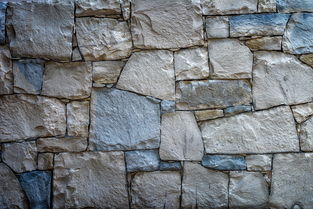
Explore the fascinating differences between artificial quartz and marble in this comprehensive guide. From durability and maintenance to design versatility, we delve into the nuanced characteristics that make each material unique. Whether you’re a homeowner or a designer, this article will help you make an informed decision.

artificial quartz, marble, countertop materials, durability, maintenance, design versatility, cost-effective, kitchen countertops, bathroom tiles, indoor design, material comparison
The Ultimate Guide to Choosing Between Artificial Quartz and Marble
When it comes to selecting the perfect material for your countertops, kitchen, or bathroom, the choices can seem endless. Among the most popular options are artificial quartz and marble, both of which offer unique advantages and considerations. Understanding the differences between these materials can help you make an informed decision that best suits your needs and preferences. In this first part of our guide, we’ll dive into the basic characteristics, durability, and maintenance requirements of both materials to set the stage for a more detailed comparison in the second part.
Basic Characteristics
Artificial Quartz: Artificial quartz, also known as quartzite, is a man-made composite material composed of 93% pure quartz, with the remaining 7% made up of resin and other binding agents. This material is crafted in a lab, allowing manufacturers to precisely control the proportions and quality of the components. As a result, artificial quartz offers a consistent and uniform appearance, with no veins, spots, or discolorations.
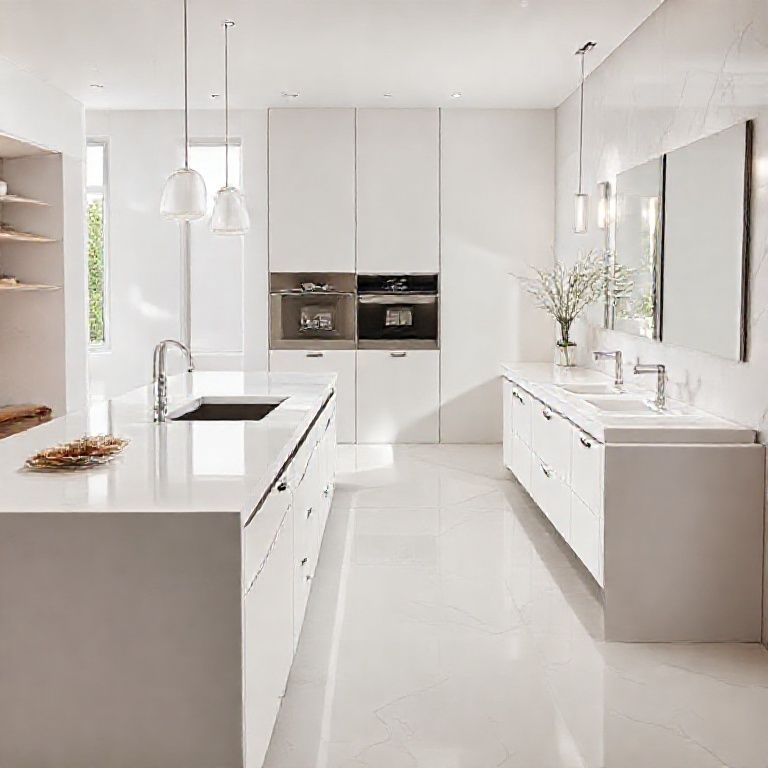
Marble: On the other hand, marble is a natural stone that has been formed over millions of years through the metamorphic process. It is composed mainly of calcite or dolomite and is known for its beautiful veins and patterns, which provide a unique and natural aesthetic. Marble’s appearance can vary significantly from one piece to another, offering a distinct character that artificial quartz simply cannot replicate.
Durability
Artificial Quartz: One of the standout features of artificial quartz is its exceptional durability. It is highly resistant to scratches, stains, and heat, making it an ideal choice for high-traffic areas like kitchens. Artificial quartz countertops are also impervious to acids, oils, and water, which helps to maintain their appearance over time. Moreover, because it is not a natural stone, it does not need to be sealed like marble, reducing maintenance requirements and potential issues.
Marble: While marble is undeniably beautiful, its natural composition makes it less durable compared to artificial quartz. Marble is prone to scratches, stains, and etching from acids, oils, and water. To preserve its appearance and prevent damage, marble surfaces typically require regular sealing and resealing. Additionally, the natural veins in marble can be more susceptible to discoloration, which can be a concern for those who prefer a more uniform look.
Maintenance Requirements
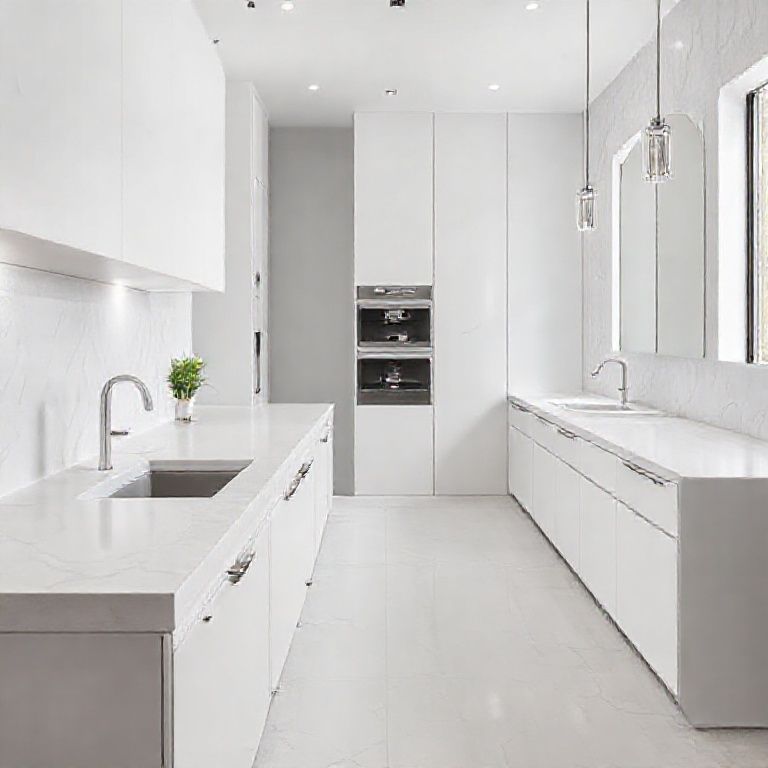
Artificial Quartz: As mentioned, artificial quartz’s main advantage in terms of maintenance is its lack of need for sealing. Because it is a synthetic material, it does not absorb liquids or stains in the way that natural stone can. This means that cleaning artificial quartz surfaces is relatively straightforward: a simple wipe-down with a damp cloth and mild detergent is usually sufficient to keep it looking pristine. This low maintenance aspect makes artificial quartz an excellent option for busy households or those who prefer a hassle-free cleaning routine.
Marble: Conversely, marble’s natural beauty comes with a higher maintenance cost. To maintain its luster and protect against stains and scratches, marble surfaces must be regularly cleaned and sealed. This involves using special marble cleaners and polishes to remove dirt and applying a high-quality sealant every six months to a year. Failure to properly maintain marble can result in dullness, discoloration, and even permanent etching, which can detract from its natural beauty.
Design Versatility
Artificial Quartz: Artificial quartz offers a level of design versatility that rivals even the most creative natural stones. Because it can be engineered to mimic the appearance of many different materials, from marble to granite to wood, it provides a wide range of design possibilities. Manufacturers can create custom colors, textures, and patterns, allowing for virtually limitless creativity in your home design projects. Whether you’re looking for a sleek, modern look or a rustic, natural feel, artificial quartz can be tailored to meet your specific aesthetic needs.
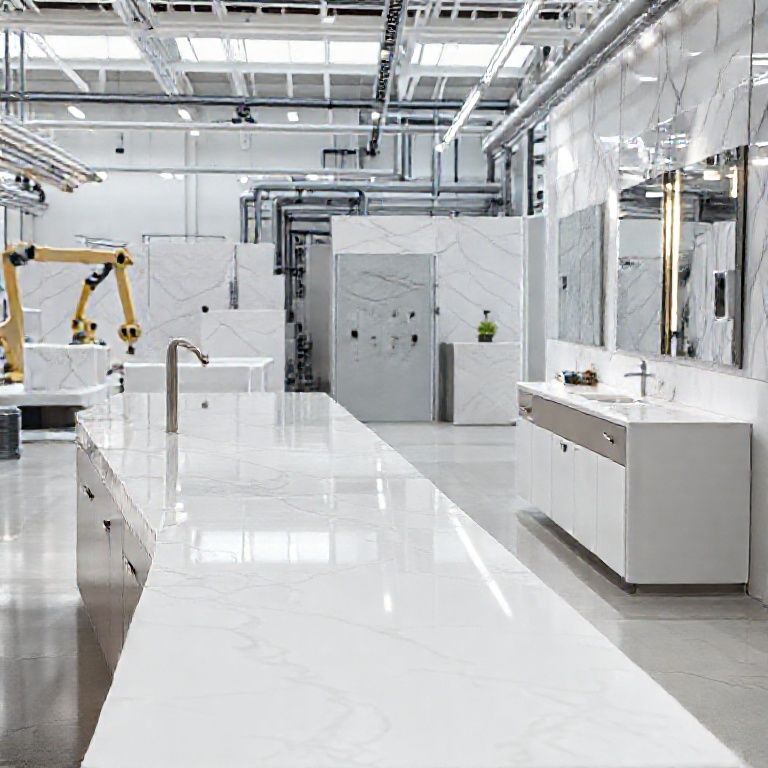
Marble: Marble, with its unique veins and patterns, offers a distinct design versatility of its own. The natural beauty of marble is often sought after for its timeless elegance and luxurious feel. However, its inherent variability means that each piece is different, which can be both a blessing and a curse. While this can create a highly personalized and unique look, it also means that achieving uniformity across large installations, like countertops or tiles, can be challenging. Nevertheless, the natural aesthetic of marble remains highly desirable for those who appreciate its one-of-a-kind character.
Cost Considerations
Artificial Quartz: Artificial quartz is generally more affordable than natural marble, primarily due to its synthetic nature and the efficiencies of mass production. This makes it an attractive option for those looking for high-quality materials without breaking the bank. While the initial cost may be lower, it’s important to consider the long-term benefits, such as reduced maintenance and durability, which can translate into significant savings over time.
Marble: Marble, being a natural stone, typically carries a higher upfront cost compared to artificial quartz. The price of marble can vary widely depending on the type, quality, and intricacy of the patterns. While it offers a more traditional and luxurious appearance, the additional maintenance and potential costs associated with sealing and resealing can add to the overall expense. However, for those who prioritize the natural beauty and timeless elegance of marble, the higher initial cost may be justified.
Conclusion
In the first part of our guide, we’ve explored the fundamental characteristics, durability, maintenance requirements, design versatility, and cost considerations of artificial quartz and marble. While both materials offer distinct advantages and cater to different aesthetic preferences and practical needs, understanding these differences can help you make a well-informed decision that aligns with your design vision and lifestyle. In the next part, we will delve deeper into specific applications, such as kitchen countertops and bathroom tiles, to provide a more comprehensive comparison.
The Ultimate Guide to Choosing Between Artificial Quartz and Marble
Continuing our exploration of the differences between artificial quartz and marble, this second part will focus on specific applications such as kitchen countertops and bathroom tiles. We’ll discuss how each material performs in these high-use areas, the pros and cons for each, and provide insights into which might be the best choice for your specific needs.
Kitchen Countertops
Artificial Quartz: When it comes to kitchen countertops, artificial quartz is often the go-to choice for many homeowners and designers. Its durability and resistance to heat, stains, and scratches make it ideal for a space where appliances and utensils are frequently used. Artificial quartz countertops are also easy to clean, requiring only a simple wipe-down with a mild detergent and water. This low maintenance aspect is particularly beneficial in kitchens where food spills and greasy stains are common. Additionally, the ability to create custom colors and patterns allows for a personalized and cohesive look that can complement any kitchen design.
Marble: While marble is less practical for everyday use in the kitchen due to its susceptibility to stains and scratches, it remains a popular choice for those who value its aesthetic appeal. The natural beauty of marble can add a touch of luxury and elegance to a kitchen space. However, the need for regular sealing and maintenance can be a deterrent for busy households. Moreover, the cost of marble countertops can be significant, and the natural variability of the stone may not always lend itself well to the practical demands of a kitchen environment.
Bathroom Tiles
Artificial Quartz: In bathrooms, artificial quartz is increasingly popular due to its water resistance and durability. Its ability to withstand moisture makes it an excellent choice for backsplashes, sinks, and even shower walls. Artificial quartz tiles are easy to clean and maintain, withstanding soap scum, water spots, and minor spills without showing signs of wear. This makes them a practical choice for a space where cleanliness and hygiene are paramount. Moreover, the variety of colors and finishes available allows for creative and personalized bathroom designs.
Marble: Marble’s appeal in bathroom settings often lies in its luxurious and timeless aesthetic. It is commonly used for flooring, countertops, and even bathtubs. The natural beauty of marble can create a serene and elegant atmosphere in a bathroom. However, the practical considerations of using marble in a wet environment are significant. Marble is prone to water absorption, which can lead to staining and etching over time. Therefore, marble in bathrooms typically requires regular sealing and maintenance to maintain its appearance and longevity.
Long-Term Considerations
Artificial Quartz: The long-term benefits of artificial quartz are significant. Its durability and resistance to various elements mean that it is likely to maintain its appearance and functionality over a long period. This longevity can translate into significant savings over time, as there is less need for frequent repairs or replacements. Additionally, the low maintenance requirements make artificial quartz a practical and cost-effective choice for both new installations and renovations.
浴室瓷砖和人造石英石
人造石英石: 在浴室中,人造石英石的应用越来越普遍,尤其是在台面、柜台和墙面装饰。由于其优异的防水性能和耐污性,人造石英石非常适合湿度较高的环境。它不会吸收水分,从而避免了水渍和霉菌的产生。人造石英石还提供了多种颜色和纹理选择,可以完全满足个性化设计需求。
瓷砖: 瓷砖在浴室中的应用非常广泛,尤其是在地板、墙面和洗手池周围。瓷砖的优点在于其高耐用性和易清洁性。不过,瓷砖的防水性虽然好,但在某些高湿度环境中,还是有可能会出现霉菌问题,特别是在缝隙和边缘。因此,需要特别注意密封和清洁。瓷砖在受到强烈冲击或撞击时,可能会出现碎裂或破损的情况。
厨房台面和柜台
人造石英石: 人造石英石台面以其耐用性、易清洁性和多样化的外观而闻名。它们可以承受高温和重物,不会因为油污和酸性食物而变色或受损。人造石英石台面还具有抗菌特性,这对于厨房环境尤为重要。维护方面,人造石英石只需简单的擦拭即可保持光洁如新。
瓷砖: 在厨房,瓷砖常用于台面的一部分,尤其是在需要耐污和耐热的区域。瓷砖的耐热性使其成为灶台和烤箱周围的理想选择。不过,瓷砖的瓷质材料相对较脆,容易在碰撞时碎裂,因此在选择时需要考虑耐冲击性。瓷砖的表面容易吸附油污,需要定期清洁以保持其美观和卫生。
其他选择因素
成本: 人造石英石通常比大多数天然石材和瓷砖便宜,这使它成为许多家庭和企业的首选。瓷砖的价格也因材质和设计而异,高端瓷砖甚至可以与人造石英石相媲美。
环保性: 在环保性方面,人造石英石无疑占据优势。它不含有害化学物质,不需要额外的涂层或密封剂。而瓷砖虽然材料本身环保,但在生产过程中可能会产生大量粉尘和废气,且瓷砖制造过程中可能使用一些有害化学物质。
设计灵活性: 人造石英石的最大优势之一在于其设计灵活性。它可以通过复杂的模具和染色技术,制成各种复杂的图案和颜色。这使得设计师可以实现非常独特和个性化的设计,而不受天然石材纹理的限制。
结论
人造石英石和瓷砖各有其优点和缺点,选择哪种材料主要取决于你的具体需求和偏好。人造石英石因其耐用性、易清洁性和设计灵活性而受到广泛欢迎,特别是在需要频繁清洁和保持外观的区域。而瓷砖则以其传统美观、耐用和多样化设计吸引了许多用户。
无论选择哪种材料,最终的决定还是应根据具体的应用环境、预算以及个人喜好来做出。如果你有更多具体的问题或需要进一步的建议,请随时告知。