The Ultimate Guide to Choosing Between Artificial Stone and Quartzite for Your Kitchen Countertops
When it comes to selecting the perfect kitchen countertop, the decision between artificial stone and quartzite can be daunting. Both materials offer distinct advantages and have their unique appeal. This comprehensive guide will explore the benefits and drawbacks of both, helping you make an informed choice. From durability and maintenance to aesthetics and cost, we delve into all aspects to ensure you find the best option for your home.

Durability: A Key Factor
When evaluating countertop materials, durability is a crucial factor. Artificial stone, also known as cultured stone, is a composite material made from a combination of natural stone, resin, and pigments. It is designed to mimic the appearance of natural stone but with enhanced durability.
Artificial stone countertops are highly resistant to scratches, stains, and heat. They are perfect for busy kitchens where spills and splatters are common. The resin used in artificial stone binds the stone particles tightly, making it incredibly hard and resistant to wear and tear.
On the other hand, quartzite, a natural stone, is renowned for its durability and strength. It is formed from natural quartz that has been subjected to intense heat and pressure over millions of years, resulting in a highly dense and resistant material. Quartzite countertops are incredibly hard and resistant to scratches, stains, and heat. They are also resistant to most household cleaning products, making them an excellent choice for those who prefer a natural stone that is as low-maintenance as possible.
Maintenance: Effortless Care
The ease of maintenance is another significant consideration when choosing between artificial stone and quartzite. Artificial stone countertops require minimal maintenance. They can be easily cleaned with a mild soap and water solution or a dedicated stone countertop cleaner. Due to their non-porous nature, they do not absorb liquids, which means spills do not penetrate the surface and leave stains. This makes artificial stone an excellent option for those who want a beautiful countertop with low upkeep.
Quartzite countertops also offer low maintenance, but there are some differences in care. While quartzite is highly resistant to stains, it is recommended to clean it immediately after spills to prevent any potential discoloration. Quartzite can be cleaned with a mild soap and water solution or a stone-specific cleaner. It is important to avoid using abrasive pads or cleaners that contain acid, as these can scratch the surface.
Aesthetic Appeal: Style Meets Functionality
The aesthetic appeal of your kitchen is an important aspect to consider. Artificial stone comes in an array of colors and patterns, allowing for a high degree of customization. Whether you want a classic marble look or something more contemporary, artificial stone can be molded to fit your style.
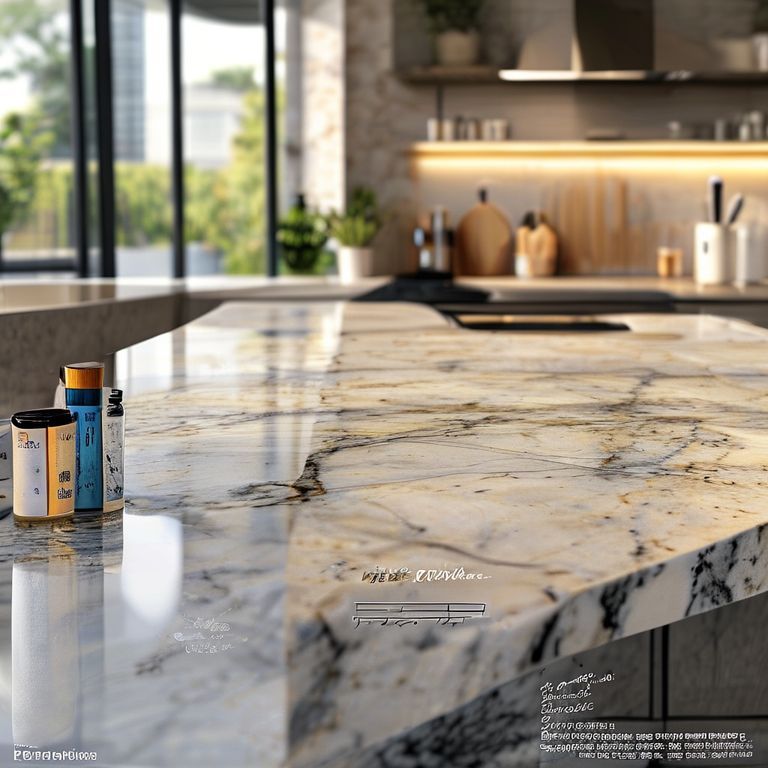
One of the main advantages of artificial stone is its versatility in design. You can create unique patterns and textures that are not possible with natural stone. Additionally, artificial stone countertops can be manufactured in various thicknesses, providing flexibility in design and installation.
Quartzite, on the other hand, offers a natural and timeless beauty. The natural veining and color variations in quartzite provide a unique and elegant look. Quartzite’s aesthetic appeal lies in its natural beauty, which can add a touch of luxury and sophistication to any kitchen. The natural variations in color and pattern make each piece unique, giving a one-of-a-kind appearance.
Cost: Budget-Friendly Options
When it comes to budget, both artificial stone and quartzite offer different value propositions. Artificial stone generally falls in the mid-range category. While it may not have the initial cost advantage of some other materials, it offers a high level of quality and customization at a competitive price. The cost of artificial stone countertops can vary depending on the design and complexity of the pattern, but they are often more affordable than high-end natural stone options.
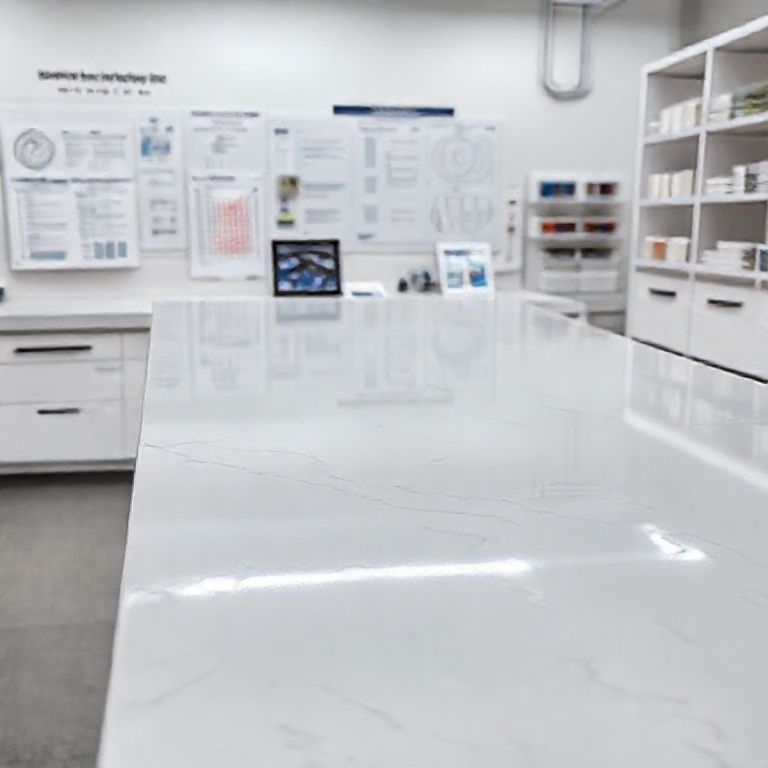
Quartzite, being a natural stone, typically has a higher price tag. The cost of quartzite countertops can vary widely based on the specific type of quartzite and the desired finish. High-end varieties like White Star or Emperor Quartzite can be quite expensive. However, the premium cost is often justified by the stone’s durability, natural beauty, and long-lasting performance.
Environmental Considerations
In today’s eco-conscious world, it’s essential to consider the environmental impact of your choices. Artificial stone is a manufactured product, which means it involves more energy and resources in its production process compared to natural stone. However, artificial stone can be made with more sustainable materials and manufacturing processes, which can reduce its environmental footprint.
Quartzite, being a natural stone, is harvested from the earth. While its extraction process can have environmental impacts, it is a finite resource that, when managed responsibly, can be a sustainable choice. It’s important to consider the mining practices and the transportation of the stone when evaluating the environmental impact of quartzite.
Installation and Professional Help
The installation process for both artificial stone and quartzite is relatively straightforward, but professional installation is recommended to ensure a flawless finish. Artificial stone countertops can be installed by professional contractors who have experience with composite materials. The installation process involves cutting the countertop to size and then attaching it to the cabinet with adhesive or mechanical fasteners.
Quartzite countertops also require professional installation to ensure a secure and durable fit. The installation process involves precise cutting and careful attachment to the cabinets to prevent any potential issues. Professional installers can handle the intricate details to ensure the quartzite countertop is securely and beautifully integrated into your kitchen.
Conclusion
Choosing between artificial stone and quartzite for your kitchen countertops involves considering various factors such as durability, maintenance, aesthetics, cost, and environmental impact. Artificial stone offers unmatched versatility, durability, and low maintenance, making it an excellent choice for those who want a customizable and affordable option. Quartzite provides natural beauty, durability, and a timeless elegance, though it typically comes at a higher cost.
Ultimately, the decision comes down to your specific needs, preferences, and budget. By understanding the unique benefits and drawbacks of both materials, you can make an informed choice that enhances the beauty and functionality of your kitchen for years to come.
The Ultimate Guide to Choosing Between Artificial Stone and Quartzite for Your Kitchen Countertops
In the previous part, we explored the durability, maintenance, aesthetics, cost, and environmental considerations when choosing between artificial stone and quartzite for your kitchen countertops. Now, we will delve deeper into the specifics of each material, including their unique features, installation processes, and potential advantages and disadvantages.
Unique Features of Artificial Stone
Artificial stone, or cultured stone, is a composite material that combines natural stone with resin and pigments. This combination results in a material that is incredibly versatile and customizable. One of the key features of artificial stone is its ability to mimic the appearance of various natural stones, such as marble, granite, and quartz, with greater precision and consistency.
Artificial stone countertops are highly resistant to scratches, stains, and heat. The resin used in the material binds the stone particles tightly, making it extremely durable. This durability means that artificial stone countertops can withstand the rigors of daily kitchen use without showing signs of wear and tear. Additionally, artificial stone is non-porous, which means it does not absorb liquids. This makes it easy to clean and maintain, as spills and splatters do not penetrate the surface and leave stains.
Another unique feature of artificial stone is its ability to be molded into intricate designs and patterns. This allows for a high degree of customization, making it possible to create unique countertops that match your specific design vision. Whether you want a classic look or a modern aesthetic, artificial stone can be crafted to suit your preferences.
Unique Features of Quartzite
Quartzite is a natural stone that is formed from natural quartz subjected to intense heat and pressure over millions of years. This process transforms the quartz into a highly dense and resistant material. The unique features of quartzite include its natural beauty, durability, and resistance to scratches, stains, and heat.
One of the most striking features of quartzite is its natural veining and color variations. Each piece of quartzite is unique, with its own distinctive pattern and color. This natural variation adds a touch of elegance and sophistication to any kitchen. The veining and color can vary from subtle to bold, providing endless possibilities for design.
Quartzite’s durability is unparalleled. It is one of the hardest natural stones available, making it highly resistant to scratches, stains, and heat. Quartzite countertops are also resistant to most household cleaning products, which means they maintain their beauty and functionality over time. This makes quartziteThe Ultimate Guide to Choosing Between Artificial Stone and Quartzite for Your Kitchen Countertops
In the previous part, we explored the durability, maintenance, aesthetics, cost, and environmental considerations when choosing between artificial stone and quartzite for your kitchen countertops. Now, we will delve deeper into the specifics of each material, including their unique features, installation processes, and potential advantages and disadvantages.
Unique Features of Quartzite
Quartzite is a natural stone that is formed from natural quartz subjected to intense heat and pressure over millions of years. This process transforms the quartz into a highly dense and resistant material. The unique features of quartzite include its natural beauty, durability, and resistance to scratches, stains, and heat.
One of the most striking features of quartzite is its natural veining and color variations. Each piece of quartzite is unique, with its own distinctive pattern and color. This natural variation adds a touch of elegance and sophistication to any kitchen. The veining and color can vary from subtle to bold, providing endless possibilities for design.
Quartzite’s durability is unparalleled. It is one of the hardest natural stones available, making it highly resistant to scratches, stains, and heat. Quartzite countertops are also resistant to most household cleaning products, which means they maintain their beauty and functionality over time. This makes quartzite an excellent choice for those who want a long-lasting and low-maintenance countertop.
Installation Process: Professional Expertise
The installation process for both artificial stone and quartzite countertops requires professional expertise to ensure a flawless finish. Here’s a closer look at the installation processes for each material:
Artificial Stone:
Cutting to Size: Artificial stone countertops are typically cut to size by professional installers using specialized saws. The installers need to ensure that the cuts are precise to avoid any waste and to ensure a perfect fit.
Attachment: The countertop is then attached to the cabinet using adhesive or mechanical fasteners. Adhesive is commonly used for its strong bond, while mechanical fasteners provide extra security. The choice of attachment method depends on the specific design and requirements of the installation.
Sealing: After the countertop is securely attached, it is often sealed to protect the surface from spills and stains. This step ensures that the artificial stone countertop remains in pristine condition over time.
Quartzite:
Cutting to Size: Like artificial stone, quartzite countertops are cut to size by professional installers. The cutting process requires precision to ensure a perfect fit and to avoid any potential issues during installation.
Attachment: Quartzite countertops are typically attached to the cabinet using adhesive or mechanical fasteners. The choice of attachment method depends on the specific design and requirements of the installation.
Sealing: Quartzite countertops are often sealed to protect the surface from spills and stains. This step is crucial to maintain the natural beauty and durability of the quartzite.
Advantages and Disadvantages
Artificial Stone:
Advantages:
Customization: Artificial stone offers a high degree of customization. You can choose from a wide range of colors, patterns, and textures to match your specific design vision.
Durability: Artificial stone is highly durable and resistant to scratches, stains, and heat. It is a low-maintenance option that can withstand the rigors of daily kitchen use.
Cost-Effective: Artificial stone is generally more affordable than high-end natural stone options, making it a cost-effective choice for many homeowners.
Disadvantages:
Not Completely Natural: Artificial stone is a manufactured product, which means it is not a completely natural material. Some people prefer the natural beauty of natural stone.
Potential Chemical Concerns: Some artificial stone products may contain chemicals that could potentially leach into food. It’s important to choose high-quality products to minimize these concerns.
Quartzite:
Advantages:
Natural Beauty: Quartzite offers a natural and timeless beauty. The unique veining and color variations provide a one-of-a-kind appearance that cannot be replicated by artificial stone.
Durability: Quartzite is one of the hardest natural stones available, making it highly resistant to scratches, stains, and heat. It is a long-lasting and low-maintenance option.
Value: Despite its higher cost, quartzite can offer good value over time due to its durability and low maintenance requirements.
Disadvantages:
Cost: Quartzite countertops typically have a higher price tag compared to artificial stone. The cost can vary widely based on the specific type of quartzite and the desired finish.
Weight: Quartzite is a dense and heavy material, which can make it more challenging to install compared to lighter materials like artificial stone.
Conclusion
Choosing between artificial stone and quartzite for your kitchen countertops involves considering various factors such as durability, maintenance, aesthetics, cost, and environmental impact. Artificial stone offers unmatched versatility, durability, and low maintenance, making it an excellent choice for those who want a customizable and affordable option. Quartzite provides natural beauty, durability, and a timeless elegance, though it typically comes at a higher cost.
Ultimately, the decision comes down to your specific needs, preferences, and budget. By understanding the unique benefits and drawbacks of both materials, you can make an informed choice that enhances the beauty and functionality of your kitchen for years to come.
The Ultimate Guide to Choosing Between Artificial Stone and Quartzite for Your Kitchen Countertops
In the previous part, we delved deeper into the specifics of artificial stone and quartzite, including their unique features, installation processes, and potential advantages and disadvantages. Now, we will explore the practical aspects of using each material in a kitchen setting, including their performance in different environments, potential maintenance issues, and how to ensure long-term durability and beauty.
Performance in Different Environments
Artificial Stone:
Kitchen Environment: Artificial stone is highly suitable for kitchen environments. It is resistant to scratches, stains, and heat, making it an excellent choice for busy kitchens where spills and splatters are common. The non-porous nature of artificial stone means that spills do not penetrate the surface, which makes cleaning easy and maintains the countertop’s appearance over time.
Bathroom Use: While artificial stone is primarily designed for kitchen countertops, it can also be used in bathrooms. However, it is important to note that artificial stone is not as water-resistant as some other materials like granite or certain types of marble. For high-moisture areas, it is advisable to use a sealant or consider other materials that are more resistant to water damage.
Quartzite:
Kitchen Environment: Quartzite is ideal for kitchen countertops due to its high durability and resistance to scratches, stains, and heat. Its natural beauty and hardness make it a popular choice for those who want a natural stone countertop that can withstand daily use.
Bathroom Use: Quartzite is also suitable for bathroom countertops, but it is important to clean it immediately after any spills to prevent potential discoloration. While quartzite is resistant to most cleaning products, it is always best to avoid using abrasive pads or acidic cleaners that can scratch the surface.
Potential Maintenance Issues
Artificial Stone:
Cleaning: Artificial stone countertops are easy to clean. A mild soap and water solution or a dedicated stone countertop cleaner can be used to clean the surface. Since artificial stone is non-porous, spills do not penetrate the surface and leave stains, making it a low-maintenance option.
Repair: Artificial stone can be repaired if it is scratched or chipped. Professional repair services can restore the countertop to its original condition. However, it is important to choose a reputable repair service to ensure the quality of the repair.
Quartzite:
Cleaning: Quartzite countertops are also easy to clean. A mild soap and water solution or a stone-specific cleaner can be used to clean the surface. It is important to clean quartzite immediately after spills to prevent any potential discoloration.
Repair: Quartzite can be repaired if it is scratched or chipped, but the repair process can be more complex compared to artificial stone. Professional repair services can restore the countertop, but the cost may be higher due to the material’s density and the need for specialized techniques.
Ensuring Long-Term Durability and Beauty
Artificial Stone:
Sealing: To ensure the long-term durability and beauty of artificial stone countertops, it is important to seal the surface regularly. A high-quality stone countertop sealant can protect the surface from spills and stains, maintaining its appearance over time.
Avoiding Abrasive Cleaners: To prevent scratches and maintain the surface’s appearance, it is important to avoid using abrasive cleaners or pads on artificial stone countertops.
Quartzite:
1. 深度学习和神经网络
深度学习是机器学习的一个分支,它利用多层神经网络来模拟人脑的工作方式。这种方法在图像识别、自然语言处理等任务中表现尤为出色。例如,卷积神经网络(CNN)在图像和视频分析中非常有效,而递归神经网络(RNN)则在处理序列数据,如语音和文本时表现优异。
2. 应用领域
医疗健康:AI 在医学影像分析、药物发现、个性化医疗等方面有巨大的潜力。例如,通过分析患者的基因数据,AI 可以帮助制定更精确的治疗方案。 金融服务:在风险评估、欺诈检测和算法交易等方面,机器学习模型已经被广泛应用。它们能够处理大量数据并从中提取有价值的信息。
自动驾驶:自动驾驶汽车依赖于复杂的机器学习算法来感知环境、做出决策并控制车辆行驶。
3. 伦理和社会影响
尽管人工智能带来了许多好处,但它也引发了一系列伦理和社会问题。例如:
隐私问题:大量的数据收集和分析可能会侵犯个人隐私。 就业影响:自动化可能会导致某些职业的消失,但也会创造新的就业机会。 算法偏见:如果训练数据中存在偏见,AI 系统可能会放大这些偏见,导致不公平的结果。
4. 技术发展趋势
自监督学习:这是一种新兴的机器学习方法,可以在少量标签数据的情况下进行有效训练,降低了对大量标注数据的依赖。 联邦学习:这是一种分布式机器学习方法,可以在不将数据集中在一个地方的情况下进行训练,从而提高数据隐私保护。 可解释性:随着复杂模型的普及,如何解释和理解这些模型的决策成为一个重要研究方向,这有助于提高AI系统的透明度和可信度。
5. 前沿研究
量子计算与AI:量子计算有望在未来显著提升机器学习算法的效率,特别是在处理大规模数据时。 生成模型:如 GAN(生成对抗网络)和Transformer 模型在生成高质量图像、文本和音频方面取得了显著进展。
6. 教育与培训
随着人工智能的发展,对AI相关技能的需求也在不断增加。许多大学和在线教育平台提供相关的课程和培训,以帮助人们掌握这些前沿技术。