The Ultimate Guide to Choosing Between Artificial Stone Countertops and Quartz Countertops
In the ever-evolving world of home design, the choice between artificial stone countertops and quartz countertops is becoming increasingly significant. Both options offer unique advantages that cater to different preferences and needs. Whether you’re looking to enhance the aesthetic appeal of your kitchen or the functionality of your bathroom, understanding the nuances of each material can help you make an informed decision.

What Are Artificial Stone Countertops?
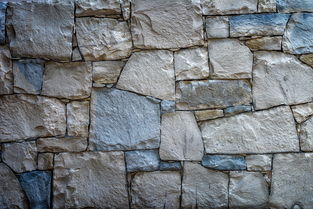
Artificial stone countertops are a popular choice among homeowners and designers alike. They are made from a mixture of natural stone powders, such as calcite, silica, and other minerals, which are bound together with a resin or polymer. This combination creates a solid surface that mimics the appearance of natural stone while offering a more cost-effective alternative.
Durability
Artificial stone is highly durable. Its composition makes it resistant to scratches, stains, and thermal damage, ensuring that your countertop can withstand everyday wear and tear. This durability makes it an excellent choice for high-traffic areas where durability is paramount.
Aesthetics
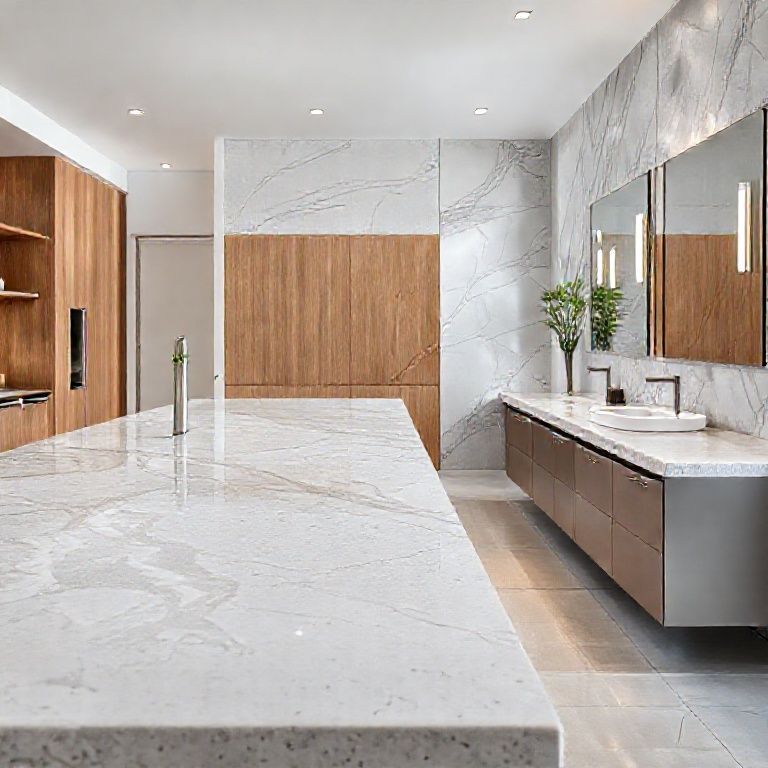
The aesthetic appeal of artificial stone countertops is one of their most compelling features. They come in a wide range of colors and patterns, allowing you to choose a design that matches or even exceeds the look of natural stone. This versatility makes artificial stone an excellent option for both modern and traditional design styles.
Maintenance
Maintenance of artificial stone countertops is relatively straightforward. They are generally low-maintenance and do not require sealing like some natural stone surfaces. Regular cleaning with a mild soap and water solution will keep them looking pristine for years.
Cost
One of the primary reasons artificial stone has gained popularity is its cost-effectiveness. Since it does not require the same mining processes as natural stone, it is significantly cheaper. This lower cost can make it a more accessible option for homeowners looking to upgrade their kitchen or bathroom without breaking the bank.
What Are Quartz Countertops?
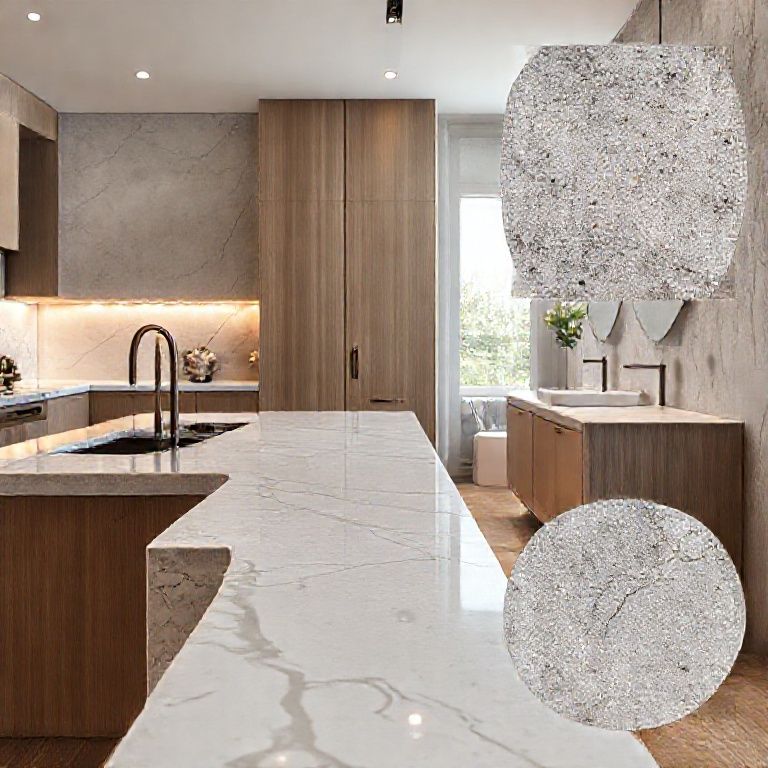
Quartz countertops, produced by the leading brand, are a blend of 90-95% natural stone powders and a resin binder. This combination creates a material that is nearly indistinguishable from natural stone in appearance and texture, while offering unmatched durability and functionality.
Durability
Quartz countertops are renowned for their exceptional durability. They are incredibly hard, ranking a 7 on the Mohs scale, which makes them highly resistant to scratches, stains, and thermal damage. This durability ensures that your countertops will maintain their appearance and functionality for many years, even in high-traffic areas.
Aesthetics
The beauty of quartz lies in its near-perfect mimicry of natural stone. It offers a vast array of colors and patterns, allowing you to select a design that matches your specific taste and complements your home’s décor. Quartz’s natural stone appearance provides a timeless elegance that is hard to match.
Maintenance
Maintenance of quartz countertops is relatively simple. They are sealed at the factory, which provides an extra layer of protection against stains and scratches. Regular cleaning with a mild soap and water solution is usually sufficient to keep them looking their best. For deeper cleaning, specialized quartz cleaners are available to ensure optimal maintenance.
Cost
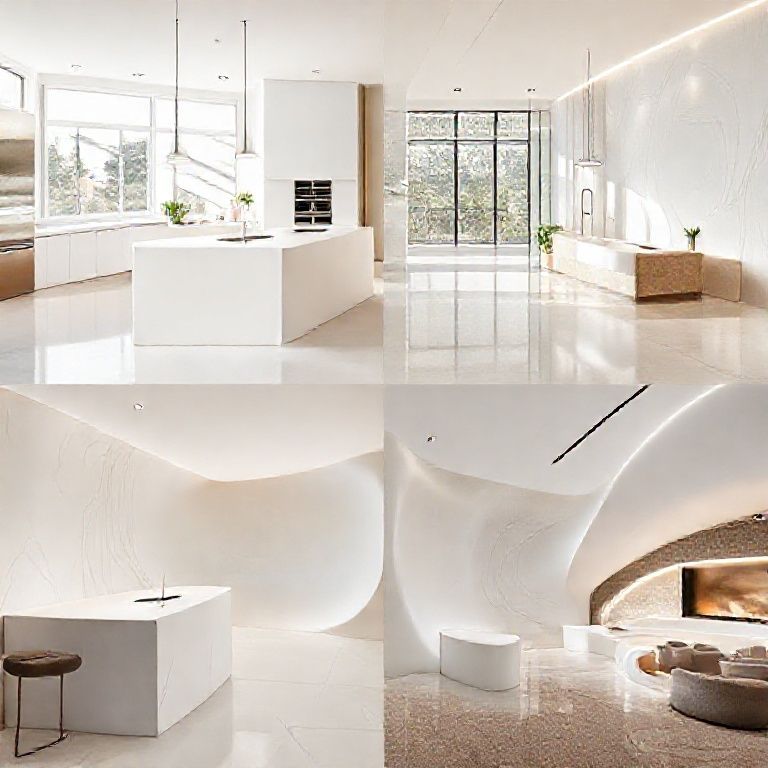
While quartz countertops are more expensive than artificial stone, they offer a level of durability and aesthetics that justifies the higher cost for many homeowners. The investment in quartz provides long-term value and peace of mind, knowing that your countertops will remain beautiful and functional for decades.
Comparing Artificial Stone and Quartz
When deciding between artificial stone and quartz, several factors come into play, including durability, aesthetics, maintenance, and cost.
Durability
Both materials are highly durable, but quartz takes the lead due to its higher hardness on the Mohs scale. While artificial stone is durable, it may not hold up as well as quartz in areas with high foot traffic or heavy use.
Aesthetics
Both materials offer impressive aesthetic versatility, but quartz has a slight edge in mimicking the look of natural stone. Its near-perfect replication of natural stone patterns and colors can be more convincing than artificial stone, which, while versatile, may not always match the subtlety of real stone.
Maintenance
Both materials are low-maintenance, but quartz’s factory-applied sealant provides an additional layer of protection. Artificial stone, while also easy to clean, may require more frequent maintenance to ensure it maintains its appearance.
Cost
Artificial stone is generally more affordable than quartz. If budget is a significant concern, artificial stone offers a cost-effective solution without sacrificing much in terms of aesthetics and durability. Quartz, on the other hand, is an investment that offers superior durability and aesthetics, albeit at a higher price point.
Making the Final Decision
Choosing between artificial stone and quartz countertops ultimately boils down to your specific needs and preferences. Here are some factors to consider:
Budget: If you’re looking for a more budget-friendly option, artificial stone is the way to go. Quartz, while offering superior durability and aesthetics, comes at a higher cost.
Durability: If long-term durability is your top priority, quartz is the better choice. Its hardness and resistance to scratches and stains make it a more durable option.
Aesthetics: If you want your countertops to closely resemble natural stone, quartz offers a more convincing look. Artificial stone is versatile and can match many natural stone designs, but it may not always capture the subtleties of real stone.
Maintenance: Both materials are low-maintenance, but quartz’s factory-applied sealant adds an extra layer of protection, making it slightly easier to maintain over time.
Conclusion
Both artificial stone and quartz countertops offer unique benefits that cater to different priorities. Artificial stone provides a cost-effective, durable, and versatile option with relatively low maintenance requirements. Quartz offers unmatched durability, aesthetics, and a low-maintenance surface that closely mimics natural stone. By understanding the strengths and limitations of each material, you can make an informed decision that best suits your home and lifestyle.
The Ultimate Guide to Choosing Between Artificial Stone Countertops and Quartz Countertops (Continued)
In this final part of our comprehensive guide, we will delve deeper into the specific applications and considerations for artificial stone and quartz countertops, further highlighting how to choose the best material for your home.
Applications of Artificial Stone Countertops
Artificial stone countertops are versatile and can be used in various settings beyond just kitchens and bathrooms. Here are some common applications:
Kitchens
In kitchens, artificial stone countertops offer a durable and aesthetically pleasing alternative to natural stone. They can handle the heat from cooking appliances and the daily wear and tear that comes with meal preparation.
Bathrooms
Artificial stone is also an excellent choice for bathroom countertops. Its durability and resistance to moisture make it a practical option for areas where water and humidity are common.
Commercial Spaces
In commercial kitchens and other high-traffic areas, artificial stone’s durability and cost-effectiveness make it a popular choice. It can withstand the rigors of commercial use while maintaining a stylish appearance.
Applications of Quartz Countertops
Quartz countertops are highly versatile and are used in a variety of settings where durability and aesthetics are paramount:
Kitchens
Quartz countertops are a top choice for kitchens due to their exceptional durability and natural stone appearance. They can handle the heat from stovetops and the daily use of cutting boards and utensils.
Bathrooms
Quartz countertops provide a luxurious and durable option for bathrooms. Their resistance to moisture and stains makes them ideal for wet areas where durability is crucial.
Commercial Spaces
In commercial settings, quartz countertops are popular for their long-lasting beauty and durability. They are used in high-traffic areas like restaurants, hotels, and offices where appearance and functionality are important.
Installation Considerations
When choosing between artificial stone and quartz countertops, installation is an essential factor to consider. Both materials require professional installation to ensure a seamless and durable finish.
Artificial Stone
Artificial stone countertops are generally easier to install. They can be cut and shaped using standard tools, making the installation process more straightforward. However, because they are less durable than quartz, it is essential to ensure that the installation is done correctly to prevent long-term damage.
Quartz
Quartz countertops require more precise installation due to their hardness and density. They can only be cut with specialized saws, and the installation process must be done with great care to avoid chipping or cracking. Professional installers should be used to ensure the best results.
Long-TermThe Ultimate Guide to Choosing Between Artificial Stone Countertops and Quartz Countertops (Continued)
In this final part of our comprehensive guide, we will delve deeper into the specific applications and considerations for artificial stone and quartz countertops, further highlighting how to choose the best material for your home.
Long-Term Considerations
When it comes to long-term considerations, the choice between artificial stone and quartz countertops can significantly impact your home’s value and functionality over the years.
Durability Over Time
While both materials are designed to last, quartz generally holds up better over time. Its high hardness and resistance to scratches, stains, and thermal damage mean that quartz countertops will likely retain their appearance and functionality for decades, even in high-traffic areas. In contrast, artificial stone, while durable, may show more signs of wear and tear over time, especially if subjected to heavy use or harsh conditions.
Aesthetic Appeal
The aesthetic appeal of both materials is a significant factor in long-term satisfaction. Quartz’s ability to closely mimic natural stone provides a timeless elegance that can enhance the value of your home. Artificial stone, while versatile, may not always match the subtlety of real stone and could potentially fade or change color over time, depending on its composition and exposure to various elements.
Maintenance
Long-term maintenance is another important consideration. Artificial stone is generally easier to maintain, requiring only mild soap and water for regular cleaning. Quartz, while also low-maintenance, benefits from its factory-applied sealant, which adds an extra layer of protection against stains and scratches. However, periodic re-sealing may be necessary for quartz to maintain its full protective benefits over time.
Cost
From a cost perspective, artificial stone offers a more budget-friendly option that still provides good durability and aesthetics. For those on a tight budget, artificial stone can provide a substantial upgrade without the higher cost associated with quartz. However, for those willing to invest more, quartz offers unparalleled durability, aesthetics, and low-maintenance benefits that can provide long-term value and peace of mind.
Environmental Impact
Both artificial stone and quartz have unique environmental impacts that are worth considering.
Artificial Stone
Artificial stone is made from a combination of natural stone powders and resin. While it offers a more affordable and environmentally friendly option compared to synthetic materials, the production process can still have environmental impacts, such as emissions from the manufacturing of resins and the transportation of stone powders.
Quartz
Quartz countertops are made from a blend of 90-95% natural stone powders and a resin binder. The primary environmental concern with quartz is the extraction of natural stone, which can have significant environmental impacts, including habitat destruction and water usage. However, advancements in stone mining and processing have made quartz a more sustainable option compared to decades ago.
Conclusion
Choosing between artificial stone and quartz countertops is a decision that involves weighing durability, aesthetics, maintenance, cost, and environmental impact. Both materials offer unique benefits that cater to different preferences and needs.
Artificial Stone Countertops
Durability: Highly durable, good for everyday wear and tear Aesthetics: Versatile, can mimic natural stone patterns Maintenance: Low-maintenance, easy to clean Cost: More affordable, budget-friendly Environmental Impact: Generally more sustainable than synthetic materials
Quartz Countertops
Durability: Exceptionally durable, highly resistant to scratches and stains Aesthetics: Closely mimics natural stone, timeless elegance Maintenance: Low-maintenance, factory-sealed for extra protection Cost: Higher upfront cost, but offers long-term value Environmental Impact: Environmental concerns related to natural stone extraction, but more sustainable than in the past
By considering these factors, you can make a well-informed decision that best suits your home and lifestyle. Whether you opt for the cost-effective and versatile artificial stone or the durable and aesthetically stunning quartz, both materials offer excellent options for modern kitchen and bathroom countertops.