The Ultimate Guide to Choosing Between Quartz and Engineered Stone Countertops
When it comes to selecting the perfect countertop for your kitchen or bathroom, the choices can seem overwhelming. Two popular materials that often top the list are quartz and engineered stone. Both offer unique benefits, but understanding their differences is crucial for making an informed decision. Let’s start by breaking down what each material is, their origins, and the key features that set them apart.

What is Quartz?
Quartz is a composite material made from 93% natural quartz aggregates and 7% resin. It’s a creation by the prestigious Stone Co., which revolutionized countertop material with its ultra-hard, durable, and virtually indestructible surface. Quartz countertops are available in a stunning variety of colors and patterns, thanks to the use of natural quartz and other minerals.
Origin and Composition
Quartz is created through a meticulous process that involves mixing crushed quartz with resin, which is then poured into molds to form the desired shapes. This mixture is heated and cured to create a seamless, monolithic surface. The result is a material that combines the beauty of natural stone with the strength of composite materials.
Key Features of Quartz
Durability: Quartz is one of the hardest natural materials on the Mohs scale, second only to diamond. This makes it highly resistant to scratches, stains, and cuts, ensuring a long-lasting and low-maintenance countertop.
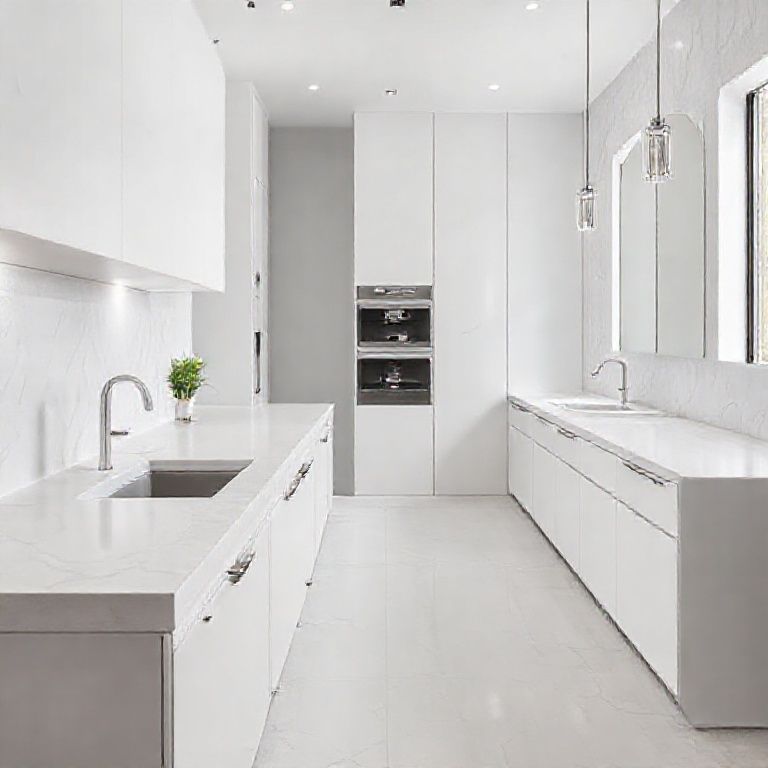
Aesthetics: With a wide range of colors and patterns, quartz allows for virtually limitless design possibilities. It can mimic the look of various natural stones like granite and marble while providing a more affordable alternative.
Low Maintenance: Unlike natural stone countertops, quartz doesn’t require sealing to maintain its appearance. It’s also highly resistant to heat, making it ideal for kitchens where hot pots and pans are a common sight.
Cost: Generally, quartz countertops are more affordable than their natural stone counterparts, while still offering a high-end look.
What is Engineered Stone?
Engineered stone, often referred to as synthetic stone or composite stone, is made by combining natural stone dust with resin and other additives. It’s then compressed and heated to form a solid surface. Engineered stone can mimic the appearance of various natural stones, such as granite, marble, and quartz.
Origin and Composition
Engineered stone is created through a process where natural stone dust is mixed with resin and other bonding agents. The mixture is then compressed under high pressure and heat, resulting in a solid, durable material. Unlike natural stone, engineered stone is not a single piece but rather a combination of layers bonded together.
Key Features of Engineered Stone
Durability: While engineered stone is strong and durable, it’s generally not as hard as quartz. However, it is still resistant to scratches, stains, and cuts, making it a good choice for busy kitchens and bathrooms.
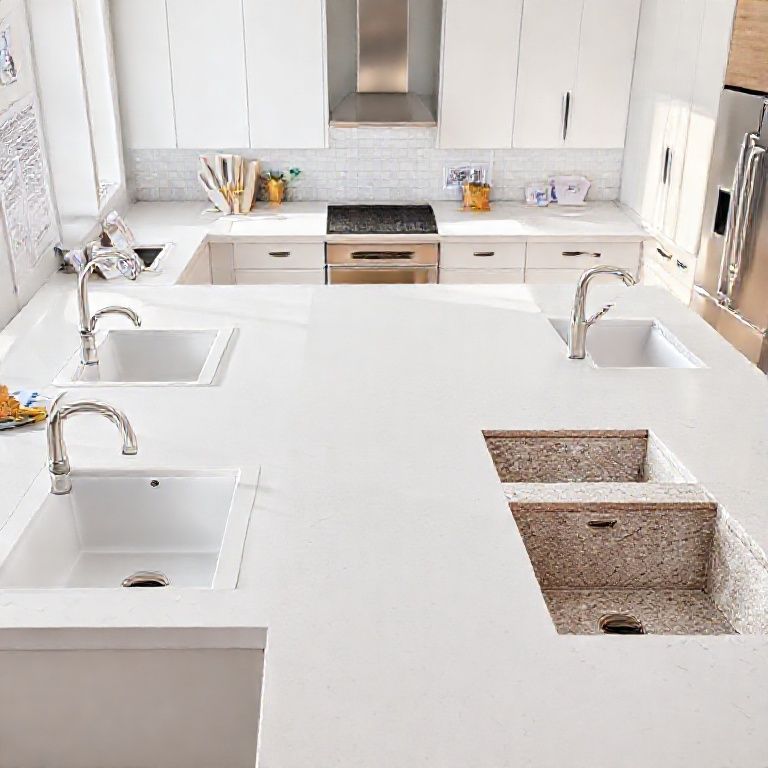
Aesthetics: Engineered stone can replicate the look of many natural stones, providing a realistic stone appearance without the high cost. It’s available in a wide range of colors and patterns, making it versatile for different design styles.
Low Maintenance: Engineered stone doesn’t require sealing like natural stone, but it does need to be cleaned properly to maintain its appearance. It’s also somewhat less heat-resistant than quartz.
Cost: Typically, engineered stone is more affordable than natural stone but can be more expensive than quartz. However, it offers a realistic stone appearance at a lower cost.
Comparing Quartz and Engineered Stone
Now that we’ve covered the basics, let’s delve deeper into the specific advantages and disadvantages of each material to help you decide which one is the best fit for your needs.
Durability
When it comes to durability, quartz takes the lead. Its ultra-hard composition makes it highly resistant to scratches, stains, and cuts. This makes it an excellent choice for high-traffic areas where durability is a top priority. Engineered stone, while durable, doesn’t quite match the hardness of quartz. It’s still a solid option but may not stand up as well to heavy use over time.
Aesthetics
Both quartz and engineered stone offer stunning aesthetics, but they do it in different ways. Quartz provides a seamless, monolithic surface that can replicate the look of natural stones like granite and marble. Its ability to mold into any shape and color means it can fit perfectly into almost any design style. Engineered stone also mimics natural stone, but it often has a layered appearance that gives it a more realistic stone texture. While it’s beautiful, it might not be as seamless as quartz.
Maintenance
Maintenance is another area where quartz has the upper hand. It doesn’t require sealing or regular upkeep, which means less work for you and a lower maintenance cost. Engineered stone also doesn’t need sealing but requires regular cleaning to keep its appearance. While it’s not as demanding as natural stone, it still needs more attention than quartz.
Cost
Cost is often a deciding factor for many homeowners. Quartz countertops tend to be more expensive than engineered stone due to their higher quality and durability. However, their premium look and low maintenance make them a worthwhile investment for many. Engineered stone offers a more budget-friendly alternative while still providing a realistic stone appearance. It’s an excellent choice for those looking for a high-end look without the high price tag.
Installation and Customization
Both quartz and engineered stone are relatively easy to install, but they do have different requirements. Quartz countertops are monolithic, meaning they’re a single piece of material. This makes them easier to cut and install, and they also offer a more uniform appearance. Engineered stone, on the other hand, is made up of multiple layers bonded together. While it’s still relatively easy to install, it might require more precise cutting and fitting to achieve a seamless look.
Environmental Impact
When considering the environmental impact of your countertop choice, both quartz and engineered stone have their pros and cons. Quartz is made from natural quartz and resin, which means it’s a more sustainable option as it doesn’t rely on the extraction of additional natural stone. Engineered stone, while it uses natural stone dust, also incorporates synthetic materials, which can be less environmentally friendly. However, both materials are manufactured processes that involve energy and resource use.
Conclusion
Choosing between quartz and engineered stone countertops comes down to your specific needs and preferences. If you’re looking for unmatched durability, a seamless, monolithic surface, and low maintenance, quartz is your best bet. It’s an investment that pays off in terms of longevity and appearance.
On the other hand, if you want a realistic stone look at a lower cost and don’t mind a bit more maintenance, engineered stone is an excellent choice. It offers a beautiful, affordable alternative that can fit seamlessly into any design style.
By understanding the key differences between quartz and engineered stone, you’ll be well-equipped to make an informed decision that will enhance the beauty and functionality of your kitchen or bathroom.
The Ultimate Guide to Choosing Between Quartz and Engineered Stone Countertops
As we continue our exploration of quartz and engineered stone countertops, it’s essential to delve deeper into their specific applications, long-term benefits, and how to maintain them to ensure they last for years to come.
Applications and Versatility
Both quartz and engineered stone are incredibly versatile materials that can be used in a variety of settings beyond just kitchens and bathrooms. Let’s explore their applications in more detail.
Kitchens
In kitchens, quartz and engineered stone are ideal for countertops, backsplashes, and even island surfaces. Their durability makes them perfect for areas that see a lot of use, such as countertops where pots, pans, and cutting boards are frequently placed. Quartz’s resistance to heat, stains, and scratches means it can withstand the rigors of daily cooking without showing signs of wear.
Engineered stone also excels in kitchens, providing a realistic stone appearance that many homeowners desire. It’s particularly popular for backsplashes, where it can add a touch of elegance without the high cost of natural stone. Its durability and low maintenance make it a practical choice for kitchen spaces.
Bathrooms
Bathrooms benefit greatly from the use of quartz and engineered stone. Their resistance to moisture and stains makes them perfect for vanities, sinks, and even shower surrounds. Unlike natural stone, these materials don’t absorb water, which means they’re less likely to develop mold and mildew.
Quartz countertops in bathrooms offer a sleek, modern look that complements a variety of design styles. Engineered stone, with its realistic stone texture, can add a touch of luxury to a bathroom without the high cost of natural stone. It’s an excellent choice for areas that see frequent use and exposure to water.
Commercial Spaces
In commercial spaces such as offices, cafes, and retail stores, quartz and engineered stone are popular choices for countertops, reception desks, and display cases. Their durability and low继续我们关于石英石和人造石台面的比较:
Long-Term Benefits
When considering the long-term benefits of quartz and engineered stone countertops, it’s important to think about factors such as durability, cost-effectiveness, and overall value.
Durability Over Time
Quartz countertops are renowned for their exceptional durability. The material’s ultra-hard composition ensures that it remains scratch-resistant, stain-resistant, and cut-resistant over time. This longevity translates into a product that requires minimal maintenance and replacement, making it a cost-effective choice in the long run.
Engineered stone, while still durable, doesn’t quite match the hardness of quartz. Over time, it can develop minor scratches and may require resurfacing or replacement if significant damage occurs. However, engineered stone’s durability is still impressive, and with proper care, it can last for many years.
Cost-Effectiveness
In terms of cost-effectiveness, quartz countertops offer a higher upfront cost but provide significant savings over time due to their durability and low maintenance. This makes them a worthwhile investment for homeowners looking for a long-lasting, high-end countertop material.
Engineered stone, on the other hand, is more affordable upfront. While it may require more frequent maintenance and occasional resurfacing, it’s still a cost-effective choice for those looking for a realistic stone appearance at a lower initial price.
Value and Aesthetics
When it comes to aesthetics, both quartz and engineered stone offer incredible value. Quartz provides a seamless, monolithic surface that can mimic the look of natural stones like granite and marble. Its ability to mold into any shape and color means it can fit perfectly into almost any design style.
Engineered stone also offers a realistic stone appearance with a more textured finish that mimics the look of natural stone. While it might not be as seamless as quartz, its layered appearance can add a unique touch to your space.
Maintenance Tips
Proper maintenance is key to keeping both quartz and engineered stone countertops looking their best.
Quartz Countertops
Cleaning: Quartz countertops are easy to clean. Use a mild soap and warm water to wipe down the surface. Avoid using abrasive cleaners or sponges that can scratch the surface. Stains and Spills: While quartz is highly resistant to stains, it’s best to clean up spills immediately to prevent any potential damage. Heat: Quartz is highly resistant to heat, so you don’t need to worry about pots and pans damaging the surface. However, it’s still a good idea to use trivets for very hot items to avoid any potential discoloration.
Engineered Stone Countertops
Cleaning: Clean engineered stone countertops with a mild soap and warm water. Avoid using acidic cleaners that can damage the surface. Stains and Spills: Clean up spills immediately to prevent stains. While engineered stone is durable, it’s still a good idea to address spills promptly. Heat: Like quartz, engineered stone is heat-resistant. However, it’s still a good idea to use trivets for very hot items to avoid any potential damage.
Conclusion
Choosing between quartz and engineered stone countertops ultimately comes down to your specific needs, preferences, and budget. Both materials offer unique benefits that make them excellent choices for kitchen and bathroom remodeling.
Quartz Countertops
Pros: Unmatched durability, low maintenance, wide range of colors and patterns, heat-resistant. Cons: Higher upfront cost, requires careful handling to avoid scratches.
Engineered Stone Countertops
Pros: Affordable, realistic stone appearance, versatile in design, durable. Cons: Slightly less durable than quartz, requires regular cleaning and maintenance.
By understanding the key differences between quartz and engineered stone, you’ll be well-equipped to make an informed decision that will enhance the beauty and functionality of your kitchen or bathroom for years to come.
Whether you choose the sleek, seamless look of quartz or the textured, realistic appearance of engineered stone, both materials offer outstanding value and performance. Consider your lifestyle, design preferences, and budget to determine which countertop material is the perfect fit for your home.
In the end, both quartz and engineered stone are excellent choices that can transform your space with their beauty, durability, and ease of maintenance. Take the time to explore each option further and consult with professionals to find the perfect solution for your remodeling project.