The Ultimate Guide to Choosing the Best Materials for Your Cabinet Countertop
When it comes to designing your kitchen, one of the most crucial elements is the cabinet countertop. The countertop not only defines the look of your kitchen but also plays a significant role in functionality. Selecting the right material for your cabinet countertop is essential to ensure durability, ease of maintenance, and an attractive appearance. Let’s explore the most popular and high-quality materials available for cabinet countertops.

1. Granite: The Timeless Classic
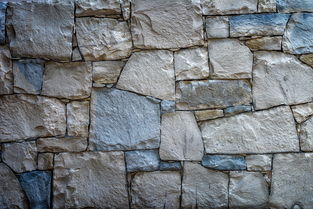
Aesthetic Appeal: Granite countertops are renowned for their stunning and unique patterns. Each slab of granite is different, offering a natural beauty that is both timeless and versatile. Available in a wide range of colors and patterns, granite can complement almost any kitchen style, from contemporary to rustic.
Durability: Granite is one of the hardest natural stones available, making it highly resistant to scratches, stains, and heat. This durability ensures that your countertop will withstand daily wear and tear without showing signs of damage.
Maintenance: While granite is low-maintenance, it does require sealing every one to two years to maintain its protective qualities. However, its resistance to heat, stains, and scratches makes it a low-effort material in terms of upkeep.
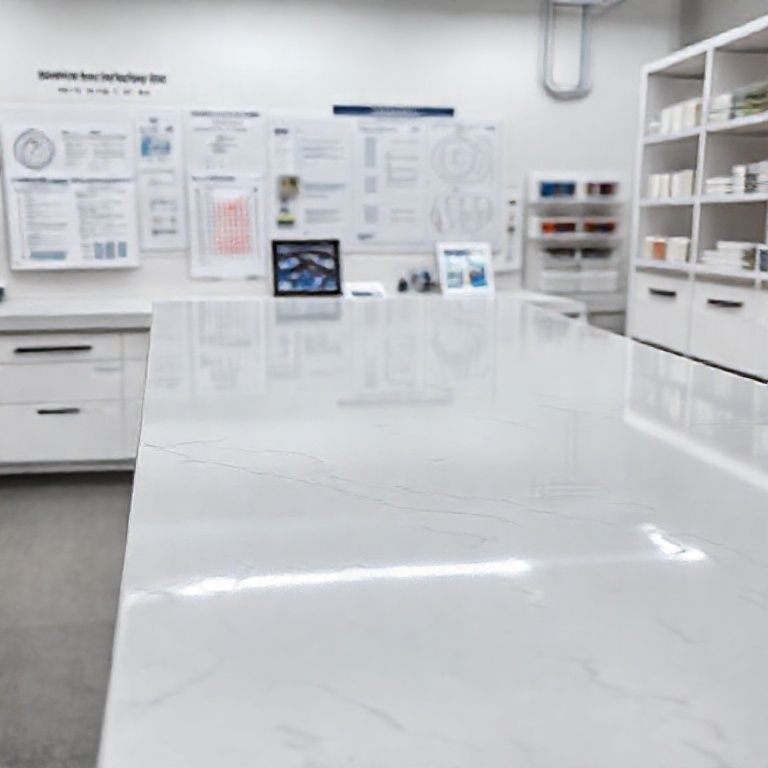
Cost: Granite countertops are on the higher end of the price spectrum. However, their longevity and beauty often justify the investment.
2. Quartz: The Modern Marvel
Aesthetic Appeal: Quartz offers an extensive range of colors, patterns, and textures, making it a versatile choice for modern kitchen designs. It can mimic the look of natural stone, wood, and even metal, allowing for a high degree of customization.
Durability: Quartz is engineered from 93% quartz by weight, making it incredibly strong and scratch-resistant. It is also impervious to heat, stains, and bacteria, ensuring a long-lasting and hygienic surface.
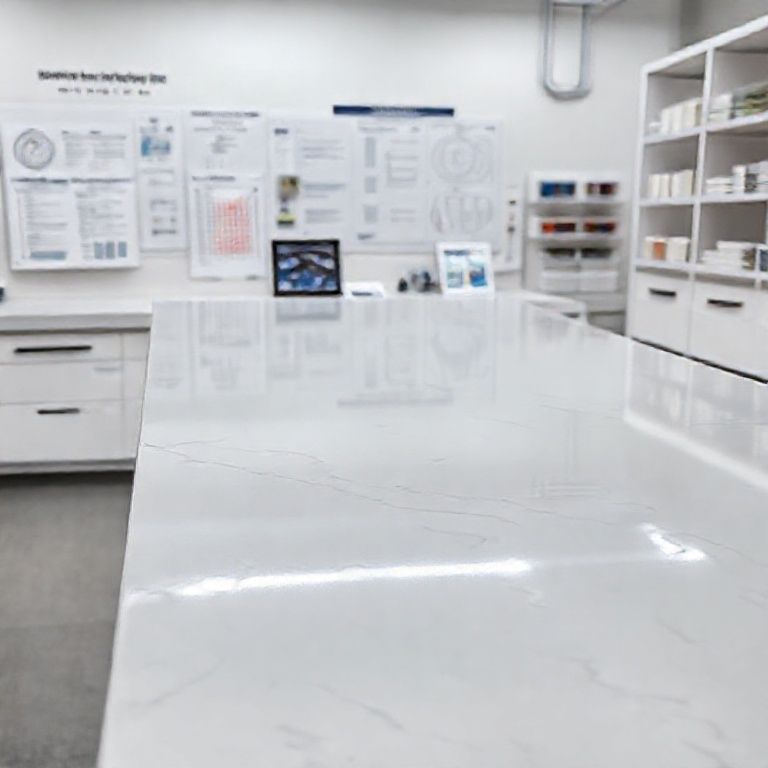
Maintenance: Quartz countertops are low-maintenance and do not require sealing like granite does. They can be cleaned easily with mild soap and water, making them a practical choice for busy households.
Cost: Quartz countertops are typically more affordable than granite but still offer premium quality and durability.
3. Solid Surface: The Versatile Choice
Aesthetic Appeal: Solid surface materials, such as Corian and Formica, offer a wide range of colors and patterns. They can be molded into various shapes and designs, providing a high degree of flexibility in kitchen design.
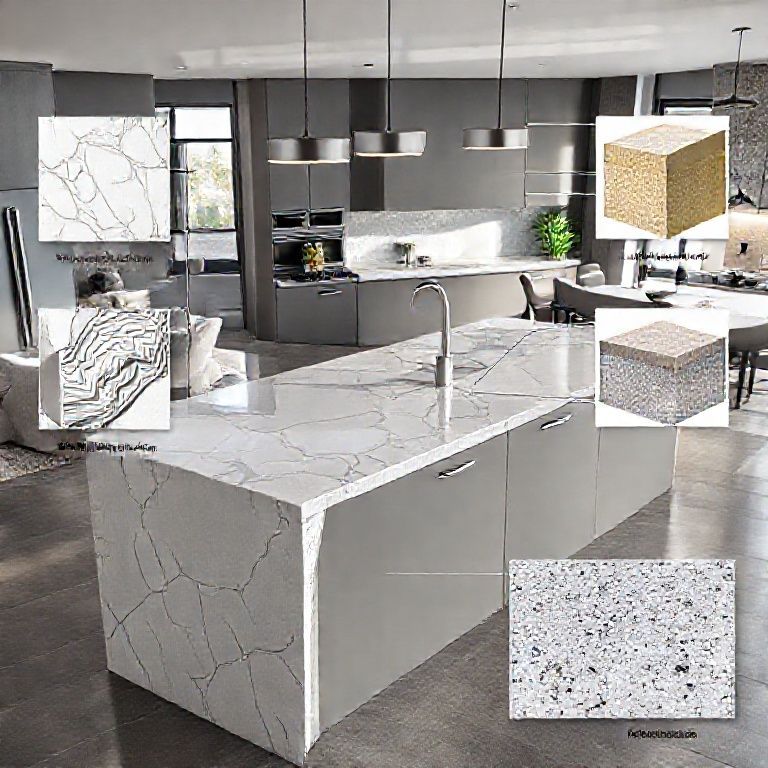
Durability: Solid surfaces are known for their strength and resistance to scratches, stains, and heat. They are also impervious to moisture and bacteria, making them ideal for kitchens that see a lot of use.
Maintenance: These materials are easy to clean and maintain. A simple wipe-down with a damp cloth and mild cleaner is usually sufficient to keep them looking pristine.
Cost: Solid surface countertops are generally more affordable than granite and quartz, making them an excellent choice for those looking for a high-quality yet budget-friendly option.
4. Wood: The Natural and Warm Option
Aesthetic Appeal: Wood countertops bring a warm and natural beauty to your kitchen. They are available in various species, each offering unique grains and colors. Wood countertops can provide a cozy and inviting atmosphere.
Durability: While wood is a beautiful material, it is less durable than stone or solid surfaces. It is susceptible to scratches, dents, and stains. However, high-quality wood finishes and sealants can enhance its durability.
Maintenance: Wood countertops require regular maintenance to prevent damage. They need to be polished and re-sealed periodically to maintain their appearance and protect against stains.
Cost: The cost of wood countertops varies widely depending on the type of wood and the quality of the finish. They can range from moderately affordable to quite expensive.
5. Stainless Steel: The Industrial Chic
Aesthetic Appeal: Stainless steel countertops offer a sleek, modern look that fits well with industrial and contemporary kitchen designs. They have a metallic sheen that can add a touch of elegance to any space.
Durability: Stainless steel is highly durable and resistant to scratches, stains, and heat. It is also easy to clean and maintain, making it a practical choice for busy kitchens.
Maintenance: Cleaning stainless steel is straightforward. A damp cloth and mild soap are usually sufficient to keep it looking new. However, it is important to avoid abrasive cleaners to prevent scratches.
Cost: Stainless steel countertops are generally more affordable than granite but offer a high-end look.
Conclusion
Choosing the right material for your cabinet countertop is a decision that impacts both the aesthetics and functionality of your kitchen. Granite and quartz offer premium durability and a wide range of designs, making them ideal for those seeking long-lasting beauty. Solid surfaces provide versatility and affordability, while wood brings a natural, warm touch. Stainless steel adds a modern, industrial flair. Consider your kitchen’s style, usage, and maintenance preferences to select the best material for your needs.
In the next part of this guide, we will delve deeper into the pros and cons of each material, provide tips for installation and maintenance, and discuss the latest trends in cabinet countertop design. Stay tuned for more valuable insights to help you make an informed decision.
The Ultimate Guide to Choosing the Best Materials for Your Cabinet Countertop
Pros and Cons of Popular Cabinet Countertop Materials
Having explored the main materials for cabinet countertops, it’s important to understand the specific pros and cons associated with each one to help you make a more informed decision.
1. Granite: The Timeless Classic
Pros:
Unmatched Durability: Granite is incredibly resistant to scratches, stains, and heat, making it an excellent choice for high-traffic areas. Natural Beauty: Each piece of granite is unique, offering a natural beauty that can enhance the aesthetic appeal of any kitchen. Longevity: Granite countertops can last for decades with proper care.
Cons:
Cost: Granite is one of the more expensive options, but its durability and beauty often justify the investment. Sealing Requirement: Granite requires regular sealing to maintain its protective qualities and appearance. Heavy: Granite is a heavy material, which can make installation more challenging.
2. Quartz: The Modern Marvel
Pros:
Versatility: Quartz offers a wide range of colors, patterns, and textures, allowing for extensive customization. Durability: Highly resistant to scratches, stains, heat, and bacteria. Low Maintenance: Requires minimal upkeep and does not need sealing like granite.
Cons:
Cost: While more affordable than granite, quartz is still on the higher end of the price spectrum. Cutting and Installation: Quartz can be more difficult to cut and install compared to some other materials.
3. Solid Surface: The Versatile Choice
Pros:
Design Flexibility: Solid surfaces like Corian and Formica can be molded into various shapes and designs. Durability: Highly resistant to scratches, stains, heat, and moisture. Ease of Maintenance: Simple to clean and maintain with minimal effort.
Cons:
Aesthetic Limitations: While versatile, solid surfaces may lack the natural beauty of stone or wood. Cost: While generally more affordable than granite and quartz, premium solid surfaces can still be expensive.
4. Wood: The Natural and Warm Option
Pros:
Warmth and Natural Beauty: Wood brings a cozy, natural feel to the kitchen. Customization: Available in various species and finishes to suit different tastes.
Cons:
Durability Issues: Wood is more prone to scratches, dents, and stains compared to stone or solid surfaces. Maintenance: Requires regular polishing and re-sealing to maintain its appearance and protect against damage. Cost: Prices vary widely depending on the type of wood and finish used.
5. Stainless Steel: The Industrial Chic
Pros:
Durability: Highly resistant to scratches, stains, and heat. Modern Look: Offers a sleek, industrial aesthetic that complements contemporary kitchen designs. Easy to Clean: Simple maintenance with minimal effort.
Cons:
Aesthetic Limitations: The metallic look may not suit every kitchen style. Abrasion: Requires careful cleaning to avoid scratches.
Tips for Installation and Maintenance
Regardless of the material you choose, proper installation and maintenance are crucial to ensuring the longevity and beauty of your cabinet countertop.
Installation Tips:
Professional Installation: For materials like granite and quartz, it’s best to hire a professional installer to ensure proper fitting and sealing. Underlayment: Use an appropriate underlayment to provide a stable base for your countertop. This is particularly important for heavy materials like granite. Cutting: If your countertop requires cutting, ensure it is done by a professional to avoid uneven edges and potential damage.
继续:如何维护和延长你的橱柜台面寿命
无论你选择了哪种材料的橱柜台面,正确的维护和保养对于延长其使用寿命至关重要。下面我们将详细探讨如何保养和延长你的橱柜台面。
1. 日常清洁
日常清洁:
使用温和的清洁剂:无论你的台面是什么材质,都应使用温和的清洁剂。对于大多数材料,温水和中性洗涤剂是最佳选择。 用柔软的布或海绵擦拭:避免使用粗糙的布料或玻璃擦,这些可能会划伤表面。
2. 处理污渍和划痕
处理污渍:
即时处理:污渍和溢出物应立即清理,以防止其渗入材料表面,造成永久性损害。 专用清洁剂:对于不同材料,有专门的清洁剂。例如,石英台面有专用的清洁剂,而木质台面则需要特别的保养油。
处理划痕:
小划痕:对于轻微的划痕,可以使用抛光膏或专门的修复套装。涂抹膏料并轻轻打磨,直到划痕消失。 大划痕:对于较大的划痕,可能需要专业修复服务,特别是对于硬质石材如花岗岩。
3. 防止热损伤
防止热损伤:
使用炊具垫:在炉灶上烹饪时,使用炊具垫或不粘锅来避免直接热源接触台面。 迅速清理热源:当炉灶上的物品变热时,尽量迅速清理,以防止热量渗入台面。
4. 特殊材料的维护
特殊材料:
大理石:大理石需要特别小心,因为它容易受到酸性物质的腐蚀。避免使用醋、柠檬汁等酸性清洁剂,并使用专门的大理石保养油进行定期保养。 人造石:像Corian这样的人造石表面相对耐用,但仍需避免使用强酸强碱清洁剂。用温和的清洁剂和柔软的布擦拭即可。
5. 长期保护
长期保护:
定期检查:定期检查台面是否有任何损坏或磨损,及时处理小问题以防止其恶化。 使用保护垫:在橱柜下方和台面上方放置保护垫,尤其是对于易受损的材料,这可以防止物品直接接触台面造成损坏。
6. 避免常见误区
避免常见误区:
不要忽视定期保养:忽视定期保养可能会导致小问题变成大问题,如果及时保养,很多问题是可以避免的。 避免使用钢丝球:钢丝球虽然清洁效果好,但它们会划伤许多台面材料,尤其是石材和人造石。
7. 专业保养服务
专业保养服务:
定期专业保养:对于高档材料,如花岗岩和石英,建议每隔一段时间请专业人员进行保养。这不仅可以延长其使用寿命,还能保持其最佳外观。
结论
无论你选择了哪种材料的橱柜台面,遵循正确的保养方法,可以大大延长其使用寿命。了解每种材料的特点和需要的保养方法,不仅能保持台面的美观,还能避免不必要的损坏和维修费用。通过日常的细心护理和及时的专业保养,你的橱柜台面将长久地为你的厨房增添美丽和功能。