${title} The Ultimate Guide to Choosing the Best Materials for Kitchen Countertops
${description} Whether you’re a DIY enthusiast or a professional, selecting the right material for your kitchen countertop is crucial for durability, aesthetics, and functionality. This comprehensive guide delves into the most popular and high-quality materials available, offering insights to help you make an informed decision. From granite to quartz, marble to concrete, discover the best options to elevate your kitchen’s design and longevity.

${keywords} kitchen countertop materials, best kitchen counter material, durable kitchen countertop, kitchen design, countertop aesthetics, countertop durability, granite countertop, quartz countertop, marble countertop, concrete countertop
${part1} Choosing the perfect material for your kitchen countertop is a decision that involves balancing several factors, including durability, cost, maintenance, and style. Each material has unique characteristics that make it suitable for different needs and preferences. Here’s an in-depth look at some of the most popular and high-quality materials for kitchen countertops, along with their pros and cons.
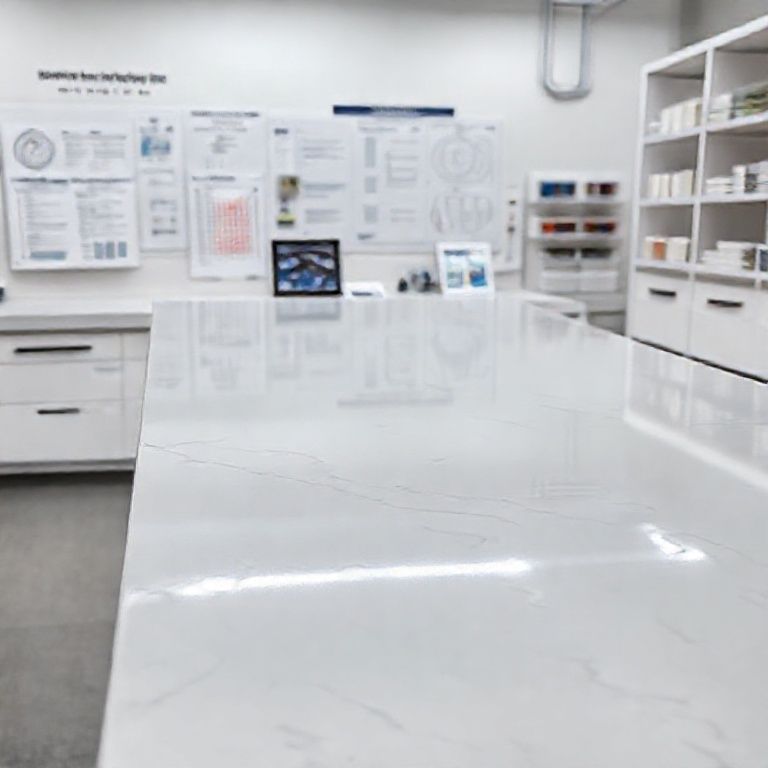
Granite
Pros:
Durability: Granite is known for its exceptional hardness and durability. It can withstand heavy use and resist scratches, making it a long-lasting option. Aesthetic Appeal: Granite comes in a wide range of colors and patterns, offering a natural and unique look that can enhance any kitchen design. Heat Resistance: Granite is highly resistant to heat, which makes it ideal for kitchens where hot pots and pans are frequently used.
Cons:
Maintenance: While granite is durable, it requires regular sealing to maintain its protective coating and prevent staining. Cost: Granite is generally one of the more expensive countertop materials due to its natural stone composition.
Quartz
Pros:
Durability: Quartz is a synthetic material made from 90% natural stone and 10% bonding agent. It is incredibly durable, scratch-resistant, and stain-proof. Affordability: Quartz countertops are generally more affordable than natural stone options like granite or marble. Customization: Quartz offers an extensive range of colors and patterns, allowing for highly customized designs.
Cons:
Heat Resistance: Although quartz is resistant to most everyday spills and scratches, it is not as heat-resistant as some other materials, such as granite. Installation: Quartz countertops may require more precise installation compared to other materials.
Marble
Pros:
Aesthetic Appeal: Marble is renowned for its beauty and elegance. Its unique veining and colors add a luxurious touch to any kitchen. Heat Resistance: Marble is relatively heat-resistant, though it can still be affected by very hot objects.
Cons:
Maintenance: Marble is softer and more susceptible to scratches and stains than other countertop materials. Regular sealing is necessary to protect its surface. Cost: Marble countertops are often expensive due to their luxurious appearance and the labor-intensive process of installation.
Concrete
Pros:
Durability: Concrete countertops are highly durable and can withstand heavy use and high temperatures. Aesthetic Appeal: Concrete offers a unique, industrial look that is both modern and stylish. It can be colored and textured in numerous ways to suit various design preferences. Affordability: Concrete countertops are generally more affordable than natural stone options.
Cons:
Maintenance: Concrete can be prone to staining, though it is highly durable. It may require regular sealing and maintenance to keep its surface looking its best. Installation: Concrete countertops can be more challenging to install and may require professional help to achieve the desired finish.
Laminate
Pros:
Affordability: Laminate is one of the most budget-friendly countertop options available. Design Variety: It offers a wide range of colors, patterns, and finishes, allowing for creative design possibilities.
Cons:
Durability: Laminate is not as durable as other countertop materials and can be scratched and stained more easily. Heat Resistance: Laminate is not very heat-resistant and can warp or discolor when exposed to high temperatures.
Corian
Pros:
Durability: Corian is highly durable, scratch-resistant, and resistant to stains, making it an excellent choice for busy kitchens. Heat Resistance: Corian is resistant to high temperatures, which makes it suitable for areas where hot items are frequently placed.
Cons:
Cost: Corian countertops can be more expensive than some other materials. Installation: Corian requires precise cutting and installation to ensure a seamless finish.
Conclusion
Choosing the right material for your kitchen countertop involves considering factors like durability, cost, maintenance, and style. Each material has its unique advantages and drawbacks. Granite and quartz offer excellent durability and aesthetic appeal, while marble provides a luxurious look at a higher cost. Concrete offers a modern, industrial style that is both durable and affordable. Laminate and Corian provide budget-friendly options with unique design possibilities.
By understanding the pros and cons of each material, you can make an informed decision that will enhance your kitchen’s functionality and beauty. Whether you prioritize durability, cost, or aesthetic appeal, there’s a perfect countertop material out there for your needs.
${title} The Ultimate Guide to Choosing the Best Materials for Kitchen Countertops (Part 2)
${description} Continuing our comprehensive exploration of kitchen countertop materials, this second part dives deeper into the unique attributes, maintenance requirements, and installation considerations for each material. Whether you’re considering natural stone, synthetic alternatives, or innovative options like concrete, this guide will help you make an informed decision that suits your kitchen’s specific needs and enhances its overall design.
${keywords} kitchen countertop materials, best kitchen counter material, durable kitchen countertop, kitchen design, countertop aesthetics, countertop durability, granite countertop, quartz countertop, marble countertop, concrete countertop
${part2} In the second part of our guide on choosing the best materials for kitchen countertops, we will delve deeper into the unique characteristics, maintenance requirements, and installation considerations for each material. This will help you make a well-informed decision that caters to your kitchen’s specific needs and enhances its overall design.
Granite
Unique Attributes:
Variety of Colors and Patterns: Granite comes in an impressive array of colors and patterns, ranging from deep blacks and grays to vibrant reds and greens. This natural stone’s unique veining and patterns make each piece one-of-a-kind. Workability: Granite can be easily shaped and cut to fit specific design requirements.
Maintenance Requirements:
Sealing: To maintain its beauty and protect against stains, granite countertops need to be sealed every 6 to 12 months, depending on usage. Cleaning: Use mild, non-abrasive cleaners to avoid scratching the surface. Avoid using acidic cleaners like vinegar or lemon juice.
Installation Considerations:
Professional Installation: Due to its heavy weight and the need for precise cutting, granite countertops are best installed by professionals to ensure a flawless finish.
Quartz
Unique Attributes:
Customization: Quartz allows for extensive customization in terms of colors, patterns, and textures. It can mimic the look of natural stone or offer a completely unique design. Consistency: Quartz countertops have a consistent appearance, free from the natural variability seen in stone.
Maintenance Requirements:
Cleaning: Quartz is relatively low-maintenance. Use mild dish soap and warm water to clean the surface. Avoid using abrasive cleaners or scrubbers.
Installation Considerations:
Precision: Quartz countertops require precise cutting and fitting, making professional installation highly recommended.
Marble
Unique Attributes:
Natural Beauty: Marble’s unique veining and colors offer a luxurious, elegant look that adds a touch of sophistication to any kitchen. Variety: Marble comes in numerous types, each with its own unique characteristics and beauty.
Maintenance Requirements:
Sealing: Regular sealing is necessary to protect the marble from stains and maintain its appearance. It should be sealed every 6 to 12 months. Cleaning: Use a marble-specific cleaner or a mild, pH-neutral cleaner to avoid etching the surface.
Installation Considerations当然,继续我们对不同材料的深入探讨:
Marble (大理石)
Unique Attributes:
Natural Beauty: Marble’s unique veining and colors offer a luxurious, elegant look that adds a touch of sophistication to any kitchen. Variety: Marble comes in numerous types, each with its own unique characteristics and beauty.
Maintenance Requirements:
Sealing: Regular sealing is necessary to protect the marble from stains and maintain its appearance. It should be sealed every 6 to 12 months. Cleaning: Use a marble-specific cleaner or a mild, pH-neutral cleaner to avoid etching the surface.
Installation Considerations:
Professional Installation: Due to the intricate patterns and the need for precise cutting, marble countertops are best installed by professionals to ensure a flawless finish.
Concrete
Unique Attributes:
Customization: Concrete offers an industrial, modern look that is both stylish and versatile. It can be colored, textured, and imprinted in numerous ways to suit various design preferences. Durability: Concrete countertops are highly durable and can withstand heavy use and high temperatures.
Maintenance Requirements:
Sealing: To maintain its appearance and protect against stains, concrete countertops need to be sealed regularly. The frequency depends on the specific formulation and usage. Cleaning: Use mild dish soap and warm water to clean the surface. Avoid using acidic cleaners which can etch the surface.
Installation Considerations:
Professional Installation: Concrete countertops require precise cutting, fitting, and sealing. Professional installation is highly recommended to achieve the desired finish and ensure durability.
Laminate
Unique Attributes:
Design Variety: Laminate offers a wide range of colors, patterns, and finishes, allowing for creative design possibilities. Cost-Effectiveness: It is one of the most budget-friendly countertop options available.
Maintenance Requirements:
Avoiding Heat: Laminate can be damaged by heat and should be protected from direct contact with hot items. Cleaning: Use mild dish soap and warm water to clean the surface. Avoid using abrasive cleaners which can scratch the surface.
Installation Considerations:
Professional Help: While laminate can be installed by DIY enthusiasts, professional installation can ensure a seamless finish and proper bonding.
Corian
Unique Attributes:
Durability: Corian is highly durable, scratch-resistant, and resistant to stains, making it an excellent choice for busy kitchens. Design Flexibility: It offers a variety of colors and patterns, allowing for creative design possibilities.
Maintenance Requirements:
Cleaning: Corian countertops can be cleaned with mild dish soap and warm water. Avoid using abrasive cleaners which can scratch the surface.
Installation Considerations:
Precision: Corian requires precise cutting and installation to ensure a seamless finish. Professional installation is highly recommended.
Conclusion
Choosing the right material for your kitchen countertop involves understanding the unique attributes, maintenance requirements, and installation considerations for each option. Granite and quartz offer excellent durability and aesthetic appeal, while marble provides a luxurious look at a higher cost. Concrete offers a modern, industrial style that is both durable and affordable. Laminate and Corian provide budget-friendly options with unique design possibilities.
By considering these factors, you can make an informed decision that will enhance your kitchen’s functionality and beauty. Whether you prioritize durability, cost, or aesthetic appeal, there’s a perfect countertop material out there for your needs.
By exploring the pros and cons of each material in detail, you can make a well-informed decision that caters to your kitchen’s specific needs and enhances its overall design. Remember, the right choice depends on your personal preferences, budget, and the specific requirements of your kitchen. Happy designing!