The Intricacies and Benefits of Quartzite and Marble
${part1}
When it comes to choosing a natural stone for your home decor, the decision between quartzite and marble is not just about aesthetics; it’s about durability, maintenance, and long-term value. Both of these stones have their unique qualities that make them popular choices for various applications, from kitchen countertops to bathroom tiles. Let’s delve into the intricacies and benefits of each to help you make a well-informed decision.

Quartzite: The Unyielding Champion of Durability
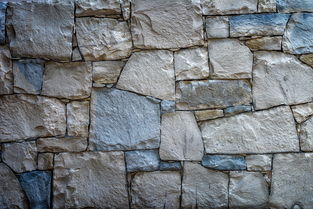
Quartzite is a metamorphic rock that is formed when quartz-rich sandstone is subjected to intense pressure and heat. This transformation process endows quartzite with remarkable strength and durability. Quartzite is approximately 95% pure quartz, which makes it highly resistant to scratches, stains, and heat. This makes it an excellent choice for high-traffic areas like kitchens and dining rooms.
Benefits of Quartzite:
Exceptional Durability: Quartzite’s high silica content makes it one of the hardest natural stones available, giving it superior resistance to scratches and stains. It’s also highly heat-resistant, making it ideal for kitchen countertops where hot pots and pans are frequently used.
Low Maintenance: One of the greatest advantages of quartzite is its low maintenance. It doesn’t require sealing, unlike some other natural stones, which can be prone to absorbing oils and stains. A simple wipe-down with a damp cloth suffices for most cleaning needs.
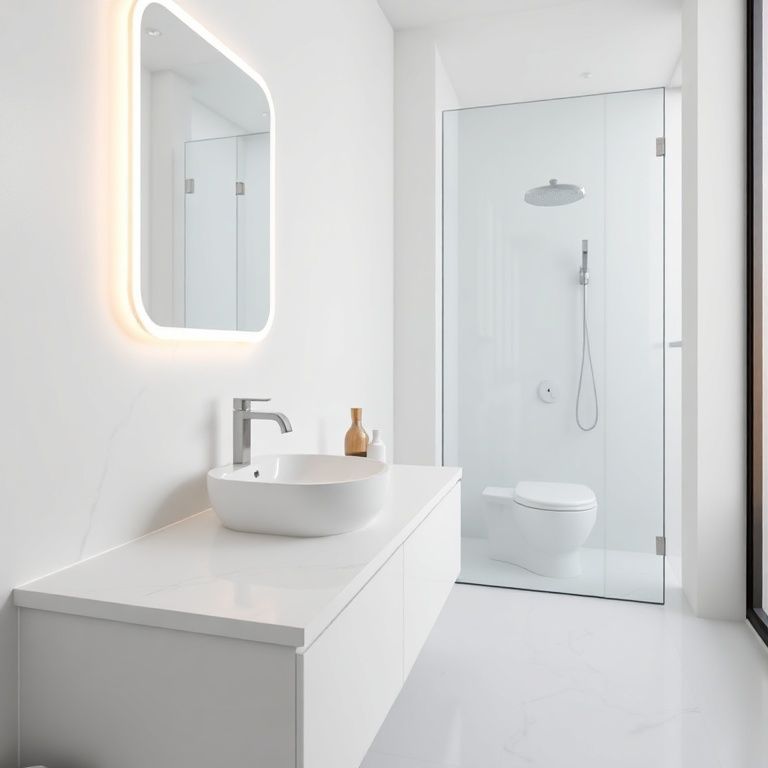
Versatile Appearance: Quartzite comes in a variety of colors and patterns, from earthy tones to vibrant hues, offering a wide range of design possibilities. This versatility allows it to blend seamlessly into various interior styles, from modern to rustic.
Affordability: While quartzite may not be as inexpensive as some synthetic alternatives, its durability and low maintenance make it a cost-effective choice in the long run.
Marble: The Timeless Classic of Elegance
Marble, on the other hand, is a metamorphic rock formed from the recrystallization of limestone under heat and pressure. Marble is renowned for its exquisite beauty, with its unique veining and colors that make every piece one-of-a-kind. It’s been a favorite for centuries, gracing palaces, churches, and homes worldwide.
Benefits of Marble:
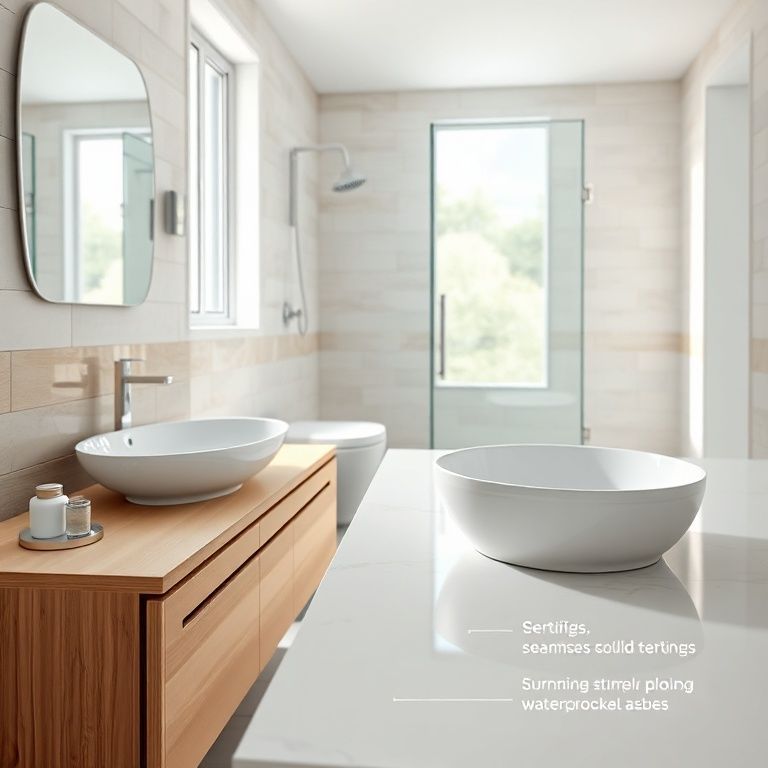
Aesthetic Appeal: Marble’s most striking feature is its natural beauty. The veining and color variations create a luxurious and elegant look that adds a touch of sophistication to any space. It’s a favorite for both residential and commercial projects where visual appeal is paramount.
Versatility: Marble is incredibly versatile and can be used for a variety of applications, including countertops, flooring, tiles, and even sculptures. Its ability to complement a wide range of architectural styles makes it a versatile choice.
Historical Significance: Marble has been used for centuries in some of the world’s most iconic buildings, including the Taj Mahal, the Colosseum, and the Lincoln Memorial. Its historical significance adds a timeless and classic appeal.
Customization: Marble can be cut and shaped in various ways to create unique designs. Whether you’re looking for a custom countertop or a bespoke fireplace surround, marble can be tailored to meet your specific needs.
Comparing Quartzite and Marble: Which is Better?
While both quartzite and marble offer unique benefits, the choice between them often comes down to specific needs and preferences. Here are some factors to consider when comparing the two:
Durability: If durability and low maintenance are your top priorities, quartzite is likely the better choice. Its high resistance to scratches, stains, and heat makes it ideal for high-traffic areas.
Aesthetic Appeal: If visual beauty and elegance are more important to you, marble might be the better option. Its unique veining and natural color variations create a luxurious and timeless look.
Maintenance: Quartzite requires significantly less maintenance than marble. While marble needs regular sealing to prevent stains, quartzite only needs a simple wipe-down.
Cost: While both materials are relatively expensive, quartzite is generally more affordable than marble. However, the cost difference might be offset by the lower maintenance needs of quartzite.
Applications and Long-term Considerations
${part2}
Having explored the foundational qualities and benefits of quartzite and marble, it’s now time to delve deeper into their practical applications and long-term considerations. This will help you understand how each material stands up to different uses and what long-term investment you’re making when choosing one over the other.
Quartzite: Versatility in Various Applications
Quartzite’s impressive durability and low maintenance make it an excellent choice for a wide range of applications. Here are some of the most common uses of quartzite:
1. Kitchen Countertops: Quartzite’s scratch and stain resistance make it perfect for kitchen countertops. It can withstand the daily wear and tear of cooking and cleaning, ensuring a long-lasting and beautiful surface.
2. Bathroom Vanities: Its durability also makes quartzite an excellent choice for bathroom vanities. It can handle the moisture and frequent use in a bathroom setting without showing signs of wear.
3. Flooring: While less common than countertops, quartzite can also be used for flooring. Its hardness and resistance to scratches make it a durable option for high-traffic areas.
4. Outdoor Applications: Quartzite’s heat resistance also makes it suitable for outdoor applications such as patios, outdoor kitchens, and fire pits. Its durability ensures it will withstand the elements and remain beautiful for years to come.
Marble: Timeless Beauty in Diverse Settings
Marble’s aesthetic appeal and versatility make it a popular choice for a wide range of applications. Here’s how marble is typically used:
1. Countertops: Marble countertops are a staple in luxury kitchens. Their unique veining and color variations create a stunning and elegant look that adds a touch of sophistication to any kitchen.
2. Bathrooms: Marble is often used for bathroom vanities, tiles, and even bathtubs. Its beauty and elegance make it a perfect choice for creating a luxurious and serene bathroom space.
3. Flooring: Marble is a classic choice for flooring, both indoors and outdoors. Its timeless beauty and elegance make it a popular option for both residential and commercial spaces.
4. Sculptures and Art Pieces: Marble’s unique texture and color variations make it an excellent choice for sculptures and art pieces. It has been used by renowned sculptors for centuries to create breathtaking works of art.
Long-term Considerations: Cost, Maintenance, and Investment
When choosing between quartzite and marble, long-term considerations such as cost, maintenance, and overall investment are crucial. Here’s a detailed look at these factors for each material:
Cost:
Quartzite: While quartzite may be more expensive than some synthetic alternatives, its durability and low maintenance make it a cost-effective choice in the long run. The initial investment pays off through reduced maintenance costs and a longer lifespan.
Marble: Marble is generally more expensive than quartzite, especially high-quality marbles like Carrara or Italian. However, its timeless beauty and historical significance often justify the higher cost for those looking for an elegant and luxurious finish.
Maintenance:
Quartzite: Quartzite requires minimal maintenance. A simple wipe-down with a damp cloth is usually sufficient to keep it looking beautiful and pristine. This low maintenance makes it an excellent choice for busy households.
Marble: Marble requires regular sealing to prevent stains and maintain its beauty. This involves periodic application of a marble sealant, which can add to the overall maintenance costs. However, the visual appeal and elegance of marble often make this extra effort worthwhile.
Investment:
Quartzite: The long-term investment in quartzite is reflected in its durability and low maintenance. While the initial cost might be higher than some alternatives, its resistance to scratches, stains, and heat ensures a longer lifespan and reduced need for repairs.
Marble: The investment in marble is often justified by its timeless beauty and elegance. While the initial cost is higher, the long-term value and aesthetic appeal make it a worthwhile choice for those looking to create a luxurious and sophisticated space.
Conclusion: Making the Right Choice for Your Home
Choosing between quartzite and marble ultimately comes down to your specific needs, preferences, and the spaces in your home where the stone will be used. Quartzite offers unparalleled durability and low maintenance, making it ideal for high-traffic areas where durability is paramount. Marble, on the other hand, provides unmatched aesthetic appeal and elegance, perfect for spaces where visual beauty is a priority.
By considering factors such as durability, maintenance, cost, and long-term investment, you can make an informed decision that will enhance the beauty, functionality, and value of your home for years to come. Whether you choose the unyielding strength of quartzite or the timeless elegance of marble, both materials offer unique and lasting benefits that will enrich your living space.