The Ultimate Guide to Choosing Between Quartz Countertops and Composite Stone Countertops
In today’s modern kitchen and bathroom design landscape, the choice between quartz and composite stone countertops has become a significant decision for homeowners and designers alike. Both materials offer unique benefits and cater to different needs and preferences. This article delves into the intricacies of these two popular countertop materials, helping you understand their features, advantages, and ideal applications.

Understanding Quartz Countertops
What is Quartz? Quartz countertops are made from 93% pure quartz, a naturally occurring mineral, combined with various colors and textures to create a seamless surface. The remaining 7% consists of resins and other materials that bind the quartz particles together.
Advantages of Quartz Countertops
Durability: Quartz is known for its remarkable durability. Its high resistance to scratches, stains, and scratches makes it an excellent choice for high-traffic areas such as kitchens. Heat Resistance: Quartz countertops can withstand high temperatures, making them ideal for areas where pots and pans are frequently placed on the stovetop. Low Maintenance: Unlike other countertops, quartz does not require sealing. It naturally repels water and stains, which makes it easy to clean and maintain. Variety of Designs: Quartz is available in an extensive range of colors, patterns, and finishes, allowing for a wide array of design possibilities to match any aesthetic preference.
Applications of Quartz Countertops Quartz countertops are versatile and can be used in various settings beyond just kitchens. They are commonly found in bathrooms, dining areas, and even living rooms due to their elegant and modern look. The sleek and minimalist design of quartz makes it a popular choice for contemporary and modern homes.
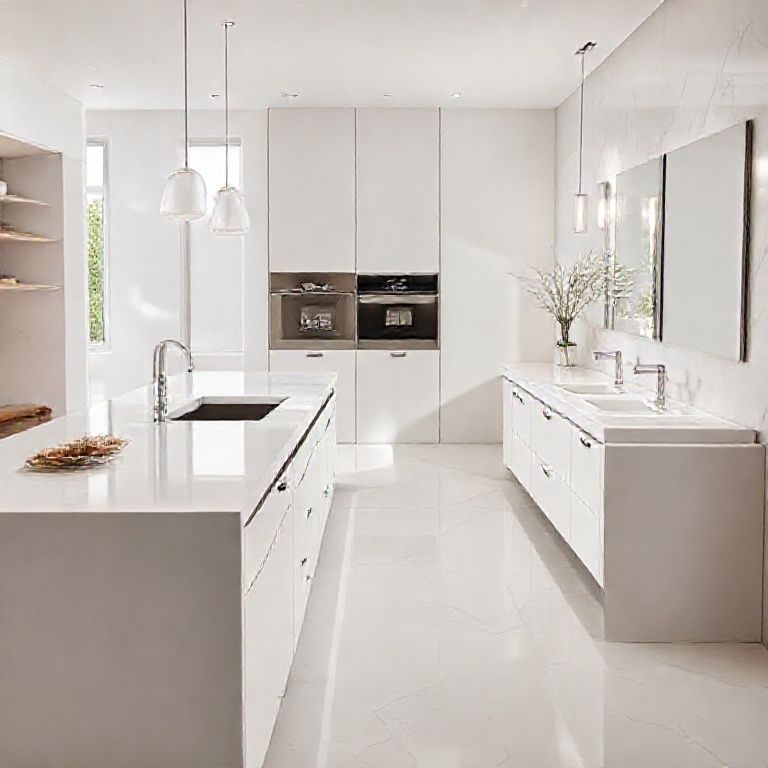
Installation and Cost The installation of quartz countertops is straightforward and typically requires no special preparation beyond basic leveling. However, professional installation is recommended to ensure a perfect fit and finish. The cost of quartz countertops ranges from $35 to $85 per square foot, depending on the design and quality of the material.
Understanding Composite Stone Countertops
What is Composite Stone? Composite stone, also known as cultured marble, is a combination of natural stone powder (usually marble or limestone) and a resin binder. This mixture is then pressed and cured to create a solid surface that mimics the appearance of natural stone.
Advantages of Composite Stone Countertops
Aesthetic Appeal: Composite stone offers a luxurious appearance that closely resembles natural stone, providing a classic and elegant look that can enhance the beauty of any space. Cost-Effective: Generally, composite stone countertops are more affordable than quartz, making them an excellent choice for those who want the look of luxury without the high price tag. Design Flexibility: The ability to mix and match colors and patterns in composite stone allows for highly customized designs that can cater to individual tastes and specific design requirements. Low Maintenance: Similar to quartz, composite stone does not require sealing and is relatively easy to clean. It is also highly resistant to stains and scratches.
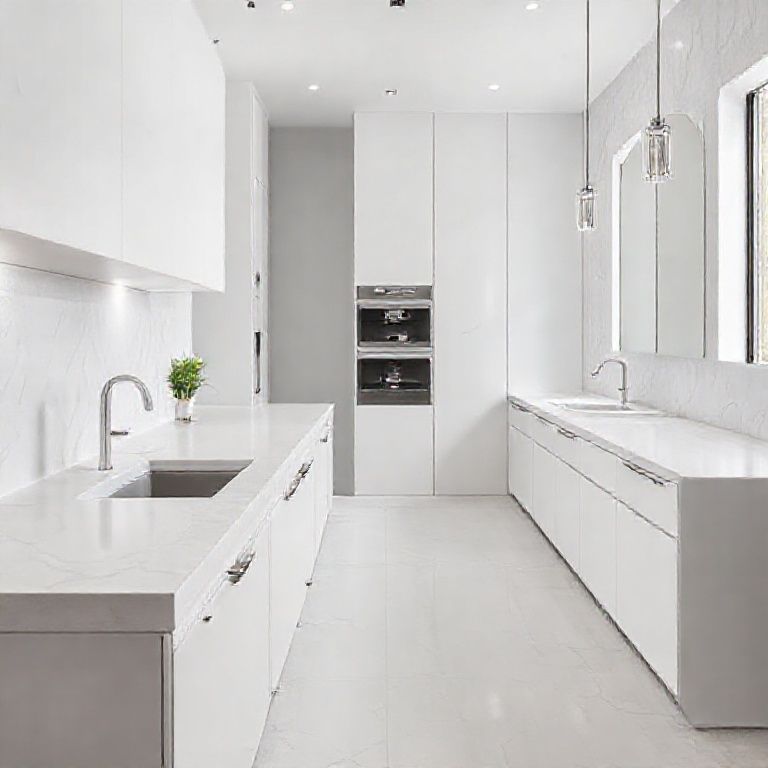
Applications of Composite Stone Countertops Composite stone is versatile and can be used in various areas of the home, including kitchens, bathrooms, and even commercial spaces like cafes and restaurants. Its ability to mimic the appearance of high-end natural stone makes it a popular choice for those looking to add a touch of luxury to their space without the premium price.
Installation and Cost The installation process for composite stone countertops is similar to that of quartz, requiring professional installation for best results. The cost typically ranges from $20 to $40 per square foot, making it a more budget-friendly option for many homeowners.
The Key Differences
Durability While both materials are durable, quartz generally edges out composite stone in terms of scratch and stain resistance. Quartz’s natural composition makes it less susceptible to damage from everyday use.

Maintenance Both materials are low maintenance and do not require sealing. However, quartz’s natural resistance to water and stains gives it an edge in ease of cleaning.
Cost Composite stone is generally more affordable than quartz, making it an attractive option for those on a budget. However, the cost difference can vary widely depending on the specific design and quality of the material chosen.
Design Options Quartz offers a wide range of colors and patterns, but composite stone provides exceptional flexibility in design, allowing for custom blends and unique combinations that can closely match the appearance of natural stone.
Making the Right Choice
When deciding between quartz and composite stone countertops, it’s important to consider your specific needs and preferences. If you value durability, high-end aesthetics, and low maintenance, quartz may be the better choice. On the other hand, if budget is a significant concern and you still want a luxurious appearance, composite stone offers a fantastic alternative.
In the next part of this guide, we will further explore the installation process, maintenance tips, and additional considerations to help you make an informed decision about your countertop choice. Stay tuned for more insights!
The Ultimate Guide to Choosing Between Quartz Countertops and Composite Stone Countertops
In the previous part of this article, we explored the fundamental differences between quartz and composite stone countertops, including their durability, maintenance, cost, and design flexibility. In this second part, we will delve deeper into the installation process, maintenance tips, and additional considerations to help you make an informed decision about your countertop choice.
Installation Process
Preparation Regardless of the material, proper preparation is crucial for a successful installation. For both quartz and composite stone countertops, the surface where the countertop will be installed must be clean, level, and free of any obstructions. It’s also important to ensure that the cabinetry and sink are properly aligned and ready to accommodate the new countertop.
Cutting the Countertop Both materials require precise cutting to fit the space correctly. For quartz, a tile saw with a diamond blade is typically used to make clean cuts. For composite stone, a specialized saw with a carbide blade is necessary. It’s highly recommended to hire a professional for cutting to ensure accuracy and a professional finish.
Installation The installation process for both materials is similar. The countertop is first laid on the surface and secured using appropriate fasteners. For quartz, a thin-set mortar or adhesive is often used, while composite stone may require a different type of adhesive depending on the backing material. Professionals typically handle the installation to ensure that the countertop is properly aligned and secured.
Finishing Touches After installation, it’s important to make any necessary adjustments to ensure a seamless look. This includes trimming excess material and making any final alignments. For quartz, no additional finishing is usually required due to its natural resistance to stains and scratches. For composite stone, some additional sealing or finishing may be needed to enhance durability and appearance.
Maintenance Tips
Cleaning Quartz Countertops Maintaining a quartz countertop is simple due to its natural resistance to stains and water. To clean, use a mild soap and water solution and wipe the surface with a soft cloth. For tougher stains, a mixture of baking soda and water can be used as a gentle abrasive. Avoid using abrasive cleaners or steel wool, as they can scratch the surface.
Cleaning Composite Stone Countertops Composite stone countertops are also easy to clean but may require more attention than quartz. To clean, use a mild soap and water solution and wipe the surface with a soft cloth. For tougher stains, a mixture of vinegar and water can be used as a gentle abrasive. It’s important to avoid using abrasive cleaners or steel wool, as they can scratch the surface. Occasionally, a specialized cleaner for composite stone can be used to maintain the surface’s appearance.
Sealing and Protecting While quartz does not require sealing, composite stone countertops may benefit from periodic sealing to enhance their durability and appearance. It’s important to follow the manufacturer’s instructions for any sealing products and to apply them as needed to maintain the countertop’s integrity.
Avoiding Damage Both quartz and composite stone countertops are resistant to everyday wear and tear, but it’s still important to avoid placing hot pots or pans directly on the surface. Using trivets or heat-resistant pads can help protect the countertop from heat damage.
Additional Considerations
Longevity and Warranty When choosing between quartz and composite stone countertops, consider the longevity and warranty options available. Quartz typically offers a longer lifespan due to its high resistance to scratches, stains, and heat. Composite stone, while durable, may require more maintenance to maintain its appearance over time. It’s important to check the warranty provided by the manufacturer, which can offer peace of mind and protection for your investment.
Environmental Impact Both materials have different environmental impacts. Quartz is a naturally occurring mineral that is non-toxic and environmentally friendly. Composite stone, on the other hand, involves the use of resins and other synthetic materials, which may have a higher environmental impact. Consider these factors if sustainability is a concern for you.
Budget As previously mentioned, composite stone is generally more affordable than quartz, making it an attractive option for those on a budget. However, the cost can vary based on the继续
Budget As previously mentioned, composite stone is generally more affordable than quartz, making it an attractive option for those on a budget. However, the cost can vary based on the design, color, and quality of the material. It’s important to get multiple quotes from reputable suppliers to ensure you’re getting the best price for the material that meets your needs.
Style and Aesthetics The choice between quartz and composite stone countertops also hinges on your personal style and the aesthetic you want to achieve. Quartz offers a sleek, modern look that can complement various interior design styles, from contemporary to minimalist. Composite stone provides a more traditional and luxurious appearance that can mimic the look of natural stone, adding elegance and sophistication to your space.
Functionality Consider the functionality of the countertop in your specific space. Quartz is highly resistant to scratches, stains, and heat, making it ideal for high-traffic areas where durability is paramount. Composite stone, while durable, may not offer the same level of resistance to heat and scratches as quartz, so it might be better suited for areas with lower usage.
Installation and Professional Help While both materials can be installed by DIY enthusiasts with the right tools and instructions, professional installation is often recommended for a perfect fit and finish. Professionals can also offer valuable advice on the best material choice for your specific needs and space.
Conclusion
Choosing between quartz and composite stone countertops ultimately depends on your priorities, budget, and the specific needs of your space. Quartz offers unmatched durability, low maintenance, and a wide range of design options, making it an excellent choice for those who value longevity and aesthetic versatility. On the other hand, composite stone provides a cost-effective alternative with a luxurious appearance that can closely mimic natural stone, offering flexibility in design and a more budget-friendly option.
When making your decision, consider consulting with a professional designer or countertop specialist who can provide insights tailored to your unique situation. With careful consideration and the right choice, your new countertops will not only enhance the beauty of your home but also provide years of functional enjoyment.
Final Thoughts
Whether you opt for the sleek, modern look of quartz or the elegant, traditional charm of composite stone, both materials offer excellent options for enhancing your kitchen or bathroom. By understanding the key differences, advantages, and applications of each, you can make an informed decision that best suits your style, budget, and functional needs. Happy designing!