The Ultimate Guide to Choosing Between Artificial Stone Countertops and Quartz
When it comes to choosing the perfect countertops for your kitchen or bathroom, the options are plentiful and varied. Two of the most popular choices are artificial stone and quartz. Both materials offer unique benefits that cater to different needs and preferences. This guide will delve into the differences between artificial stone countertops and quartz, helping you make an informed decision.

What Are Artificial Stone Countertops?
Artificial stone, often referred to as cultured stone, is a composite material made from natural stone powder, marble, and limestone, combined with a resin binder. This blend creates a product that mimics the look and feel of natural stone while offering several advantages.
Benefits of Artificial Stone Countertops
Durability and Strength: Artificial stone is highly durable and resistant to scratches, stains, and chips. Its ability to withstand wear and tear makes it an excellent choice for high-traffic areas like kitchens.
Variety and Aesthetics: Artificial stone comes in a wide range of colors, patterns, and textures that can mimic virtually any natural stone. This versatility allows for a highly customized look that can match any decor style.
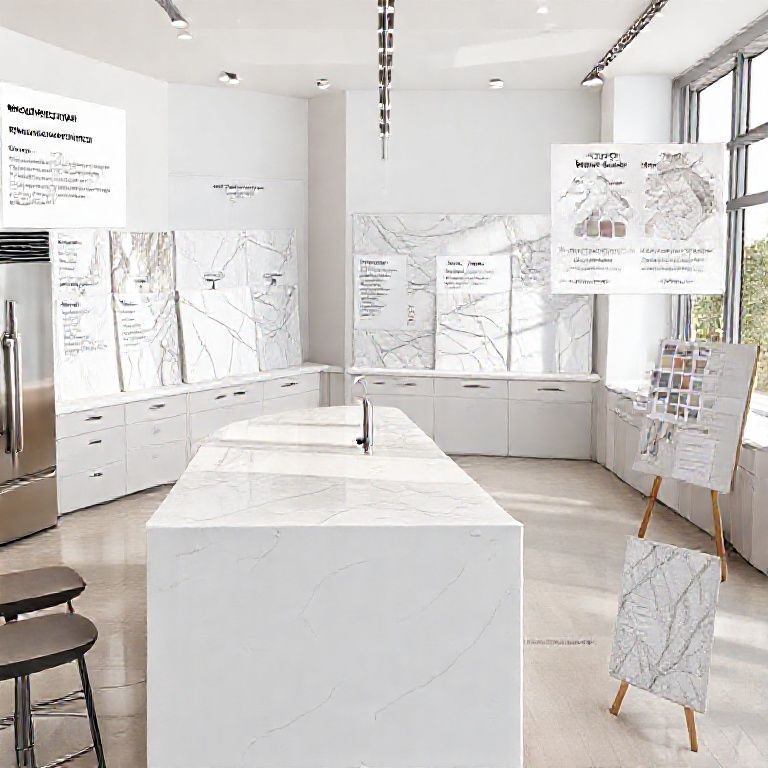
Cost-Effectiveness: Compared to natural stone, artificial stone is generally more affordable. This makes it an accessible option for homeowners who want a high-quality countertop without breaking the bank.
Maintenance: Artificial stone countertops are easy to maintain. They do not require sealing, unlike natural stone, and are resistant to water spots and etching.
Weight and Installation: Artificial stone is lighter than natural stone, making it easier to install. It also offers a simpler installation process since it doesn’t require sealing.
What Is Quartz?
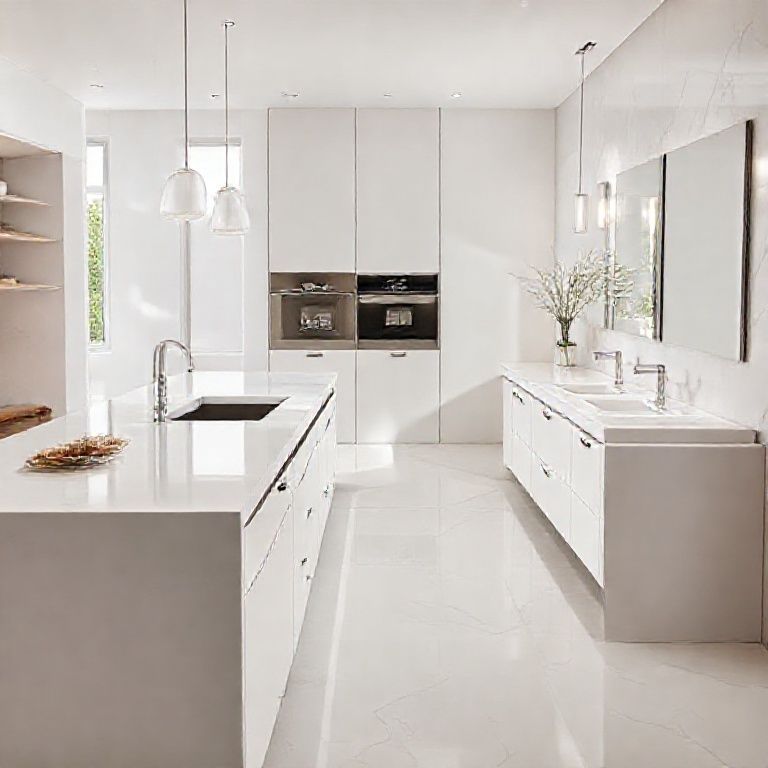
Quartz is a composite material made from 90% natural quartz stone and 10% resin. This combination creates a robust and versatile countertop material that is celebrated for its durability and aesthetic appeal.
Benefits of Quartz Countertops
Exceptional Durability: Quartz is one of the hardest natural materials available, boasting a Mohs rating of 7. This makes it highly resistant to scratches, stains, and impact. It’s also impervious to heat and water, making it ideal for both kitchen and bathroom use.
Aesthetic Versatility: Quartz offers an impressive array of colors and patterns. With over 100 million possible combinations, it can replicate the look of virtually any natural stone, including granite, marble, and slate.
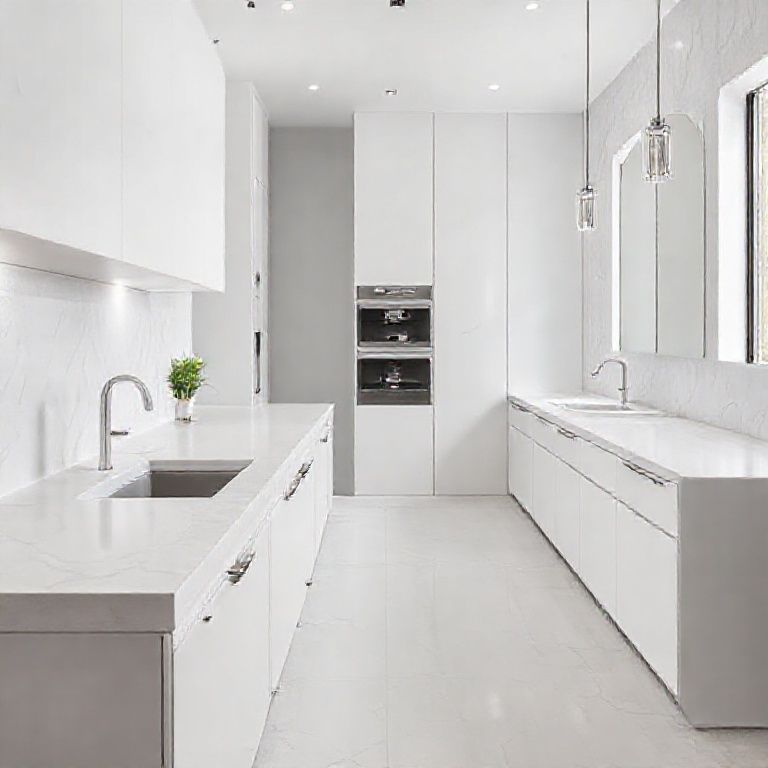
Low Maintenance: One of the biggest advantages of quartz is its low maintenance requirements. It doesn’t need sealing, which eliminates the need for regular maintenance. Additionally, quartz countertops are resistant to bacteria and do not absorb odors or stains.
Chemical Resistance: Quartz is highly resistant to a wide range of chemicals, making it ideal for kitchen use where cleaning agents and food spills are common. It can withstand hot pots and pans without warping or scratching.
Cost: While quartz can be more expensive than artificial stone, its durability and low maintenance make it a worthwhile investment. The cost varies depending on the design and complexity of the countertop.
Key Differences Between Artificial Stone and Quartz
Material Composition: Artificial Stone: Made from a combination of natural stone powders and a resin binder. Quartz: Composed of 90% natural quartz and 10% resin. Durability: Artificial Stone: Highly durable but slightly less so than quartz. Quartz: Exceptionally durable, with a Mohs rating of 7. Maintenance: Artificial Stone: Requires no sealing and is easy to clean. Quartz: Requires no sealing and is highly resistant to stains and scratches. Cost: Artificial Stone: Generally more affordable. Quartz: Higher upfront cost but offers long-term durability savings. Weight: Artificial Stone: Lighter, making it easier to install. Quartz: Heavier than artificial stone but offers superior durability.
Which Is Right for You?
Choosing between artificial stone and quartz depends on your specific needs and preferences. Here’s a quick guide to help you decide:
Budget: If budget is a primary concern, artificial stone offers a cost-effective solution without sacrificing quality.
Durability: For those seeking the highest level of durability and a natural stone look, quartz is the superior choice.
Maintenance: Both materials require minimal maintenance, but quartz offers slightly less upkeep due to its resistance to stains and scratches.
Design Flexibility: If you want a countertop that can mimic the look of various natural stones, both materials offer excellent design flexibility. Quartz provides more vibrant and varied options, while artificial stone offers a wide range of colors and patterns.
Installation: Artificial stone’s lighter weight makes it easier to install, but quartz’s durability often justifies its added weight.
The Ultimate Guide to Choosing Between Artificial Stone Countertops and Quartz
In the second part of our comprehensive guide, we will explore more in-depth considerations to help you decide whether artificial stone or quartz is the right choice for your kitchen or bathroom.
Design and Aesthetic Considerations
Artificial Stone Countertops
Color and Pattern Options: Artificial stone countertops offer a vast array of color and pattern options. You can choose from classic marble looks to modern designs that mimic granite. The resin binder allows for intricate designs and a wide range of finishes, making artificial stone highly adaptable to various design themes.
Customization: One of the biggest advantages of artificial stone is the ability to customize the design. If you have a unique vision in mind, artificial stone can often be tailored to meet your specific requirements, offering a personalized touch to your countertop.
Aesthetic Versatility: Artificial stone’s versatility extends beyond color and pattern. It can be designed to have a natural stone-like texture or a sleek, modern finish. This flexibility allows you to match your countertop to almost any aesthetic style, from rustic to ultra-modern.
Quartz Countertops
Color and Pattern Options: Quartz offers an equally impressive range of colors and patterns. With over 100 million possible combinations, quartz can replicate the look of virtually any natural stone. Its unique ability to offer vibrant, high-definition prints makes it ideal for creating striking, eye-catching designs.
Design Innovation: Quartz’s innovative design capabilities allow for complex shapes and intricate patterns that might be challenging to achieve with natural stone. This makes quartz a great choice for unique and custom designs.
Aesthetic Appeal: Quartz countertops are known for their sleek, contemporary look. They offer a modern aesthetic that can enhance any kitchen or bathroom design, from minimalist to traditional.
Durability and Performance
Artificial Stone Countertops
Scratch and Stain Resistance: Artificial stone is highly resistant to scratches, stains, and chips. Its durable composition makes it suitable for high-traffic areas where wear and tear are common. However, it is slightly less durable than quartz, especially when it comes to impact resistance.
Heat Resistance: Artificial stone can withstand high temperatures, making it ideal for kitchen use where hot pots and pans are common. It does not warp or crack under heat, although it can be affected by extremely high temperatures over extended periods.
Water Resistance: Artificial stone is water-resistant but not waterproof. While it can handle spills and splashes, prolonged exposure to water can cause some degradation over time.
Quartz Countertops
Scratch and Stain Resistance: Quartz is one of the hardest natural materials, boasting a Mohs rating of 7. This makes it incredibly resistant to scratches, stains, and chips. Its hardness ensures that quartz countertops maintain their appearance and functionality over time.
Heat Resistance: Quartz is highly heat-resistant, making it perfect for kitchen use. It can withstand high temperatures without warping or cracking. Quartz’s ability to handle heat makes it an excellent choice for areas where hot cookware is common.
Water Resistance: Quartz is waterproof and highly resistant to water and moisture. This makes it ideal for both kitchen and bathroom use, where it can handle frequent exposure to water without any issues.
Maintenance and Longevity
Artificial Stone Countertops
Ease of Maintenance: Artificial stone countertops are low-maintenance. They do not require sealing and are easy to clean with regular household cleaners. Their durability ensures that they can withstand daily use without requiring frequent upkeep.
Longevity: Artificial stone offers good longevity, especially when cared for properly. While it is durable, it is still important to avoid using abrasive cleaners that can scratch the surface.
Quartz Countertops
Ease of Maintenance: 当然,可以继续讨论关于人造石台面和石英石的比较。为了确保我们涵盖了所有重要的方面,我们可以探讨一些更具体的细节和实际应用场景。
安装和施工
Artificial Stone Countertops
安装简便性: 人造石台面因其较轻的重量,安装相对简单。它可以通过胶粘剂直接粘贴在台面下方,或者使用框架安装。这种方法通常比安装大块的天然石材更为方便。
成型和切割: 人造石可以轻松地成型和切割,以适应不同的台面设计和形状。其柔软的特性使得它可以根据设计师的要求进行各种形状和尺寸的定制。
Quartz Countertops
安装简便性: 石英石台面也因其较轻的重量而便于安装。通常使用胶粘剂或特殊的石材安装夹具进行固定。由于石英石的硬度,切割和成型可能需要专业的设备和技术。
定制和切割: 石英石的切割和成型较为精细,但其硬度使得切割过程可能需要更多的时间和专业技能。高品质的石英石可以实现极其精细的设计和形状。
耐用性和耐久性
Artificial Stone Countertops
耐污损性: 人造石台面具有较好的耐污损性,但由于其较低的硬度,在长期使用中可能会出现细小的划痕。不过,这些划痕通常不会影响其外观。
耐热性: 人造石台面能够承受高温,但在极端高温下可能会有轻微变形。对于普通厨房使用,这种问题不大。
Quartz Countertops
耐污损性: 石英石因其高硬度和耐磨性,非常难以被划伤,这使得其表面维护起来非常简单。即使在长期使用中,其外观也能保持新的。
耐热性: 石英石拥有极高的耐热性,可以承受极高温度而不变形。这使得它在厨房中尤其适用,因为它能够承受热锅和烤箱对台面的高温影响。
环保性和健康性
Artificial Stone Countertops
环保性: 人造石台面通常由天然石粉和树脂制成,但在制造过程中可能会释放一些有害物质。虽然生产过程中的排放受到严格监管,但仍需注意其环保性能。
健康性: 由于人造石台面的成分,有时可能会释放微量的甲醛或其他有害物质。选购时应注意查看产品的环保认证和健康检测报告。
Quartz Countertops
环保性: 石英石的主要成分是天然石英,这使得其在制造过程中排放的有害物质极少。石英石台面在环保性方面表现优异。
健康性: 石英石台面的健康性能非常好,几乎不会释放有害物质。它的天然成分使得其对健康几乎没有影响,适合用于家庭和厨房等环境。
价格和性价比
Artificial Stone Countertops
价格: 由于其成本相对较低,人造石台面通常比天然石材和石英石更加经济实惠。这使得它成为预算有限的消费者的理想选择。
性价比: 尽管人造石台面的耐用性和美观性可能不如石英石,但其性价比优越,尤其适合那些希望在外观和设计上有所创新但预算有限的人。
Quartz Countertops
价格: 石英石由于其高品质和耐用性,通常价格较高。其高成本反映在材料的天然石英成分和复杂的制造工艺中。
性价比: 尽管石英石的价格较高,但其卓越的耐用性和易于维护的特性使其在长期使用中具有很高的性价比。特别是对于那些希望投资高品质和长期耐用性的消费者。
总结
选择人造石台面还是石英石台面,取决于您的预算、需求以及对美观和耐用性的具体要求。人造石台面因其成本低廉和设计灵活性受到广泛欢迎,而石英石台面则以其卓越的耐用性和高端美观吸引了许多消费者。无论选择哪种材料,都应该考虑其具体的使用环境和长期维护需求。