The Ultimate Guide to Choosing the Perfect Countertop Size for Your Synthetic Stone Kitchen
When it comes to designing a modern, functional, and aesthetically pleasing kitchen, the choice of countertop material and size plays a crucial role. Synthetic stone countertops have emerged as a popular choice due to their durability, versatility, and natural appearance. In this guide, we will explore the various dimensions and specifications of synthetic stone countertops, helping you make an informed decision for your kitchen renovation.

Understanding Synthetic Stone Countertops
Synthetic stone, also known as engineered stone, is a composite material made from natural stone powder, bonding agents, and water. It offers the look and feel of natural stone while providing superior strength and resistance to scratches, stains, and heat. These countertops are available in a wide range of colors and patterns, making them a versatile choice for any kitchen design.
Why Size Matters in Kitchen Design
The size of your kitchen countertop is not just a matter of aesthetics; it directly impacts the functionality and usability of your kitchen. The right size ensures that your kitchen is both practical and visually appealing. When selecting a synthetic stone countertop, it’s essential to consider various factors to achieve the perfect fit.
Standard Countertop Sizes
While there are no strict standard sizes for kitchen countertops, most commonly used dimensions are based on kitchen layout and user needs. Here are some of the standard sizes and guidelines for synthetic stone countertops:
1. Standard Width
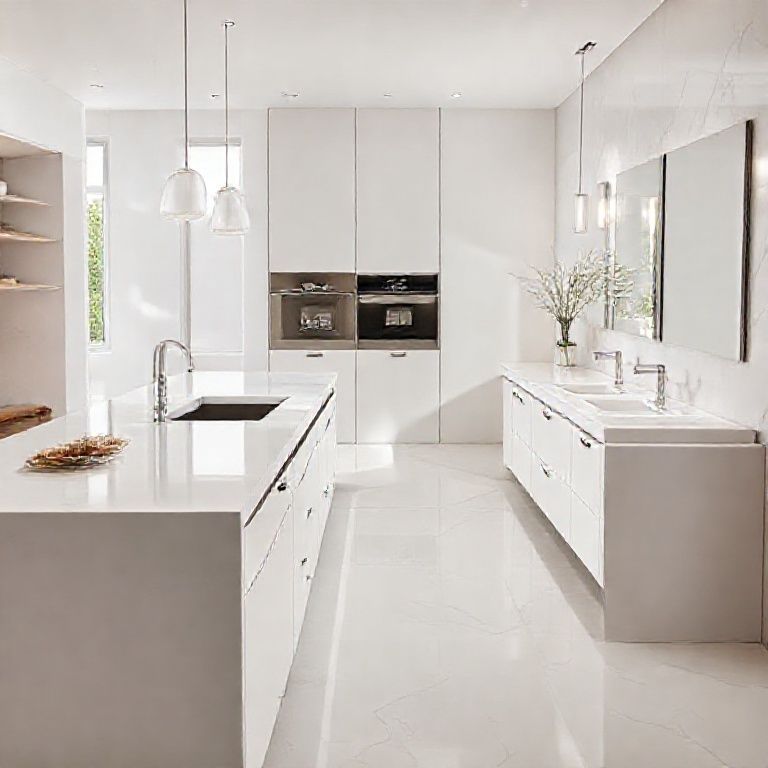
60 inches: This width is ideal for most kitchen islands, breakfast bars, and countertops that require ample workspace. 48 inches: A common width for kitchen islands and countertops in smaller kitchens. 36 inches: Suitable for single counters, especially in smaller spaces or for additional workspace.
2. Length Options
The length of the countertop can vary widely depending on the kitchen’s design and your specific needs. Some popular lengths include:
72 inches: Great for long countertops that offer ample workspace and can serve as a dining island. 60 inches: Common for kitchen islands and large countertops. 48 inches: Suitable for compact kitchens and smaller countertops.
Customizing Your Countertop Size
While standard sizes are convenient, many kitchens benefit from custom-sized countertops. Custom countertops allow for a unique design that perfectly fits your kitchen layout and personal preferences. Here are some tips for customizing your countertop size:
1. Measure Your Space
Accurate measurements are crucial for custom countertops. Measure the space where the countertop will be installed, including any existing cabinetry or fixtures. Take note of the length, width, and height.
2. Consider Your Needs
Think about how you use your kitchen. Do you need additional space for food preparation, dining, or other activities? Custom countertops can be designed to accommodate specific needs, such as extra sinks, cutting boards, or storage areas.

3. Design Flexibility
Synthetic stone countertops offer a high degree of design flexibility. You can choose from various thicknesses, shapes, and configurations to create a unique look that complements your kitchen design. Consult with a professional designer to explore creative options for your custom countertop.
Popular Configurations
When it comes to synthetic stone countertops, there are several popular configurations to consider:
1. Single Countertop
A single countertop is a straightforward and classic option that fits well in most kitchen layouts. It provides ample workspace and can be designed to blend seamlessly with your cabinetry and other elements.
2. Island Countertop
An island countertop is a central feature in many modern kitchens. It offers additional workspace and can serve as a dining or prep area. Island countertops can be custom-shaped to fit your kitchen’s design and can include built-in storage, sinks, and other features.
3. Double-Sided Countertop
A double-sided countertop provides workspace on both sides of a central island or peninsula. This configuration maximizes space and is ideal for larger kitchens or those with multiple users.
4. Half-Wall or Bar Countertop
A half-wall or bar countertop is a popular choice for smaller kitchens or those looking to create a casual dining area. These countertops are typically lower in height and can include stools for a more relaxed dining experience.
Tips for Choosing the Right Size
When selecting the perfect size for your synthetic stone countertop, consider the following tips:
1. Kitchen Layout
Your kitchen’s layout plays a significant role in determining the ideal countertop size. Consider the flow of traffic, existing cabinetry, and other kitchen features when deciding on the dimensions.
2. Work Space Requirements
Ensure that the countertop size meets your work space needs. Consider how much space you need for food preparation, cooking, and other activities.
3. Aesthetic Harmony
The size of your countertop should complement the overall aesthetic of your kitchen. Choose a size that enhances the visual appeal without overwhelming the space.
4. Future-Proofing
Think about future needs and potential kitchen renovations. Choosing a size that allows for future expansions or changes can save you from having to replace the countertop down the line.
Conclusion
Choosing the perfect size for your synthetic stone countertop is a critical step in designing a functional and beautiful kitchen. By understanding standard sizes, customizing to fit your space, and considering various configurations, you can create a kitchen that meets your needs and complements your design vision. Whether you opt for a standard size or a custom design, synthetic stone countertops offer a durable, stylish, and versatile solution for any kitchen.
The Ultimate Guide to Choosing the Perfect Countertop Size for Your Synthetic Stone Kitchen (Continued)
Building on our previous discussion about selecting the ideal dimensions for synthetic stone countertops, this second part delves deeper into the specifics of different countertop configurations, installation considerations, and maintenance tips. By the end of this guide, you’ll have all the knowledge you need to make an informed decision and create a kitchen that’s both functional and stunning.
Exploring Different Countertop Configurations
When it comes to synthetic stone countertops, the variety of configurations available allows for endless creative possibilities. Here are some popular configurations that can be tailored to fit your kitchen’s unique needs.
1. Modular Countertops
Modular countertops consist of individual pieces that can be arranged and rearranged to fit any space. This flexibility makes them ideal for custom designs and can be easily modified to suit future changes in kitchen layout or design.
2. Linear Countertops
Linear countertops are straight, uninterrupted surfaces that provide a sleek and modern look. These can be ideal for long island countertops or extending from the sink to the stove, creating a seamless flow in the kitchen.
3. Curved Countertops
Curved countertops add a touch of elegance and can create a dramatic focal point in your kitchen. They can be used for island countertops, peninsulas, or even along the edge of a standard countertop, providing a unique and stylish design element.
4. Split-Rail Countertops
A split-rail countertop features a central divider, allowing for two separate work surfaces. This configuration is perfect for islands with a central island bar, creating both a workspace and a dining area.
Installation Considerations
Proper installation is crucial for ensuring the longevity and functionality of your synthetic stone countertop. Here are some key considerations to keep in mind during installation:
1. Substrate Preparation
The surface where the countertop will be installed must be clean, level, and properly prepared. Ensure that the substrate is free from dust, grease, and any other contaminants. Use a high-quality adhesive recommended for synthetic stone countertops to ensure a secure bond.
2. Edge Finishing
The edges of the countertop play a significant role in both aesthetics and functionality. Depending on your design, you may choose to finish the edges with a smooth edge, sawtooth edge, or a custom shape. Proper edge finishing enhances the visual appeal and prevents chips and cracks.
3. Under Cabinet Lighting
Installing under-cabinet lighting can highlight the beauty of your synthetic stone countertop and provide practical lighting for food preparation. Ensure that the lighting is integrated seamlessly to avoid any obstructions and to maintain the countertop’s clean look.
4. Cabinet Compatibility
Ensure that your cabinets are compatible with the weight and size of your countertop. Heavy synthetic stone countertops require sturdy cabinetry to support them. Consider the cabinet’s structural integrity and ensure that it can hold the countertop securely.
Maintenance Tips
Proper maintenance is essential for keeping your synthetic stone countertop looking its best and extending its lifespan. Here are some maintenance tips to follow:
1. Regular Cleaning
Synthetic stone countertops are relatively low-maintenance, but regular cleaning is still necessary. Use a mild soap and warm water to clean the surface. Avoid using harsh chemicals or abrasive cleaners that can scratch the surface.
2. Immediate Spill Management
1. 日常清洁
使用中性清洁剂:每天使用中性清洁剂和软布擦拭台面,避免使用酸性或碱性清洁剂。 及时擦干:每次清洁后及时擦干,避免水分渗入台面内部。
2. 处理溢出物和污渍
及时处理:溢出的食物或饮料应立即擦拭干净,以免渗透到台面内部。 使用修复补漆:如果有划痕或污渍,可以使用专门的人造石修复补漆进行修复。
3. 特殊保养
定期检查:定期检查台面是否有异常,如划痕、裂缝等。 避免热源直接接触:尽量避免将热锅直接放在台面上,可在上面铺一层不粘纸或者烤盘。
4. 常见问题及解决方法
划痕:划痕较浅可以使用专门的修复补漆进行修复。深层划痕可能需要专业人员进行修复。 污渍:酸性或碱性的污渍可能会导致斑点,清洁时使用中性清洁剂,并尽量避免使用这些物质。 热斑:如果长时间放置热物品,可能会形成热斑,可以用冷水冲洗后擦干,以减少热斑的影响。
5. 安装注意事项
确保水平:安装过程中要确保台面水平,可以使用水平尺进行检查。 使用适当的胶水:选择专门为人造石设计的胶水,确保牢固性和耐久性。
6. 使用小贴士
厨房分隔:在厨房中使用小隔板或其他分隔物,可以减少台面的使用频率,从而延长其使用寿命。 定期保养:每隔几个月进行一次深度清洁和保养,保持台面的光洁和美观。
通过以上的建议,可以有效地保持人造石台面的美观和功能,延长其使用寿命。如果遇到特别复杂的问题,建议寻求专业人员的帮助。