The Best Kitchen Countertop Materials for Durability and Style
When it comes to kitchen design, the countertop is one of the most significant elements. It’s the heart of your kitchen where food is prepared, meals are served, and countless daily activities take place. Choosing the right material for your kitchen countertop is crucial for both its functionality and aesthetic appeal. Here, we’ll explore the most popular and durable kitchen countertop materials, their unique benefits, and considerations for selecting the perfect one for your kitchen.

1. Granite: The Timeless Classic
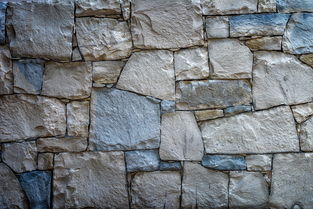
Granite has long been a favorite among homeowners for its timeless elegance and impressive durability. This natural stone is known for its strength, resistance to scratches, and ability to withstand heat.
Benefits:
Durability: Granite is one of the most durable materials, capable of withstanding heavy use and high temperatures. Aesthetic Appeal: With a wide range of colors and patterns, granite provides a natural and luxurious look that can complement various kitchen styles. Low Maintenance: Granite countertops require minimal maintenance; simply wiping them down with a soft cloth and mild soap is usually sufficient.
Considerations:
Cost: Granite can be quite expensive, with prices varying based on the type and quality of stone. Installation: Due to its weight and hardness, granite countertops require professional installation to avoid damage.
2. Quartz: The High-Performance Choice
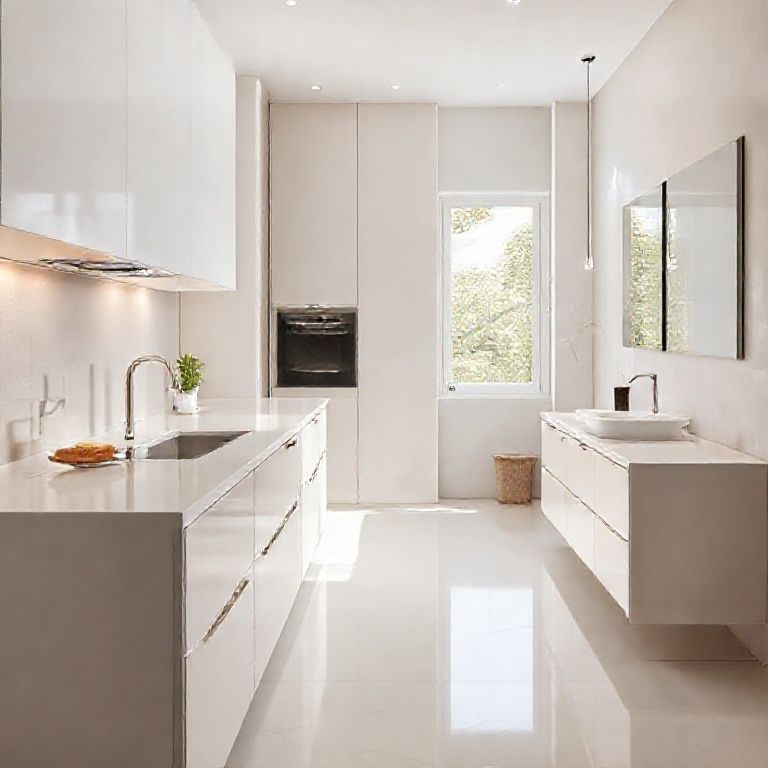
Quartz has emerged as a top contender for kitchen countertops, thanks to its combination of durability, design flexibility, and affordability.
Benefits:
Scratch and Stain Resistance: Quartz is virtually indestructible, resistant to scratches, stains, and even cutting marks. Design Versatility: Available in an extensive array of colors and patterns, quartz offers limitless design possibilities. Low Maintenance: Similar to granite, quartz requires minimal upkeep. A simple wipe-down with a damp cloth is usually all that’s needed.
Considerations:
Cost: While more affordable than granite, quartz still carries a premium price tag compared to other materials. Installation: Quartz countertops are lighter and easier to install, making them a convenient option for DIY enthusiasts.
3. Stainless Steel: The Modern and Functional Option
Stainless steel countertops offer a sleek, modern look that’s perfect for contemporary kitchens. They are highly durable, resistant to heat, and easy to clean.
Benefits:
Durability: Stainless steel is highly resistant to scratches, dents, and corrosion. Aesthetic Appeal: With a sleek, metallic finish, stainless steel adds a touch of modernity to any kitchen. Low Maintenance: Stainless steel is easy to clean and maintain; simply wipe it down with a damp cloth and mild soap.
Considerations:
Abrasion: Stainless steel can be scratched by hard objects, so it’s important to use cutting boards and other tools with pads. Heat Dissipation: Stainless steel can become very hot when in contact with a stove or oven, so caution is needed.
4. Composites: The Budget-Friendly Alternative
Composite countertops, made from a blend of recycled materials like sawdust, paper, or plastic, are an excellent budget-friendly option. They are often less expensive than natural stone but still offer a wide range of styles.
Benefits:
Affordability: Composites are typically more affordable than natural stone or high-end materials. Design Versatility: Available in a variety of colors and patterns, composites can mimic the look of more expensive materials. Low Maintenance: Easy to clean and maintain, composites are a practical choice for busy households.
Considerations:
Durability: Composites are less durable than natural stone and some high-end materials, making them more prone to scratches and dents. Installation: Composites can be more challenging to install due to their lightweight and sometimes uneven surface.
5. Laminate: The Inexpensive and Easy-Care Option
Laminate countertops are made from multiple layers of material bonded together. They are one of the most affordable and easy-care options for kitchen countertops.
Benefits:
Affordability: Laminate is the most budget-friendly option among kitchen countertops. Design Versatility: Available in a wide range of colors and patterns, laminate can mimic the look of more expensive materials. Low Maintenance: Easy to clean with a damp cloth and mild soap.
Considerations:
Durability: Laminate is less durable and more prone to scratches and dents compared to natural stone and high-end materials. Heat Resistance: Laminate can warp or discolor when exposed to high heat.
Conclusion
Selecting the perfect countertop material for your kitchen involves balancing durability, aesthetics, and budget. Granite and quartz offer timeless elegance and unmatched durability, while stainless steel provides a modern and functional look. Composites and laminates are budget-friendly options that still allow for a wide range of design possibilities. Consider your kitchen’s specific needs and style preferences when making your choice. In the next part of this guide, we’ll delve deeper into specific material considerations, including maintenance, installation, and long-term costs to help you make an informed decision.
Detailed Considerations for Kitchen Countertop Material Selection
Having explored the primary types of kitchen countertops, it’s essential to delve deeper into specific material considerations. This section will provide detailed insights into the maintenance, installation, and long-term costs associated with each material. Understanding these factors will help you make a well-informed decision that suits your kitchen’s unique needs and your personal preferences.
1. Maintenance: Keeping Your Countertop Looking Its Best
The longevity and appearance of your kitchen countertop largely depend on how well you maintain it. Here’s a breakdown of the maintenance required for each material:
Granite:
Cleaning: Granite countertops should be cleaned with a soft cloth and mild soap. Avoid using acidic cleaners as they can etch the surface. Sealing: It’s recommended to seal granite countertops every 6-12 months to protect against stains and spills.
Quartz:
Cleaning: Quartz countertops are incredibly easy to clean. A damp cloth and mild soap are usually sufficient to keep them looking pristine. Sealing: Unlike granite, quartz does not require sealing since it is inherently resistant to stains and scratches.
Stainless Steel:
Cleaning: Stainless steel countertops are easy to clean. Use a mild soap or specialized stainless steel cleaner and a soft cloth to avoid scratches. Polishing: Regular polishing with a stainless steel cleaner will keep the surface shiny and prevent water spots.
Composites:
Cleaning: Clean composite countertops with a damp cloth and mild soap. Avoid using abrasive cleaners that can scratch the surface. Sealing: Depending on the composite, sealing may be required to maintain its appearance and protect against stains.
Laminate:
Cleaning: Wipe laminate countertops with a damp cloth and mild soap. Avoid using abrasive cleaners that can scratch or gouge the surface. Avoiding Heat: To prevent warping or discoloration, avoid placing hot items directly on the laminate surface.
2. Installation: Professional vs. DIY
The installation process varies significantly depending on the countertop material. Here’s what you need to know:
Granite:
Professional Installation: Due to its weight and hardness, granite countertops typically require professional installation to avoid damage. Cost: Hiring a professional can add to the overall cost but ensures a flawless finish.
Quartz:
Easier Installation: Quartz countertops are lighter and easier to install, making them a good option for DIY enthusiasts. Cost: The cost of professional installation is generally lower compared to granite, but it’s still advisable to hire a professional for a perfect fit.
Stainless Steel:
Professional Installation: While stainless steel is easy to cut and install, professional installation is recommended to ensure a smooth and polished edge. Cost: Professional installation costs are moderate, and the end result is usually very satisfying.
Composites:
DIY-Friendly: Composite countertops are lightweight and easy to cut, making them a great option for DIY installation. Cost: The cost of professional installation is generally lower, but it’s possible to install them yourself with the right tools and guidance.
Laminate:
Professional Installation: Laminate countertops are relatively easy to install, but professional installation is recommended for a perfect fit. Cost: Professional installation costs are generally low, but DIY installation is an option if you’re handy.
3. Long-Term Costs: Budgeting for Your Kitchen Countertop
When considering long-term costs, it’s essential to think beyond the initial purchase price and include factors like maintenance, potential repairs, and replacement. Here’s a breakdown of long-term costs for each material:
Granite:
Initial Cost当然,可以继续探讨关于综合对比和其他相关方面:
4. 耐用性和耐用寿命
Granite (花岗岩):
花岗岩是一种非常耐用的天然石材,具有高度的耐磨性和耐刮擦能力。但由于其天然材料特性,它需要定期密封以防止污渍和损坏。
Quartz (石英):
石英是由90%以上的硅组成,具有极高的耐用性和耐热性。它不会褪色、开裂或受到细菌影响,因此需要最少的维护。
Stainless Steel (不锈钢):
不锈钢具有极好的耐用性和抗腐蚀性,适用于长期使用。但它可能会因为硬物撞击而产生划痕。
Composites (复合材料):
复合材料的耐用性取决于其具体配方。一般来说,它们比天然石材耐用,但可能比不锈钢和高端石材稍逊一筹。
Laminate (层压板):
层压板的耐用性相对较低,容易受到划痕和刮擦的影响。它们适合预算有限但对美观有一定要求的用户。
5. 美观和设计灵活性
Granite (花岗岩):
花岗岩具有天然的美感和独特的花纹,适合追求自然风格的家庭。它能增加空间的豪华感。
Quartz (石英):
石英提供了几乎无穷的设计可能性,可以模仿各种材料的外观,如大理石、木材和瓷砖。它的设计灵活性非常高。
Stainless Steel (不锈钢):
不锈钢通常具有现代、工业风的外观。适合追求简约和未来感的家庭。
Composites (复合材料):
复合材料可以模仿多种不同的材质,提供设计上的灵活性,但外观可能不如天然石材那么自然。
Laminate (层压板):
层压板提供了多种颜色和纹理选择,适合想要简单易安装但又不想花费太多的用户。
6. 环保和可持续性
Granite (花岗岩):
天然石材的采掘过程对环境有一定影响,但其使用寿命长,减少了频繁更换的需求,从长远来看具有一定的环保性。
Quartz (石英):
石英是由化学方法制造的,其生产过程较为复杂,但由于其高耐用性,使用寿命长,减少了频繁更换的需求。
Stainless Steel (不锈钢):
不锈钢是一种可回收材料,其生产过程中的环境影响相对较小。
Composites (复合材料):
复合材料可能包含一些环境污染物,但其耐用性和长寿命也能在一定程度上减少频繁更换对环境的影响。
Laminate (层压板):
层压板的环保性相对较差,其制造过程可能含有有害化学物质,但其耐用性和长寿命能在一定程度上减少更换频率。
总结:
每种材料都有其独特的优点和缺点。选择哪种材料应根据您的个人喜好、预算、使用需求以及对环保的关注度来决定。如果您重视耐用性和天然美感,花岗岩可能是最佳选择;如果您追求现代感和设计灵活性,石英和不锈钢是不错的选择;如果您希望预算有限但又不想妥协太多,复合材料和层压板则是可选的方案。