The Importance of Countertop Thickness in Synthetic Stone Design
When it comes to home renovation projects, one of the most critical decisions you will make is selecting the right thickness for your synthetic stone countertops. This seemingly small detail can have a significant impact on the overall durability, aesthetics, and functionality of your kitchen or bathroom. In this part of our guide, we will explore why countertop thickness matters and how to choose the best option for your space.

Understanding Synthetic Stone Countertops
Synthetic stone countertops, also known as quartz or composite stone countertops, are popular choices for modern kitchens and bathrooms due to their durability, low maintenance, and natural appearance. These countertops are made from a mixture of natural stone minerals and polymers, resulting in a material that is both resilient and visually appealing.
Why Thickness Matters
The thickness of a countertop is a crucial factor that affects several aspects of its performance:
Durability: Thicker countertops generally offer more durability and resistance to impact, scratches, and stains. This makes them an excellent choice for high-traffic areas like kitchens where they will be subjected to constant use.
Aesthetics: The thickness of your countertop can influence its appearance. Thinner countertops may provide a sleek, modern look, while thicker ones can add a sense of weight and stability to your space.
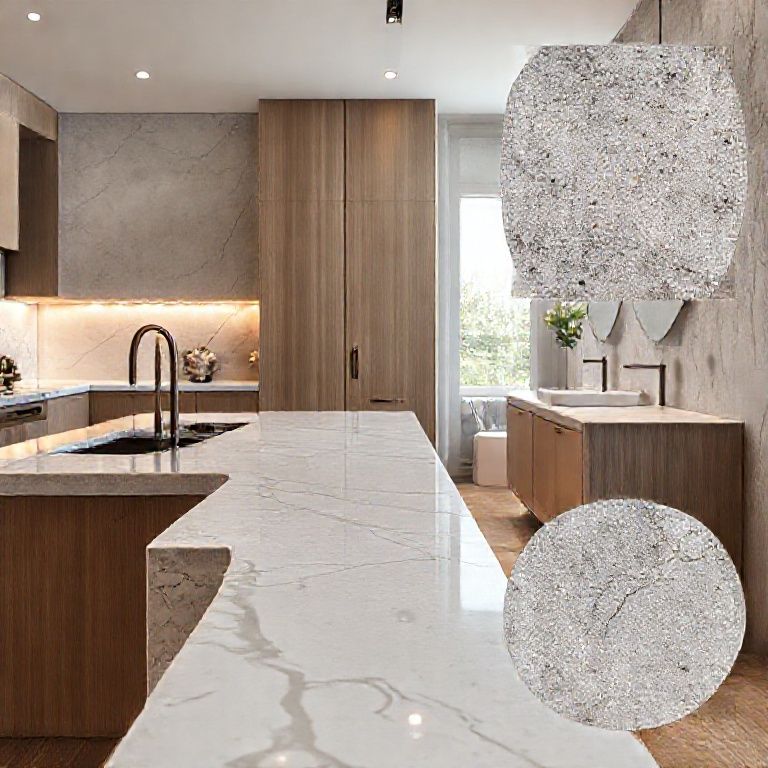
Functionality: The right thickness can enhance the functionality of your countertop. For example, a thicker countertop might offer better thermal resistance, making it more suitable for areas where hot pots and pans are frequently placed.
Standard Thicknesses
Synthetic stone countertops come in various thicknesses, typically ranging from 1 inch to 2 inches. Here’s a closer look at what each thickness offers:
1-inch Thickness: This is the thinnest option available for synthetic stone countertops. It provides a sleek, minimalist look and is often used in spaces where a modern, streamlined design is desired. However, it may lack the durability and weight that some homeowners prefer, particularly in kitchens.
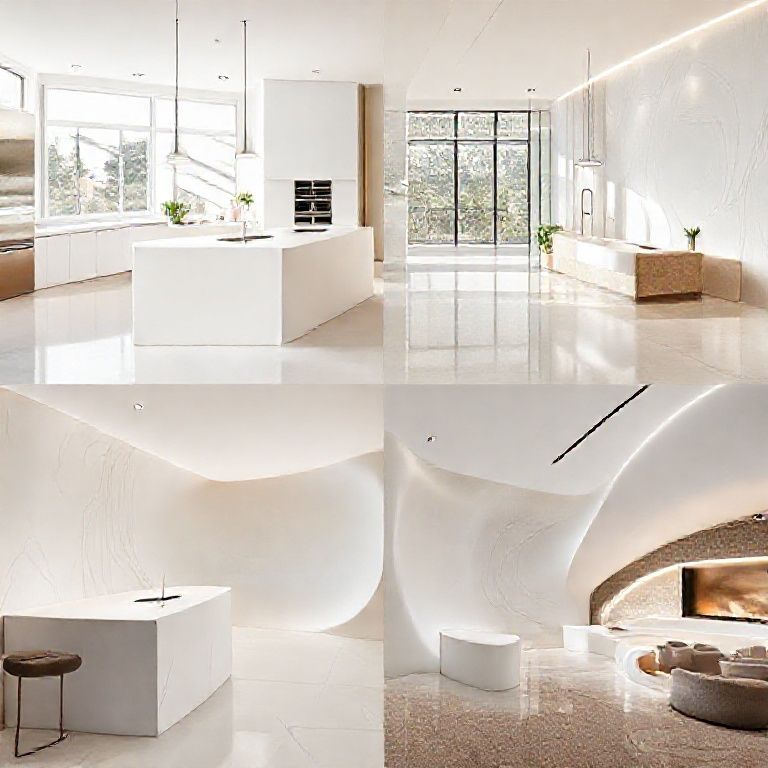
1.5-inch Thickness: This thickness strikes a balance between aesthetics and durability. It offers a more substantial appearance while remaining relatively lightweight. This option is suitable for most residential kitchens and bathrooms, providing both style and resilience.
2-inch Thickness: The thickest option available, a 2-inch countertop offers superior durability and a heavy, stable look. It is ideal for high-traffic areas where the countertop will be subjected to heavy use. However, it might be too bulky for some smaller spaces.
Factors to Consider When Choosing Thickness
When selecting the right thickness for your synthetic stone countertop, consider the following factors:
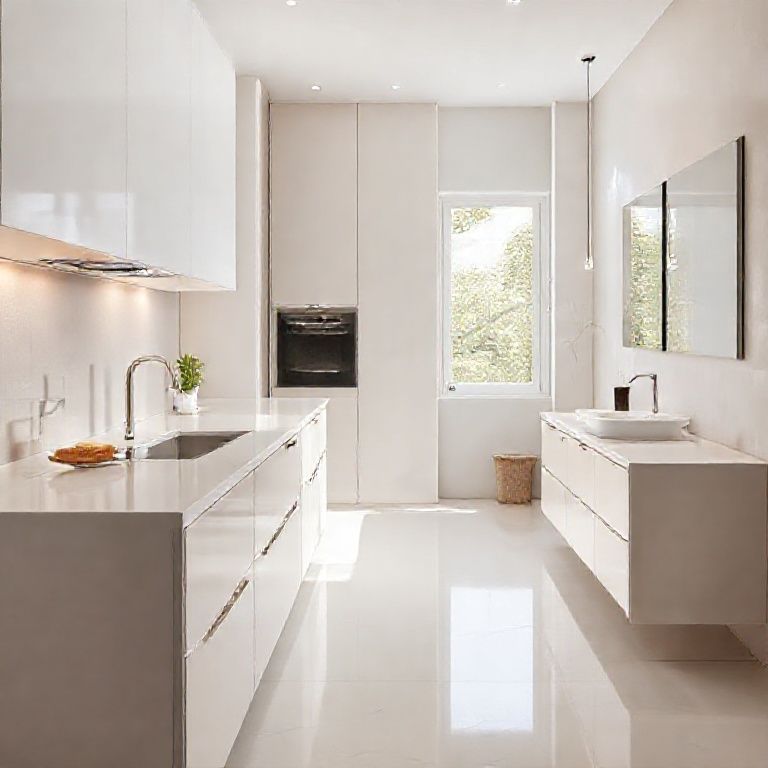
Usage: Determine how the countertop will be used. If it’s in a high-traffic area like a kitchen, a thicker countertop may be more appropriate. Conversely, if it’s in a less frequently used space, a thinner countertop might suffice.
Space: Measure the available space and consider the overall design of your room. A thicker countertop can make a space feel smaller, while a thinner one can create a more open and airy feel.
Budget: Thicker countertops generally cost more due to their increased material requirements. Ensure that your budget aligns with your chosen thickness.
Aesthetic Preferences: Consider the design style of your home. Thinner countertops can add a contemporary touch, while thicker ones can offer a more traditional or robust appearance.
Tips for Maximizing Your Countertop’s Potential
To ensure that your synthetic stone countertop not only looks great but also functions well, here are some additional tips:
Choose Quality Materials: Invest in high-quality synthetic stone materials to ensure longevity and resistance to wear and tear.
Proper Installation: Have your countertop professionally installed to avoid any issues with stability and appearance.
Maintenance: Regularly clean and maintain your countertop to keep it looking its best and to extend its lifespan.
By understanding the importance of thickness and considering the factors mentioned above, you can make an informed decision that will enhance both the appearance and functionality of your home.
Achieving the Perfect Balance: Optimal Thickness for Synthetic Stone Countertops
In this final part of our guide, we will provide detailed insights into how different thicknesses of synthetic stone countertops can impact various aspects of your home, offering expert advice to help you make the best choice for your specific needs.
The Role of Thickness in Different Areas
Kitchens:
When it comes to kitchen countertops, the thickness of your synthetic stone countertop can significantly affect both its performance and appearance. Here’s a closer look at how different thicknesses can impact your kitchen:
1-inch Thickness: While a 1-inch countertop offers a sleek, modern look, it may not provide the same level of durability as thicker options. This thickness is best suited for kitchens where a minimalist design is preferred, and the countertop is not subjected to heavy use.
1.5-inch Thickness: This is a popular choice for kitchens, providing a good balance between style and durability. It’s sturdy enough to withstand daily use without compromising on aesthetics.
2-inch Thickness: For high-traffic kitchen areas, a 2-inch countertop offers superior durability and resistance to impact and scratches. However, its thickness might make it less suitable for smaller kitchen spaces.
Bathrooms:
In bathrooms, the thickness of your synthetic stone countertop can influence both its functionality and visual appeal. Here’s how different thicknesses can impact your bathroom:
1-inch Thickness: A thinner countertop can add a contemporary touch to your bathroom, providing a sleek and modern look. It’s suitable for areas where the countertop is not subjected to heavy use, such as vanity tops.
1.5-inch Thickness: This thickness strikes a balance between aesthetics and durability. It’s suitable for kitchen sinks, bathroom vanities, and other areas where the countertop will experience moderate use.
2-inch Thickness: While a 2-inch countertop offers excellent durability, it might be too bulky for smaller bathroom spaces. It’s ideal for areas where a heavier, more substantial appearance is desired, such as a main kitchen island or a large vanity.
Design and Aesthetic Considerations
When choosing the thickness of your synthetic stone countertop, it’s essential to consider the overall design and aesthetic of your space. Here are some additional tips to help you achieve the perfect balance:
Modern vs. Traditional: Thinner countertops often provide a more modern and minimalist look, while thicker ones can add a traditional or robust appearance to your space.
Weight and Stability: Thicker countertops offer more weight and stability, which can be beneficial in areas where the countertop will be subjected to heavy use. However, they might make a space feel smaller if not chosen carefully.
Space Perception: Thinner countertops can create an illusion of more space, making a room feel larger and more open. Conversely, thicker countertops can add a sense of weight and solidity to a room.
Making the Final Decision
To ensure that you make the best choice for your synthetic stone countertop, consider the following steps:
Assess Your Needs: Determine how the countertop will be used and the specific areas where it will be installed. This will help you prioritize durability, style, and functionality.
Measure Your Space: Ensure that the chosen thickness fits well within the available space. Avoid making a countertop too bulky for the area.
Consult Professionals: Seek advice from professionals or the manufacturer to get insights into the best thickness for your specific needs.
Budget Considerations: Consider your budget and the cost implications of different thicknesses. Thicker countertops generally cost more, so ensure your choice aligns with your financial plan.
Additional Tips for Maintaining Your Countertop
Once you have chosen the right thickness for your synthetic stone countertop, here are some tips to help you maintain its beauty and longevity:
Regular Cleaning: Use a gentle cleaner and a soft cloth to clean your countertop regularly. Avoid using harsh chemicals that can damage the surface.
Scratch Protection: Use cutting boards and other tools with pads to prevent scratches. Place protective mats under heavy items to avoid dents and scratches.
科技与创新:最新的科技发展、新兴技术、人工智能、机器学习、区块链等。 健康与医学:健康保健建议、营养知识、最新医学研究、心理健康等。 教育与学习:学习方法、职业发展、教育趋势、学术研究等。 文化与艺术:艺术创作、音乐、文学、电影、历史文化等。
生活与社交:日常生活技巧、社交技巧、旅游建议、家庭与关系等。