The Ultimate Guide to Choosing the Right Size for Your Artificial Stone Countertop
When it comes to kitchen and bathroom design, one of the most important elements is the countertop. For those seeking a blend of durability and aesthetic appeal, artificial stone countertops have become a favorite choice. These countertops are not only visually stunning but also offer long-lasting performance, making them an excellent investment for any home renovation project. To ensure you select the perfect artificial stone countertop, understanding the dimensions and specifications is crucial. This guide will walk you through everything you need to know about the sizes and specifications of artificial stone countertops.

Understanding Artificial Stone Countertops
Artificial stone countertops, also known as engineered stone, are a composite material made from natural stone powder, water, and resin. This unique blend results in a material that combines the beauty of natural stone with the versatility and durability of modern synthetic materials. Available in a wide range of colors and patterns, artificial stone countertops are suitable for both kitchen and bathroom applications.
Why Size Matters
Choosing the right size for your artificial stone countertop is essential for several reasons:
Functionality: The size of the countertop directly impacts its functionality. A larger countertop provides more surface area for food preparation, dining, and other activities. Conversely, smaller countertops are ideal for compact spaces or specialized areas like sinks and bar areas.
Aesthetic Appeal: The size of the countertop can significantly affect the overall design of your kitchen or bathroom. Larger countertops often offer a more seamless, monolithic look, while smaller ones can provide a more intricate, detailed appearance.
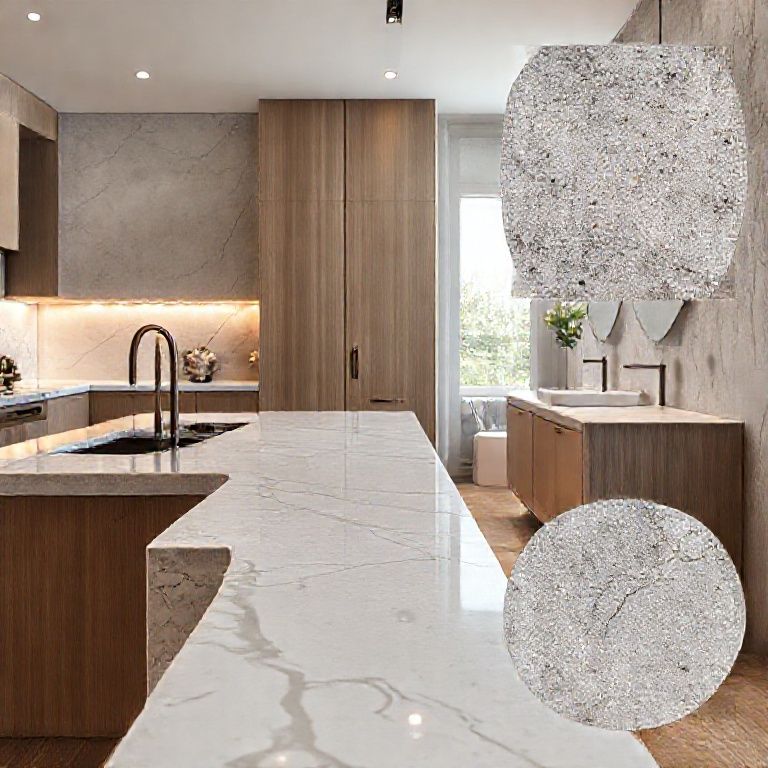
Budget Considerations: The cost of artificial stone countertops can vary based on size. Larger, more extensive installations typically require more material and labor, which can increase the overall cost. Understanding the size requirements will help you manage your budget effectively.
Standard Sizes and Custom Options
Artificial stone countertops come in various standard sizes to accommodate different needs. Here are some of the most common dimensions:
Kitchen Countertops: Standard Size: The average kitchen countertop width ranges from 24 to 36 inches, with lengths typically ranging from 48 to 96 inches. This allows for ample space for cooking and dining activities. Popular Choices: 24″x48″, 24″x60″, 24″x72″, 36″x48″, 36″x60″, 36″x72″. Bathroom Countertops: Standard Size: Bathroom countertops often range from 18 to 24 inches in width and from 36 to 48 inches in length. These dimensions are ideal for sinks, vanities, and other bathroom fixtures. Popular Choices: 18″x36″, 18″x48″, 24″x36″, 24″x48″.
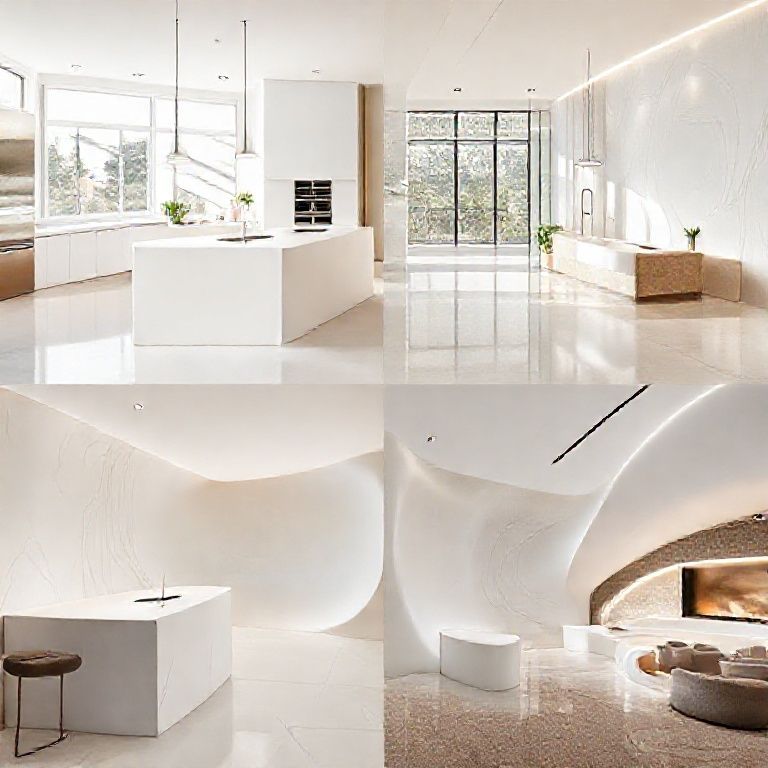
Customizing Your Countertop Size
While standard sizes offer a range of options, artificial stone countertops can also be customized to fit specific needs. Custom sizes can be designed to fit unique layouts, accommodate specific fixtures, or create a custom aesthetic. Custom countertops can range from small, specialized pieces to large, expansive surfaces. Here are some factors to consider when customizing your countertop size:
Space Availability: Measure the available space where the countertop will be installed. This will guide your choice of size and help avoid any design or installation challenges.
Design Preferences: Consider your design preferences. Do you want a sleek, minimalist look or a more intricate, detailed appearance? Custom countertops can be designed to fit any aesthetic vision.
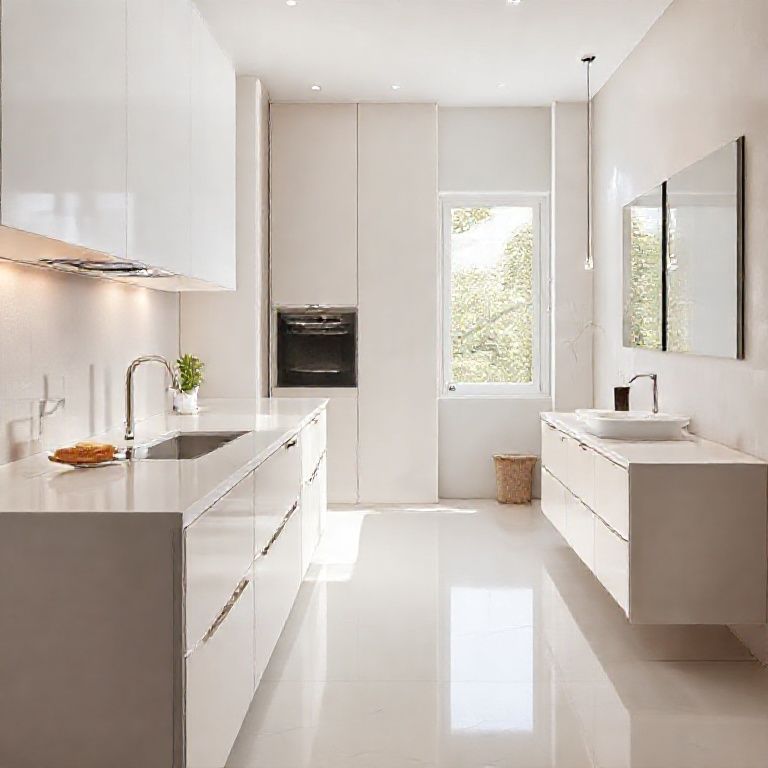
Fixture Compatibility: Ensure the countertop size accommodates all necessary fixtures, such as sinks, cabinets, and appliances. Custom sizing can help integrate these elements seamlessly.
Budget: Custom countertops may incur additional costs due to material and labor requirements. Factor in these costs when planning your renovation budget.
Installation Considerations
Proper installation is crucial for the longevity and appearance of your artificial stone countertop. Here are some key considerations to keep in mind:
Professional Installation: Artificial stone countertops are best installed by professionals. They have the expertise to ensure proper adhesion, cutting, and finishing, which are essential for a flawless installation.
Material Handling: Due to the material’s density, artificial stone countertops can be heavy. Proper handling and lifting techniques are necessary to avoid damage during installation.
Underlayment: Using an appropriate underlayment can enhance the stability and durability of the countertop. Common underlayments include plywood or MDF boards, which provide a stable base for the countertop.
Edge Finishing: The edges of the countertop should be properly finished to prevent chipping and ensure a clean, professional look. Options include beveled edges, rounded edges, or custom shapes.
Conclusion
Choosing the right size for your artificial stone countertop is a critical step in your kitchen or bathroom renovation project. Understanding the standard sizes, customization options, and installation considerations will help you make an informed decision that meets both your functional and aesthetic needs. Whether you opt for a standard size or a custom design, artificial stone countertops offer a beautiful, durable, and versatile solution for your space.
The Ultimate Guide to Choosing the Right Size for Your Artificial Stone Countertop
In the previous section, we explored the basics of artificial stone countertops, including their composition, standard sizes, customization options, and installation considerations. Now, let’s delve deeper into the specifics of countertop dimensions and specifications to help you make the best choice for your home renovation project.
Detailed Dimensions and Specifications
To ensure you select the right size for your artificial stone countertop, it’s essential to understand the detailed dimensions and specifications available. Here’s a more in-depth look at the various factors that influence the size and suitability of artificial stone countertops.
1. Standard Widths and Lengths
While the standard widths and lengths provide a good starting point, it’s important to recognize that these dimensions can vary slightly depending on the manufacturer and specific product line. Here are some detailed measurements:
Kitchen Countertops: Width: Common widths range from 24 to 36 inches. Wider countertops provide more surface area for cooking, food preparation, and dining. Length: Typical lengths range from 48 to 96 inches. Longer countertops can create a more open, flowing design in the kitchen. Bathroom Countertops: Width: Common widths range from 18 to 24 inches. Wider countertops offer more space for sinks and other fixtures. Length: Typical lengths range from 36 to 48 inches. Longer countertops can enhance the visual appeal of the bathroom.
2. Custom Dimensions
For those with unique space requirements or specific design preferences, custom dimensions are available. Here are some considerations for custom sizes:
Modular Options: Artificial stone countertops can be designed in modular formats, allowing for easy customization. Modular pieces can be arranged in various configurations to fit specific spaces.
Thickness: Standard thicknesses range from 1 to 2 inches, with custom options available to meet specific needs. Thicker countertops offer more durability and stability.
Shapes and Edges: Custom countertops can be designed in various shapes, including rectangular, oval, and freeform. Edges can be finished in multiple ways, such as beveled, rounded, or straight, to match your design vision.
3. Material Specifications
Understanding the material specifications of artificial stone countertops is crucial for assessing their suitability for your space. Here are some key specifications:
Density: Artificial stone typically has a density of around 1.5 to 2.0 grams per cubic centimeter. Higher density materials are more durable and resistant to impact.
Water Absorption: Artificial stone has a low water absorption rate, typically less than 1%. This makes it highly resistant to stains and water damage, ideal for both kitchen and bathroom applications.
Hardness: Artificial stone is known for its high hardness, often rated above 7 on the Mohs scale. This makes it resistant to scratches, cuts, and other forms of wear and tear.
4. Installation and Maintenance
Proper installation and maintenance are essential for ensuring the longevity and appearance of your artificial stone countertop. Here are some detailed guidelines:
Conclusion
Choosing the right size for your artificial stone countertop involves understanding both standard and custom dimensions, material specifications, and installation techniques. By considering these factors, you can ensure that your countertop not only meets your functional needs but also complements the overall design of your kitchen or bathroom. With its durability, aesthetic appeal, and versatility, artificial stone countertops are an excellent choice for modern home renovation projects.
This detailed guide should provide a comprehensive understanding of the dimensions and specifications of artificial stone countertops, helping you make an informed decision for your next renovation.