The Ultimate Guide to Choosing the Perfect Material for Your Cabinet Countertop
When it comes to kitchen design, the cabinet countertop plays a pivotal role in both functionality and aesthetics. Selecting the right material can make all the difference in the longevity, maintenance, and overall look of your kitchen. This guide will help you navigate the myriad of options available, focusing on the most popular and durable choices for your cabinet countertop.

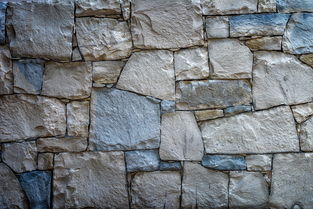
1. Granite: Timeless and Durable
Granite is often regarded as the quintessential countertop material due to its unparalleled durability and timeless appeal. This natural stone is highly resistant to scratches, stains, and heat, making it an excellent choice for high-traffic kitchen areas.
Pros:
Durability: Granite’s hardness makes it extremely durable, capable of withstanding heavy use and minor accidents. Aesthetics: Available in a vast array of colors and patterns, granite offers a classic, sophisticated look that complements various kitchen styles. Low Maintenance: While it requires sealing periodically to maintain its stain-resistant properties, granite generally needs minimal upkeep.
Cons:
Cost: Granite is one of the more expensive options, with prices varying based on the type and quality of stone. Weight: It is also quite heavy, which might require additional structural support if not installed properly.
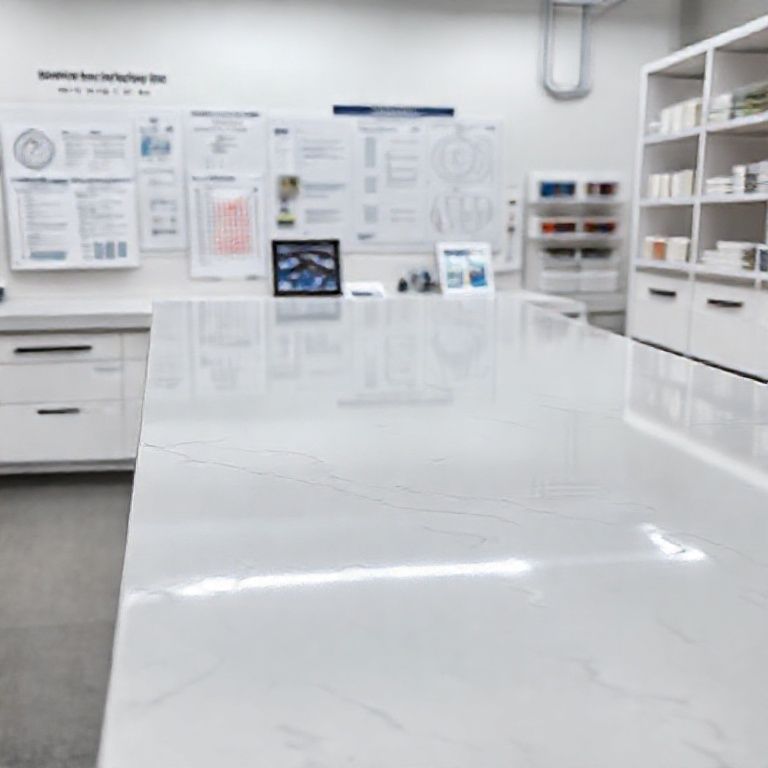
2. Quartz: The Modern Alternative
Quartz has surged in popularity due to its modern aesthetic and superior performance. Composed of 90% pure quartz, this composite material is known for its strength, beauty, and versatility.
Pros:
Durability: Quartz is incredibly hard and resistant to scratches, stains, and heat, offering a long-lasting solution for kitchen countertops. Affordability: Generally more affordable than granite, quartz provides excellent value without compromising on quality. Maintenance: Low maintenance, requiring only occasional cleaning and no sealing like granite.
Cons:
Heat Sensitivity: Although highly resistant to scratches and stains, quartz can still be damaged by high temperatures if not used with caution. Environmental Concerns: Some have raised concerns about the environmental impact of its production.
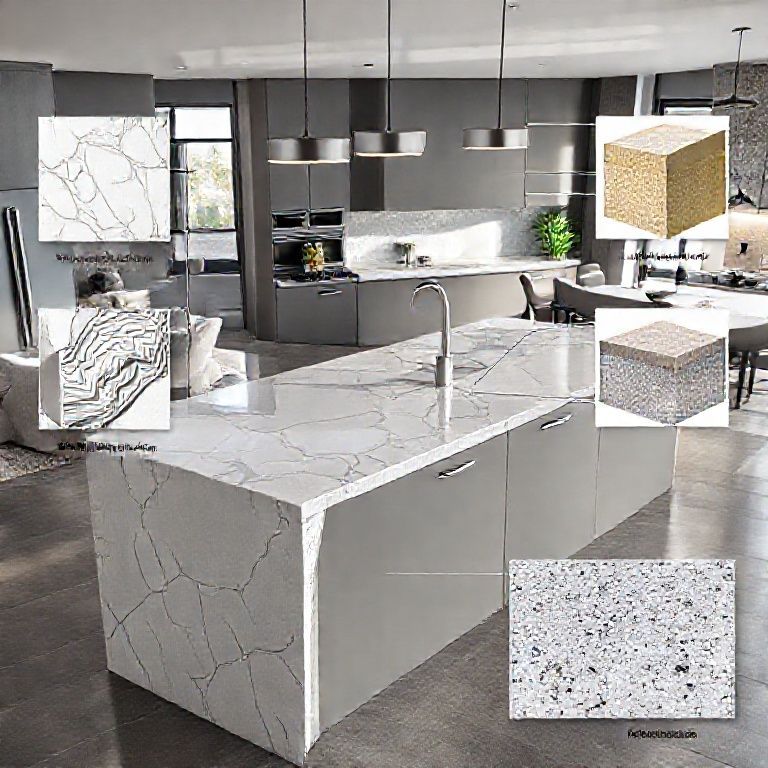
3. Solid Surface Composites: Versatility at Its Best
Solid surface composites, like Corian and Formica, offer unmatched versatility and design flexibility. These materials are made from a combination of acrylic or PVC and can be molded into virtually any shape or design.
Pros:
Customization: Solid surfaces can be crafted in any color, texture, or pattern, allowing for unique, personalized designs. Durability: They are highly resistant to scratches, stains, and microbial growth. Low Maintenance: Easy to clean and maintain, often requiring only a damp cloth and mild detergent.
Cons:
Heat Sensitivity: While more durable than many alternatives, solid surfaces can still be damaged by high temperatures. Aesthetic Limitations: Some may find the look less traditional compared to natural stone options.
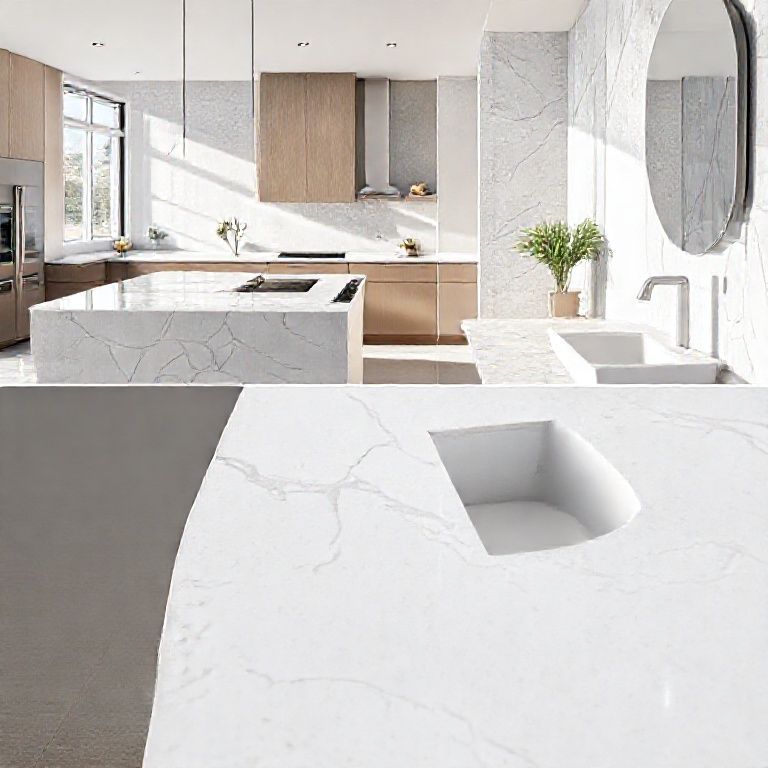
4. Laminate: Budget-Friendly and Practical
Laminate countertops are a cost-effective choice that offers a variety of colors and patterns. Made from multiple layers of compressed wood or paper, laminate provides a sleek, modern look at a fraction of the cost of natural stone.
Pros:
Affordability: Generally the most affordable option, laminates offer a wide range of design possibilities without breaking the bank. Design Options: Available in numerous colors and patterns, allowing for a personalized look. Low Maintenance: Easy to clean and maintain, requiring only basic care.
Cons:
Durability: Less durable than natural stone or solid surface composites, laminates can scratch easily and are not as heat-resistant. Limited Lifespan: Typically have a shorter lifespan compared to more durable materials.
5. Concrete: The Industrial Chic Choice
For those looking to add an industrial touch to their kitchen, concrete countertops offer a rugged, unique look that’s both stylish and functional.
Pros:
Stylish Appeal: Concrete’s raw, unfinished look adds an industrial chic element to any kitchen. Durability: Highly resistant to scratches, stains, and heat. Customization: Can be colored and finished in various ways to suit personal tastes.
Cons:
Cost: While concrete countertops can be cost-effective if done with DIY techniques, professional installation can be expensive. Maintenance: Requires sealing to prevent stains and water damage.
Conclusion
Choosing the perfect material for your cabinet countertop involves balancing aesthetics, durability, and budget. Whether you prefer the timeless elegance of granite, the modern look of quartz, the versatility of solid surface composites, the affordability of laminate, or the industrial charm of concrete, there’s a material that can meet your needs. Understanding the pros and cons of each will help you make an informed decision that enhances both the look and functionality of your kitchen.
Stay tuned for Part 2, where we’ll delve deeper into the installation process, maintenance tips, and additional material options to consider for your cabinet countertop!
The Ultimate Guide to Choosing the Perfect Material for Your Cabinet Countertop (Continued)
Building on the foundational aspects covered in Part 1, this second part will explore the installation process, maintenance tips, and additional material options to help you make an informed decision that enhances both the look and functionality of your kitchen.
1. Installation Process: Ensuring a Flawless Finish
The installation process is critical for the longevity and appearance of your cabinet countertop. Here’s a closer look at what to expect and how to ensure a flawless finish.
Granite:
Professional Installation: Given its weight and hardness, granite countertops typically require professional installation to ensure proper sealing and longevity. Sealing: Periodic sealing is necessary to maintain the stain-resistant properties of granite.
Quartz:
Ease of Installation: Quartz is relatively easy to install and can often be handled by DIY enthusiasts. No Sealing Required: One of the major advantages of quartz is that it doesn’t require sealing.
Solid Surface Composites:
Custom Cut: These materials are often custom cut to fit the specific dimensions of your kitchen. Professional installation is recommended to ensure a seamless fit. Maintenance: While easy to install, solid surfaces should be cleaned regularly to maintain their appearance.
Laminate:
DIY Installation: Laminate countertops are relatively easy to install, often requiring basic tools and no professional help. Low Maintenance: Regular cleaning is all that’s required to keep laminate countertops looking good.
Concrete:
Professional Installation: Given the complexity of working with concrete, professional installation is highly recommended. Sealing: Concrete countertops require periodic sealing to prevent stains and water damage.
2. Maintenance Tips: Keeping Your Countertops in Top Shape
Regular maintenance is essential for prolonging the life and maintaining the appearance of your cabinet countertops. Here are some tips for each material:
Granite:
Sealing: Regularly seal your granite countertops to maintain their stain-resistant properties. Follow the manufacturer’s recommendations for the best results. Cleaning: Use a mild detergent and a soft cloth to clean granite surfaces. Avoid abrasive cleaners that can scratch the surface.
Quartz:
Cleaning: Wipe down quartz countertops with a soft, damp cloth and mild detergent. Avoid using acidic or abrasive cleaners. Heat Protection: Be cautious with hot pots and pans to prevent thermal damage.
Solid Surface Composites:
Cleaning: Regular cleaning with mild soap and water will keep solid surfaces looking their best. Avoid using harsh chemicals. Minor Repairs: For minor scratches or chips, solid surface composites can often be repaired on-site by professionals.
Laminate:
Cleaning: Use a mild detergent and a soft cloth to clean laminate countertops. Avoid using abrasive cleaners that can scratch the surface. Avoid Heat: To prevent heat damage, avoid placing hot items directly on the surface.
Concrete:
Sealing: Periodic sealing is necessary to protect concrete countertops from stains and water damage. Cleaning: Use a mild detergent and a soft cloth to clean concrete surfaces. Avoid acidic cleaners that can damage the surface.
3. Additional Material Options: Exploring Beyond the Basics
While the primary options discussed in Part 1 are among the most popular choices, there are additional materials worth considering based on specific needs and preferences.
Silestone:
Properties: A type of natural stone composite, Silestone offers the durability of natural stone with the ease of installation of solid surface materials. Aesthetics: Available in a wide range of colors and finishes, Silestone provides a sleek, contemporary look.
Corian:
Properties: A type of solid surface made from acrylic resin, Corian is known for its durability and versatility. Aesthetics: Corian can be molded into various shapes and colors, offering a wide range of design possibilities.
Marble:
Silestone:
耐用性:Silestone是一种由90%以上的天然石材制成的高性能材料。它具有极高的耐刮擦、耐热和耐化学品的特性,非常适合用于高流量和高磨损区域,如厨房和浴室。
易于清洁:Silestone表面光滑,不易积累污渍和杂质,只需用中性清洁剂和湿布即可轻松清洁。
多样化设计:由于Silestone是以天然石材为基础,它可以提供多种颜色和纹理选择,可以与各种设计风格完美搭配。
低维护:与天然石材相比,Silestone不需要频繁的保养和密封处理,这使其成为一种低维护的选择。
Corian:
强度和耐用性:Corian是一种由石英、树脂和颜料混合制成的高强度材料,具有极高的耐刮擦和耐热性。它是一种非常耐用的材料,适用于厨房和浴室等高使用频率的区域。
易于清洁:Corian表面光滑,不易吸附污渍,只需用中性清洁剂和湿布即可保持清洁。
颜色和设计选择:Corian提供了非常广泛的颜色和纹理选择,可以定制各种独特的设计,适应不同的装修风格。
易于修复:如果Corian表面受到损坏,可以进行局部修复,而不需要更换整个表面,这使得其维护成本较低。
应用场景:
厨房:无论是选择Silestone还是Corian,它们都是厨房台面的绝佳选择。它们的耐用性和易于清洁的特性使其能够很好地应对厨房环境中的高温和各种化学品。
浴室:浴室环境湿度较高,但Silestone和Corian都有良好的耐湿性能,不容易受潮或发霉,非常适合用于浴室台面和洗手池。
办公室:现代办公室设计中,Silestone和Corian也是非常受欢迎的选择。它们不仅美观,而且易于清洁,能够保持办公环境的整洁。
餐厅和酒店:高流量的商业空间需要耐用且易于维护的材料,Silestone和Corian都能满足这些要求,同时其多样化的设计选项也能提升空间的美观度。
总结来说,Silestone和Corian都是现代建筑和室内设计中的优质选择,它们的耐用性、易于清洁以及丰富的设计选择使其能够广泛应用于各种场所。选择哪一种材料,主要取决于具体的需求、预算和设计风格。