Engineered Marble vs. Natural Marble: An Aesthetic and Structural Overview
Introduction
In the realm of interior design, marble stands as a symbol of elegance and sophistication. Whether you are designing a kitchen, bathroom, or living space, choosing the right type of marble can make a significant difference in both the visual appeal and the longevity of your space. Today, we delve into the world of marble to compare two popular options: engineered marble and natural marble. By understanding their distinct characteristics, you can determine which one best suits your needs.
The Essence of Engineered Marble
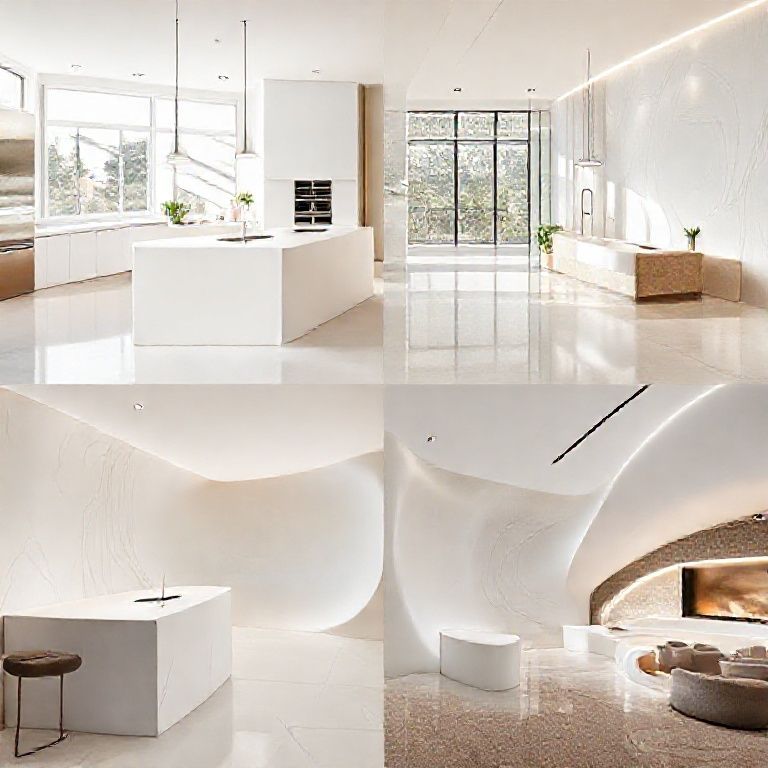
Engineered marble, also known as synthetic or composite marble, is a man-made material crafted from a combination of natural marble powder, resin, and other binding agents. This amalgamation is then compressed and heated to create a durable, monolithic surface. The result is a product that mimics the beauty of natural marble while offering several advantages.
Aesthetic Appeal
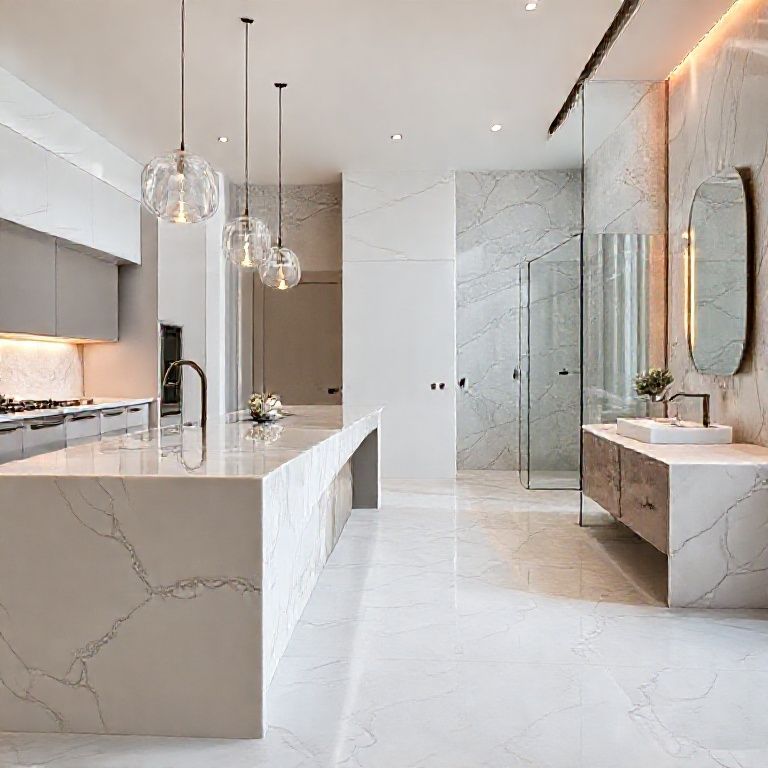
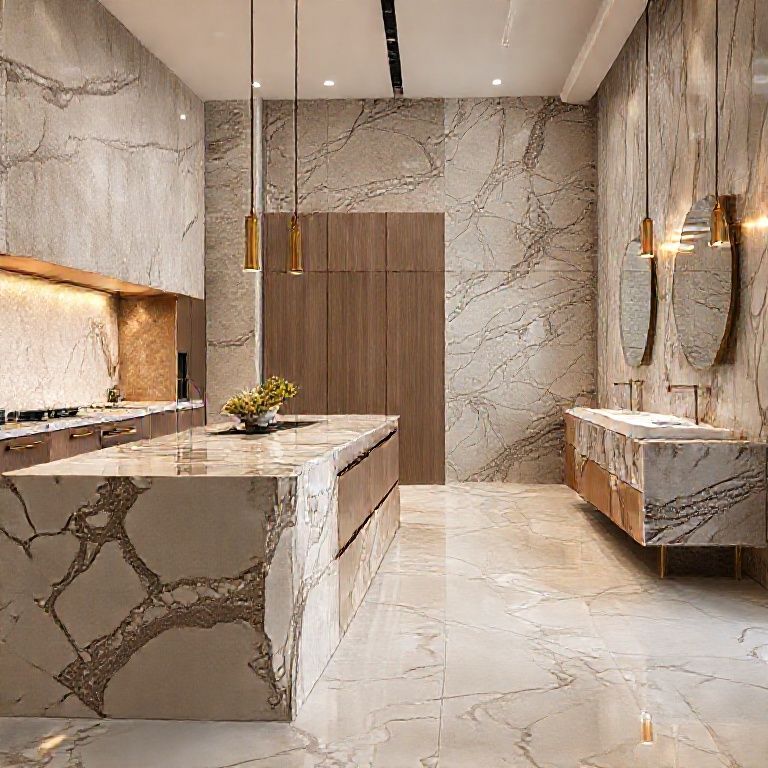
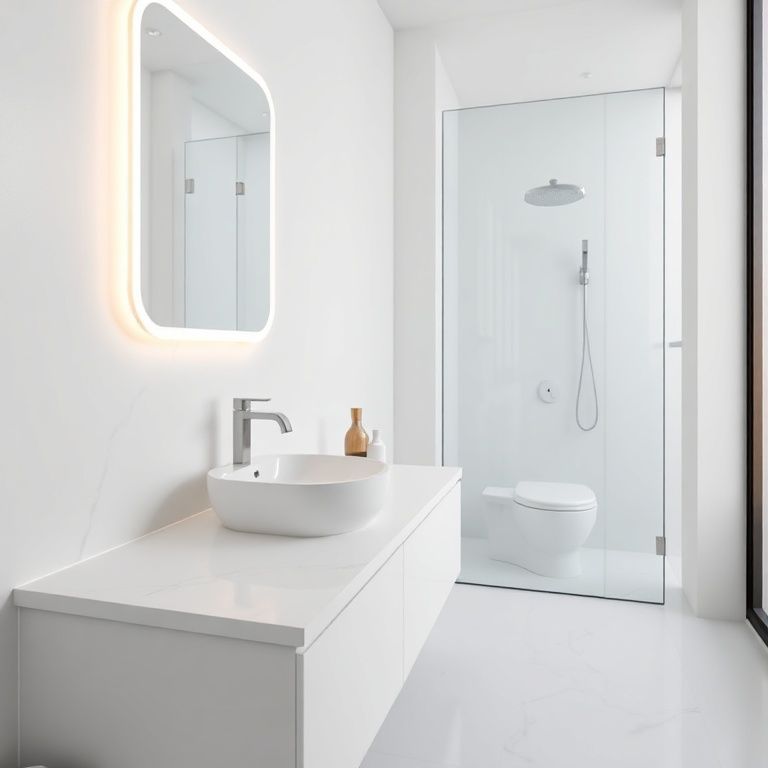
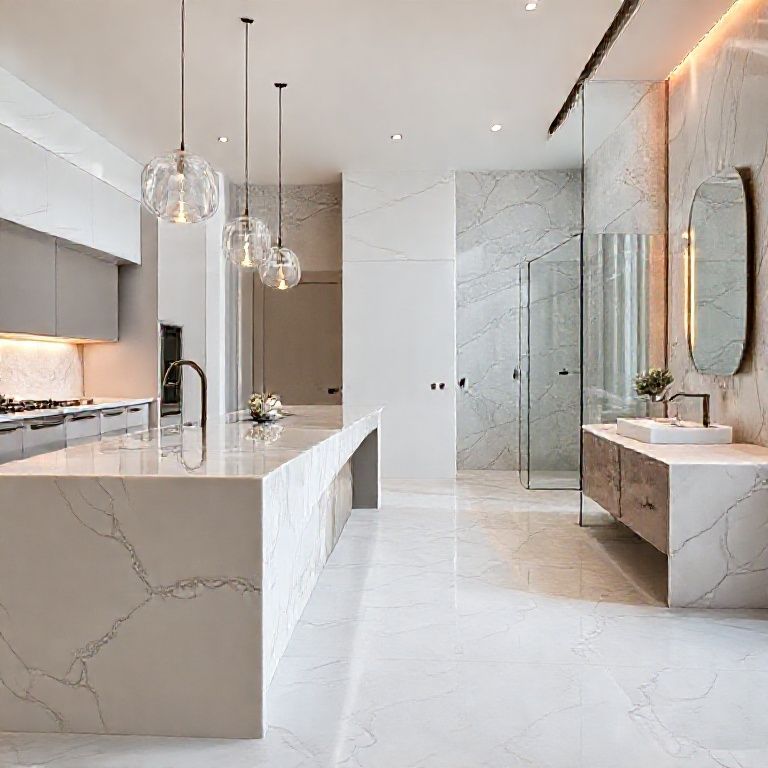
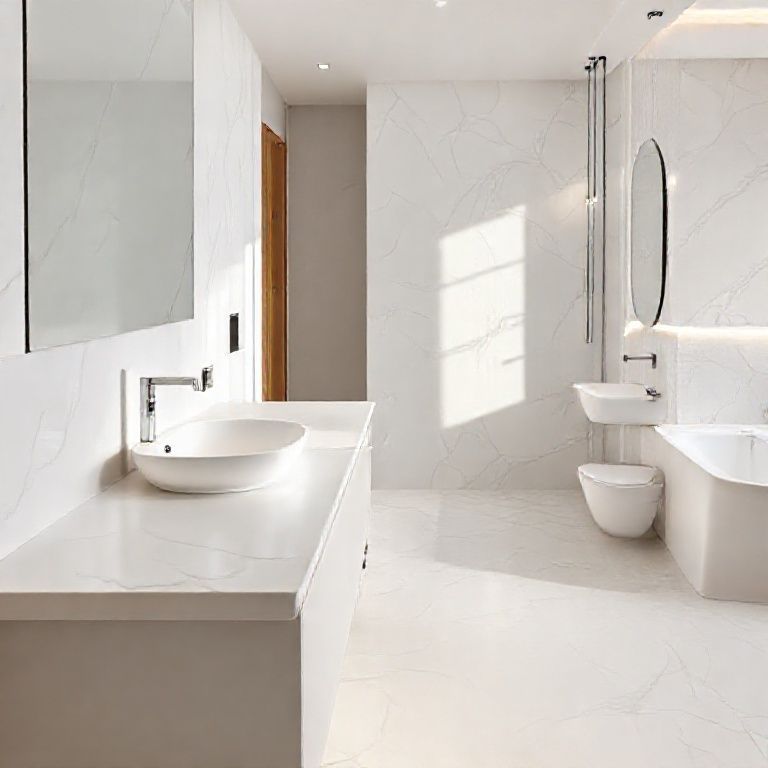
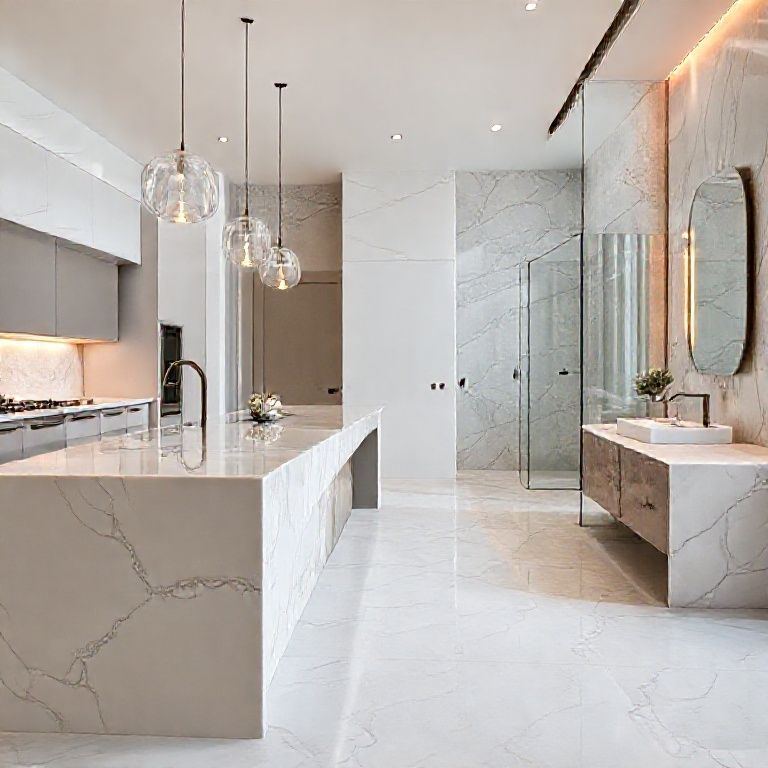
Engineered marble is renowned for its stunning aesthetic appeal. It can replicate the intricate veining and colors found in natural marble, providing a luxurious look that can elevate any space. The manufacturing process allows for a high degree of customization, enabling designers to create unique patterns and colors that might be challenging to find in natural marble. This flexibility makes engineered marble an excellent choice for those looking to achieve a specific design vision.
Durability and Maintenance
One of the most significant advantages of engineered marble is its durability. Being a composite material, it is more resistant to scratches, chips, and stains compared to natural marble. This makes it an ideal option for high-traffic areas where wear and tear are common. Moreover, engineered marble does not require sealing, which is often necessary for natural marble to protect it from stains and discoloration. This ease of maintenance reduces both the hassle and cost associated with keeping your marble surfaces pristine.
Cost-Effectiveness
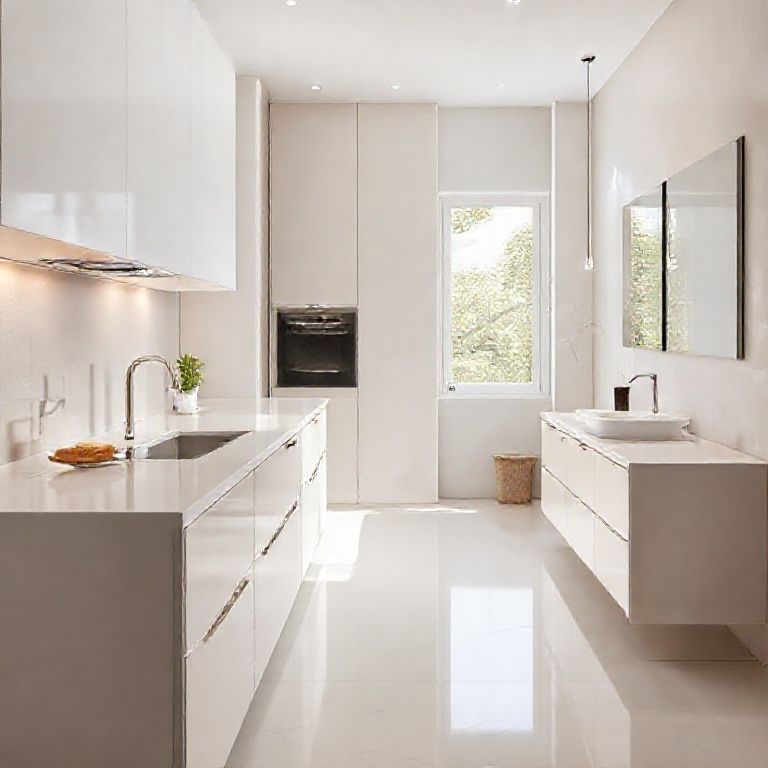
While engineered marble may not have the same intrinsic value as natural marble, it offers excellent value for money. The cost of producing engineered marble is significantly lower than that of natural marble, making it a more affordable option without compromising on quality. Additionally, its resistance to damage means that it requires less frequent replacement, further adding to its cost-effectiveness.
The Charm of Natural Marble
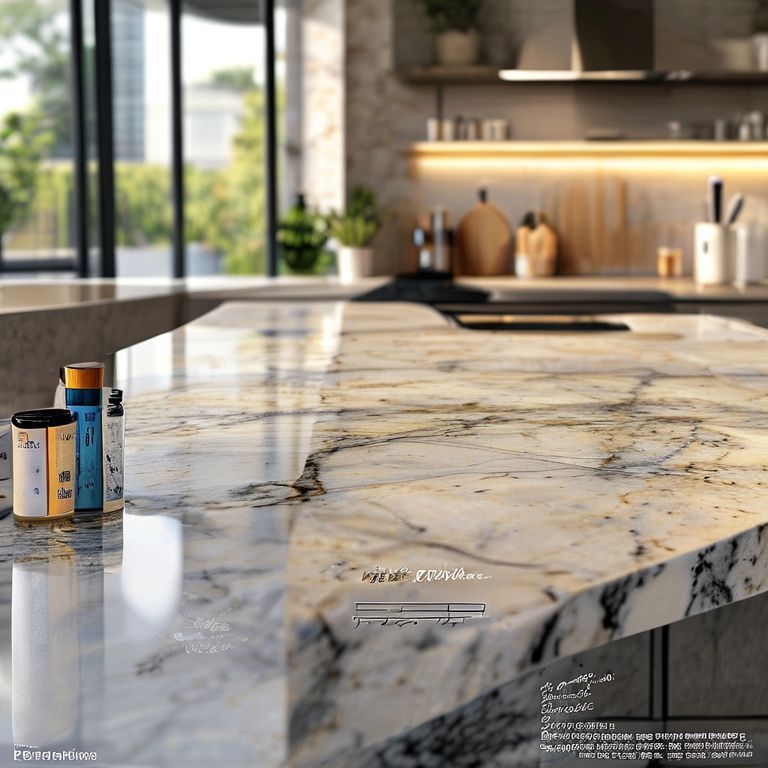
Natural marble, quarried from the earth, is a prized material renowned for its timeless beauty and rich history. Each piece is unique, with its own distinctive veining and color variations, making it a true work of art.
Aesthetic Appeal
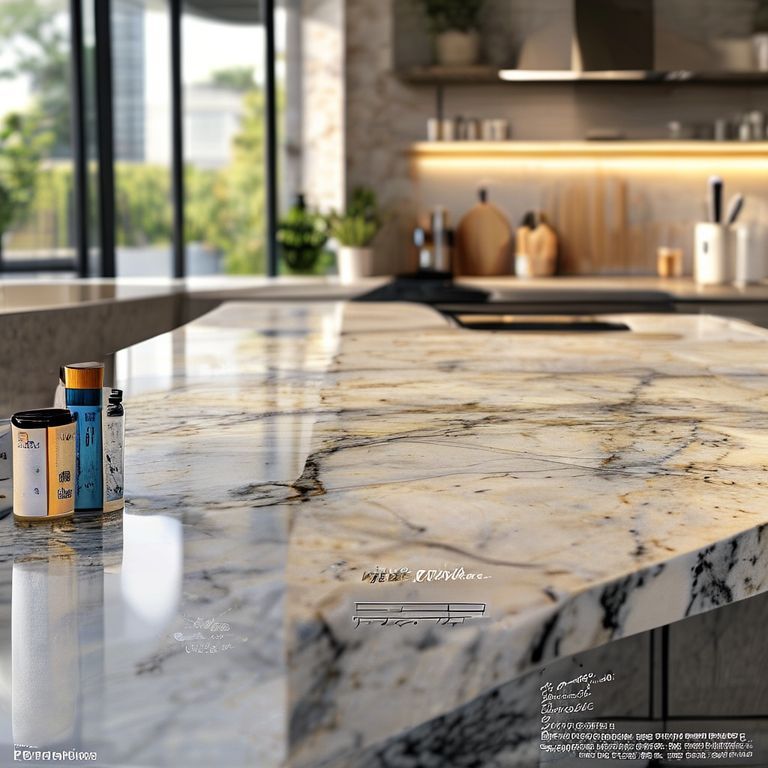
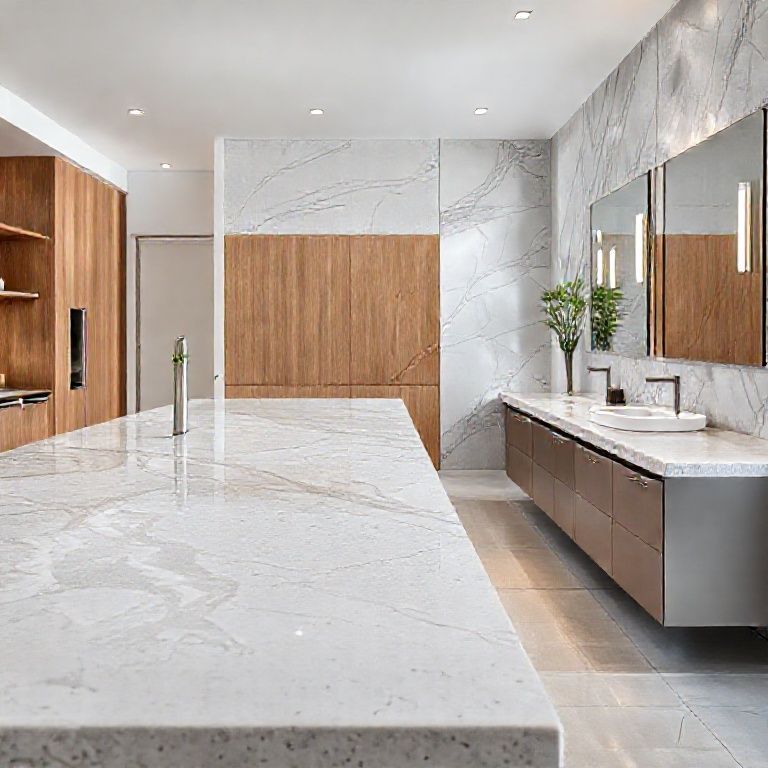
The most striking feature of natural marble is its one-of-a-kind beauty. The natural veining and color patterns found in natural marble are unmatched by any engineered product. This uniqueness adds a touch of authenticity and elegance to any space, making natural marble a popular choice for luxury homes and high-end commercial projects.
Durability and Maintenance
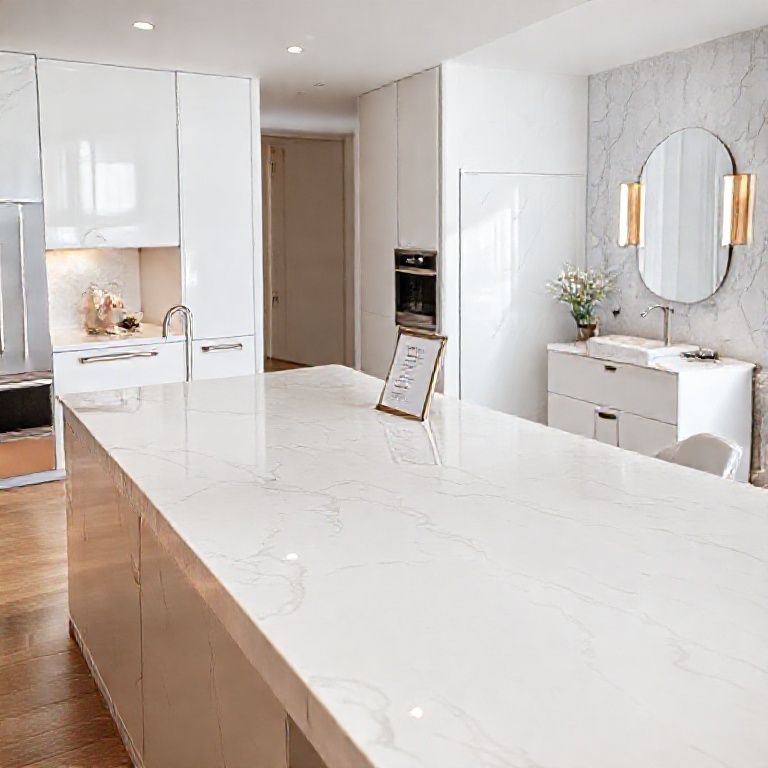
Natural marble, while beautiful, requires more maintenance than engineered marble. It is softer and more prone to scratches, chips, and staining. To protect its natural beauty, natural marble often needs to be sealed with a protective layer, which must be reapplied periodically to maintain its protective qualities. Despite its durability challenges, natural marble’s timeless appeal and the joy of owning a genuine piece of the earth’s natural beauty make it a cherished choice for many.
Cost-Effectiveness
Natural marble is often more expensive than engineered marble due to its higher production costs and the unique, irreplaceable nature of each piece. While the initial cost may be higher, the long-lasting beauty and the satisfaction of owning a genuine marble artifact can make it worth the investment for many.
Conclusion
Both engineered marble and natural marble offer unique advantages and appeal to different design preferences. Engineered marble shines with its durability, ease of maintenance, and customizable aesthetic, making it a practical choice for many modern applications. On the other hand, natural marble captivates with its one-of-a-kind beauty and timeless elegance, offering a touch of authenticity that is hard to replicate. Understanding these differences can help you make a well-informed decision that aligns with your design vision and practical needs.
Installation, Longevity, and Environmental Impact: Making the Final Decision
Installation Considerations
When it comes to installation, the differences between engineered marble and natural marble can play a crucial role in the overall design process.
Engineered Marble
Engineered marble is typically available in large, pre-cut slabs, making installation straightforward and efficient. It can be cut, shaped, and installed with ease, often requiring less specialized labor compared to natural marble. This material’s durability also means that it can withstand the rigors of installation without significant damage, ensuring a smooth and hassle-free process.
Natural Marble
Installing natural marble can be a more intricate process due to its unique, individual characteristics. Each piece needs to be carefully selected and cut to fit the specific design requirements. The installation process may require more skilled labor to ensure that the natural beauty and integrity of each piece are preserved. Additionally, natural marble’s susceptibility to damage means that extra precautions must be taken during installation to prevent scratches, chips, and staining.
Longevity and Wear Resistance
The longevity and wear resistance of marble are critical factors to consider when making your choice.
Engineered Marble
Engineered marble’s composite nature makes it highly resistant to scratches, chips, and stains, offering a longer lifespan compared to natural marble. Its durability means that it is less likely to require frequent repairs or replacements. This makes engineered marble an excellent choice for high-traffic areas where wear and tear are common. However, it is essential to note that engineered marble’s surface can still be damaged by sharp objects or excessive heat.
Natural Marble
Natural marble, while beautiful, is more susceptible to damage and requires more maintenance to preserve its appearance. Its softer composition means that it can be prone to scratches, chips, and staining if not properly cared for. Regular sealing and maintenance are necessary to protect its natural beauty and prolong its lifespan. Despite these challenges, natural marble’s enduring appeal and the joy of owning a genuine piece of the earth’s natural beauty make it a cherished choice for many.
Environmental Impact
In today’s environmentally conscious world, the environmental impact of your choice is an important consideration.
Engineered Marble
Engineered marble is a more sustainable option compared to natural marble. The manufacturing process for engineered marble is generally less resource-intensive, requiring fewer raw materials and generating less waste. Additionally, the use of recycled materials in some engineered marble products further reduces its environmental footprint. However, it’s important to note that the resin used in engineered marble manufacturing can sometimes be a concern for environmentally-conscious consumers.
Natural Marble
Extracting natural marble from quarries has a significant environmental impact. The process often involves large-scale quarrying, which can lead to habitat destruction, soil erosion, and other ecological concerns. Additionally, the transportation of natural marble can contribute to carbon emissions. While natural marble’s beauty is undeniable, its environmental impact makes it a less sustainable choice compared to engineered marble.
Conclusion
Choosing between engineered marble and natural marble is a decision that hinges on a variety of factors, including aesthetic appeal, durability, maintenance, installation, longevity, and environmental impact. Engineered marble offers a practical, cost-effective, and sustainable alternative with its durability and ease of maintenance. It is an excellent choice for those seeking a luxurious look without the upkeep of natural marble.
On the other hand, natural marble’s unique beauty and timeless elegance make it a cherished choice for those who value authenticity and the joy of owning a genuine piece of the earth’s natural beauty. While it requires more maintenance and has a higher environmental impact, its one-of-a-kind aesthetic cannot be replicated.
Ultimately, the decision comes down to your specific needs, design preferences, and values. By understanding the differences between engineered and natural marble, you can make an informed choice that enhances your space and aligns with your lifestyle.