Aesthetic Appeal and Design Flexibility
When it comes to selecting a material for countertops, flooring, or other interior design elements, aesthetic appeal and design flexibility play crucial roles. Marble, in all its forms, has long been a favorite due to its timeless elegance and versatility. However, the choice between engineered marble and natural marble can significantly impact your design choices. Let’s dive into the aesthetic and design aspects of these two types of marble.
Aesthetic Appeal
Both engineered marble and natural marble offer stunning visual qualities, but they cater to different tastes and preferences.
Natural Marble
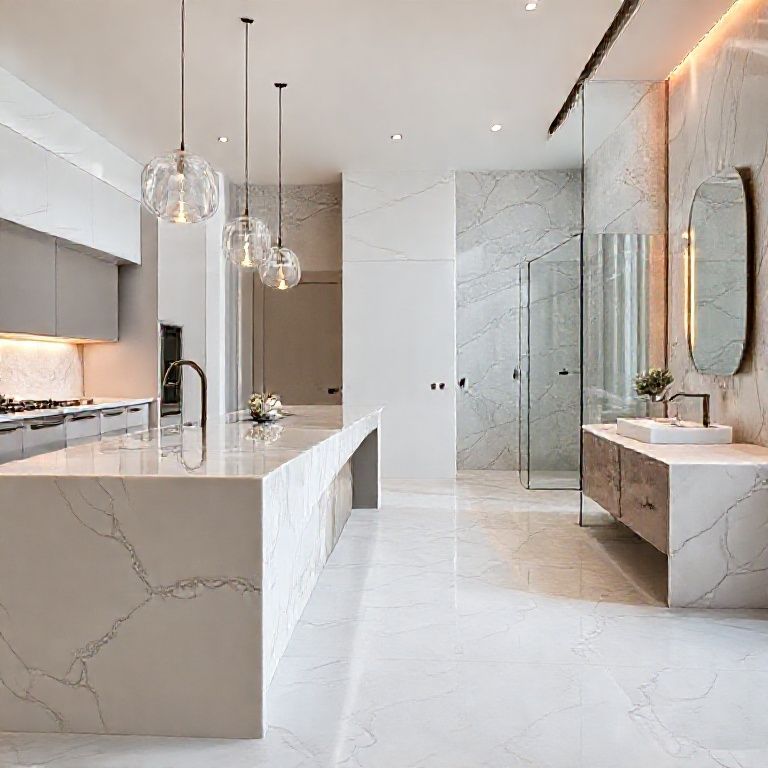
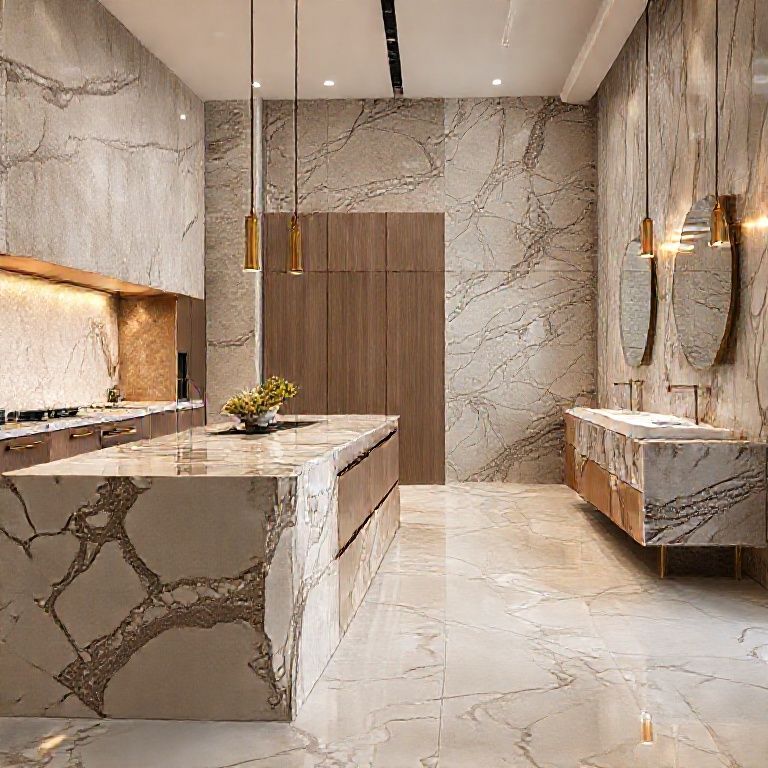
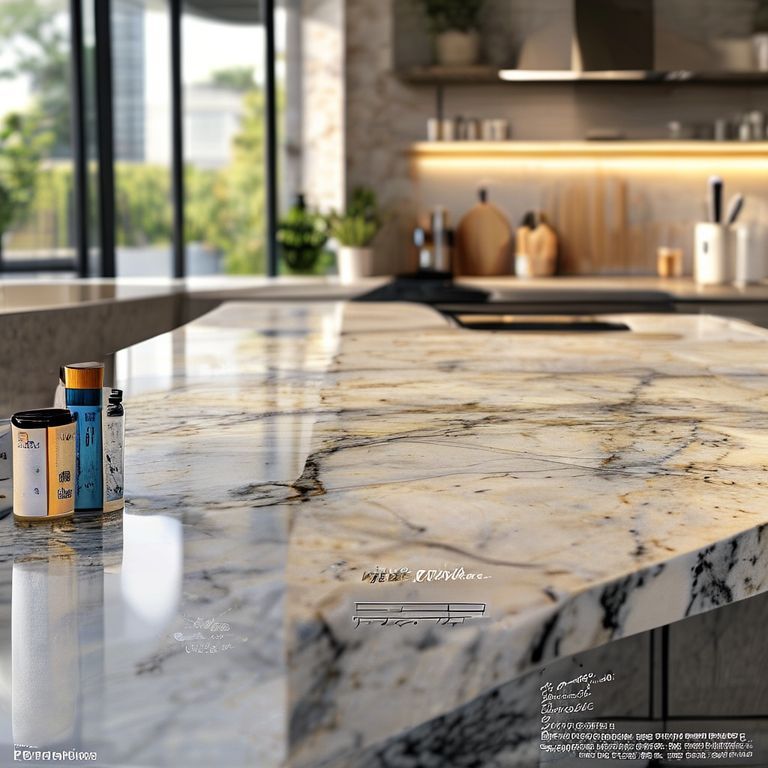
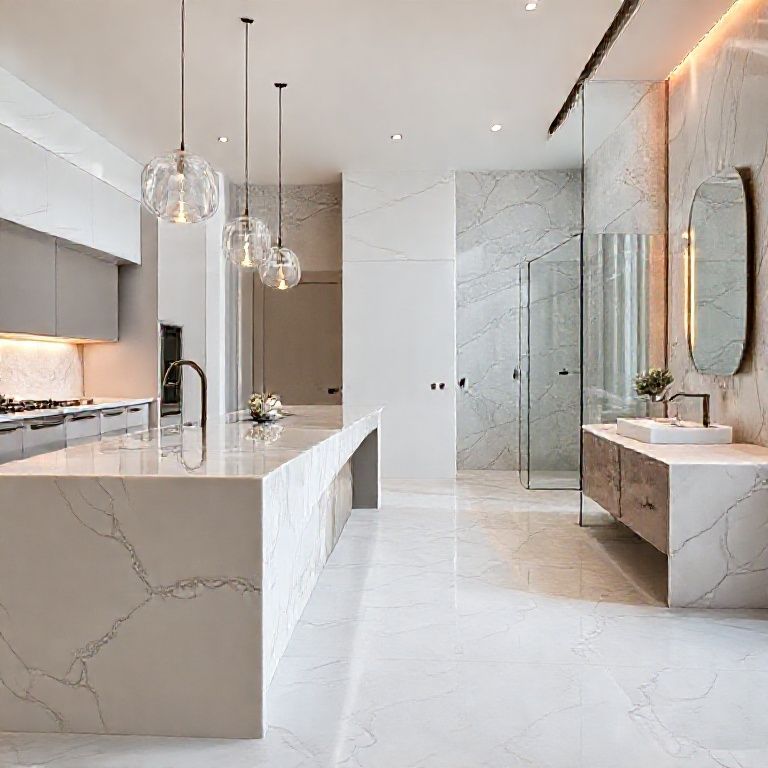
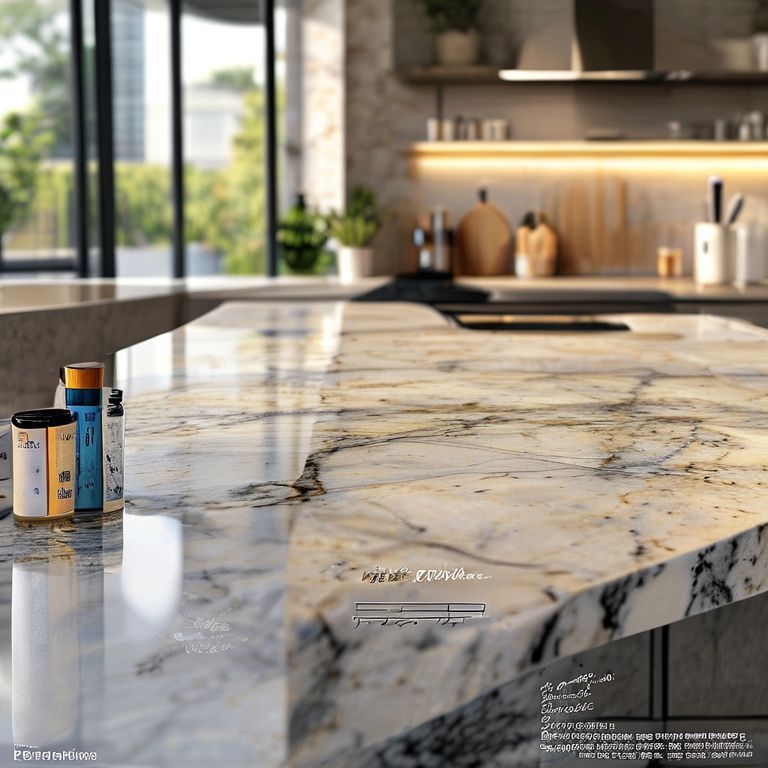
Natural marble is renowned for its unique, one-of-a-kind patterns and colors. Each slab is a natural stone that comes directly from a quarry, and therefore, no two pieces are exactly alike. This individuality makes natural marble a perfect choice for those looking for a truly bespoke, luxurious, and authentic look. The natural veins and swirls found in natural marble provide an organic, sophisticated charm that is often sought after in high-end architectural and interior design.
Engineered Marble
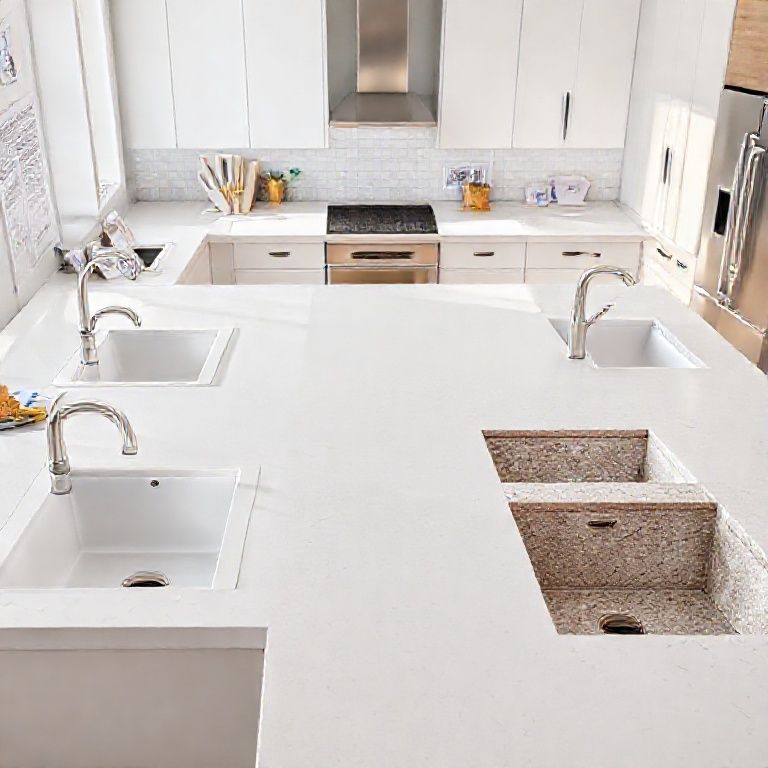
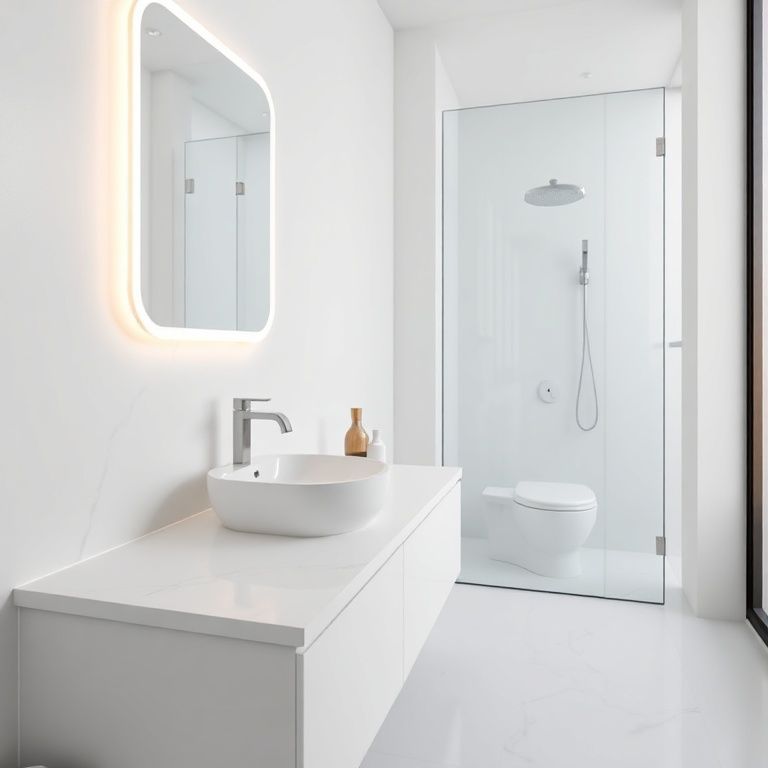
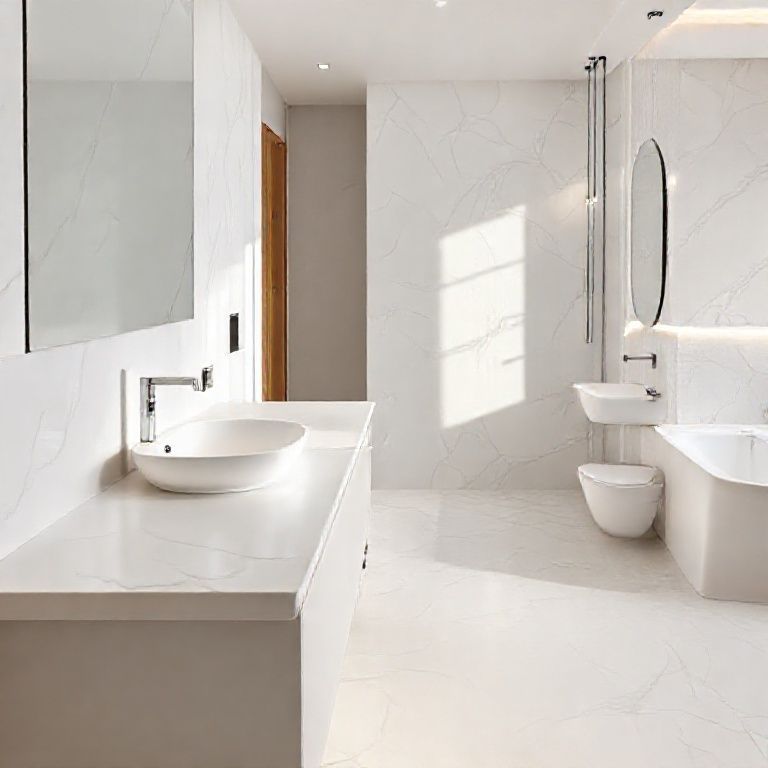
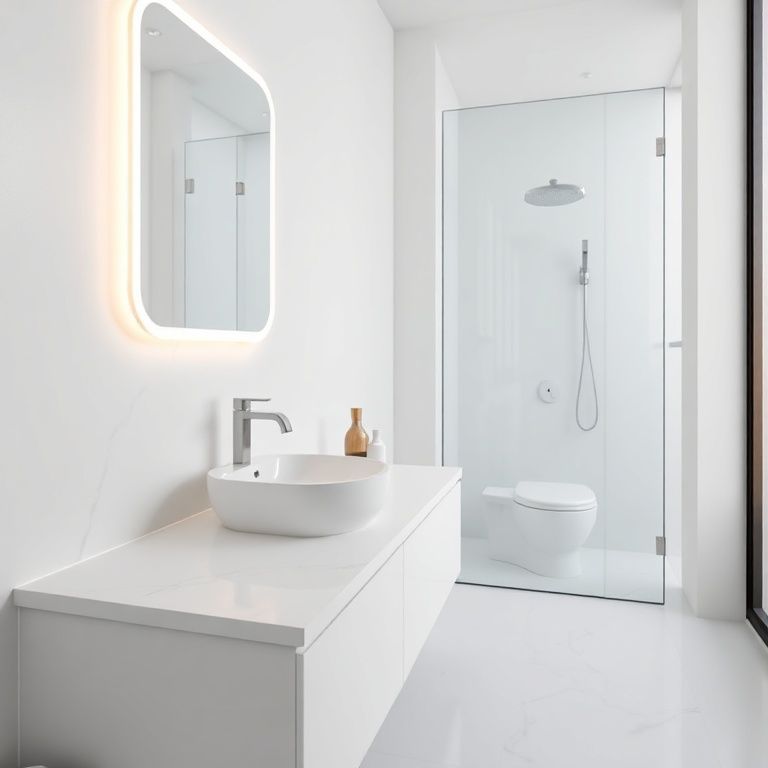
Engineered marble, on the other hand, is a composite material made by bonding a layer of natural marble dust with resin. This process allows manufacturers to create slabs that mimic the look of natural marble while offering more uniformity and predictability. The result is a product that can be designed to match specific aesthetic goals, such as particular color schemes or patterns. Engineered marble also allows for more creative freedom, as it can be cut into various shapes and sizes without losing its structural integrity.
Design Flexibility
Design flexibility is where engineered marble often shines. Let’s explore how both types of marble differ in this aspect.
Natural Marble
While natural marble offers unmatched authenticity and beauty, it does come with some limitations. The natural formation of the stone means that it can be thicker and less predictable in terms of color and pattern. This can make natural marble less suitable for certain design applications where uniformity and specific dimensions are crucial. Additionally, natural marble slabs can be more expensive due to their unique nature, making them less accessible for some projects.
Engineered Marble
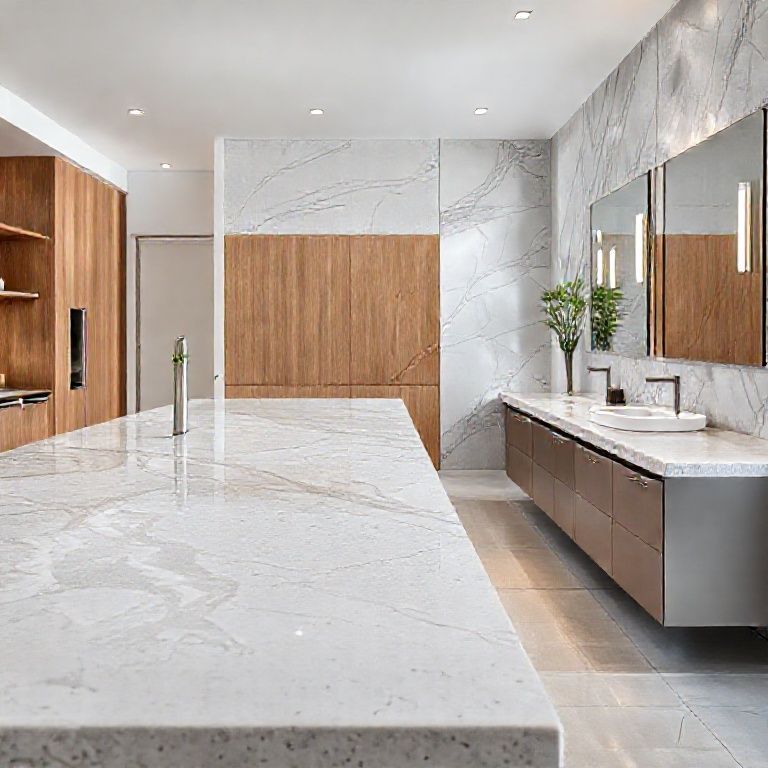
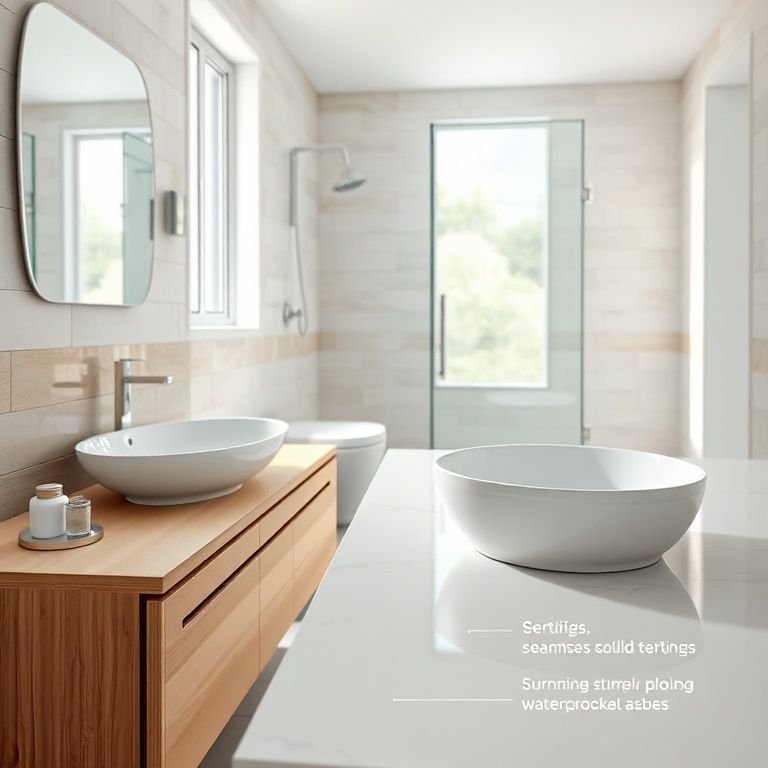
Engineered marble, by contrast, provides exceptional design flexibility. The manufacturing process allows for precise control over the final product’s dimensions, thickness, and appearance. This means you can design custom pieces that fit perfectly into any space, whether it’s a bespoke countertop, a unique tabletop, or a specialized architectural feature. Moreover, engineered marble slabs can be produced in a variety of colors and patterns, offering endless possibilities for designers and architects.
Sustainability
Sustainability is another critical factor when choosing between engineered and natural marble.
Natural Marble
The extraction of natural marble from quarries can have significant environmental impacts. The process often involves large-scale quarrying, which can lead to habitat destruction, deforestation, and other ecological concerns. Additionally, transporting natural marble slabs over long distances adds to the carbon footprint associated with this material.
Engineered Marble
Engineered marble is a more sustainable alternative in many respects. Since it is made from recycled marble dust, it reduces the need for quarrying new natural stone. This means less environmental disruption and a smaller carbon footprint. Furthermore, the manufacturing process can be optimized to minimize waste, making engineered marble a more eco-friendly option.
Durability, Maintenance, and Cost
When it comes to selecting the perfect material for your home or commercial space, durability, maintenance, and cost are pivotal considerations. Both engineered marble and natural marble offer distinct advantages and disadvantages in these areas, influencing your decision-making process. Let’s delve into these critical factors to help you choose the best option for your needs.
Durability
Durability is a significant factor in determining the longevity and performance of any material. Both engineered marble and natural marble have their unique strengths in this area.
Natural Marble
Natural marble is known for its impressive durability, especially when it comes to high-traffic areas. This stone is a metamorphic rock, which means it has undergone significant geological processes that make it naturally hard and resistant to scratches. However, natural marble is also prone to staining and etching, especially with acidic or alkaline substances. This requires careful maintenance to preserve its appearance and integrity.
Engineered Marble
Engineered marble’s durability is one of its strongest points. Because it is made from a mixture of natural marble dust and resin, it inherits the hardness of marble while offering enhanced resistance to scratches and stains. The resin bonding process also ensures that engineered marble slabs are more uniform and less prone to irregularities that can affect durability. However, engineered marble can still be scratched if subjected to excessive force, but this is less likely than with natural marble.
Maintenance
Maintenance is an essential aspect to consider, as it affects the ease of upkeep and the lifespan of the material.
Natural Marble
Natural marble requires diligent maintenance to maintain its beauty and longevity. Regular cleaning with a marble-specific cleaner is essential to prevent staining and etching. Acidic or alkaline substances, such as wine, coffee, and cleaning agents, should be avoided, as they can damage the stone. Polishing may also be necessary periodically to restore its shine and repel stains.
Engineered Marble
Engineered marble generally requires less maintenance compared to natural marble. The resin bonding process makes it more resistant to stains and etching, so it can be cleaned with regular household cleaners and minimal special maintenance. However, it’s still important to avoid harsh chemicals and abrasive cleaners, which can scratch the surface. Regular cleaning with a neutral pH cleaner will help keep engineered marble looking its best.
Cost
Cost is often a major deciding factor when choosing between engineered marble and natural marble.
Natural Marble
Natural marble tends to be more expensive due to its unique and one-of-a-a-kind properties. The cost varies depending on the type of marble, its color, and pattern. High-end marbles like Carrara, Bianco, and Imperial are particularly costly due to their rarity and beauty. Additionally, the thicker and less predictable nature of natural marble slabs can lead to higher material costs and sometimes additional expenses related to cutting and shaping.
Engineered Marble
Engineered marble is generally more affordable than natural marble. The manufacturing process, which involves using recycled marble dust, keeps production costs lower. Moreover, the uniform nature of engineered marble slabs allows for more efficient use of materials, reducing waste and lowering costs. While the initial price may be lower, it’s important to factor in the long-term savings from reduced maintenance and durability.
Installation
The ease of installation can also influence your decision between engineered and natural marble.
Natural Marble
Natural marble slabs are typically thicker and heavier, making them more challenging to transport and install. The installation process may require specialized tools and expertise to ensure proper fitting and sealing. Additionally, natural marble’s unpredictable nature means that cuts and adjustments might be necessary to achieve the desired fit, which can add to installation time and costs.
Engineered Marble
Engineered marble slabs are usually thinner and lighter, which simplifies transportation and installation. The uniform size and shape of engineered marble slabs make them easier to fit into any space without requiring extensive adjustments. This can lead to faster installation times and potentially lower labor costs.
Conclusion
Choosing between engineered marble and natural marble depends on various factors, including aesthetic appeal, design flexibility, durability, maintenance, cost, and installation ease. Natural marble offers unmatched authenticity and beauty, with its unique patterns and colors. However, it comes with higher costs and maintenance requirements.
Engineered marble provides superior design flexibility, durability, and ease of maintenance at a lower cost. It also offers a more sustainable option by reducing the need for quarrying new natural stone.
Ultimately, the best choice depends on your specific needs, preferences, and budget. By understanding the nuanced differences between engineered and natural marble, you can make an informed decision that enhances the beauty and functionality of your space.