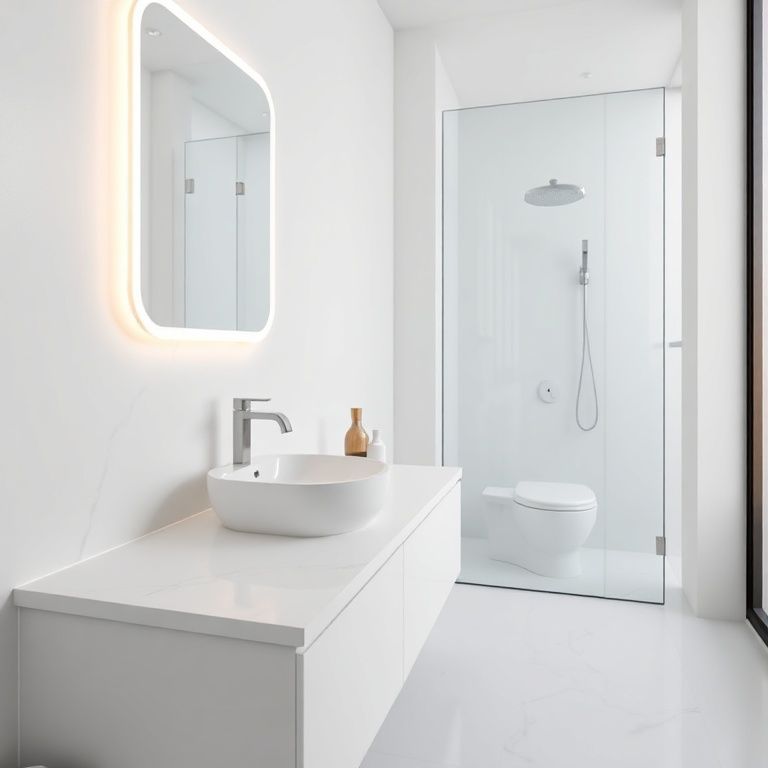
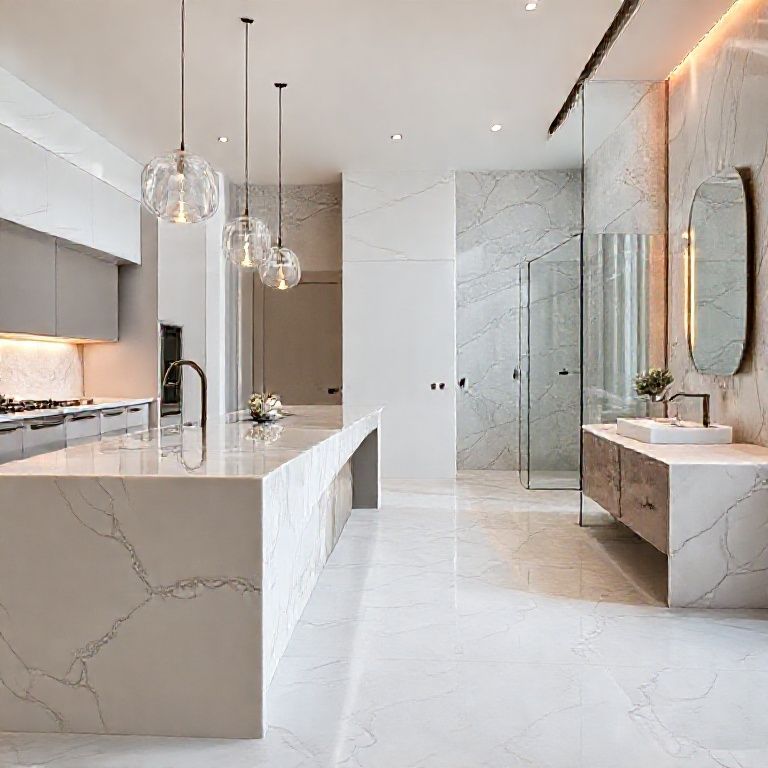
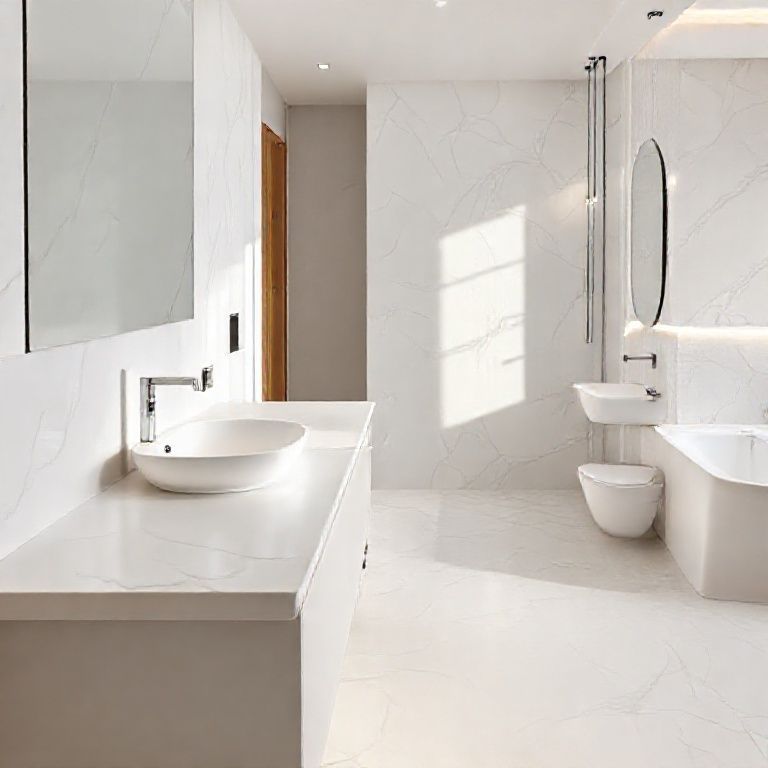
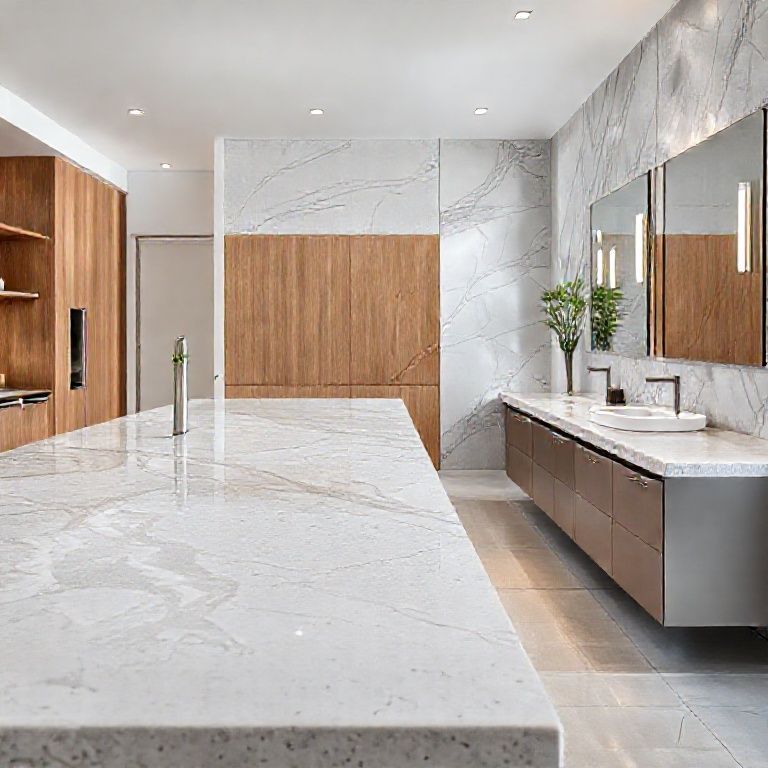
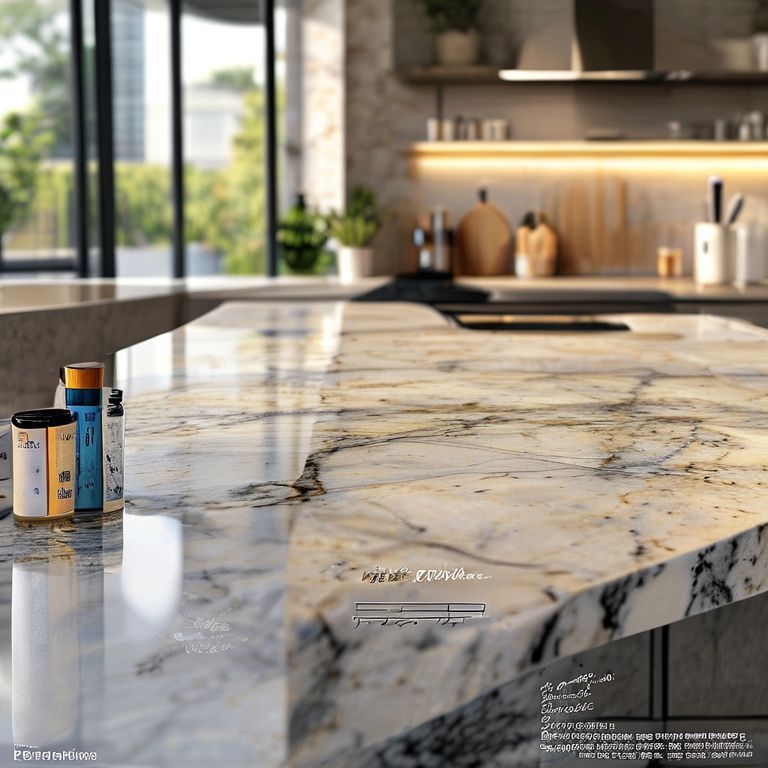
When it comes to choosing the perfect material for your home decor, understanding the differences between engineered and natural marble is essential. This comprehensive guide delves deep into the characteristics, advantages, and drawbacks of both to help you make an informed decision. Discover which material suits your aesthetic, budget, and practical needs the best.
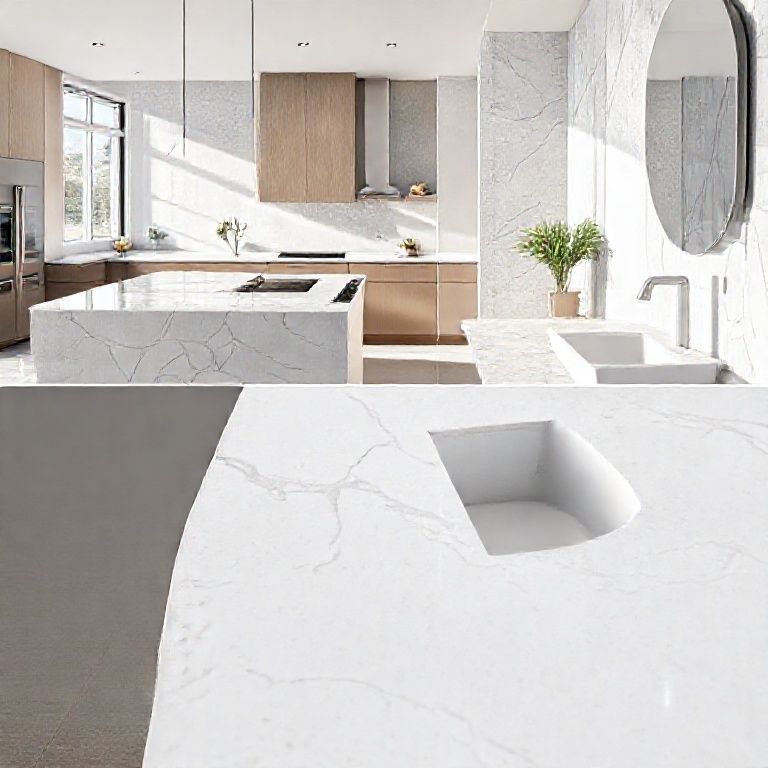
engineered marble, natural marble, marble differences, marble advantages, marble durability, marble maintenance, marble cost, marble quality, marble installation, home decor, interior design
Part 1
Engineered vs. Natural Marble: A Comprehensive Comparison
When it comes to home decor, marble is often considered a luxurious and timeless choice. However, the market offers two primary types: engineered marble and natural marble. Each type comes with its unique set of characteristics, advantages, and drawbacks. This part of the article will explore these aspects in detail to help you make an informed decision.
What is Engineered Marble?
Engineered marble, also known as synthetic or artificial marble, is a composite material made from a combination of natural stone and resin. The process involves bonding layers of stone together with a resin binder. This material is then sliced into thin sheets that can be used for countertops, sinks, and other decorative surfaces. Engineered marble is created in a controlled environment, allowing manufacturers to replicate the look of natural marble while offering more consistent and predictable results.
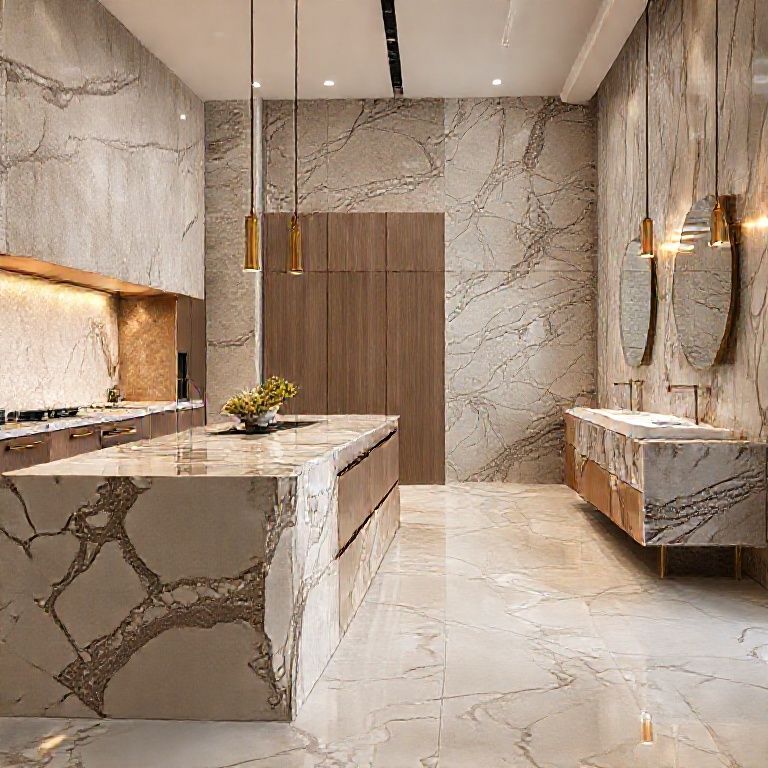
Advantages of Engineered Marble
Consistency and Predictability: Since engineered marble is manufactured in a factory, it offers a highly consistent product with uniform colors and patterns. This ensures that every piece you purchase will look exactly like the sample you see in the showroom.
Durability and Strength: Engineered marble is known for its impressive durability. The resin binder used in its construction makes it highly resistant to scratches, stains, and impacts. It’s also water-resistant, making it an excellent choice for kitchens and bathrooms.
Cost-Effective: Because of the controlled manufacturing process and the use of lower-cost stone, engineered marble is generally more affordable than natural marble. It’s a great option for those looking for high-quality material without breaking the bank.
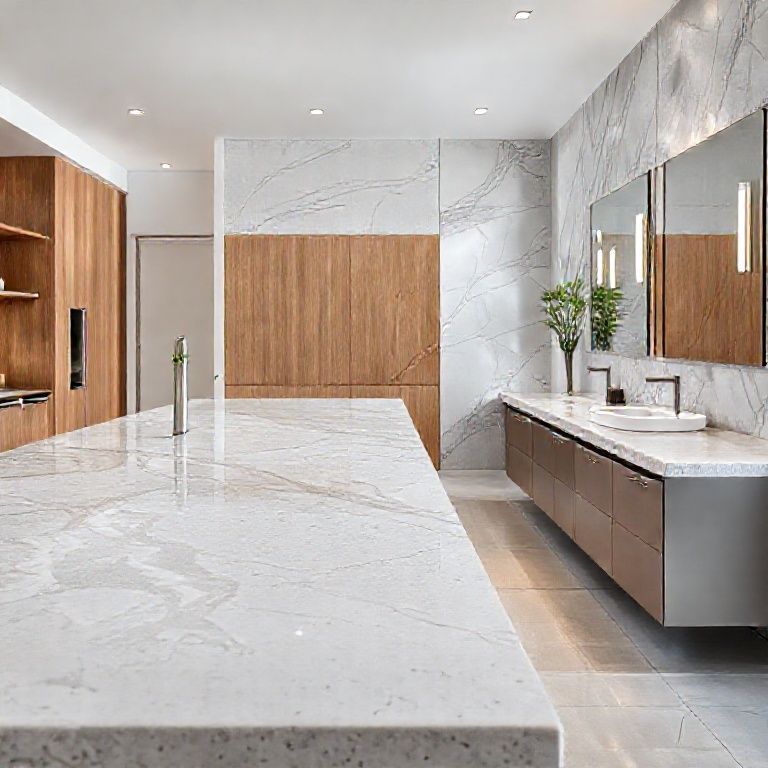
Customizability: Engineered marble can be manufactured to specific dimensions and designs. This means you can get custom pieces that fit your exact requirements, such as odd-shaped countertops or unique patterns.
Ease of Installation: Engineered marble sheets are lightweight and easy to handle. They also come with a backing material that simplifies installation, even for DIY enthusiasts.
Drawbacks of Engineered Marble
Limited Natural Aesthetics: While engineered marble can closely mimic the look of natural marble, it lacks the unique and intricate patterns that are a hallmark of genuine stone.
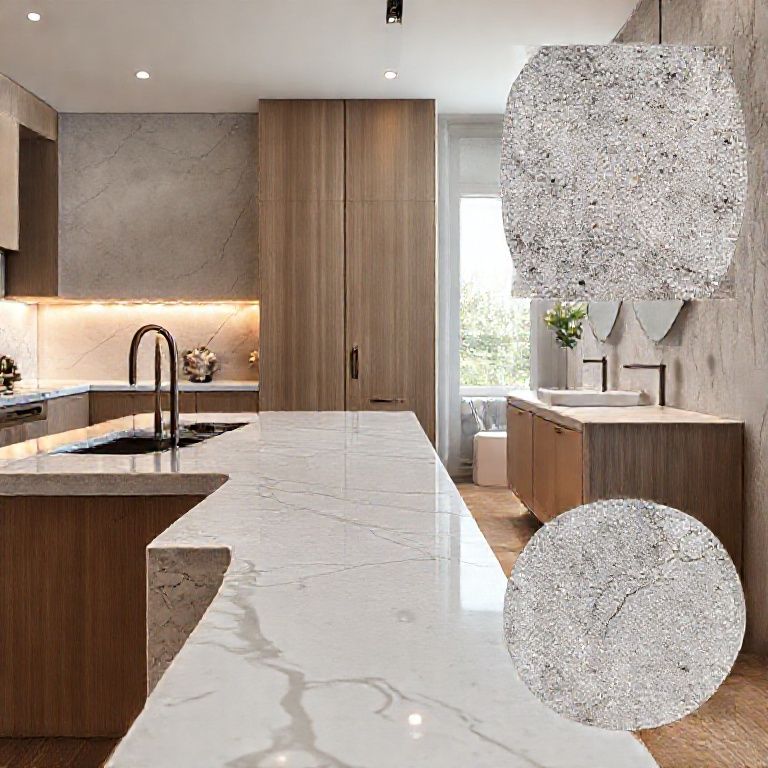
Lower Heat Resistance: Although durable, engineered marble is not as heat-resistant as natural marble. It can crack or warp if exposed to high temperatures for prolonged periods.
Shorter Lifespan: Because it’s a composite material, engineered marble may not last as long as natural marble, especially in high-traffic areas.
What is Natural Marble?
Natural marble, on the other hand, is a genuine stone that has been quarried and processed to create a beautiful, unique material. It’s formed from limestone that has undergone a process of recrystallization over millions of years. This results in a material that’s both beautiful and durable, with a distinctive pattern and color that’s unique to each piece.
Advantages of Natural Marble
Unique and Intricate Patterns: One of the most significant advantages of natural marble is its unique and intricate patterns. Each piece is one-of-a-kind, making it a perfect choice for those looking for something truly special.
Heat Resistance: Natural marble is highly heat-resistant. It can withstand high temperatures without cracking or warping, making it an excellent choice for cooktops and other high-heat areas.
Aesthetic Appeal: The beauty of natural marble lies in its natural patterns, colors, and textures. It’s a timeless material that adds elegance and sophistication to any space.
Longevity: Natural marble is known for its durability and longevity. With proper care, it can last for decades, making it a wise investment for those looking for a long-term solution.
Versatility: Natural marble can be used in a wide range of applications, from countertops and flooring to fountains and sculptures. Its versatility makes it a popular choice for both residential and commercial projects.
Drawbacks of Natural Marble
Cost: Natural marble is generally more expensive than engineered marble. The cost can vary widely depending on the type of marble and the intricacy of its patterns.
Variability: Because natural marble is a natural product, there’s no guarantee that every piece will look exactly like the sample. This can be a drawback if you’re looking for a highly consistent product.
Maintenance: Natural marble requires regular maintenance to prevent staining and damage. It needs to be sealed periodically to maintain its beauty and durability.
Installation Challenges: Due to its weight and the need for precise cutting, natural marble can be more challenging to install. It often requires professional installation to ensure the best results.
Susceptibility to Damage: While natural marble is durable, it’s still susceptible to scratches, stains, and impacts. It’s important to use caution and proper care to maintain its appearance.
Making the Decision: Which is Better?
Choosing between engineered and natural marble ultimately comes down to your specific needs, preferences, and budget. Here’s a quick guide to help you decide:
Budget-Conscious: If cost is a primary concern, engineered marble is generally the better choice. It offers high-quality results at a more affordable price point.
Aesthetic Preference: If you’re looking for something truly unique and visually stunning, natural marble is the way to go. Its one-of-a-kind patterns and timeless beauty are unmatched.
Durability Needs: For areas that require high durability and resistance to heat, natural marble is the superior option. Its heat resistance and longevity make it ideal for high-traffic areas.
Ease of Installation: If you prefer a product that’s easy to handle and install, engineered marble is the clear winner. Its lightweight nature and ready-to-use sheets simplify the installation process.
In the next part, we’ll delve deeper into the maintenance, installation, and environmental impact of both materials to help you make an even more informed decision.
Part 2
Detailed Insights on Maintenance, Installation, and Environmental Impact
When it comes to making a final decision between engineered and natural marble, it’s essential to consider not just the initial cost and aesthetic appeal, but also the long-term maintenance, installation, and environmental impact. This part of the article will provide detailed insights into these factors to help you choose the best material for your needs.
Maintenance of Engineered Marble
Engineered marble, despite its many advantages, requires some level of maintenance to ensure it remains in top condition. Here’s what you need to know:
Regular Cleaning: Like natural marble, engineered marble should be cleaned regularly to prevent staining. Use a mild soap and water solution to clean the surface, and avoid using abrasive cleaners that can scratch the material.
Sealing: Although engineered marble is more resistant to stains and scratches than natural marble, it still needs to be sealed periodically. This is especially important if the marble is used in high-traffic areas or exposed to acidic substances. Follow the manufacturer’s instructions for sealing to maintain its durability and appearance.
Avoiding Heat: To prevent damage, avoid placing hot pots, pans, or other heat sources directly on engineered marble surfaces. Use trivets or heat-resistant pads to protect the material from high temperatures.
Handling Spills: Promptly clean up spills to prevent stains. Blot the spill with a clean, dry cloth, and then use a mild cleaner to remove any residue.
Installation of Engineered Marble
Engineered marble is designed for ease of installation, making it an excellent choice for DIY projects or even for those who prefer to handle the installation themselves.
Preparation: Before installing engineered marble, ensure the surface is clean, dry, and free of any debris. If you’re installing it over existing countertops, make sure they are level and smooth.
Cutting: Use a tile cutter or a wet saw to cut the marble sheets to fit your space. Engineered marble is relatively easy to cut, but it’s important to measure accurately to avoid waste.
Adhesion: Apply a thin layer of construction adhesive to the back of the marble sheets and press them onto the surface. Use a rubber mallet to remove any air bubbles and ensure a tight bond.
Grouting: If you’re installing tiles or sheets with gaps between them, use a grout to fill the spaces. Choose a color that matches the marble for a seamless look.
Environmental Impact of Engineered Marble
Engineered marble is often seen as a more sustainable option compared to natural marble, but it’s important to consider its environmental impact.
Resource Use: The production of engineered marble involves the use of natural stone and resin, which can be resource-intensive. However, the controlled manufacturing process can lead to more efficient use of materials.
Waste Reduction: Since engineered marble is manufactured in factories, it can reduce waste compared to the quarrying and processing of natural marble. The ability to produce继续分析这两种大理石的环境影响,我们可以深入探讨它们的生产过程、材料来源以及对环境的整体影响。
环境影响的对比
材料来源
自然大理石:自然大理石的开采对环境有明显的影响。大理石开采过程中,需要大量的土地和能源,可能导致生态破坏、水土流失和噪音污染。大理石开采还可能对当地的生态系统造成不可逆转的损害。
工程大理石:工程大理石的材料来源相对清洁。它主要由天然石材和树脂制成,这些材料在工厂内经过精密加工,减少了对自然环境的直接破坏。尽管需要能源来生产和加工,但相对于开采大理石来说,其环境影响较小。
生产过程
自然大理石:大理石的开采和加工涉及大量的机械设备和燃料,这会产生大量的二氧化碳和其他温室气体。大理石的运输过程也需要大量的燃料,进一步增加了碳足迹。
工程大理石:工程大理石的生产过程相对更加清洁。制造过程中,工厂通常会采用先进的环保技术,以减少废气和废水排放。尽管需要消耗能源,但这些能源往往是通过更清洁的方式提供,如风能、太阳能等。
产品寿命和回收
自然大理石:由于其天然的独特性,自然大理石通常不能回收再利用。一旦被损坏,很难再利用,这意味着它的环境足迹可能会持续存在。
工程大理石:工程大理石由于其材料的可回收性,在使用寿命结束后可以更容易地进行回收和再利用。这种可回收性有助于减少废弃物,并降低对新资源的需求。
综合评价
工程大理石在许多方面都表现出更低的环境影响。尽管它的生产过程仍然需要一些资源和能源,但相比自然大理石的开采和运输过程,其整体环境影响较小。工程大理石的可回收性也为环境保护贡献了一份力量。
最终的选择还是要根据具体的项目需求和个人环保意识来决定。如果你非常关注环境保护,工程大理石可能会是一个更好的选择。但如果你更看重大理石的独特自然美感,自然大理石则无疑是一种更独特的选择。
结论
在选择人造大理石和天然大理石时,你需要综合考虑多个因素,包括成本、美观、耐用性、维护要求以及对环境的影响。工程大理石在大多数情况下提供了一种既美观又环保的选择,而自然大理石则以其独特的自然美感和历史文化价值吸引着那些追求独特性和高品质的消费者。
希望这些信息能帮助你做出更明智的选择。如果你有更多具体的问题或需要进一步的细节,随时可以提问。