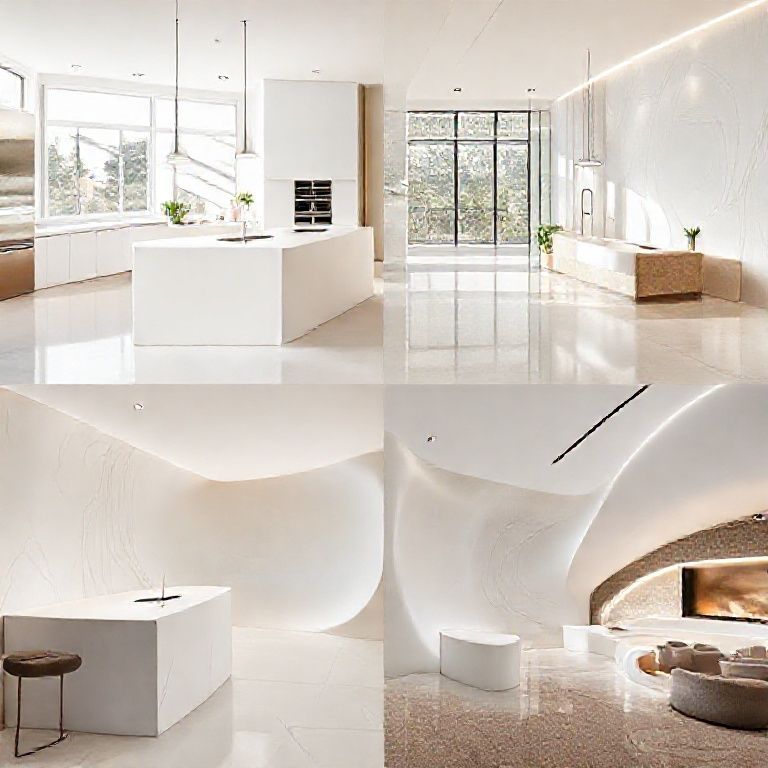
When it comes to enhancing the aesthetic appeal and functionality of your home, selecting the right material for your window sills is paramount. A well-chosen window sill not only complements the overall design of your space but also plays a critical role in protecting your home from the elements. This guide delves into the various materials commonly used for window sills, their benefits, and considerations to help you make an informed decision.

1. Wood: The Classic Choice
Wood has long been the preferred material for window sills due to its timeless appeal and natural beauty. Different types of wood offer various benefits:
a. Hardwoods
Hardwoods like oak, maple, and walnut are known for their durability and longevity. These materials are resistant to moisture and can withstand the rigors of outdoor exposure. Hardwood sills add a touch of elegance and warmth to any space.
Benefits:
Durability: Hardwoods are less likely to warp or crack compared to softwoods. Aesthetic Appeal: Rich, natural grains and colors that enhance interior decor. Maintenance: Requires minimal upkeep but should be sealed periodically to protect against moisture.
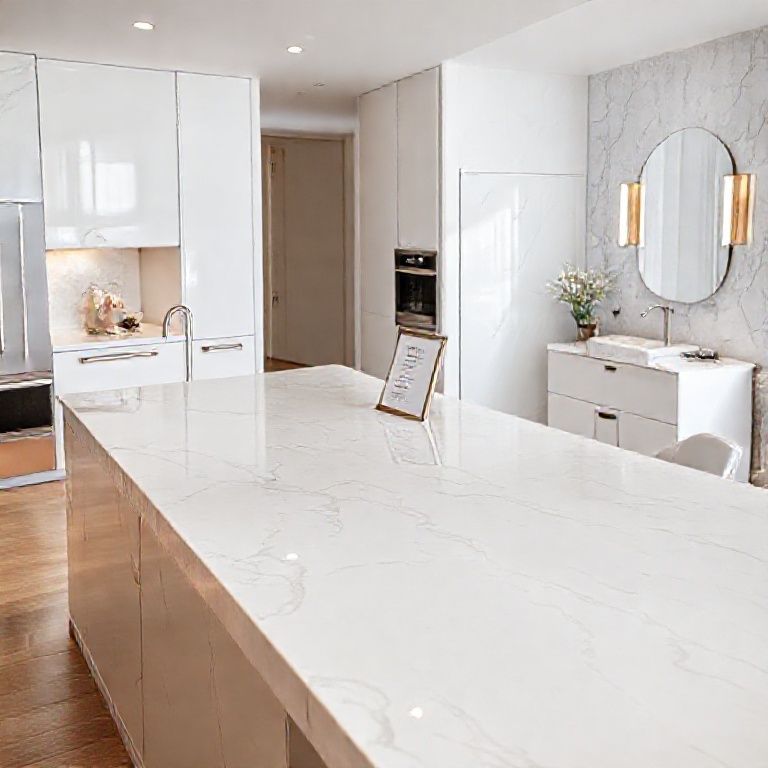
b. Softwoods
Softwoods such as pine and cedar are more affordable and easier to work with. They offer a lighter appearance and can be stained or painted to match various interior designs.
Benefits:
Affordability: Generally cheaper than hardwoods. Workability: Easier to cut, shape, and install. Flexibility: Can be painted or stained to suit different design styles.
2. Composite Materials: The Modern Alternative
Composite materials are engineered to combine the best features of various materials, offering durability, low maintenance, and a variety of design options.
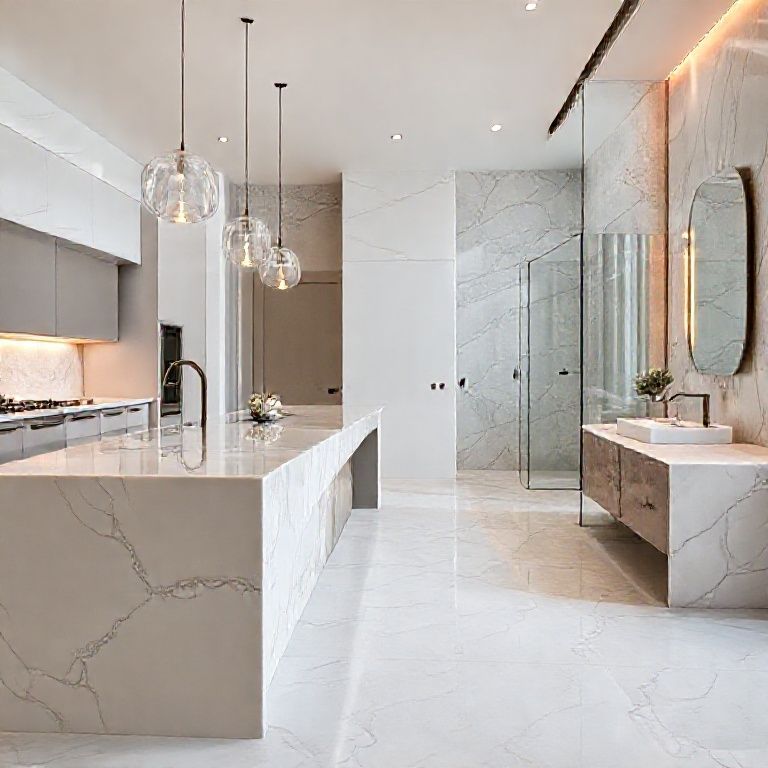
a. Composite Wood
Composite wood sills blend natural wood fibers with resin to create a sturdy, low-maintenance option. These sills retain the look of wood while offering the benefits of composite materials.
Benefits:
Low Maintenance: Resistant to rot, insect damage, and warping. Durability: Long-lasting and suitable for both indoor and outdoor use. Customization: Available in various colors and finishes.
b. Vinyl
Vinyl window sills are highly durable and low-maintenance. They are resistant to moisture, mold, and mildew, making them an excellent choice for areas prone to high humidity.
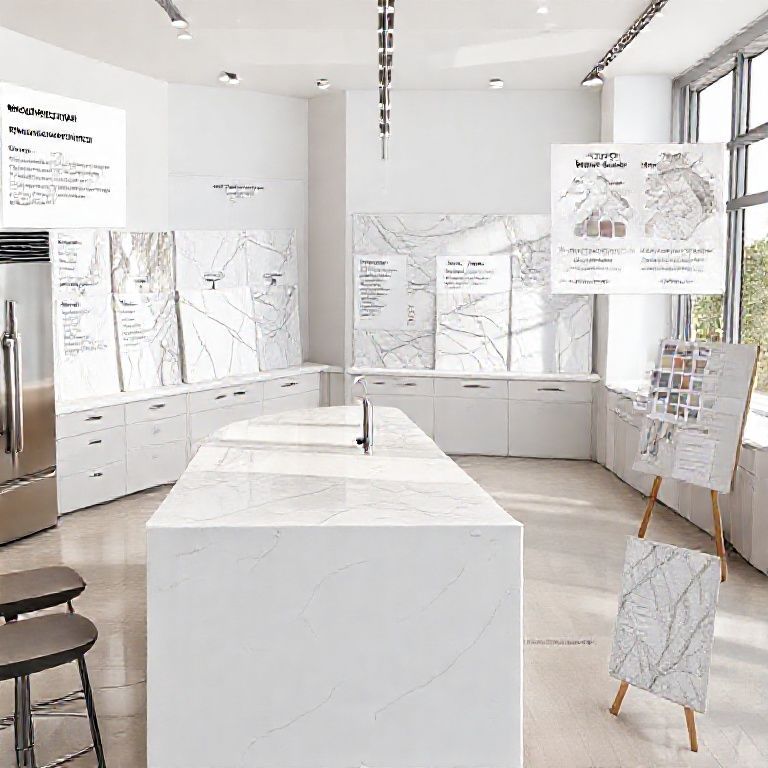
Benefits:
Durability: Long-lasting with a low risk of warping or cracking. Low Maintenance: Requires minimal upkeep; simply wipe clean with soap and water. Design Options: Available in a wide range of colors and styles.
3. Stone and Marble: The Elegant Touch
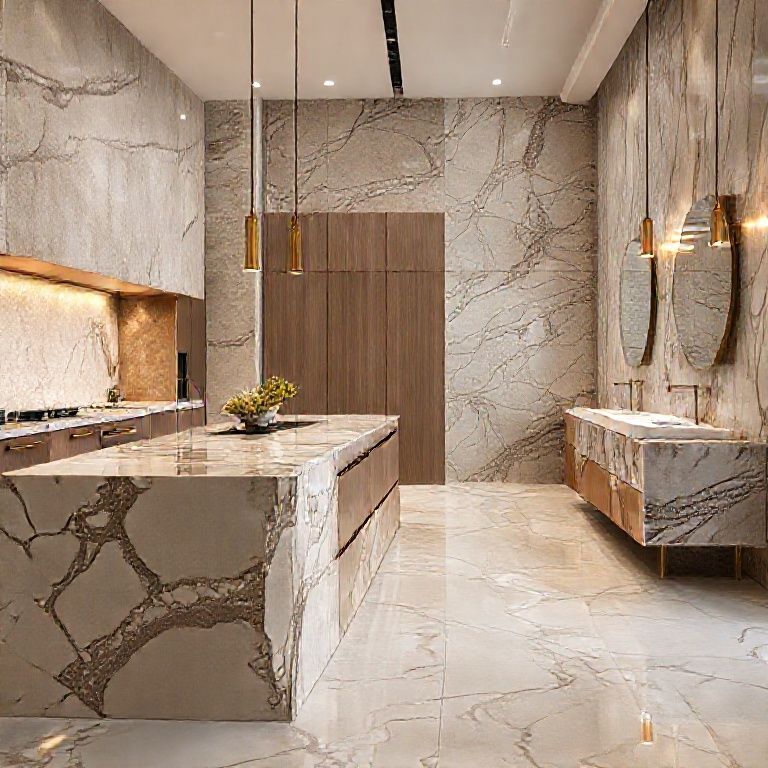
Stone and marble sills provide a luxurious and timeless look. They are ideal for high-end homes and spaces where durability and aesthetic appeal are paramount.
a. Natural Stone
Natural stone sills, such as granite or slate, are highly durable and resistant to wear and tear. They offer a unique, natural beauty that enhances any interior space.
Benefits:
Durability: Highly resistant to moisture, scratches, and stains. Aesthetic Appeal: Unique and natural look that adds elegance. Maintenance: Requires occasional sealing to protect against stains.
b. Marble
Marble sills are synonymous with luxury and sophistication. They offer a sleek, elegant appearance that can elevate the design of any room.
Benefits:
Luxury: Luxurious appearance that adds a touch of opulence. Durability: Resistant to scratches and stains when properly maintained. Maintenance: Needs regular sealing and cleaning to maintain its pristine look.
4. Metal: The Industrial Edge
For those looking to add a modern, industrial touch to their home, metal window sills are an excellent choice. They come in various forms, including aluminum and stainless steel.
a. Aluminum
Aluminum sills are lightweight, durable, and resistant to rust and corrosion. They offer a sleek, modern look that complements contemporary designs.
Benefits:
Durability: Resistant to rust, corrosion, and warping. Low Maintenance: Easy to clean and maintain. Design Options: Available in various finishes, including brushed and polished.
b. Stainless Steel
Stainless steel sills offer a high-end, industrial look with exceptional durability and resistance to corrosion and staining.
Benefits:
Durability: Highly resistant to corrosion, scratches, and stains. Low Maintenance: Requires minimal upkeep; simply wipe clean with a damp cloth. Modern Aesthetic: Sleek, industrial appearance that fits contemporary designs.
5. Stone Composite: The Best of Both Worlds
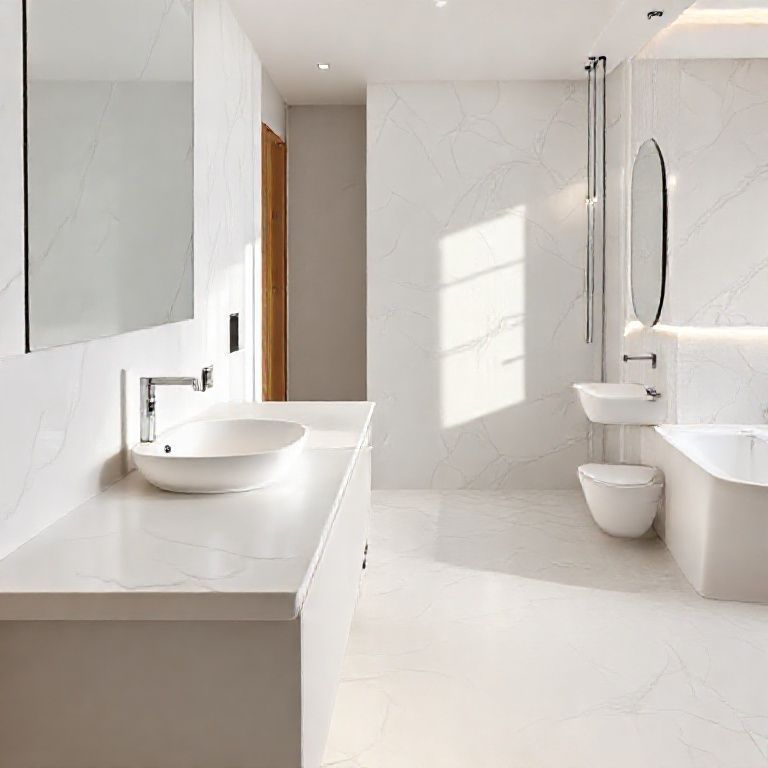
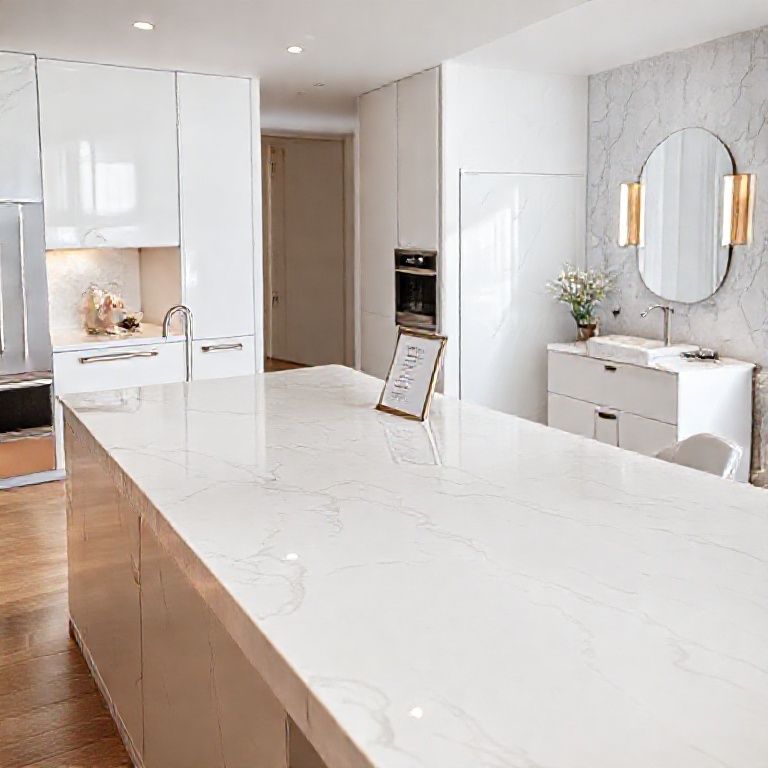
Stone composite sills combine the natural beauty of stone with the durability and low maintenance of composite materials. These sills offer a unique, textured look that mimics natural stone.
Benefits:
Aesthetic Appeal: Unique, natural-looking texture that mimics stone. Durability: Resistant to moisture, stains, and scratches. Low Maintenance: Requires minimal upkeep; simply clean with soap and water.
Conclusion
Selecting the best material for your window sills involves considering factors such as durability, maintenance, aesthetic appeal, and budget. Whether you prefer the classic look of wood, the modern edge of metal, or the luxurious touch of stone, there’s a perfect option for every home. By understanding the benefits and drawbacks of each material, you can make an informed decision that enhances both the beauty and functionality of your home.
When it comes to selecting the best material for your window sills, understanding the specific needs of your home and the environment in which the sills will be installed is crucial. This second part of our guide will delve deeper into specific considerations and applications for different types of homes, ensuring you make the most informed decision possible.
1. Climate Considerations
The climate in which your home is located plays a significant role in determining the best material for your window sills. Different materials offer varying degrees of resistance to moisture, temperature fluctuations, and UV exposure.
a. Humid Climates
In humid climates, materials that resist moisture and mold are essential. Composite materials, vinyl, and certain types of stone offer excellent resistance to moisture and mold.
Benefits:
Composite Materials: Durable and resistant to mold and mildew. Vinyl: Highly resistant to moisture and mold. Stone: Choose natural stone options that are less prone to staining and mold, such as granite.
b. Dry Climates
In dry climates, where temperature fluctuations are more pronounced, materials that can withstand expansion and contraction are important. Wood, especially hardwoods, and metal sills are excellent choices.
Benefits:
Wood: Provides flexibility to accommodate temperature changes. Metal: Resistant to temperature-induced warping and cracking.
c. Coastal Areas
Coastal areas face challenges such as high humidity, salt spray, and UV exposure. Materials that offer superior resistance to these elements are best suited for these environments.
Benefits:
Vinyl: Highly resistant to UV rays and salt spray. Composite Wood: Offers excellent durability and resistance to moisture and salt. Stainless Steel: Highly resistant to corrosion and salt spray.
2. Budget Considerations
Your budget is another critical factor when choosing window sill materials. Different materials come with varying price points, and understanding your budget constraints can help you make the best choice without compromising on quality.
a. Budget-Friendly Options
For those on a tight budget, softwoods like pine and cedar, as well as vinyl, are excellent choices. These materials offer durability and low maintenance at a reasonable cost.
Benefits:
Softwoods: Affordable and easy to work with. Vinyl: Economical with low maintenance requirements.
b. Mid-Range Options
For those looking for a balance between quality and cost, composite wood and aluminum sills are ideal. These materials offer good durability and aesthetic appeal without breaking the bank.
Benefits:
Composite Wood: Combines the look of wood with low maintenance. Aluminum: Durable and resistant to corrosion at a moderate price.
c. High-End Options
For those looking to invest in premium materials, hardwoods, stone, and stainless steel sills are top choices. These materials offer superior durability, beauty, and longevity but come at a higher cost.
Benefits:
Hardwoods: Long-lasting and aesthetically pleasing. Stone: Luxurious and timeless look. Stainless Steel: High-end, industrial appearance with exceptional durability.
3. Design and Aesthetic Preferences
1. 风格和装饰
不同的家居风格和装饰风格对窗户台面材料有不同的要求。例如,现代简约风格可能更偏好金属和玻璃材质,而传统或乡村风格则可能更适合木材和石材。
a. 现代风格
现代风格强调简洁、功能性和高科技材料。这种风格通常使用金属、玻璃或高光泽的复合材料。
Benefits:
Aluminum: 现代、轻便、耐用。 Glass: 增加通透感,现代感强。 Stainless Steel: 高端、耐用、易于清洁。
b. 传统风格
传统风格强调温暖、舒适和自然元素。这种风格通常使用天然木材和石材。
Benefits:
Hardwood: 温暖、自然、耐用。 Stone: 经典、高档、耐久。
c. 乡村风格
乡村风格强调自然、舒适和家庭氛围。这种风格通常使用温暖的木材和石材。
Benefits:
Wood: 温暖、质朴、自然。 Stone: 自然、经典、耐用。
2. 色彩和纹理
窗户台面的颜色和纹理也会影响整体的视觉效果。选择合适的颜色和纹理可以让你的家居环境更加和谐。
a. 颜色
不同的颜色会传达不同的情感和氛围。例如,浅色可以让空间显得更大、更明亮,而深色则可以增加空间的深度和温暖感。
b. 纹理
纹理也是重要的考虑因素。天然材料如木材和石材有独特的纹理,这些纹理可以增加视觉和触觉的层次感。
3. 实用性和功能性
窗户台面不仅需要美观,还需要考虑实用性和功能性。例如,如果你经常在窗台上摆放植物或其他物品,那么耐用性和易清洁性是非常重要的。
a. 耐用性
选择耐用的材料可以减少频繁的维护和更换,这对长期投资来说非常重要。
b. 易清洁性
一些材料容易清洁和维护,这对于保持家居环境的整洁和美观非常重要。例如,金属和玻璃材料通常比木材和石材更容易清洁。
4. 环保性和可持续性
现代家居设计越来越注重环保和可持续性。选择环保材料不仅对环境有益,也符合健康和可持续发展的趋势。
a. 环保材料
例如,选择经过认证的可持续木材、低VOC(挥发性有机化合物)的涂料和清洁剂,可以减少对环境的影响。
b. 再生材料
使用再生材料,如再生木材和再生金属,可以减少资源的消耗和废物的产生。
结论
选择最佳的窗户台面材料需要综合考虑多个因素,包括气候、预算、设计风格、颜色和纹理、实用性和环保性。通过对这些因素的深入理解和权衡,你可以选择最适合你家居环境的窗户台面材料,从而提升整体的美观和功能性。