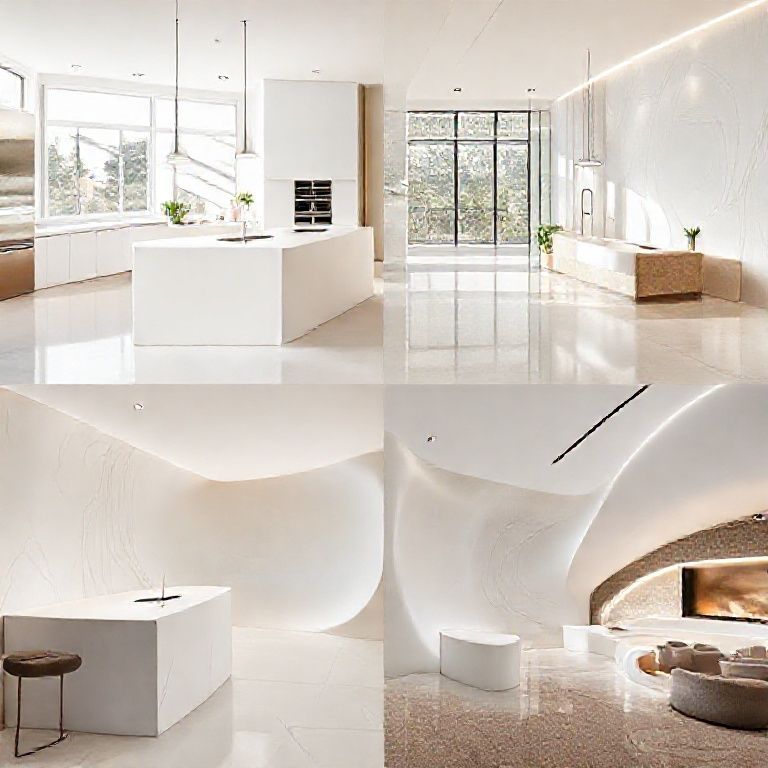
The Ultimate Guide to Choosing the Best Materials for Window Sill Stones
When it comes to enhancing the aesthetic appeal and functionality of your home, the choice of materials for window sill stones is paramount. Window sill stones are not only a crucial architectural feature but also a functional element that can withstand the test of time. Selecting the right material can make a significant difference in both the longevity and beauty of your home’s design. This guide will delve into the various materials available for window sill stones, highlighting their benefits, drawbacks, and how to choose the best one for your needs.

Understanding the Importance of Window Sill Stones
Window sill stones serve as the foundation for the window frame, providing structural support and protecting the underlying wall from water damage. Over time, they can become a focal point in your home’s interior or exterior design. Therefore, choosing a durable, aesthetically pleasing, and easy-to-maintain material is essential.
Popular Materials for Window Sill Stones
1. Stone
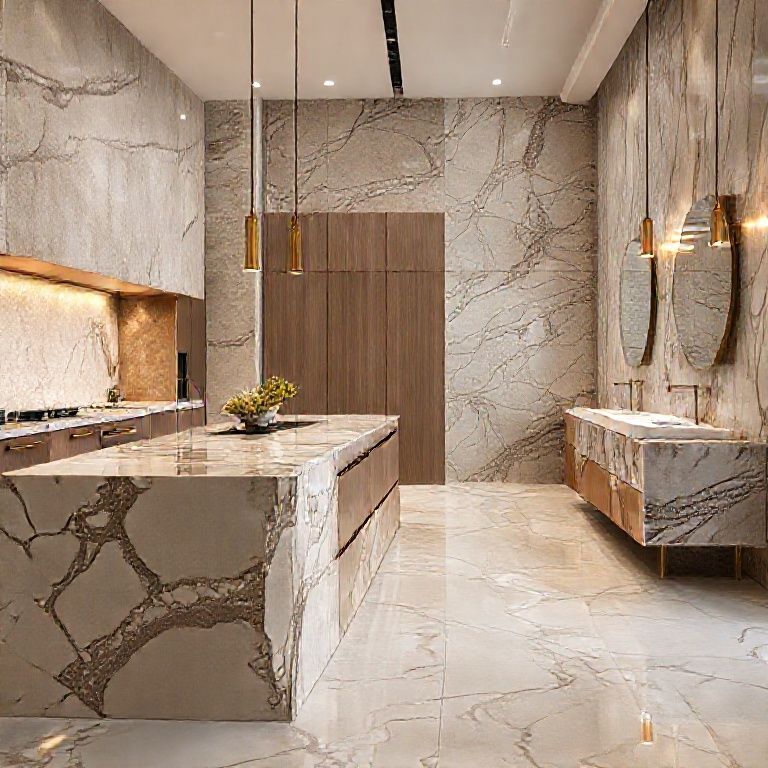
Natural Stone: Natural stone, such as granite, marble, and limestone, is an excellent choice for window sill stones. Known for their durability and timeless elegance, natural stones offer a classic and sophisticated look. However, they can be quite expensive and require professional installation.
Benefits:
Durability: Natural stones are extremely durable and can withstand harsh weather conditions. Aesthetic Appeal: They provide a luxurious and timeless appearance that can enhance the overall beauty of your home. Low Maintenance: Once installed, natural stones require minimal upkeep.
Drawbacks:
Cost: Natural stones can be very expensive. Installation: Requires professional installation to ensure longevity and proper fitting.
2. Brick
Brick is another popular choice for window sill stones. It offers a rustic and charming look that complements various architectural styles.
Benefits:
Aesthetic Versatility: Bricks come in a variety of colors and textures, allowing for customized designs. Durability: Bricks are robust and can withstand significant weather exposure. Cost-Effective: Generally less expensive than natural stone.
Drawbacks:
Weight: Bricks are heavy, which might require additional support. Maintenance: Requires regular maintenance to prevent deterioration.
3. Concrete
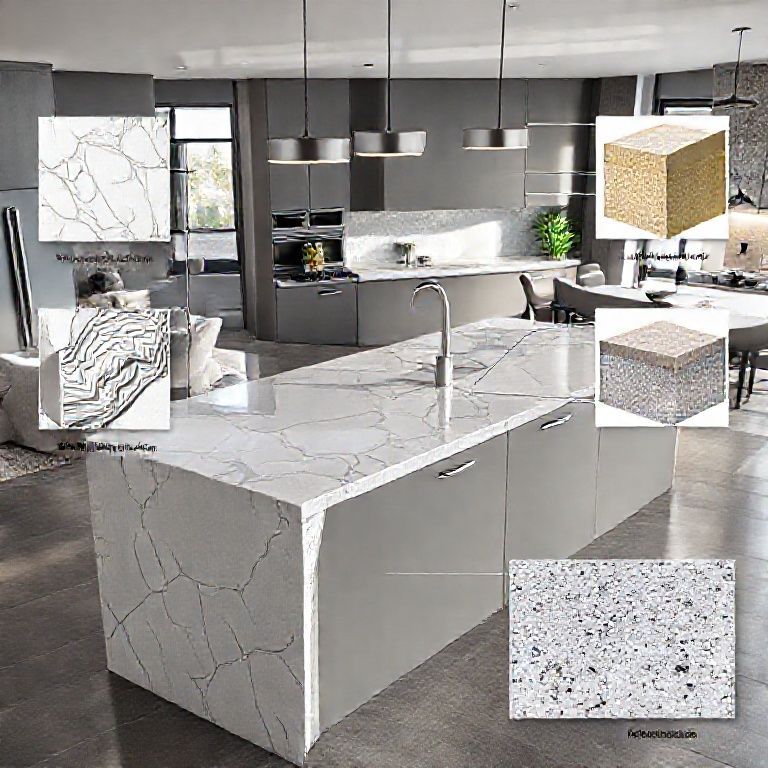
Concrete is a versatile and cost-effective material for window sill stones. It can be molded into various shapes and colors, offering endless design possibilities.
Benefits:
Versatility: Can be designed to match any architectural style. Cost-Effective: Generally less expensive than natural stone and brick. Durability: Resistant to weather and can last for many years with proper maintenance.
Drawbacks:
Maintenance: Requires regular sealing to prevent cracking and water damage. Weight: Can be heavy, necessitating additional structural support.
4. Wood
Wood is a popular choice for those who prefer a natural and organic look. It can add a warm and inviting touch to your home.
Benefits:
Aesthetic Appeal: Offers a natural, warm appearance. Flexibility: Can be stained, painted, or left natural to suit your design preference. Cost-Effective: Generally less expensive than stone and brick.
Drawbacks:
Maintenance: Requires regular upkeep to prevent rot, warping, and insect damage. Durability: Less durable than stone, brick, or concrete, and can be susceptible to weather conditions.
5. Composite Materials
Composite materials, such as fiberglass and vinyl, are modern alternatives that combine the durability of stone with the flexibility of other materials.
Benefits:
Durability: Highly resistant to weather, mold, and decay. Aesthetic Versatility: Available in a wide range of colors and textures. Low Maintenance: Requires minimal upkeep and can last for many years.
Drawbacks:
Cost: Can be more expensive than traditional materials. Installation: Might require professional installation for optimal results.
Factors to Consider When Choosing Window Sill Stones
1. Durability
Durability is a critical factor, especially if your window sill stones will be exposed to the elements. Materials like natural stone, brick, and concrete offer superior durability compared to wood and composite materials.
2. Aesthetics
The aesthetic appeal of your window sill stones should complement your home’s architectural style. Whether you prefer a modern, rustic, or traditional look, there is a material that can match your vision.
3. Maintenance
Different materials require varying levels of maintenance. For instance, natural stone and brick may need less upkeep compared to wood and composite materials, which require regular sealing and cleaning.
4. Cost
The cost of the material is a significant consideration. While natural stone may offer unparalleled beauty, it comes at a premium price. On the other hand, materials like brick and concrete provide excellent value for money.
5. Installation
The ease of installation can also influence your decision. Some materials, like natural stone, require professional installation to ensure longevity and proper fit, while others like concrete can often be installed with DIY kits.
Making an Informed Decision
When choosing the best material for your window sill stones, consider your budget, the level of maintenance you are willing to undertake, and the aesthetic impact you desire. For a long-lasting and visually striking option, natural stone is often the best choice. For a cost-effective yet durable solution, brick or concrete is ideal. If you prefer a natural look with minimal maintenance, wood is a great option, while composite materials offer a modern and versatile alternative.
By understanding the benefits and drawbacks of each material, you can make an informed decision that will enhance both the beauty and functionality of your home.
The Ultimate Guide to Choosing the Best Materials for Window Sill Stones
In the previous part, we explored various materials for window sill stones, their benefits, and drawbacks. Now, let’s delve deeper into how to choose the best material for your specific needs, with a focus on long-term durability, aesthetic appeal, and maintenance considerations.
Assessing Your Specific Needs
1. Long-Term Durability
When considering long-term durability, it’s essential to think about how your window sill stones will hold up over time. Natural stone materials like granite and marble are renowned for their longevity and resistance to weather and environmental factors. These materials can last for decades with minimal maintenance.
Benefits:
Weather Resistance: Natural stone can withstand extreme weather conditions without degrading. Low Wear and Tear: Minimal cracking or chipping, maintaining their appearance over time.
Alternatives:
Brick and Concrete: Both are also durable and can last for many years with proper care. Composite Materials: Offer excellent durability, resistant to mold, mildew, and weather damage.
2. Aesthetic Appeal
The aesthetic appeal of your window sill stones should align with your home’s architectural style. Different materials offer unique looks that can enhance your home’s overall design.
Benefits:
Natural Stone: Provides a timeless, luxurious appearance that suits various design styles. Brick: Offers a rustic, charming look that complements traditional and colonial homes. Concrete: Versatile and can be molded to fit any design, from modern to vintage. Wood: Adds a warm, organic touch that works well in rustic and contemporary settings. Composite Materials: Mimic the appearance of natural stone while providing modern design flexibility.
3. Maintenance Requirements
The level of maintenance required for your window sill stones is another critical factor. Some materials require more upkeep than others, which can impact your decision.
Benefits:
Natural Stone: Low maintenance but requires periodic cleaning to maintain its appearance. Brick: Needs regular sealing to prevent deterioration but is generally low maintenance. Concrete: Requires regular sealing to prevent cracking and water damage but is relatively easy to maintain. Wood: Requires regular treatment to prevent rot and warping, and may need refinishing periodically. Composite Materials: Low maintenance and require minimal upkeep, making them ideal for busy homeowners.
4. Budget Considerations
Your budget plays a significant role in material selection. While some materials offer excellent value for money, others come with a higher price tag.
Benefits:
Brick and Concrete: Offer excellent durability and value for money. Wood: Generally more affordable than stone but requires more maintenance. Natural Stone: Premium cost but unmatched durability and aesthetic appeal. Composite Materials: Provide a cost-effective alternative to natural stone with similar durability and aesthetics.
5. Installation Needs
The ease of installation can also influence your decision. Some materials are best installed by professionals to ensure longevity and proper fit, while others can be installed with DIY kits.
Benefits:
Natural Stone: Best installed by professionals due to its weight and precision requirements. Brick and Concrete: Can often be installed with DIY kits but may require some expertise forInstallation Needs
Benefits:
Natural Stone: Best installed by professionals due to its weight and precision requirements. Brick and Concrete: Can often be installed with DIY kits but may require some expertise for optimal results. Wood: Can be installed by DIY enthusiasts with the right tools and guidance. Composite Materials: Easy to install, often requiring only basic tools and can be a DIY project.
Combining Factors for Optimal Choice
To make the best choice for your window sill stones, consider a combination of the above factors tailored to your specific needs and preferences. Here’s a summary to help you make an informed decision:
Natural Stone:
Best For: Homes seeking a luxurious and timeless look. Considerations: High initial cost, requires professional installation, low maintenance.
Brick:
Best For: Homes with a rustic or traditional style. Considerations: Moderate cost, low maintenance but requires regular sealing, can be installed with DIY kits.
Concrete:
Best For: Homes looking for a versatile and cost-effective solution. Considerations: Affordable, durable, requires regular sealing, can be installed with DIY kits.
Wood:
Best For: Homes with a natural, organic aesthetic. Considerations: Budget-friendly, warm appearance, requires regular maintenance to prevent rot and warping.
Composite Materials:
Best For: Homes desiring modern aesthetics with low maintenance requirements. Considerations: Moderate cost, durable, low maintenance, can be installed with DIY kits.
Final Thoughts
Selecting the best material for your window sill stones involves a careful balance of durability, aesthetic appeal, maintenance, and budget. By understanding the unique benefits and drawbacks of each material, you can make a well-informed decision that enhances both the functionality and beauty of your home.
Remember to also consider local climate conditions and any specific requirements or preferences of your architectural design. Consulting with professionals or experts in materials and installation can provide additional insights tailored to your unique situation.
By taking these factors into account, you can choose the perfect material for your window sill stones that will not only enhance the appearance of your home but also provide long-lasting support and durability.