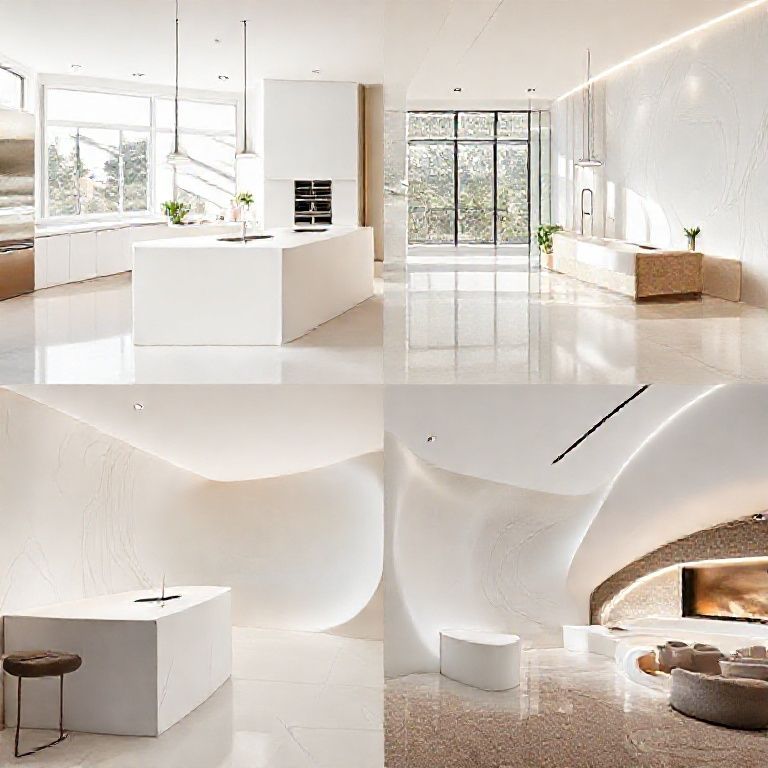
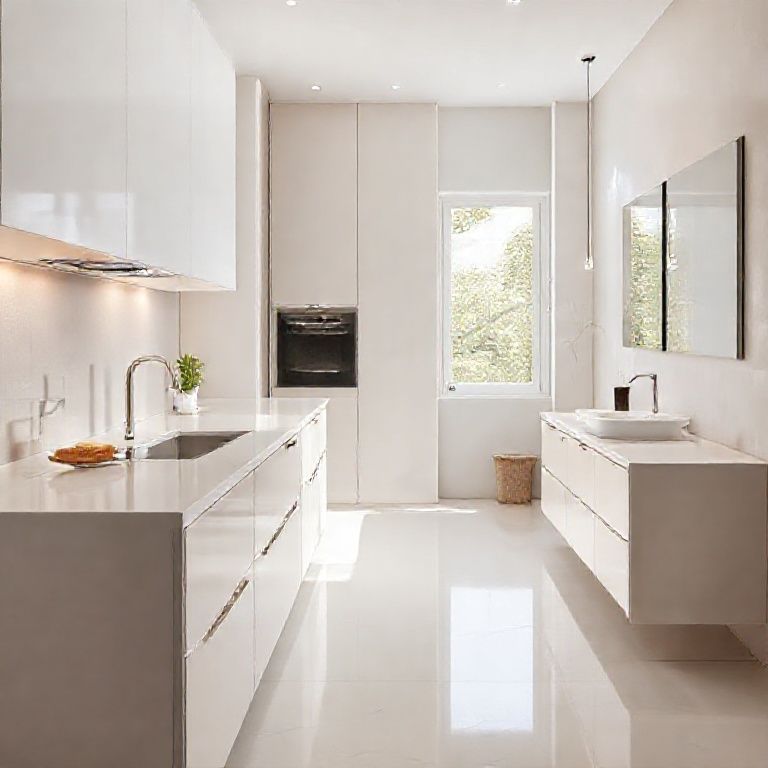
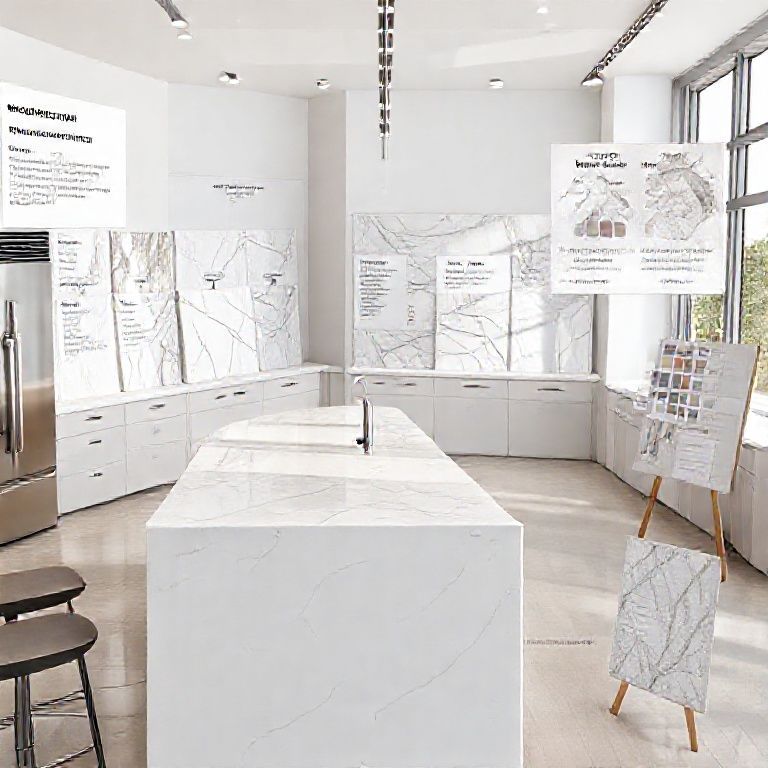
Discover the top three materials that are highly recommended for bathroom cabinets. This comprehensive guide covers everything from durability and aesthetics to maintenance and cost-effectiveness. Whether you’re a DIY enthusiast or a professional designer, this article will provide you with the information you need to make an informed decision for your bathroom renovation project.

bathroom cabinets, materials for bathroom cabinets, cabinet materials, bathroom renovation, cabinet durability, cabinet aesthetics, cabinet maintenance, cost-effective cabinets, bathroom design
The Ultimate Guide to Choosing the Best Materials for Your Bathroom Cabinets
When it comes to bathroom renovation, selecting the right materials for your cabinets is crucial. The bathroom is one of the most humid areas in your home, so choosing the right material that can withstand moisture without deteriorating is essential. In this part, we will explore three highly recommended materials for bathroom cabinets: stainless steel, solid wood, and high-density fiberboard (HDF).
1. Stainless Steel: The Champion of Durability
Stainless steel is the top choice for many homeowners and professionals when it comes to bathroom cabinets. This material is renowned for its exceptional durability, resistance to corrosion, and ease of cleaning.
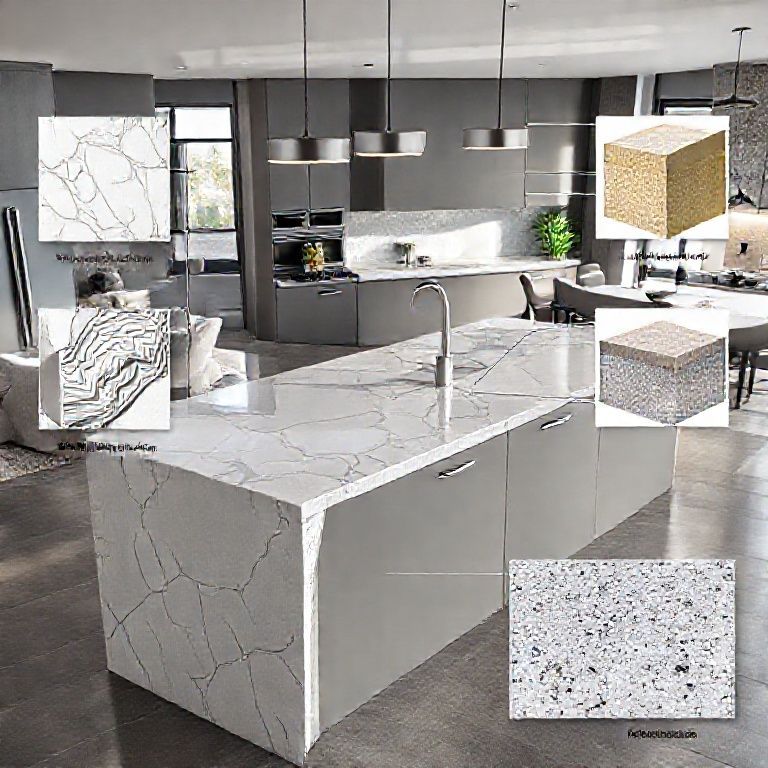
Durability: Stainless steel is an incredibly strong material that can withstand heavy usage over time. It is particularly beneficial in a humid environment like a bathroom because it doesn’t absorb moisture, which means it won’t warp, rot, or develop mold.
Aesthetics: Stainless steel cabinets have a sleek, modern look that complements a variety of bathroom styles, from traditional to contemporary. The glossy finish adds a touch of luxury and can be easily polished to maintain its pristine look.
Maintenance: One of the most significant advantages of stainless steel cabinets is their low maintenance requirements. They are easy to clean, simply wipe down with a damp cloth and a mild cleaner, and they resist fingerprints and smudges.
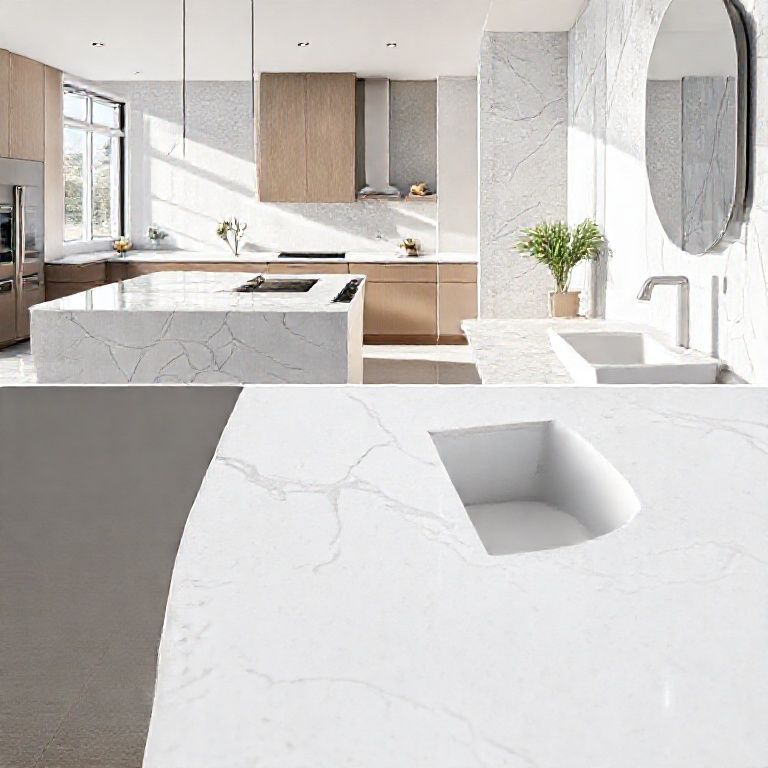
Cost-Effectiveness: While the initial cost of stainless steel cabinets might be higher than some other materials, their durability and low maintenance make them a cost-effective choice in the long run. They save you from the frequent need to replace cabinets that might deteriorate from moisture exposure.
2. Solid Wood: The Classic Choice
Solid wood cabinets are a classic choice for bathrooms, offering both timeless beauty and excellent functionality. Wood cabinets are made from solid pieces of wood, providing a robust and elegant look.
Durability: Solid wood cabinets are known for their strength and longevity. However, they require more care in a humid environment because wood can absorb moisture, leading to warping, splitting, or even mold growth if not properly maintained.
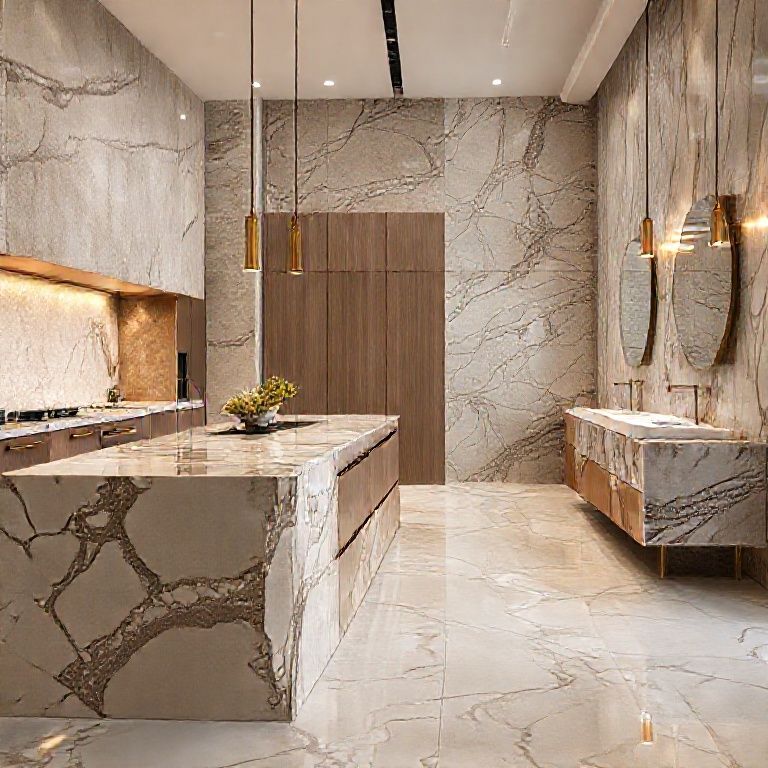
Aesthetics: Wood cabinets offer a natural, warm look that can enhance the beauty of any bathroom. They come in various types of wood, such as oak, maple, and cherry, each providing unique textures and color variations. The natural grain patterns add to their aesthetic appeal.
Maintenance: Solid wood cabinets require regular maintenance to protect against moisture and retain their beauty. It’s important to use a good quality wood conditioner or oil to keep the wood from drying out and to prevent scratches and chips. Cleaning with a mild soap and water solution is usually sufficient, but avoid excessive moisture to prevent damage.
Cost-Effectiveness: The cost of solid wood cabinets can vary significantly based on the type of wood and the craftsmanship. While they may have a higher upfront cost, the investment is often justified by their durability and timeless appeal. Proper maintenance can extend the life of solid wood cabinets, making them a worthwhile long-term choice.
3. High-Density Fiberboard (HDF): The Budget-Friendly Option
High-density fiberboard (HDF) is a popular choice for budget-conscious homeowners looking for functional and stylish bathroom cabinets. HDF is made from wood fibers compressed and bonded together, offering a stable and smooth surface.
Durability: HDF cabinets are highly resistant to moisture, making them an excellent choice for bathrooms. They don’t warp, crack, or splinter, which means they maintain their shape and appearance even in humid conditions.
Aesthetics: HDF cabinets can be finished in a variety of colors and finishes to suit any bathroom decor. They offer a sleek, modern look that can mimic the appearance of more expensive materials like solid wood. Many manufacturers offer laminate or veneer finishes that can give HDF cabinets a luxurious look.
Maintenance: The maintenance requirements for HDF cabinets are relatively low. They are resistant to moisture, so they don’t require special care to prevent warping or damage. However, it’s important to avoid excessive moisture and to clean with mild soap and water to maintain their appearance.
Cost-Effectiveness: HDF cabinets are generally more affordable than solid wood and stainless steel options. They provide a good balance of style and functionality without breaking the bank. While they might not have the same longevity as solid wood or the premium look of stainless steel, HDF cabinets are a cost-effective choice for those looking for quality and durability within a budget.
The Ultimate Guide to Choosing the Best Materials for Your Bathroom Cabinets
In the second part of this comprehensive guide, we delve deeper into the advantages and considerations of the three highly recommended materials for bathroom cabinets: stainless steel, solid wood, and high-density fiberboard (HDF). We’ll also provide some tips on how to combine these materials to create a cohesive and functional bathroom design.
1. Stainless Steel: The Champion of Durability
Advantages:
Resistance to Corrosion and Stains: Stainless steel is an alloy of iron, chromium, and other elements that give it exceptional resistance to corrosion and stains. This makes it ideal for a high-moisture environment like a bathroom. Even if it does get stained, it can be easily cleaned with a mild cleaner and a little elbow grease.
Easy to Install: Stainless steel cabinets are often pre-assembled, which simplifies installation and reduces the need for professional help. The sleek design also allows for easy customization and fitting into various bathroom layouts.
Versatility: Stainless steel cabinets can be paired with different types of hardware and finishes to create various styles. Whether you prefer a minimalist, industrial look or a more modern, streamlined design, stainless steel can be adapted to fit your needs.
Considerations:
Initial Cost: While stainless steel cabinets offer long-term savings due to their durability and low maintenance, the initial cost can be higher compared to other materials. However, the investment is often justified by their lasting quality.
Maintenance: Though stainless steel is low maintenance, it’s important to avoid abrasive cleaners that can scratch the surface. Using a soft cloth and a mild cleaner will help maintain its pristine look.
2. Solid Wood: The Classic Choice
Advantages:
Natural Beauty: Solid wood cabinets bring a natural, elegant touch to any bathroom. The unique grain patterns and rich colors of different types of wood add a touch of luxury and warmth to the space.
Warranty and Longevity: When properly maintained, solid wood cabinets can last for decades, providing a long-term investment that enhances the aesthetic value of your bathroom.
Customization: Solid wood cabinets offer a high degree of customization in terms of size, shape, and finish. You can choose from various wood types and have them tailored to fit your specific bathroom design.
Considerations:
Moisture Sensitivity: The primary concern with solid wood cabinets in a bathroom setting is their susceptibility to moisture. It’s crucial to use quality wood conditioners and to avoid placing them directly under sinks or in areas with high humidity.
Cost: The cost of solid wood cabinets can vary greatly depending on the type of wood and the level of craftsmanship. High-quality solid wood cabinets can be quite expensive, but they offer unparalleled durability and beauty.
3. High-Density Fiberboard (HDF): The Budget-Friendly Option
Advantages:
Moisture Resistance: HDF is one of the most moisture-resistant materials available for bathroom cabinets. This makes it an ideal choice for bathrooms, where it can withstand high humidity without warping or deteriorating.
Affordability: HDF cabinets are generally more affordable than solid wood and stainless steel. They offer a cost-effective solution for those looking for durable and stylish cabinets without the high price tag.
Variety of Finishes: HDF cabinets can be finished in a wide range of colors and finishes, allowing for versatile design options. Many manufacturers offer high-quality laminate or veneer finishes that can mimic the look of more expensive materials.
Considerations:
Durability: While HDF is highly resistant to moisture, it may not have the same level of durability as solid wood or stainless steel. It’s important to choose a high-quality HDF product and to avoid placing it in areas with extremely high humidity.
Maintenance: HDF cabinets require minimal maintenance but should still be cleaned regularly with mild soap and water to prevent any potential damage from moisture or dirt.
Combining Materials for a Cohesive Bathroom Design
When designing your bathroom, you might consider combining different materials to create a cohesive and functional space. Here are some tips on how to blend these materials effectively:
Mix and Match: You can use a combination of stainless steel and HDF to create a modern, budget-friendly look. For instance, you might use stainless steel for the upper cabinets and HDF for the lower cabinets, combining durability with cost-effectiveness.
Combining Materials for a Cohesive Bathroom Design (Continued)
When you’re planning a bathroom renovation, combining different materials can create a unique and functional design that meets your aesthetic and functional needs. Here’s how you can effectively blend various materials:
1. Contrasting Textures and Colors:
Combining Solid Wood and Stainless Steel: A popular combination is solid wood for the base cabinets and stainless steel for the upper cabinets. This creates a striking contrast between the warm, natural look of the wood and the sleek, modern appearance of the stainless steel. You can also choose to have stainless steel handles or hardware to further emphasize the modern aspect.
Using HDF and Solid Wood: For a more budget-friendly yet stylish option, consider using high-density fiberboard (HDF) for the lower cabinets and solid wood for the upper cabinets. This combination offers durability and moisture resistance for the lower cabinets while providing the natural beauty and luxury of solid wood for the upper cabinets.
2. Unified Design Elements:
Consistent Finishes: To create a cohesive look, choose cabinets with a consistent finish. For example, you can have both your solid wood and HDF cabinets finished in a similar color or with a matching laminate to ensure they blend seamlessly.
Matching Hardware: Use the same type of hardware for all your cabinets to unify the design. This includes handles, knobs, and drawer slides. Unified hardware not only looks better but also makes the bathroom appear more streamlined and well-planned.
3. Functional Layout:
Strategic Placement: Place cabinets according to their material strengths. For example, use stainless steel for frequently used areas like countertops and sinks due to its resistance to stains and moisture. Use solid wood for areas that benefit from its natural beauty and durability, like the backsplash or special storage areas.
4. Aesthetic Harmony:
Color Coordination: When combining different materials, ensure that the colors and finishes are harmonious. For instance, if you’re using a dark wood for the cabinets, pair them with lighter-colored stainless steel to create a balanced and sophisticated look.
Pattern Consistency: If you’re using patterned laminates or veneers on your HDF or solid wood cabinets, try to maintain a consistent pattern or color scheme across all cabinets to avoid a disjointed appearance.
5. Practical Considerations:
Ease of Cleaning: When combining materials, consider the ease of cleaning. Stainless steel is easy to clean and maintain, making it ideal for high-traffic areas. Solid wood, while beautiful, requires more care to prevent moisture damage. Ensure that the combined design allows for easy maintenance without compromising on aesthetics.
Budget Management: Combining different materials can sometimes lead to budget overruns. Plan your design carefully, considering the costs of each material and how they fit into your overall budget. It might be helpful to prioritize certain areas based on their importance and the amount of use.
By thoughtfully combining different materials, you can create a bathroom that is not only functional but also a stunning reflection of your personal style. Each material offers unique advantages, and with careful planning, you can harness these strengths to design a bathroom that is both beautiful and durable.