The Ultimate Guide to Comparing the Pros and Cons of Artificial Marble
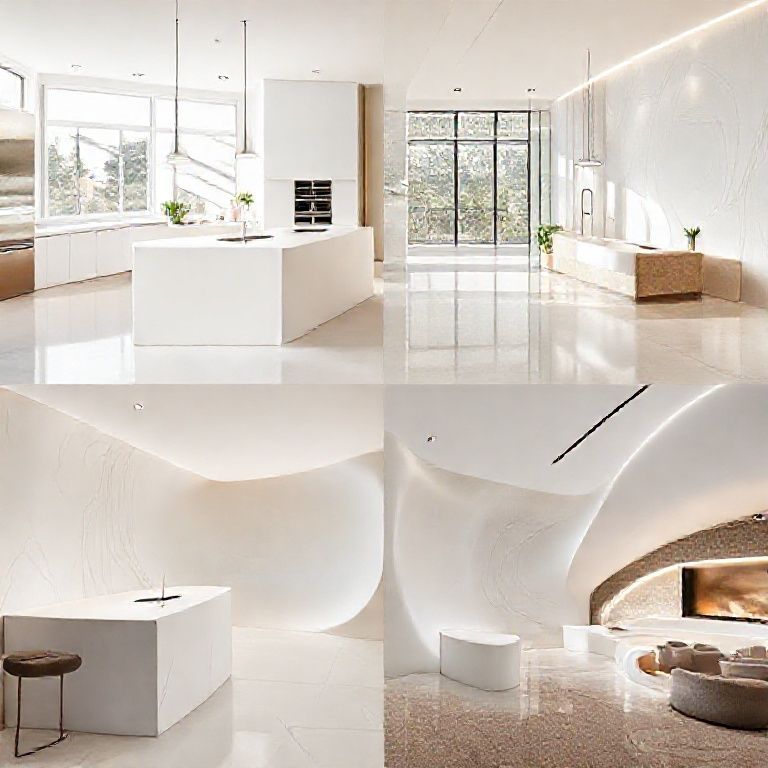
Artificial marble, also known as engineered stone or synthetic marble, has become a popular choice for countertops, decorative tiles, and other interior design elements. It combines the beauty of natural stone with the practicality of modern materials. However, like any material, it has its own set of advantages and disadvantages. In this first part of our comprehensive guide, we will delve into the myriad benefits and some drawbacks that come with using artificial marble.

Durability and Strength
One of the most significant advantages of artificial marble is its exceptional durability. Made from a blend of natural stones such as quartz, calcite, and limestone, and bonded together with resins, artificial marble offers a superior level of strength. Unlike natural stone, which can be prone to scratching, chipping, and staining, artificial marble is highly resistant to these issues. The resin bonding process ensures that the material is not only hard but also cohesive, making it less likely to crack or break under pressure.
Aesthetic Versatility
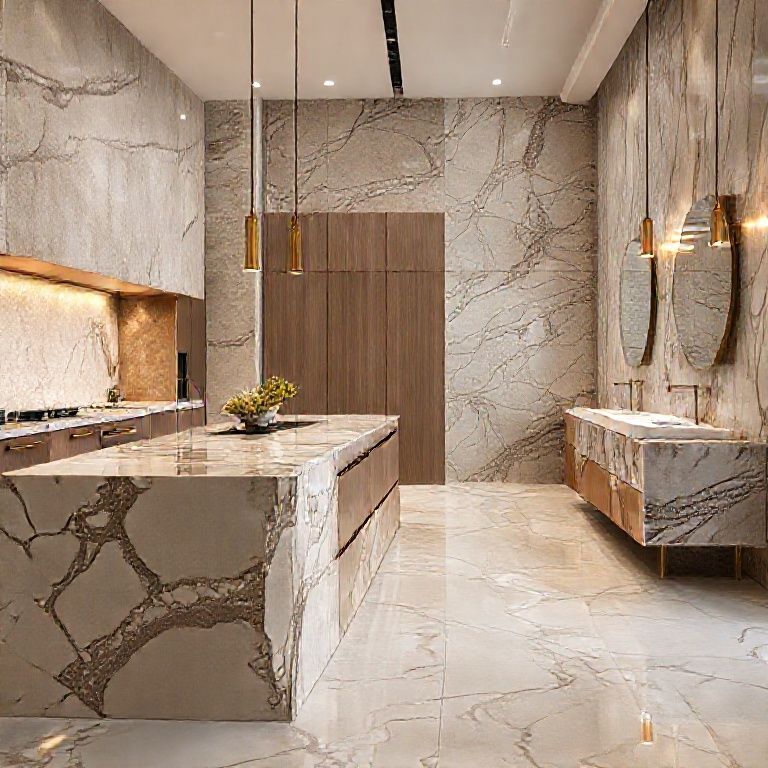
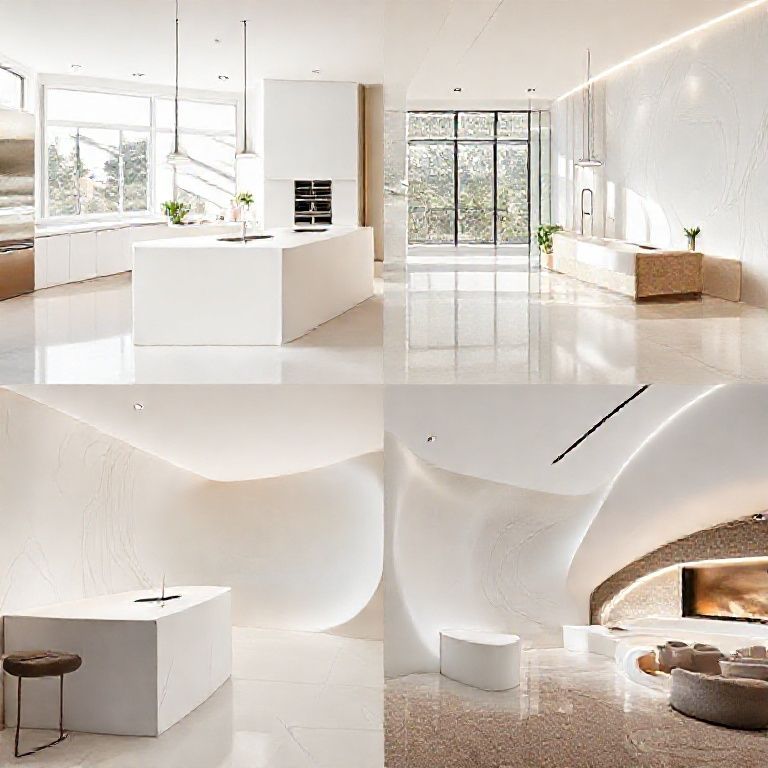
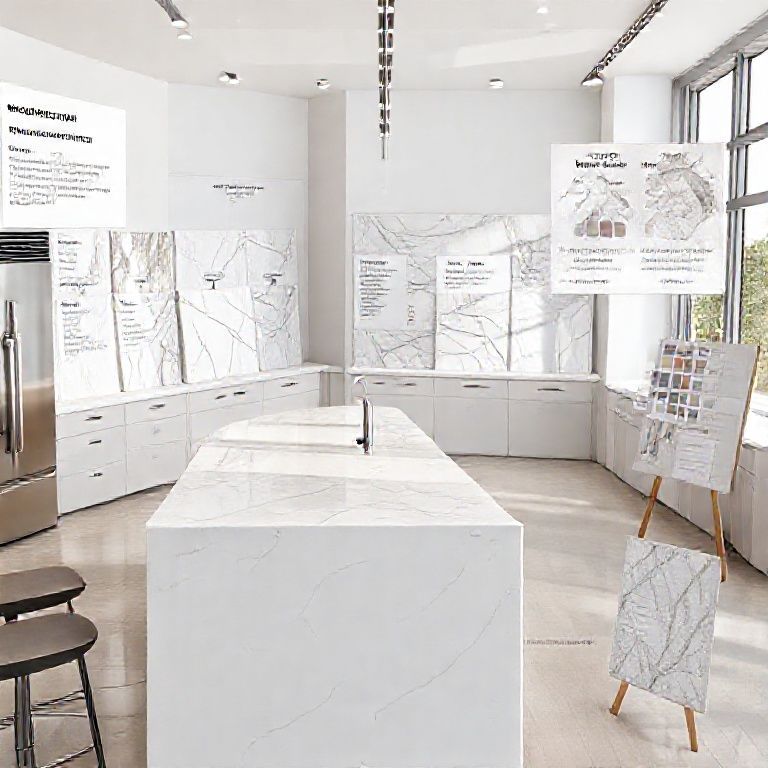
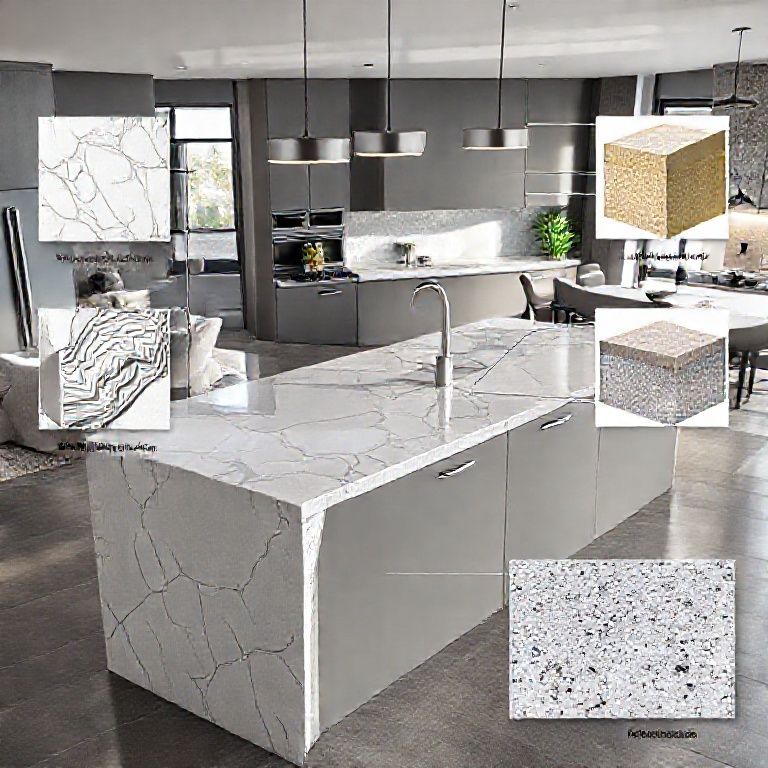
Artificial marble is renowned for its stunning aesthetic versatility. Manufacturers can create an array of colors, patterns, and textures that closely mimic natural marble, granite, and even wood. This versatility allows designers and homeowners to choose from an extensive palette of options, tailoring the material to fit any style or theme. Whether you prefer the elegance of classic marble or the uniqueness of a custom design, artificial marble offers a solution that can be tailored to your specific needs.
Cost-Effectiveness
Another compelling reason to consider artificial marble is its cost-effectiveness. While the initial investment may be comparable to natural stone, the long-term savings can be significant. Artificial marble is less expensive than most natural stones, making it an accessible option for a wide range of budgets. Additionally, its durability means that it requires less frequent replacement, reducing maintenance costs over time.
Maintenance and Cleanliness
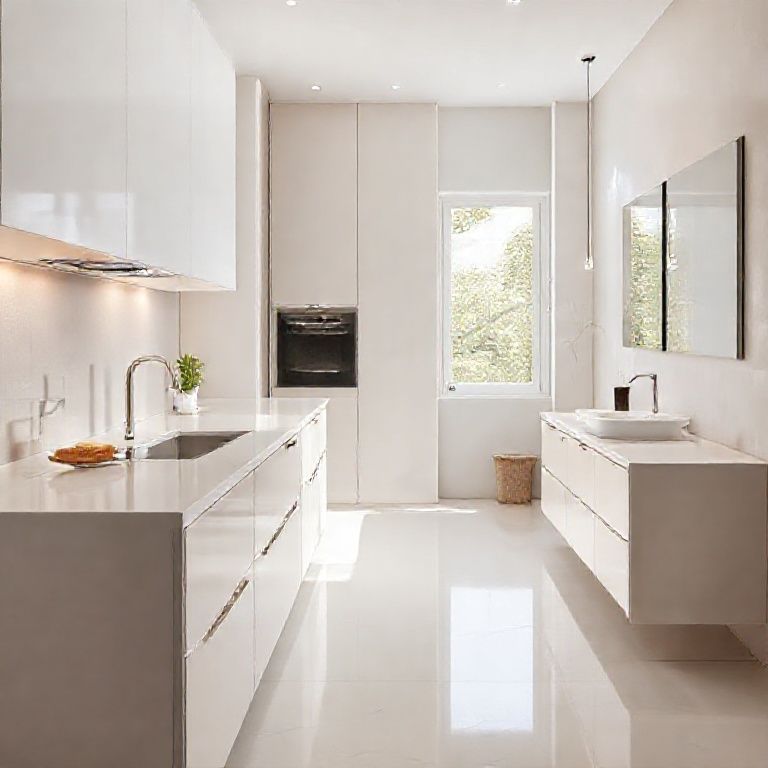
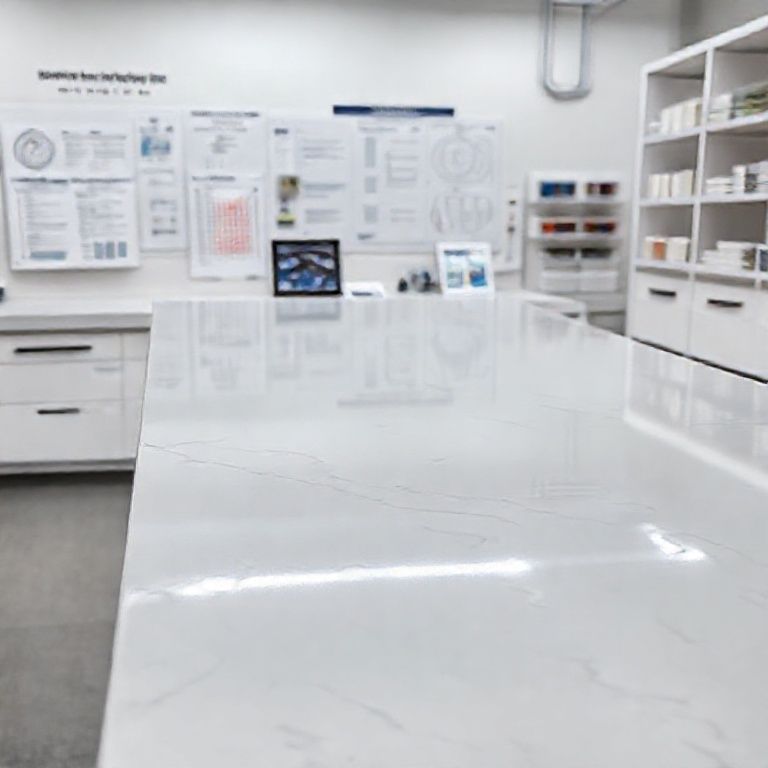
Maintenance is another area where artificial marble shines. Unlike natural stone, which can absorb oils and stains, artificial marble is non-porous. This characteristic makes it incredibly easy to clean and maintain. A simple wipe-down with a damp cloth and mild detergent is usually sufficient to keep the surface looking pristine. This low-maintenance feature is particularly beneficial for high-traffic areas like kitchens and bathrooms, where cleanliness is paramount.
Installation Flexibility
Artificial marble is known for its ease of installation. The material comes in large slabs that can be cut to size on-site, allowing for precise measurements and minimal waste. This flexibility makes it easier for installers to achieve a seamless fit, even in irregularly shaped spaces. Additionally, artificial marble can be used on various surfaces, including countertops, tiles, and even furniture, providing designers with a versatile tool for their projects.
Environmental Considerations
Artificial marble also offers a more environmentally friendly alternative to natural stone. The extraction and transportation of natural stone can have significant environmental impacts, including habitat destruction and carbon emissions. In contrast, artificial marble production involves fewer environmental footprints, as it does not require the extensive mining operations associated with natural stone.
Limitations in Aesthetics
While artificial marble excels in many areas, it is not without its limitations. One of the most significant drawbacks is its inability to replicate the unique beauty of natural stone. While manufacturers can create impressive designs, they can never fully capture the organic, one-of-a-kind patterns found in natural marble and granite. This limitation may be a dealbreaker for some who value the authenticity and uniqueness of natural stone.
Heat Resistance
Another potential issue with artificial marble is its limited heat resistance. Although it is highly resistant to cold stains and scratches, it can be sensitive to high temperatures. Leaving hot pots or pans directly on artificial marble surfaces for extended periods can cause scorching and damage. This limitation means that it may not be the best choice for areas where high heat is a concern.
Conclusion of Part 1
In summary, artificial marble offers a compelling combination of durability, aesthetic versatility, cost-effectiveness, low maintenance, and installation flexibility. While it does have some limitations, such as its inability to perfectly replicate natural stone patterns and potential sensitivity to high heat, these drawbacks are often outweighed by its many advantages. In the next part of this guide, we will further explore the cons in more detail and provide more insights to help you make an informed decision.
The Ultimate Guide to Comparing the Pros and Cons of Artificial Marble
In the previous part of our comprehensive guide, we explored the numerous benefits of artificial marble, including its durability, aesthetic versatility, cost-effectiveness, low maintenance, installation flexibility, and environmental considerations. Now, we will delve into the disadvantages and challenges associated with this popular material. Understanding both the pros and cons will help you make a well-informed decision when selecting artificial marble for your projects.
Cost Comparisons and Long-Term Value
While artificial marble is generally more affordable than natural stone, it’s important to consider the total cost of ownership. The initial price difference might be tempting, but artificial marble can incur hidden costs over time. For instance, although artificial marble is less prone to scratching and staining, it can still require professional cleaning and maintenance services to ensure it remains in top condition. These additional services can add up, especially if you choose a high-end, intricately designed slab.
Moreover, while artificial marble is durable, it is not indestructible. In high-impact areas, such as kitchens where heavy pots and pans are frequently used, it can still suffer from scratches or minor damage. This wear and tear might necessitate replacement or repair, which can be costly.
Heat Sensitivity
One of the most significant disadvantages of artificial marble is its sensitivity to high temperatures. Although it is generally resistant to cold stains, prolonged exposure to high heat can cause scorching and damage. This limitation makes artificial marble less suitable for areas where hot items are frequently placed directly on the surface, such as on countertops adjacent to stoves. To avoid potential damage, it is advisable to use trivets or pot holders to protect the surface from direct heat.
Chemical Resistance
Another potential issue is artificial marble’s limited resistance to certain chemicals. While it is non-porous and generally resistant to spills and stains, it can still be affected by strong acids and solvents. For instance, cleaning products containing bleach or ammonia can cause discoloration and damage to the surface. Therefore, it’s crucial to use appropriate cleaning agents when maintaining artificial marble surfaces to preserve their appearance and longevity.
Aesthetic Limitations
As previously mentioned, one of the most significant drawbacks of artificial marble is its inability to perfectly replicate the unique beauty of natural stone. While manufacturers have made significant strides in creating lifelike patterns and colors, they can never fully capture the organic, one-of-a-kind patterns found in natural marble and granite. For individuals who place a high value on the authenticity and uniqueness of natural stone, this limitation may be a significant drawback.
Installation Challenges
Although artificial marble is relatively easy to install, it does come with some challenges. The large slabs used in its construction can be heavy and cumbersome to handle, requiring careful planning and professional assistance for cutting and installation. Additionally, the installation process might not be as straightforward as it seems. For instance, achieving a perfect fit in small or irregularly shaped spaces can be difficult, and the process might require more precision and expertise than installing natural stone.
Longevity and Warranty
Artificial marble has a good reputation for longevity, but it is still important to consider its warranty and lifespan. Most manufacturers offer warranties that cover defects in the material and workmanship, typically ranging from 10 to 20 years. However, these warranties might not cover damage caused by improper installation or maintenance. It’s crucial to review the warranty terms carefully and ensure that any professional installation and maintenance services are performed correctly to maximize the product’s longevity.
Environmental Impact
While artificial marble is more environmentally friendly compared to natural stone in terms of production, it still has some environmental impacts. The resins and bonding agents used in its production can contain chemicals that might pose environmental and health risks. Additionally, the disposal of artificial marble at the end of its life cycle can be challenging, as it might not be easily recyclable or biodegradable.
Conclusion of Part 2
In conclusion, while artificial marble offers many advantages such as durability, aesthetic versatility, cost-effectiveness, low maintenance, installation flexibility, and environmental considerations, it also has some limitations. These include potential hidden costs over time, heat sensitivity, limited chemical resistance, aesthetic limitations, installation challenges, and environmental impacts. By carefully weighing both the pros and cons, you can make a well-informed decision when choosing artificial marble for your next project. Whether you opt for artificial marble or another material, understanding its strengths and weaknesses will help you create a beautiful and functional space.