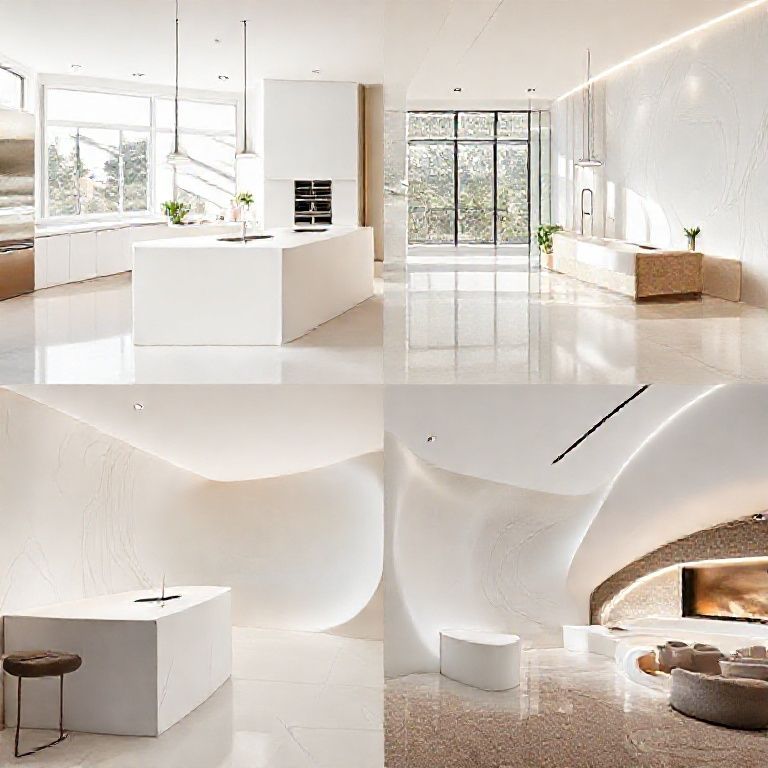
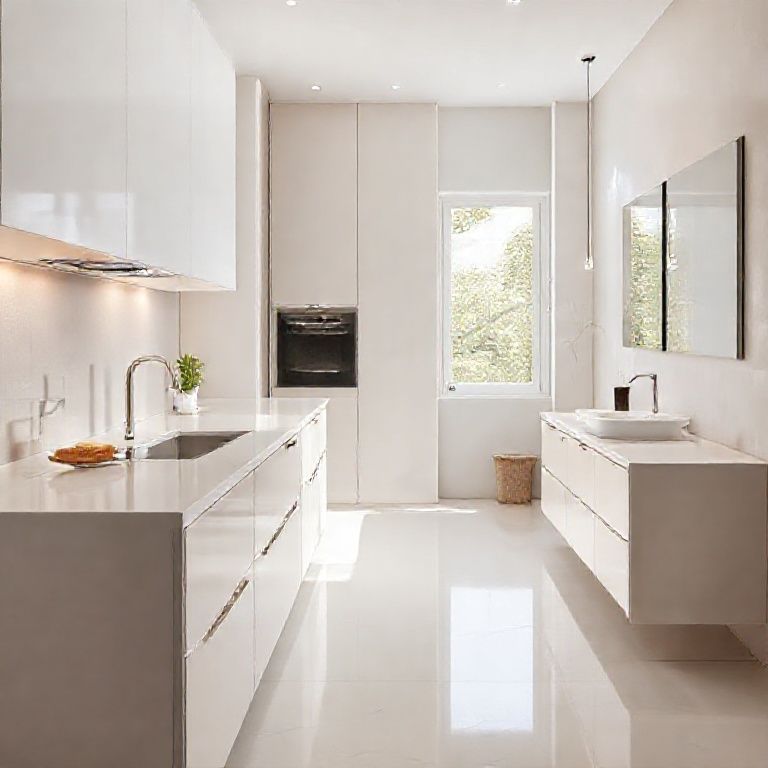
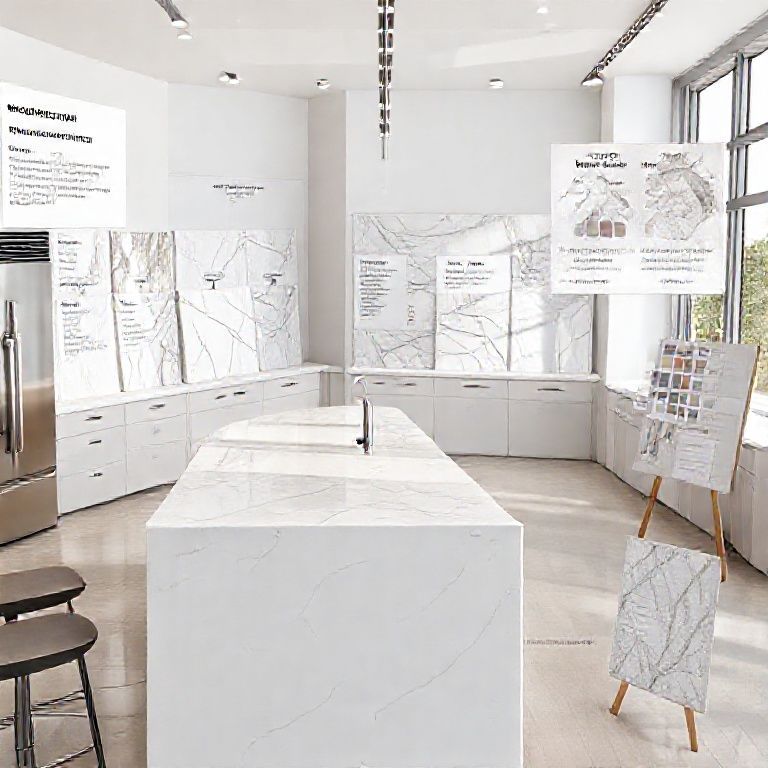
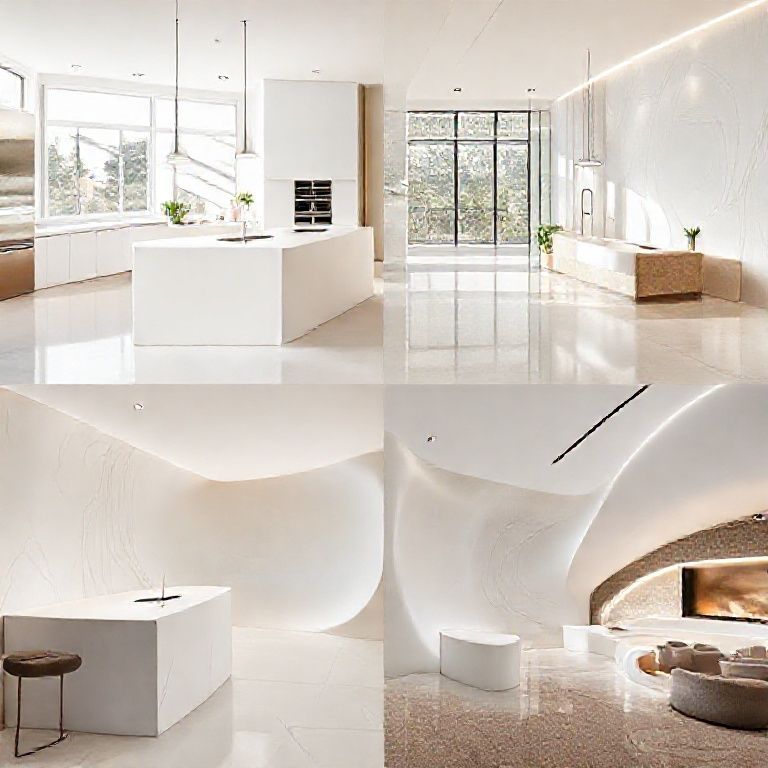
Discover the nuanced differences between artificial and natural marble in this comprehensive guide. Learn how to identify the unique characteristics of each type, their benefits, and their applications in modern interior design. Perfect for homeowners, designers, and enthusiasts, this detailed comparison will help you make an informed choice for your next project.

artificial marble, natural marble, marble differentiation, countertop materials, stone identification, marble benefits, interior design, home improvement, luxury materials, durable stone
Understanding the Basics of Marble
When it comes to selecting the perfect material for your countertops, flooring, or decorative pieces, understanding the differences between artificial and natural marble is essential. Both materials offer elegance and durability, but they differ significantly in their composition, production process, and overall characteristics. Let’s delve into the basics of these two types of marble to understand what makes each unique.
What is Artificial Marble?
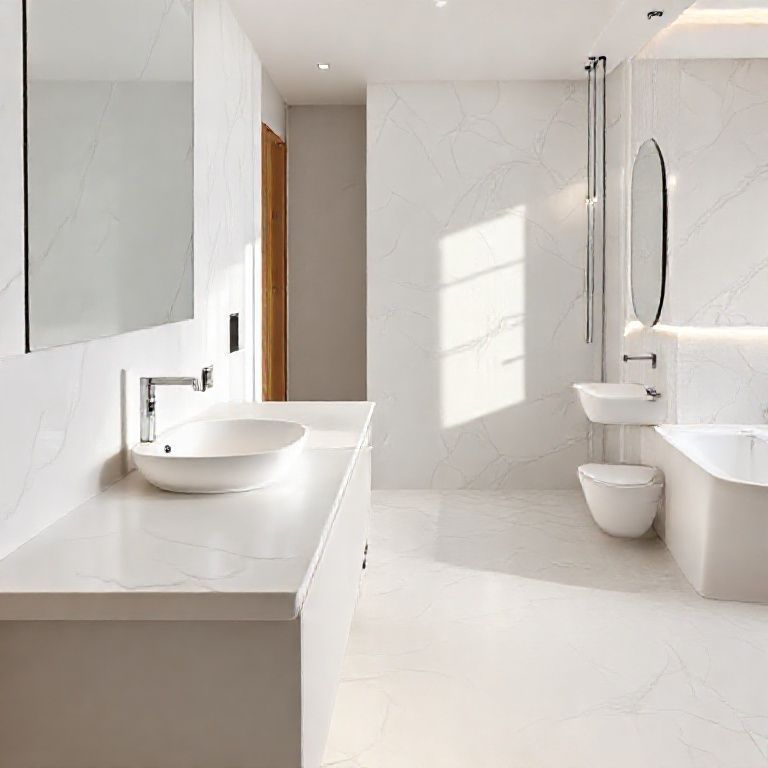
Artificial marble, often referred to as engineered stone, is a composite material that combines powdered quartz, resin, and other minerals. This blend is meticulously crafted in a factory setting through a process that involves high heat and pressure to form a solid, durable stone.
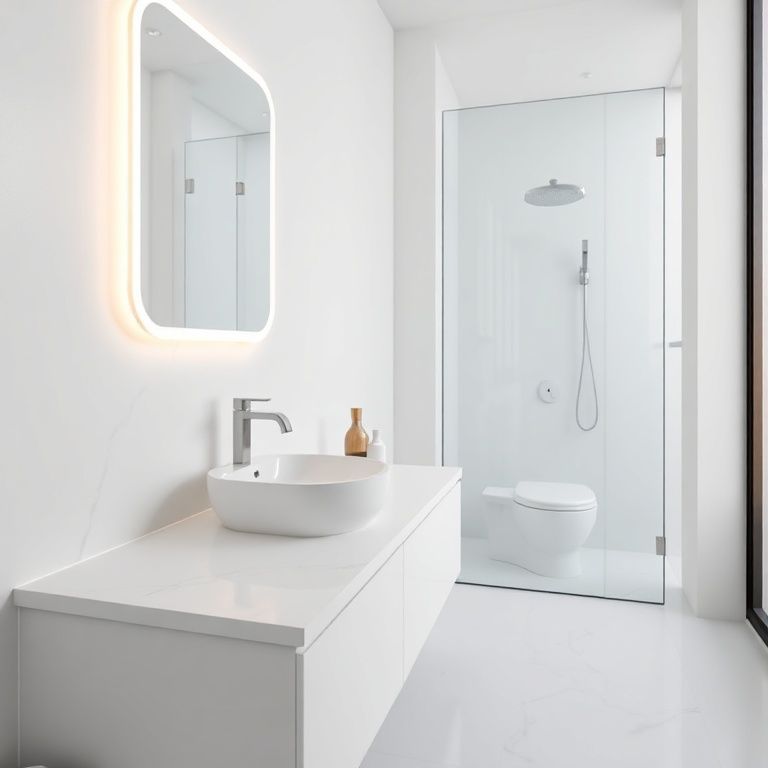
Key Characteristics of Artificial Marble:
Composition: Artificial marble is primarily composed of 93% powdered quartz and 7% resin. This high percentage of natural quartz gives it a look and feel remarkably similar to natural marble.
Color and Design: One of the most significant advantages of artificial marble is its versatility in color and design. It can mimic the intricate patterns of natural marble but also offers limitless possibilities for custom designs.
Durability: Despite being a composite material, artificial marble is highly durable and resistant to scratches, stains, and thermal shock. It does not require sealing, which makes it easier to maintain.
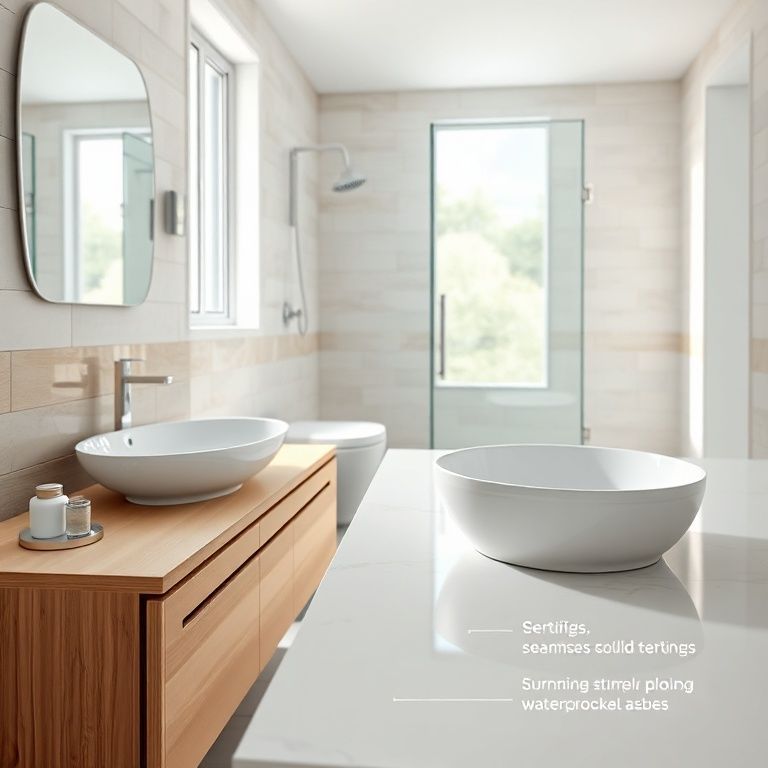
Cost-Effectiveness: Generally, artificial marble is more affordable than natural marble, making it an attractive option for a wide range of applications.
Environmental Impact: The manufacturing process of artificial marble is more controlled and can be more environmentally friendly compared to mining and processing natural marble.
Common Uses of Artificial Marble:
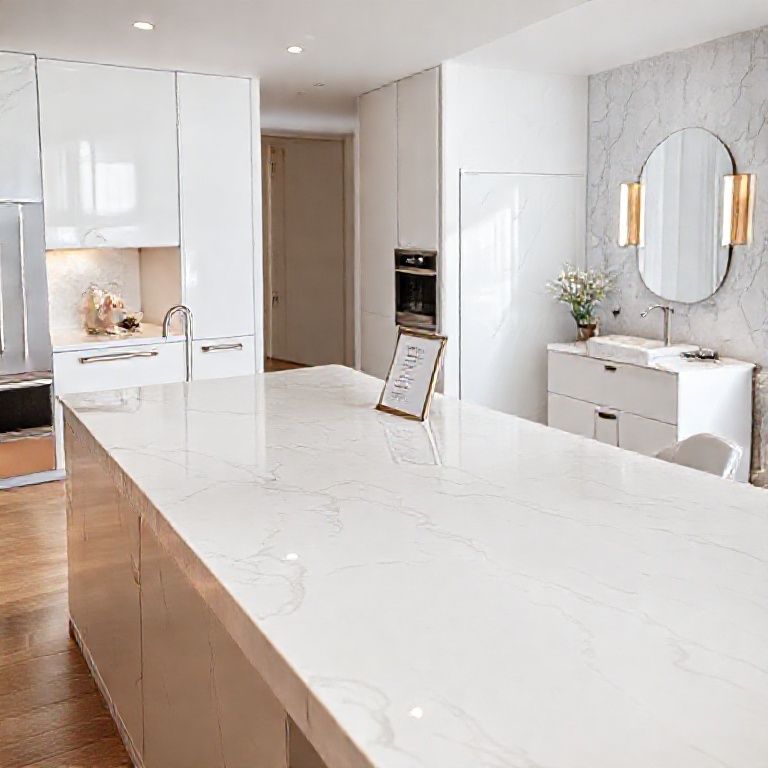
Artificial marble is widely used in countertops, kitchen islands, bathroom vanities, and as decorative elements in interior design. Its durability and aesthetic versatility make it a popular choice for both commercial and residential projects.
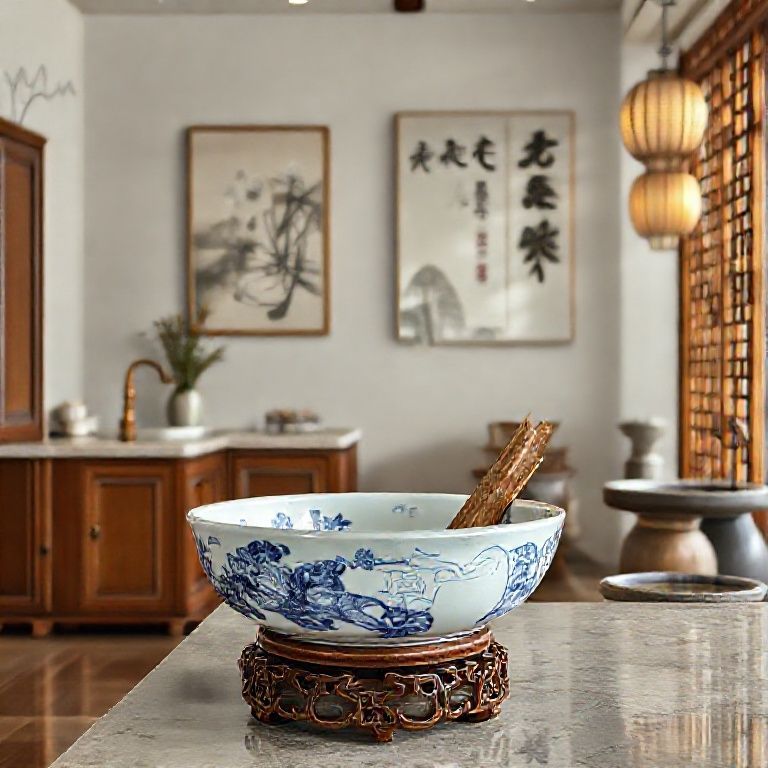
What is Natural Marble?
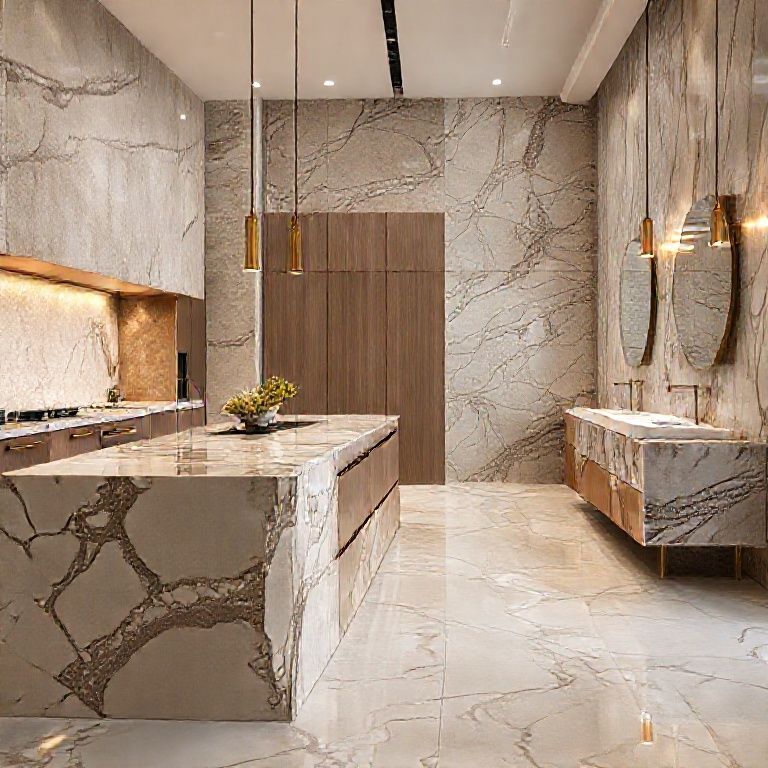
Natural marble is a metamorphic rock formed when limestone is subjected to intense heat and pressure, causing the mineral calcite to recrystallize into a more compact form. This process results in the beautiful and unique patterns that characterize marble.
Key Characteristics of Natural Marble:
Composition: Natural marble is composed of recrystallized calcite or dolomite, which gives it a distinctive crystalline structure.
Color and Design: The beauty of natural marble lies in its unique and often intricate veining and patterns. Each piece of natural marble is one-of-a-kind, offering a natural aesthetic that cannot be replicated.
Durability: While natural marble is strong, it is also more porous than artificial marble, which makes it more susceptible to stains and scratches. To maintain its appearance, natural marble typically requires sealing.
Variability: Natural marble comes in a wide range of colors and patterns, from the classic white of Italian Carrara marble to the rich, earthy tones of Indian black marble.
Cost: Due to its natural formation process and the rarity of certain types, natural marble can be significantly more expensive than artificial marble.
Common Uses of Natural Marble:
Natural marble is often used for high-end applications such as flooring, countertops, and decorative sculptures. Its timeless elegance makes it a favorite for luxury homes and commercial spaces where a touch of natural luxury is desired.
How to Differentiate Between Artificial and Natural Marble
Identifying whether a piece of marble is artificial or natural can be a bit challenging, especially if you are not an expert. Here are some key indicators to help you differentiate between the two:
Surface Texture: Natural marble has a more uneven surface texture due to its organic formation process. Artificial marble tends to have a smoother, more uniform surface.
Porosity: Natural marble is more porous, which makes it susceptible to staining. Artificial marble is less porous and therefore more resistant to stains.
Veining and Patterns: While artificial marble can mimic the veining and patterns of natural marble, it usually lacks the subtle variations found in natural stone. Natural marble often has more organic and unique veining.
Weight: Natural marble tends to be heavier than artificial marble due to its denser composition.
Hardness: Both types of marble are hard, but natural marble typically has a slightly higher Mohs hardness rating due to its recrystallized structure.
By understanding these characteristics, you can make a more informed decision when selecting marble for your next project.
Practical Applications and Maintenance
In the second part of our comprehensive guide, we will explore the practical applications and maintenance considerations of artificial and natural marble. Whether you’re a homeowner, designer, or just curious about these materials, this section will provide valuable insights to help you choose the right type of marble for your needs.
Practical Applications
Artificial Marble:
Countertops: Artificial marble is a popular choice for kitchen and bathroom countertops due to its durability and resistance to stains and scratches. It offers a wide range of colors and patterns, allowing for custom designs that can mimic natural marble.
Flooring: While less commonly used for flooring than natural stone, artificial marble can be an excellent option for areas that do not require the high-end look of natural marble but benefit from its durability.
Decorative Elements: Artificial marble is ideal for decorative elements such as tabletops, bar tops, and decorative sculptures. Its versatility in design makes it suitable for both modern and traditional settings.
Commercial Spaces: In commercial spaces like hotels, restaurants, and office buildings, artificial marble’s cost-effectiveness and durability make it a practical choice for high-traffic areas.
Natural Marble:
Flooring: Natural marble is often used for flooring in high-end homes and commercial spaces where a luxurious, timeless look is desired. Its unique patterns and colors add a touch of elegance to any space.
Countertops: High-end kitchens and bathrooms often feature natural marble countertops. The natural beauty and unique patterns of marble make it a popular choice for those looking to add a touch of luxury to their space.
Wall Cladding: Natural marble is used for wall cladding in both residential and commercial interiors to add a sophisticated and timeless aesthetic.
Sculptures and Statues: The beauty of natural marble makes it a favorite for sculptors and artists who create stunning works of art.
Maintenance Considerations
Artificial Marble:
Ease of Maintenance: One of the biggest advantages of artificial marble is its ease of maintenance. It does not require sealing, which means fewer maintenance concerns. Simply wipe it down with a damp cloth and mild soap to keep it looking its best.
Durability: Artificial marble is highly resistant to scratches, stains, and thermal shock. It is a practical choice for high-traffic areas where durability is a priority.
Low Cost: Due to its manufacturing process, artificial marble is generally more affordable. This makes it an excellent option for budget-conscious projects without sacrificing quality.
Natural Marble:
Sealing: To maintain its beauty and resist stains, natural marble requires regular sealing. This involves applying a marble sealant to the surface to create a protective barrier against liquids and acids.
Cleaning: Natural marble should be cleaned with a mild soap and water solution. Avoid using abrasive cleaners or sponges that can scratch the surface.
Repairs: If natural marble is scratched or stained, professional repair services may be required. In some cases, resealing the entire piece may be necessary to maintain its appearance.
Cost: While natural marble offers unparalleled beauty, it often comes with a higher price tag. This is due to its natural formation process and the rarity of certain types.
Choosing the Right Marble for Your Project
When deciding between artificial and natural marble, several factors should be considered:
Budget: If cost is a significant concern, artificial marble offers a more affordable option without sacrificing aesthetics.
Durability: If durability and low maintenance are your top priorities, artificial marble is the clear choice. Its resistance to stains, scratches, and thermal shock makes it ideal for high-traffic areas.
Aesthetics: If you are looking for a piece of natural beauty that cannot be replicated, natural marble is the way to go. Its unique patterns and colors add a touch of luxury and elegance.
Application: Consider the specific application of the marble. For example, natural marble is often preferred for flooring and decorative elements where its beauty can be showcased, while artificial marble is more suitable for countertops and other areas where durability is crucial.
By carefully considering these factors, you can make an informed decision that will enhance the beauty and functionality of your space.
Conclusion
Understanding the differences between artificial and natural marble is essential for making an informed choice for your next project. Artificial marble offers versatility, durability, and ease of maintenance, making it a practical choice for many applications. On the other hand, natural marble provides a unique, luxurious aesthetic that cannot be replicated, making it ideal for high-end projects where natural beauty is prized.
By considering the characteristics, applications, and maintenance requirements### of Artificial and Natural Marble
Conclusion
Understanding the differences between artificial and natural marble is essential for making an informed choice for your next project. Artificial marble offers versatility, durability, and ease of maintenance, making it a practical choice for many applications. On the other hand, natural marble provides a unique, luxurious aesthetic that cannot be replicated, making it ideal for high-end projects where natural beauty is prized.
By considering the characteristics, applications, and maintenance requirements of each type of marble, you can choose the material that best fits your needs and budget. Whether you opt for the durability and design flexibility of artificial marble or the timeless elegance of natural marble, both options offer a range of benefits that can enhance the beauty and functionality of your space.
Ultimately, the choice between artificial and natural marble comes down to your specific requirements, aesthetic preferences, and budget constraints. By weighing these factors carefully, you can make a decision that will not only meet your immediate needs but also stand the test of time.
Final Thoughts
Marble, whether artificial or natural, remains a popular choice for a wide range of applications due to its beauty, durability, and versatility. As technology advances, artificial marble continues to improve, getting closer to mimicking the unique beauty of natural marble. Meanwhile, natural marble retains its status as a symbol of luxury and elegance.
When selecting marble for your project, it’s important to consider not just the immediate benefits but also the long-term implications. Durability, maintenance requirements, and aesthetic appeal are all critical factors that will influence the overall success of your project.
By understanding the nuances between artificial and natural marble, you can make a well-informed decision that will enhance your space and provide lasting value. Whether you choose artificial marble for its practicality or natural marble for its timeless beauty, both options offer unique advantages that can elevate your home or commercial space to new heights.