In today’s modern kitchens and bathrooms, synthetic stone countertops are becoming increasingly popular due to their durability, aesthetics, and low maintenance. Among the various options available, understanding the “人造石台面尺寸规格标准” (countertop size standards for synthetic stone) is crucial for achieving the perfect fit and design integration. This guide will delve into the fundamental aspects of these standards, helping you make an informed decision.
Understanding Synthetic Stone Countertops
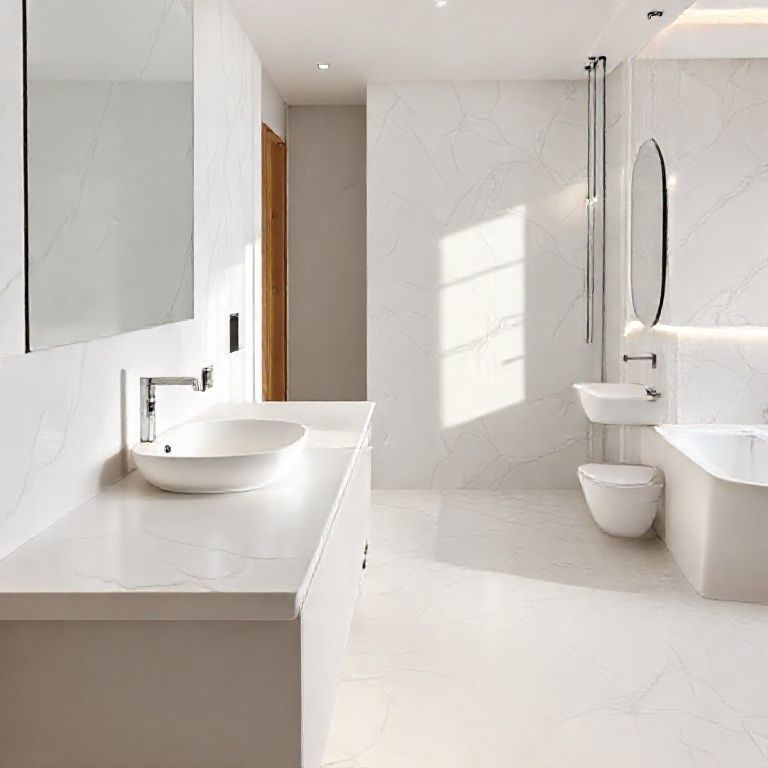
Synthetic stone, often made from materials like quartz and granite, offers a combination of natural stone beauty and synthetic material benefits. These countertops are known for their resistance to stains, scratches, and heat, making them ideal for both commercial and residential spaces. However, to fully leverage these advantages, it’s essential to understand the dimensions and specifications involved in their installation.
Standard Dimensions
Synthetic stone countertops come in a variety of sizes to suit different applications and spaces. Standard dimensions often range from 24 inches to 96 inches in width, and they can be as long as the length of your countertop space allows. The most common widths are 24 inches, 36 inches, and 48 inches, which are versatile enough to fit most kitchen and bathroom designs. Here’s a detailed look at standard measurements:
Kitchen Countertops: Width: Typically, kitchen countertops are available in 36 inches and 48 inches widths. These dimensions are chosen to provide ample workspace while maintaining aesthetic appeal. Length: Kitchens often require longer countertops, ranging from 48 inches to 96 inches. Custom lengths can also be ordered to fit specific spaces. Bathroom Countertops: Width: Bathroom countertops usually range from 24 inches to 48 inches. Smaller widths are common due to the more compact nature of bathroom spaces. Length: Similar to kitchen countertops, bathroom countertops can also be customized to fit the length of the sink area or vanity space, typically ranging from 48 inches to 60 inches.
Custom vs. Standard Sizes
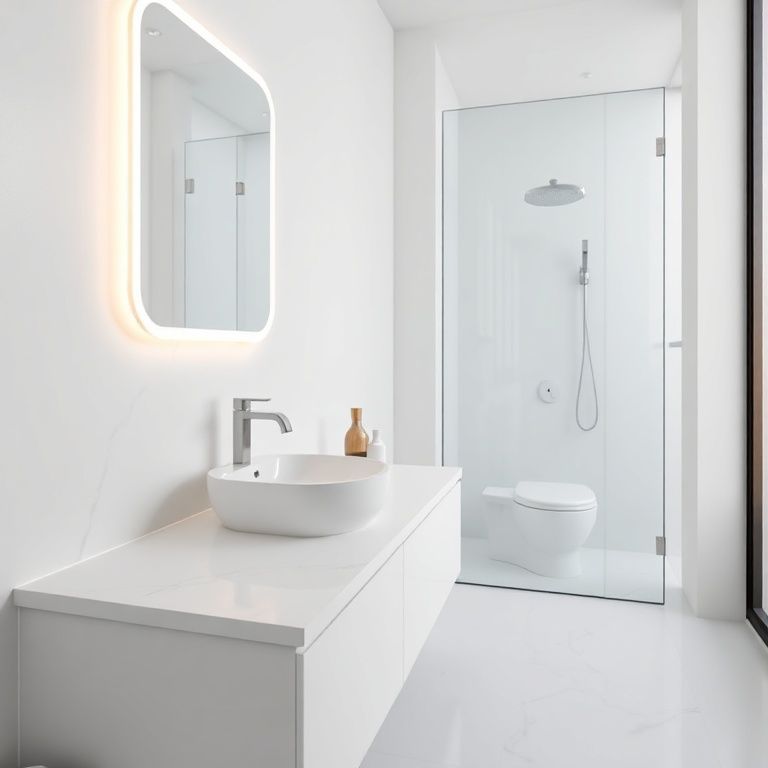
While standard sizes offer convenience and ease of installation, custom sizes provide the flexibility to match specific space requirements. Custom sizes can be tailored to fit unique architectural designs or specific areas where standard sizes may not suffice. This customization ensures a perfect fit and enhances the overall aesthetic of your space.
Installation Considerations
Proper installation is crucial for the longevity and functionality of synthetic stone countertops. Here are some key installation considerations:
Cut-to-Size vs. Full Sheets: Cut-to-Size: For irregular or confined spaces, cut-to-size options offer precision. This method involves cutting the countertop to the exact dimensions required, which may incur additional costs. Full Sheets: For larger areas, full sheets of synthetic stone provide a seamless look and are easier to install. However, they might require more careful planning to ensure a perfect fit. Edge Profiles: Edge profiles are crucial for a professional finish. Standard edge profiles include beveled, honed, and polished edges. Each profile offers a different look and level of protection against scratches and chips. Support and Stability: Ensure that the countertop is securely supported, especially for longer lengths. Adequate support prevents sagging and maintains the structural integrity of the countertop. Substrate Compatibility: The substrate (the material underneath the countertop) plays a significant role in the overall stability and appearance. Compatibility with the substrate is essential to prevent any damage or unevenness.
Material Considerations
Different synthetic stone materials have unique characteristics that affect their size standards:
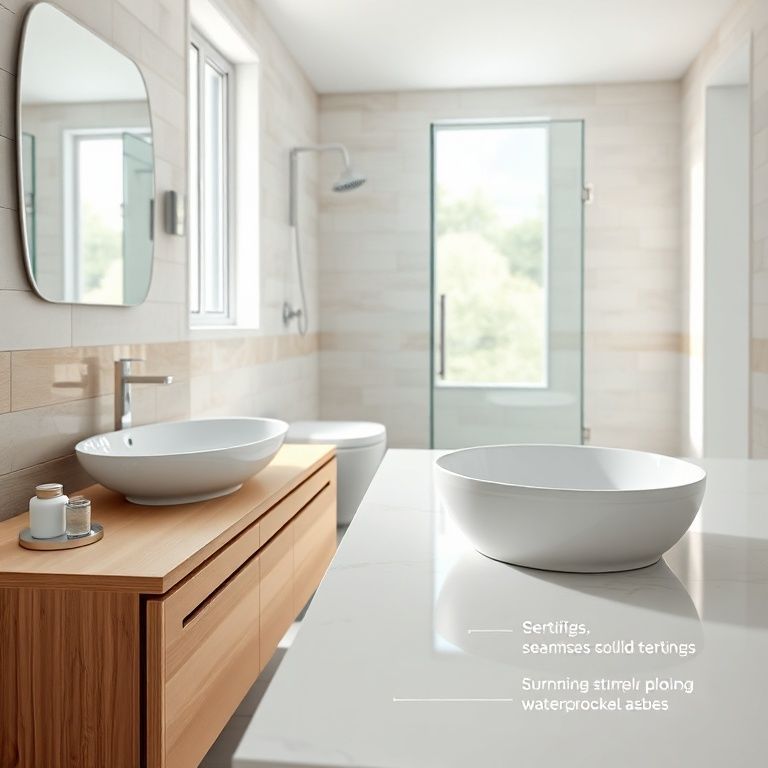
Quartz: Quartz is renowned for its durability and aesthetic appeal. It is available in a wide range of colors and patterns. Standard sizes for quartz countertops are typically consistent with other synthetic stones, but custom sizes can be made to fit specific design requirements. Granite: Granite-like quartz offers a natural look but with slightly different aesthetic possibilities. Standard sizes for granite-based synthetic stones also follow the general guidelines, but custom sizes can be tailored to fit unique architectural needs.
Choosing the Right Size
When choosing the right size for your synthetic stone countertop, consider the following factors:
Space Availability: Measure the available space accurately. Ensure that the countertop will fit without compromising the functionality of the room. Design Preferences: Consider the design style and the overall aesthetic of your space. The size of the countertop should complement the design rather than overpower it. Functionality: Ensure that the size of the countertop meets your functional needs. Adequate workspace is crucial for both kitchen and bathroom areas.
Conclusion
Understanding the “人造石台面尺寸规格标准” (countertop size standards for synthetic stone) is a key aspect of ensuring a successful installation and a perfect fit. By considering standard and custom sizes, installation techniques, material compatibility, and overall design preferences, you can make an informed decision that enhances both the functionality and aesthetic appeal of your space.

In the next part, we will explore more advanced topics, including the latest trends in synthetic stone countertop design, innovative installation techniques, and how to maintain your synthetic stone surfaces for longevity.
Continuing our exploration into the “人造石台面尺寸规格标准” (countertop size standards for synthetic stone), this part delves deeper into advanced topics such as the latest design trends, innovative installation techniques, and maintenance tips to ensure your synthetic stone countertops last for years to come.
Latest Trends in Synthetic Stone Countertop Design
Synthetic stone countertops have evolved significantly over the years, with continuous innovation leading to new design possibilities. Here are some of the latest trends in synthetic stone countertop design:
Custom Color and Pattern Creation: Modern synthetic stone materials offer unparalleled flexibility in color and pattern creation. You can now choose from a vast array of colors and patterns to match your unique design vision. Advanced technologies allow for custom designs that mimic natural stone textures and colors, providing a stunning and realistic look. Unique Edge Profiles: Beyond the standard beveled, honed, and polished edges, contemporary designs now feature unique edge profiles that add a touch of sophistication. These include chamfered edges, rounded edges, and bespoke designs tailored to specific architectural styles. Integrated Features: Innovative designs now include integrated features such as built-in sinks, storage compartments, and even electrical outlets. These features add functionality and convenience, making synthetic stone countertops more versatile than ever. Sustainable Options: Sustainability has become a significant focus in modern design. Many synthetic stone manufacturers now offer eco-friendly options that use recycled materials and minimize environmental impact. This trend appeals to environmentally conscious consumers looking for sustainable yet stylish solutions.
Innovative Installation Techniques
The installation of synthetic stone countertops has also seen significant advancements, enhancing both the ease of installation and the final aesthetic outcome. Here are some innovative techniques used today:
Laser Cutting: Laser cutting technology offers precision and accuracy, ensuring that synthetic stone countertops are cut to exact measurements. This method reduces waste and provides clean, professional cuts. Advanced Adhesives: The use of advanced adhesives has revolutionized the installation process. These high-strength adhesives ensure a secure bond between the countertop and the substrate, providing durability and stability. Modular Systems: Modular systems allow for the creation of large, seamless countertops by piecing together smaller sections. This technique ensures a flawless finish and is particularly useful for custom sizes and complex designs. Robotic Installation: In commercial settings, robotic installation techniques are being explored to enhance precision and efficiency. These robots can cut, install, and even polish synthetic stone countertops with high accuracy, reducing manual labor and increasing consistency.
Maintenance Tips for Longevity
To ensure that your synthetic stone countertops remain in pristine condition for years to come, proper maintenance is key. Here are some essential tips:
Regular Cleaning: Use a mild, non-abrasive cleaner to regularly clean your synthetic stone countertops. Avoid using harsh chemicals that can damage the surface. A gentle sponge or soft cloth is usually sufficient for daily cleaning. Stain Protection: While synthetic stone is resistant to stains, it’s still important to address spills promptly. Use a damp cloth to wipe up liquids immediately to prevent any potential staining. For tougher stains, use a mild cleaner designed for synthetic stone surfaces. Scratch Prevention: To prevent scratches, avoid using sharp or abrasive tools on the countertop surface. Use cutting boards, and place trivets or pot holders when handling hot items. Sealing: While synthetic stone does not require sealing like natural stone, periodic sealing can enhance its durability and resistance to stains. Use a high-quality, synthetic stone-specific4. Regular Inspection: Regularly inspect your synthetic stone countertops for any signs of wear or damage. Early detection of small issues can prevent them from becoming major problems that require costly repairs. Avoid Extreme Heat: While synthetic stone is heat-resistant, prolonged exposure to extreme heat can cause discoloration or warping. Avoid placing hot items directly on the surface and use trivets when necessary. Proper Storage: If you need to store items on your countertop, avoid placing heavy or sharp objects directly on the surface. Use coasters and trivets to protect the material from potential damage.
Conclusion
Understanding the “人造石台面尺寸规格标准” (countertop size standards for synthetic stone) and keeping up with the latest trends and maintenance tips will help you make the most out of your synthetic stone countertops. Whether you’re a homeowner, designer, or installer, these insights will ensure that your synthetic stone surfaces remain beautiful, functional, and long-lasting. By following these guidelines, you can enjoy the best that synthetic stone has to offer in your kitchen, bathroom, or any other space.
In summary, synthetic stone countertops offer a versatile, durable, and aesthetically pleasing option for modern interiors. With the right size, installation techniques, and maintenance practices, these countertops can enhance the beauty and functionality of any space while providing a low-maintenance alternative to natural stone.