The Ultimate Guide to Countertop Sizes: Dimensions and Specifications for Your Perfect Synthetic Stone Surface
When it comes to renovating your kitchen or bathroom, one of the most critical decisions you’ll make is choosing the right material for your countertop. Synthetic stone has emerged as a top choice due to its durability, aesthetic appeal, and low maintenance. To ensure that your synthetic stone countertop fits perfectly into your space, understanding the “人造石台面尺寸规格表” (synthetic stone countertop size specifications) is essential. This guide will walk you through the various dimensions and specifications, helping you make an informed decision.
Understanding Synthetic Stone Countertops
Synthetic stone, often known as quartz, is a composite material made from 93% natural stone and 7% resin binder. This combination offers a surface that is both aesthetically pleasing and highly durable. Unlike traditional granite or marble, synthetic stone does not require sealing, making it easier to maintain and clean. It is also resistant to scratches, stains, and heat, making it an ideal choice for high-traffic areas.
Importance of Correct Countertop Size
The first step in selecting the perfect synthetic stone countertop is determining the correct size. The dimensions you choose will depend on the space available and the design of your kitchen or bathroom. Here’s a comprehensive look at the common sizes and specifications for synthetic stone countertops:
Kitchen Countertop Sizes
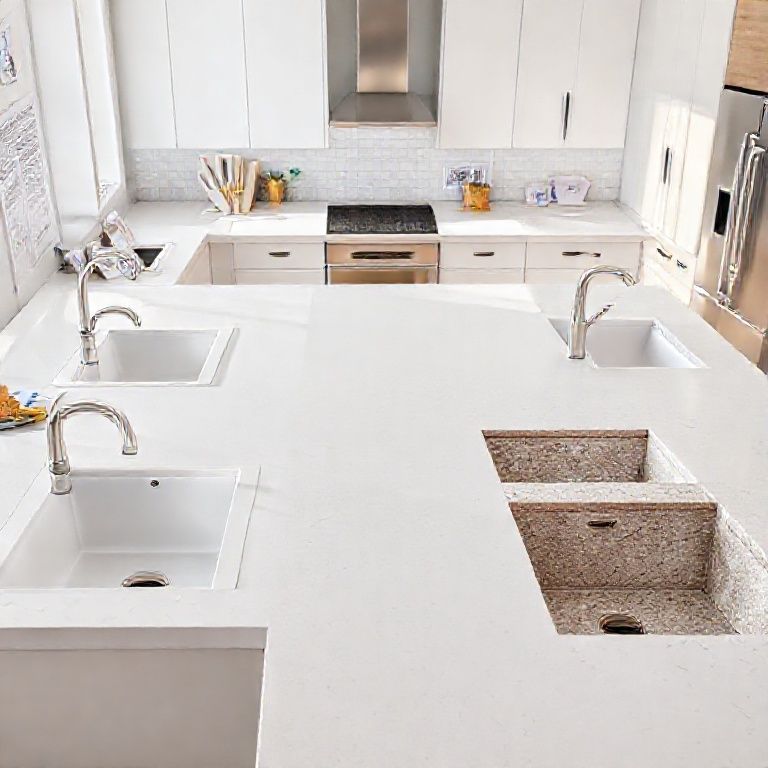
In a kitchen, the countertop is a central focal point where cooking, food preparation, and dining often take place. Therefore, choosing the right size is crucial for functionality and aesthetics.
Standard Kitchen Countertop Widths:
36 inches: This is the most common width for kitchen countertops, offering ample space for food preparation and cooking. 42 inches: A slightly wider option that provides extra room for larger appliances and dual-user cooking stations. 48 inches: Ideal for larger kitchens, this width allows for more storage space and multiple users working simultaneously.
Standard Kitchen Countertop Lengths:
60 inches: Suitable for single-wall kitchens, this length provides enough space for a full-sized sink and ample work surface. 72 inches: Perfect for double-wall kitchens, this length allows for a larger prep area and additional storage. 84 inches: Best for expansive kitchens, this size offers ample space for a double sink, ample prep areas, and storage.
Bathroom Countertop Sizes
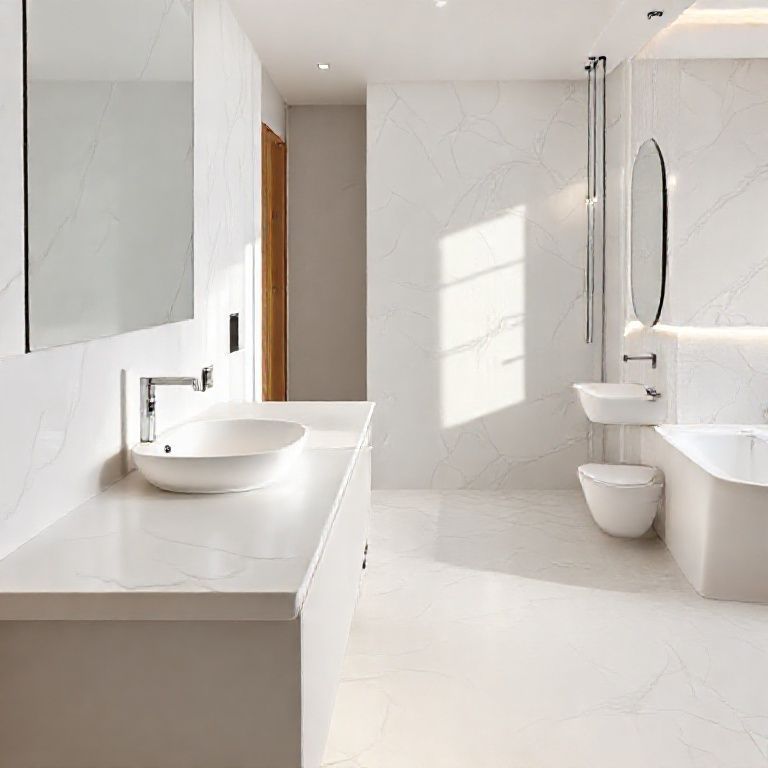
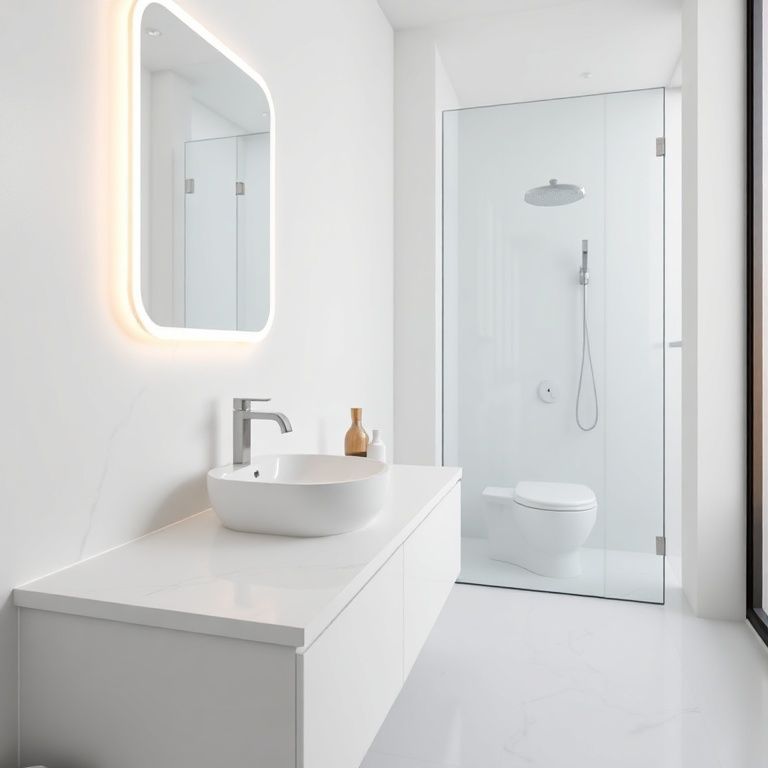
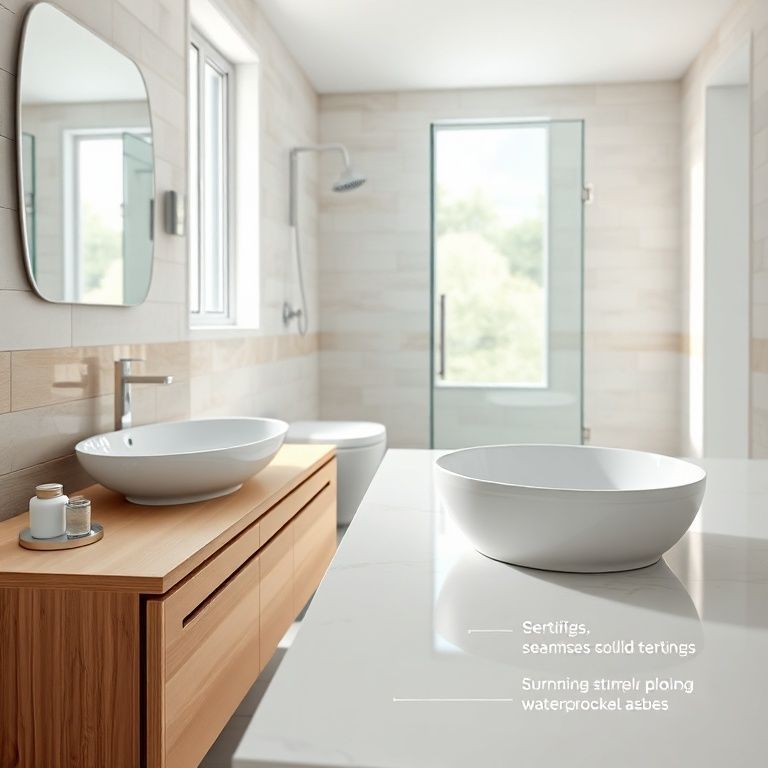
Bathroom countertops are not only functional but also serve as a decorative element. Choosing the right size can make a significant difference in the overall look and usability of your bathroom.
Standard Bathroom Countertop Widths:
24 inches: Ideal for compact bathroom vanities, this width is suitable for single-user sinks. 30 inches: A popular size for single-sink vanities, offering enough space for toiletries and personal grooming. 36 inches: Perfect for double-sink vanities, this width provides ample space for two users and additional storage.
Standard Bathroom Countertop Lengths:
48 inches: Suitable for single-sink vanities, this length provides a good balance between functionality and space. 60 inches: Ideal for double-sink vanities, this size allows for more space for toiletries and personal grooming. 72 inches: Best for larger bathrooms, this length offers ample space for extensive storage and dual-user sinks.
Custom Sizes and Shapes
While standard sizes are common, many homeowners prefer custom-sized or shaped countertops to fit unique spaces or design preferences. Custom synthetic stone countertops can be tailored to fit any shape, whether it’s a curved island, a unique L-shape, or an irregularly shaped area. Custom dimensions can be created to fit the exact dimensions of your space, providing a seamless and elegant look.
Installation Considerations
When selecting your synthetic stone countertop, it’s essential to consider installation requirements. Here are some key factors to keep in mind:
Thickness:
Most synthetic stone countertops come in thicknesses ranging from 1 to 2 inches. The thickness can affect the weight and installation process. Thicker countertops provide a more substantial and durable surface but require more careful handling during installation.
Edge Profiles:
Synthetic stone countertops can be finished with various edge profiles, including bullnose, rounded, and straight edges. The choice of edge profile can affect the visual appeal and functionality of the countertop. Bullnose edges offer a smooth, rounded edge that’s easy to clean, while straight edges provide a clean, minimalist look.
Surface Finish:
The surface finish of synthetic stone can vary from matte to high-gloss. Matte finishes offer a more natural, understated look, while high-gloss finishes provide a shiny, modern appearance. The choice of finish will depend on your personal preference and the overall design of your space.
Color and Design:
Synthetic stone is available in a wide range of colors and designs, allowing for a high degree of customization. From natural stone patterns to vibrant, modern designs, you can choose a color and design that perfectly complements your kitchen or bathroom decor.
Choosing the Right Specifications
When consulting the “人造石台面尺寸规格表” (synthetic stone countertop size specifications), pay attention to the following details:
Material Composition:
Ensure the countertop is composed of at least 93% natural stone and 7% resin. This composition ensures durability and longevity.
Color Uniformity:
Check for consistent color across the countertop. Variations in color can detract from the overall aesthetic.
Thickness and Weight:
Confirm the thickness and weight of the countertop. Thicker and heavier countertops are more durable but may require more robust installation techniques.
Edge Quality:
Inspect the edges for any imperfections. Smooth, well-finished edges are essential for both aesthetics and functionality.
Manufacturer’s Warranty:
Look for a manufacturer’s warranty that covers both the material and installation. This ensures peace of mind and protection against defects.
The Ultimate Guide to Countertop Sizes: Dimensions and Specifications for Your Perfect Synthetic Stone Surface (Continued)
In the previous section, we delved into the importance of selecting the right size and understanding the specifications of synthetic stone countertops. Now, let’s explore additional considerations to ensure your synthetic stone countertop meets your needs perfectly.
Design and Aesthetic Considerations
Designing with synthetic stone countertops allows for a high degree of creativity and personalization. Here’s how to make the most of this versatile material:
Color and Design Options:
Synthetic stone can mimic the appearance of natural stone, wood, and even metal. You can choose from a wide array of colors and designs, including traditional marble, granite, and contemporary patterns. This flexibility allows you to match your countertop to any decor style, from rustic to modern.
Custom Shapes and Patterns:
Beyond standard rectangular shapes, synthetic stone can be cut into custom sizes and shapes. This capability enables you to create unique designs that complement your kitchen or bathroom layout. Whether you want a curved island, a freeform countertop, or a custom-shaped vanity, synthetic stone can be tailored to fit your vision.
Lighting and Integration:
Consider how your countertop will integrate with the overall lighting in your space. Synthetic stone countertops can enhance the visual appeal of your kitchen or bathroom by complementing the existing lighting fixtures. Additionally, integrated LED lighting can add a modern touch to your countertop, highlighting its design and materials.
Durability and Maintenance:
Synthetic stone is known for its durability and low maintenance. While it doesn’t require sealing like natural stone, it’s still important to follow proper cleaning and maintenance practices to ensure its longevity. Regular cleaning with a mild soap and water solution will keep your countertop looking pristine.
Installation Process and Best Practices
Proper installation is key to ensuring that your synthetic stone countertop looks and functions as intended. Here’s a step-by-step guide to the installation process and best practices to keep in mind:
Preparation:
Before installation, ensure that the surface where the countertop will be placed is clean, level, and free of any debris. This preparation is essential for a secure and stable installation.
Cutting and Fitting:
Use a wet saw to cut the synthetic stone countertop to the exact dimensions needed for your space. Make sure to measure carefully and mark the cutting lines clearly to achieve precise cuts. Once cut, fit the countertop into place, ensuring it aligns properly with any existing cabinets or fixtures.
Adhesion:
Use a high-quality adhesive recommended by the countertop manufacturer to secure the synthetic stone to the underlying structure. Apply the adhesive evenly and allow it to cure according to the manufacturer’s instructions. Proper adhesion is crucial for the longevity and stability of the countertop.
Sealing and Finishing:
While synthetic stone does not require sealing, it’s still important to apply a protective coating to enhance its appearance and durability. Use a UV-resistant sealant or protective film to prevent fading and discoloration over time继续:
最后的检查和维护
最后的检查:
确认安装: 确保综合检查每一个固定点,确保没有松动或者不平整的地方。 检查水槽、抽油烟机等安装设备是否与新的石台面完美契合,没有卡住或者不齐平的情况。 检查接缝: 检查石台面的接缝处是否有裂缝或者颜色不一致的情况,这可能是在切割或安装过程中的小瑕疵。
确保所有接缝处都已经正确处理,如果有需要,可以使用填缝剂进行修补。
日常维护:
清洁: 每天使用温水和中性清洁剂轻轻擦拭台面,避免使用含有酸性或者强碱性的清洁剂。 对于顽固污渍,可以使用专用的石材清洁剂轻轻擦拭。 避免使用尖锐工具: 不要在石台面上使用尖锐工具进行切割或者划伤,以防止表面损坏。 避免热损伤: 尽量不要将热锅或热盘直接放在石台面上,可以在上面放一个隔热垫或者盖上一层餐巾纸。
定期保养: 每隔一段时间,可以使用石材保护剂来保持台面的光泽和耐用性。
特殊注意事项:
防止污染: 尽量避免在台面上长时间堆放杂物,保持干净整洁。 使用专用的砧板进行切菜或者食物的处理,避免直接接触台面。 处理溢出物: 一旦发生液体溢出,尽快擦干,避免液体渗入表面,长期会导致污渍和损坏。 使用砧板: 在使用石台面时,最好使用不锈钢或者木质的砧板,这样可以减少对石材表面的损害。
通过以上这些步骤,您的石台面将能够保持长久的美观和功能性。祝您在使用和维护石台面时一切顺利!如果有任何其他问题或需要进一步的帮助,请随时提问。