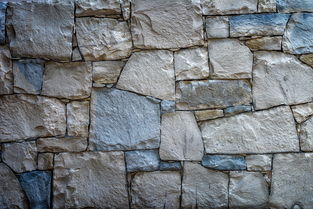
Are you considering installing artificial stone countertops in your home? One of the most important factors to consider is the thickness of the countertop. In this comprehensive guide, we’ll explore everything you need to know about the thickness of artificial stone, from material properties to installation considerations, ensuring your kitchen or bathroom transformation is both stylish and durable.
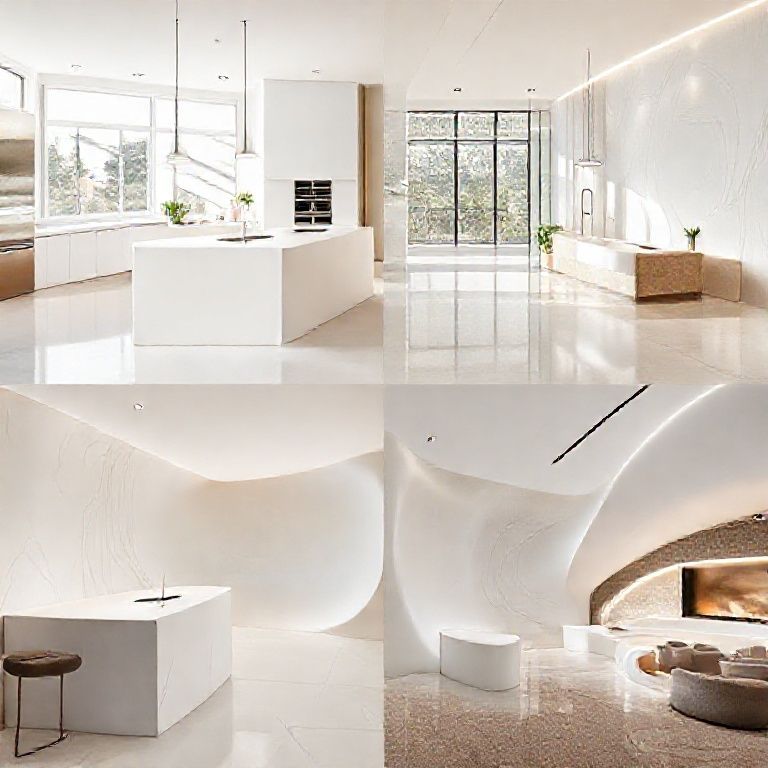
artificial stone countertops, countertop thickness, stone thickness, kitchen countertop, bathroom countertop, durable countertops, installation tips, countertop material properties
Part 1
The Ultimate Guide to Countertop Thickness: What You Need to Know About Artificial Stone
Artificial stone countertops have gained immense popularity due to their durability, aesthetic appeal, and relatively low maintenance. When planning your kitchen or bathroom renovation, one of the key factors you’ll need to consider is the thickness of the artificial stone countertop. The thickness can impact both the aesthetics and functionality of your space. Here’s everything you need to know about artificial stone countertop thickness.
Understanding Artificial Stone
Artificial stone, often referred to as quartz, is a composite material made from natural stone and a polymer binder. This combination creates a robust surface that’s resistant to scratches, stains, and thermal damage. Despite its high durability, the thickness of the material is crucial for ensuring longevity and functionality.
Standard Thickness of Artificial Stone Countertops
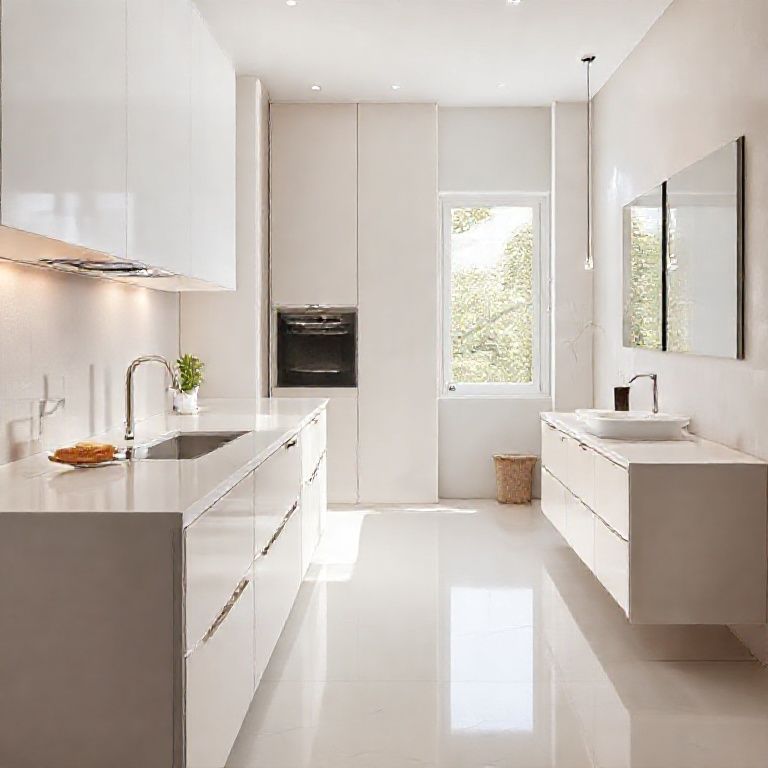
The standard thickness for artificial stone countertops generally ranges from 1 to 2 inches (25 to 50 millimeters). This thickness is sufficient to provide the material’s necessary strength while maintaining a sleek, modern appearance. However, it’s important to note that different manufacturers may produce stones of varying thicknesses.
Factors Influencing Countertop Thickness
Several factors influence the thickness of artificial stone countertops:
Weight Distribution and Stability: Thicker countertops are generally more stable and better at distributing weight. This is especially important for kitchen counters that may bear heavy pots, pans, and appliances. Installation Method: The installation method can also impact the thickness. For instance, if the countertop is to be installed over a wooden base, the overall thickness of the installation will be greater compared to floating countertops. Design Preferences: Designers and homeowners often have specific aesthetic preferences that dictate the thickness. Thinner countertops might be preferred for a minimalist look, while thicker ones can add a sense of robustness and grandeur.
Benefits of Different Thicknesses
Understanding the benefits of different thicknesses can help you make an informed decision based on your specific needs:
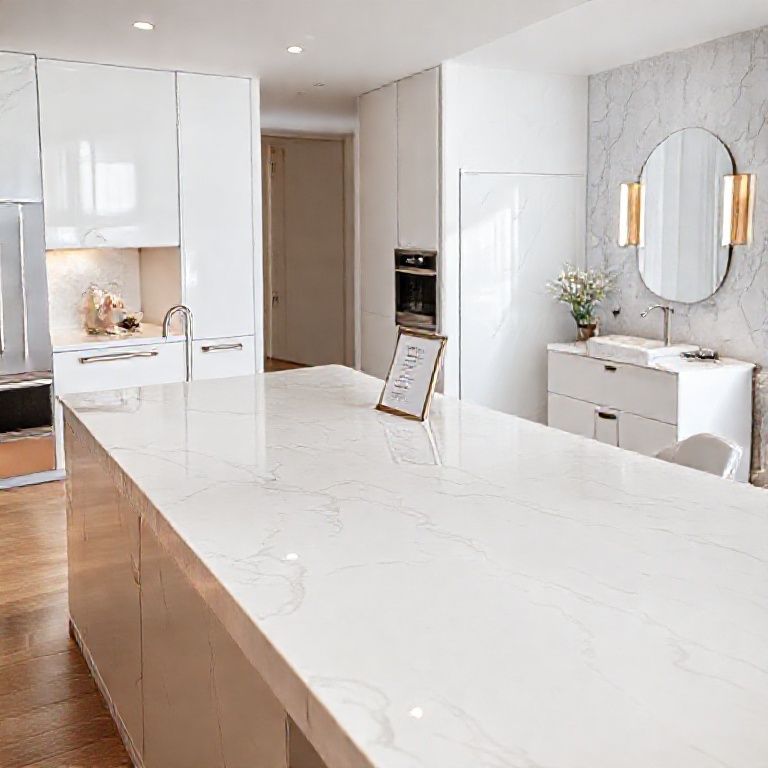
Thinner Countertops (1 inch): Aesthetic Appeal: Thinner countertops offer a sleek and modern look, perfect for minimalist or contemporary designs. Space Efficiency: Ideal for smaller spaces where every inch counts. Installation Flexibility: Easier to install over existing surfaces. Standard Countertops (1.5 to 1.75 inches): Balanced Look: Provides a balanced look that combines aesthetic appeal and durability. Versatility: Suitable for both kitchen and bathroom applications. Weight Distribution: Offers better weight distribution, making it stable for heavy use. Thicker Countertops (2 inches): Maximum Durability: Provides maximum strength and resistance to scratches and impacts. Sturdiness: Excellent for high-traffic areas where durability is a top priority. Aesthetic: Adds a premium, luxurious feel to the space.
Installation Considerations
When it comes to installing artificial stone countertops, the thickness plays a significant role in the process:
Support Structures: Thicker countertops may require additional support structures to ensure stability. For example, thicker stone may necessitate a more robust base or frame. Cut and Fit: The thickness can affect how the countertop is cut and fitted to your space. Thinner countertops are generally easier to cut and shape. Weight Handling: Heavier installations might require special handling techniques to manage the weight, especially when transporting and positioning the countertop.
Maintenance and Longevity
The thickness of your artificial stone countertop can also influence its maintenance and longevity:
Scratch and Stain Resistance: Thicker countertops tend to be more resistant to scratches and stains due to the robust nature of the material. Thermal Resistance: A thicker counter will distribute heat more evenly, reducing the risk of thermal damage. Ease of Cleaning: Regardless of thickness, artificial stone is easy to clean and maintain. However, thicker pieces might be slightly more challenging to clean around the edges and seams.
Conclusion
Choosing the right thickness for your artificial stone countertops is a crucial decision that impacts both the aesthetics and functionality of your space. By understanding the factors influencing thickness and the benefits of different options, you can make a well-informed choice that meets your design preferences and practical needs. Whether you prefer a sleek, minimalist look or a robust, durable finish, there’s an ideal thickness for your artificial stone countertop.
When it comes to selecting artificial stone countertops for your home, the thickness is a significant consideration that affects both the appearance and functionality of your space. In this second part of our comprehensive guide, we delve deeper into the specifics of artificial stone thickness, exploring advanced considerations, installation tips, and how to choose the perfect thickness for your unique needs.
artificial stone countertops, countertop thickness, stone thickness, kitchen countertop, bathroom countertop, durable countertops, installation tips, countertop material properties, maintenance
Part 2
Choosing the Right Thickness for Your Artificial Stone Countertop
Having covered the basics of artificial stone countertop thickness, let’s delve deeper into the advanced considerations that can influence your choice. This part will provide you with detailed insights into installation techniques, material properties, and maintenance, ensuring you make an informed decision that enhances both the beauty and longevity of your space.
Advanced Considerations for Countertop Thickness
Structural Integrity: The thickness of the countertop is directly related to its structural integrity. For kitchen countertops, which often bear heavy cookware and appliances, a thicker stone countertop provides better stability and durability. In contrast, bathroom countertops may not need to be as thick since they typically do not support heavy objects. However, ensuring a minimum thickness is still important for maintaining a sleek appearance. Weight Distribution: The material’s thickness plays a crucial role in how weight is distributed. A thicker countertop spreads weight more evenly, reducing the risk of cracking or warping over time. For heavy-use areas, such as kitchen islands or dining tables, a thicker countertop (2 inches or more) is recommended. Installation Techniques: Floating Installation: This technique involves placing the countertop directly on the floor without using an adhesive. Thicker countertops are more suitable for floating installations because they can withstand more movement without shifting. Adhesive Installation: For this method, a thinner countertop can be more manageable since it reduces the overall weight. However, ensuring proper adhesion is crucial to prevent any movement or detachment.
Material Properties and Performance
Understanding the material properties of artificial stone can help you make an informed decision about thickness:
Durability: Artificial stone is known for its high durability, but the thickness enhances this property. Thicker pieces are less likely to crack or chip, providing a longer-lasting finish. The material’s composition, which includes natural stone and a polymer binder, contributes to its resistance against scratches, stains, and thermal damage. Aesthetic Appeal: The thickness of the countertop can influence its aesthetic appeal. While thinner countertops offer a modern and minimalist look, thicker ones can add a sense of luxury and grandeur. The color and finish of the stone can also play a role in how thickness affects the overall appearance. Maintenance: Regardless of thickness, artificial stone is easy to clean and maintain. However, thicker countertops might be more challenging to clean around the edges and seams. Regular maintenance ensures the longevity and beauty of the stone.
Installation Tips
Proper installation is crucial to ensure the longevity and functionality of your artificial stone countertop:
Preparation: Proper surface preparation is essential. Ensure the underlying surface is clean, level, and free from any debris. For floating installations, the floor should also be smooth and even. Adhesive Use: For adhesive installations, use a high-quality adhesive that is suitable for stone countertops. Follow the manufacturer’s instructions for application and curing time. Cutting and Fitting: Accurate cutting and fitting are critical. Use a quality tile cutter for precise cuts. If the countertop is to be fitted around edges or corners, use coping saws or specialized tools to ensure a snug fit. Weight Handling: When moving and positioning the countertop, use proper lifting techniques to avoid damaging the stone. Thicker pieces may require more careful handling due to their weight.
Choosing the Perfect Thickness
When deciding on the ideal thickness for your artificial stone countertop, consider the following factors:
Functionality: Assess the primary function of the countertop. For high-traffic areas like kitchen islands, a thicker piece (2 inches1. 目标设定与计划制定:明确你希望通过学习或项目实现的具体目标,并制定详细的计划。
分解大目标为小步骤,确保每一步都有明确的时间框架和资源需求。
时间管理:合理安排时间,避免拖延。可以使用时间管理工具如日历、待办事项列表或时间块法来规划每天的工作和学习。
学习策略:
主动学习:主动参与学习过程,提出问题,寻找答案,做笔记,复述知识点。 多样化的学习资源:利用书籍、在线课程、视频、论坛等多种资源,确保知识掌握的全面性和深度。 互动学习:与同学、导师或专家讨论,参与研讨会或工作坊,获取不同的视角和见解。 技能提升: 实践应用:将所学理论知识应用于实际项目中,提高解决问题的能力。
反思与总结:定期反思学习过程,总结经验教训,调整学习策略。
资源整合:利用网络资源、图书馆、学术期刊等获取最新的信息和研究成果,确保学习内容的前沿性和实用性。
心理调适:保持积极的心态,面对学习中的挑战和压力。可以通过冥想、运动、休闲活动来调整心态。
社交与协作:建立并维护与同学、导师、专业人士的联系,参加学术交流活动,共同进步。
评估与反馈:定期评估学习效果,根据反馈不断优化学习方法和计划。可以通过考试、项目展示、自我评估等方式进行评估。
持续学习:学习是一个持续的过程,保持对新知识、新技能的兴趣和探索精神。
健康管理:合理安排工作和学习,保证充足的睡眠、适当的运动和健康的饮食,以保持良好的身体状态和精神状态。