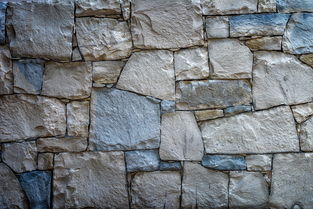
Introduction to Slab and Quartz Countertops
In the realm of home renovation and remodeling, selecting the right material for kitchen and bathroom countertops is crucial. Two of the most popular choices are slab and quartz, both renowned for their beauty and functionality. Understanding the differences between these materials can help you make an informed decision that aligns with your design preferences and practical needs.
Slab Countertops
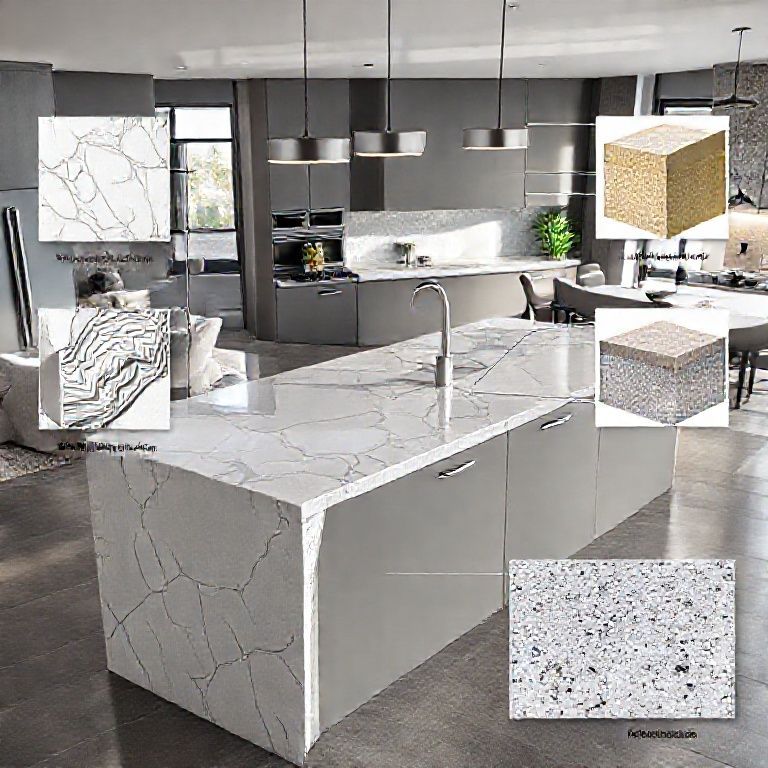
Slab countertops are made from a single piece of natural stone, such as granite, marble, or slate. This method involves cutting a massive block of stone into a slab, which is then polished to achieve a smooth, polished finish.
Advantages of Slab Countertops
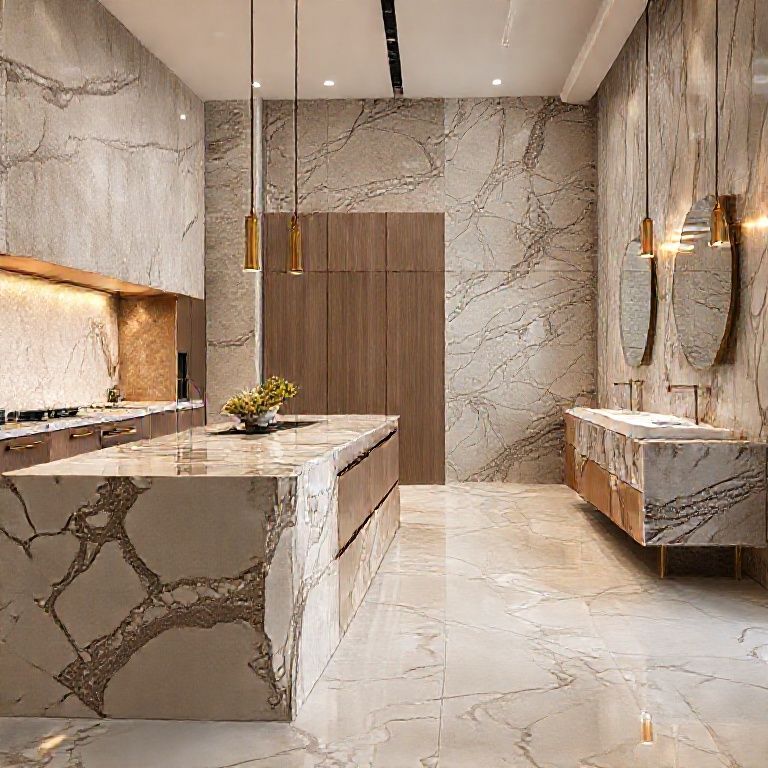
Aesthetic Appeal: Slab countertops offer a natural and elegant look that is often unmatched by other materials. The unique veining and color patterns found in natural stone give each slab its own distinctive beauty.
Durability: High-quality slab countertops, particularly those made from materials like granite or marble, are known for their durability and resistance to scratches, stains, and thermal damage. This makes them a long-lasting choice for busy kitchens and high-traffic areas.
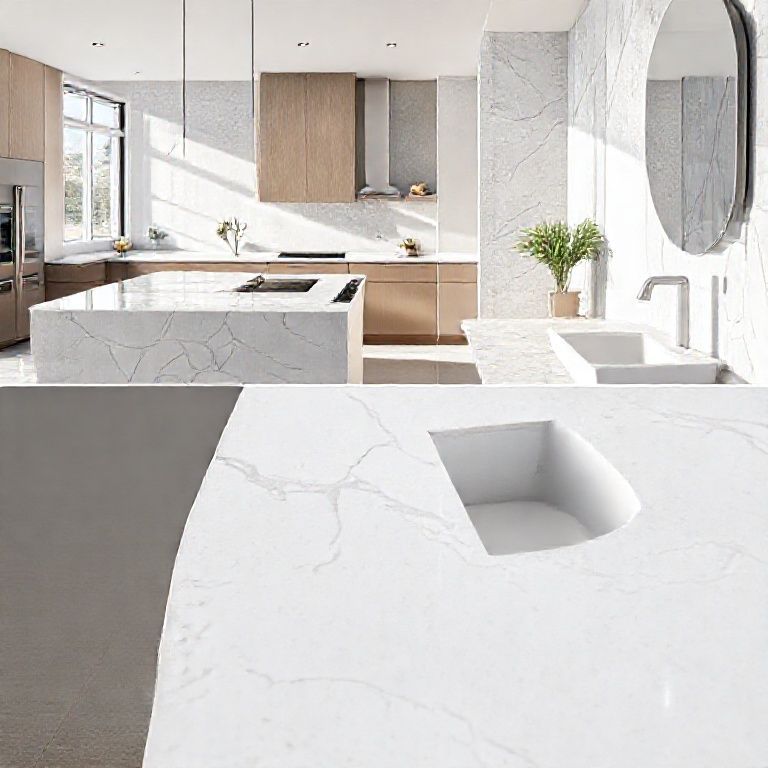
Customization: Because slabs are made from a single piece of stone, they can be tailored to fit any countertop design, providing endless customization options. You can create custom shapes, curves, and configurations to perfectly match your kitchen’s aesthetic.
Maintenance: While slab countertops do require some care to maintain their pristine appearance, they are generally low-maintenance compared to some other materials. With proper sealing and regular cleaning, they can last for many years without significant upkeep.
Challenges of Slab Countertops
Cost: Due to their high quality and natural material, slab countertops can be more expensive than other options. The cost varies depending on the type of stone and the complexity of the design.
Weight: Slabs are significantly heavier than other countertop materials, which can make installation more challenging and require additional support in some cases.
Availability: Sourcing the right slab can sometimes be difficult, especially for unique or rare stone types. It’s essential to work with a reputable supplier to ensure you get a high-quality piece.
Quartz Countertops
Quartz countertops are engineered stone products made from a combination of 90% quartz powder and 10% binder. This mixture is combined, molded, and then cured to create a solid, durable surface.
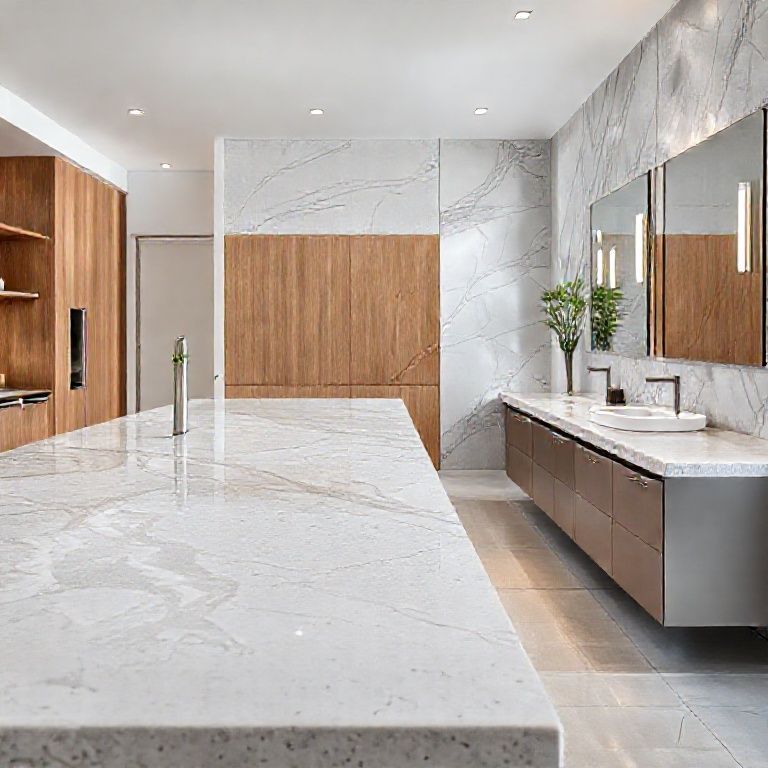
Advantages of Quartz Countertops
Affordability: Quartz countertops are generally more affordable than slab countertops. The manufacturing process allows for consistent quality at a lower cost, making them an accessible option for most budgets.
Low Maintenance: Quartz is known for its low-maintenance nature. It is resistant to stains, scratches, and heat, which means it requires minimal upkeep. A simple wipe-down with a mild soap and water solution will keep it looking pristine.
Design Versatility: Quartz offers a wide range of colors, patterns, and finishes, allowing for virtually limitless design possibilities. Whether you want a sleek, modern look or a traditional, classic appearance, there’s a quartz option to suit your style.
Weight and Installation: Unlike slab countertops, quartz is lightweight and easy to install. This makes it a convenient choice for DIY projects and reduces the need for extensive support structures.
Challenges of Quartz Countertops
Aesthetic Authenticity: While quartz can mimic the look of natural stone, it does not offer the same unique veining and color variations found in slab countertops. This can be a drawback for those seeking a truly natural appearance.
Heat Resistance: While quartz is highly resistant to heat, it can still crack if exposed to extremely high temperatures. Therefore, it’s important to use heat-resistant pads under cookware to prevent damage.
Conclusion to Part 1
In summary, slab and quartz countertops each offer unique advantages and come with their own set of challenges. Slab countertops provide unmatched beauty and durability, making them an excellent choice for those looking for a high-end, long-lasting material. On the other hand, quartz countertops offer affordability, low maintenance, and design versatility, making them a popular choice for many homeowners and contractors.
The next part of this guide will delve deeper into the specific applications, installation processes, and maintenance tips for both slab and quartz countertops to help you make the best decision for your next renovation project.
Applications, Installation, and Maintenance
Applications of Slab Countertops
Slab countertops are highly versatile and can be used in various settings beyond just kitchens and bathrooms. Here are some common applications:
Kitchens: The durability and aesthetic appeal of slab countertops make them a popular choice for kitchen countertops. They can withstand the daily wear and tear of cooking, cleaning, and food preparation.
Dining Rooms: Slab countertops can also be used in dining rooms to create elegant dining tables or island stations. The natural beauty of the stone adds a touch of luxury and sophistication.
Bathrooms: While less common than quartz, high-quality slab countertops can be used in bathrooms for vanities and sinks. Their resistance to moisture makes them a practical choice for wet areas.
Installation of Slab Countertops
Installing slab countertops requires careful planning and execution:
Preparation: Before installation, the surface where the slab will be placed must be perfectly level and smooth. Any imperfections can affect the final appearance of the countertop.
Support: Due to their weight, slabs often require additional support, such as a thick wooden frame or specialized countertop brackets. This ensures that the countertop remains stable and secure.
Sealing: Once installed, slab countertops should be sealed to protect the stone from stains and scratches. Regular resealing is recommended to maintain their appearance and durability.
Maintenance of Slab Countertops
Maintaining slab countertops is relatively straightforward but requires some attention:
Cleaning: Use a mild soap and water solution to clean the surface. Avoid using abrasive cleaners or scrubbers, as they can scratch the stone.
Sealing: Periodically reseal the countertop to maintain its protective barrier. The frequency of resealing depends on the type of stone and the level of use.
Avoiding Damage: Use cutting boards and hot pads to protect the surface from sharp objects and high heat. This prevents scratches and thermal damage.
Applications of Quartz Countertops
Quartz countertops are incredibly versatile and can be used in a variety of settings:
Kitchens: Quartz is a top choice for kitchen countertops due to its durability, low maintenance, and wide range of design options. It can withstand the rigors of cooking and cleaning.
Dining Rooms: Quartz countertops can add a modern and stylish touch to dining rooms, whether used for tables, island stations, or built-in surfaces.
Bathrooms: Quartz vanities and sinks offer a sleek, low-maintenance option for bathroom remodeling. Their resistance to moisture makes them ideal for wet areas.
Installation of Quartz Countertops
Installing quartz countertops is relatively straightforward:
Preparation: The surface must be level and smooth. Any imperfections can be addressed with proper preparation techniques.
Support: Quartz countertops are lightweight, so they generally do not require additional support. However, it’s important to ensure a secure installation to prevent any movement.
Adhesion: Quartz countertops are typically adhered to the surface using a strong adhesive. Proper surface preparation and adherence are crucial for a long-lasting installation.
Maintenance of Quartz Countertops
Maintaining quartz countertops is simple and requires minimal effort:
Cleaning: Use a mild soap and water solution to clean the surface. Avoid using acidic cleaners, as they can etch the quartz.
Avoiding Damage: While quartz is highly durable, it’s important to use cutting boards and hot pads to prevent scratches and thermal damage. This ensures the countertop remains pristine and beautiful.
Conclusion to Part 2
Understanding the specific applications, installation processes, and maintenance tips for slab and quartz countertops can help you make an informed decision based on your needs and preferences. Slab countertops offer unmatched beauty and durability, making them ideal for those seeking a high-end, long-lasting material. Quartz countertops, on the other hand, provide affordability, low maintenance, and design versatility, making them a popular choice for many homeowners and contractors.
By considering these factors, you can choose the perfect countertop material that not only enhances the aesthetic appeal of your space but also provides the durability and functionality you need for years to come. Whether you opt for the timeless elegance of slab or the modern convenience of quartz, both materials offer unique benefits that cater to a wide range of design and practical requirements.
This detailed comparison provides a comprehensive overview of the differences between slab and quartz countertops, helping you make an informed decision for your next renovation当然,继续深入探讨这两种材料,我们可以从更多的角度来看它们的特点和适用性。
环保与健康
Slab Countertops (石板橱柜台面) 天然材料:石板橱柜台面由天然石材制成,不含有害化学物质,对人体无害。 环保性:作为天然材料,石板对环境的影响较小,但其开采和运输过程中可能会对生态环境造成一定影响。 Quartz Countertops (石英石橱柜台面) 无有害化学物质:石英石由90%以上的纯天然石英粉制成,不含甲醛和其他有害化学物质,对人体健康非常友好。
环保性:虽然石英石制造过程中会使用一些化学粘合剂,但这些粘合剂已经经过严格测试,确保其对环境和健康无害。
耐用性与维护
Slab Countertops (石板橱柜台面) 耐用性:石板橱柜台面非常耐用,尤其是像大理石和花岗岩这样的高品质石材,经久耐用,但需要特别的护理。 维护:由于石板是天然材料,容易受到酸性物质、酯类清洁剂和高温的影响。需要定期密封和保养,以防止划痕和色泽变化。
Quartz Countertops (石英石橱柜台面) 耐用性:石英石橱柜台面非常耐用,抗污渍、抗刮擦和抗热,能够承受高温和重度使用。 维护:石英石的维护非常简单,只需用中性清洁剂和水进行清洁,无需特别的密封处理。它的表面非常光滑,污渍很难渗入,只需轻轻擦拭即可保持光亮如新。
设计与定制
Slab Countertops (石板橱柜台面) 设计灵活性:由于是天然石材,每块石板都是独一无二的,可以根据设计师的需求进行弯曲、曲面等特殊处理,实现高度的定制化设计。 颜色和纹理:石板的天然纹理和颜色变化非常多样,能够满足各种设计风格的需求,从传统到现代都可以找到合适的石材。
Quartz Countertops (石英石橱柜台面) 设计灵活性:石英石可以通过模压和搪瓷技术制造出各种颜色和纹理,几乎可以模拟任何自然石材的外观,甚至可以创造出不存在于自然界的独特效果。 定制化:石英石的设计和定制性非常强,可以根据客户的需求进行各种图案和颜色的组合,实现高度的个性化设计。
成本与价值
Slab Countertops (石板橱柜台面) 价格范围:石板橱柜台面的价格较高,尤其是稀有或高品质的天然石材。价格因材料、颜色、纹理和工艺而异,从几百美元到数千美元不等。 投资价值:石板橱柜台面具有一定的投资价值,随着时间推移,优质的天然石材可能会增值。
Quartz Countertops (石英石橱柜台面) 价格范围:石英石橱柜台面的价格相对较为亲民,通常在几十美元到几百美元之间。尽管如此,其高性价比和耐用性使其成为大多数消费者的首选。 投资价值:石英石的耐用性和低维护成本使其在长期使用中具有较高的投资价值,但由于其主要特点在于性价比,其升值潜力相对较低。
总结
选择石板橱柜台面或石英石橱柜台面主要取决于个人需求和偏好。如果你追求天然材料的独特美感和经典永恒,同时能够承担其较高的价格和维护成本,那么石板橱柜台面是一个理想的选择。如果你更看重性价比、耐用性和易于维护,那么石英石橱柜台面将是一个更为实用和经济的选择。
无论你选择哪一种材料,都能为你的家居环境增添独特的美感和实用性。