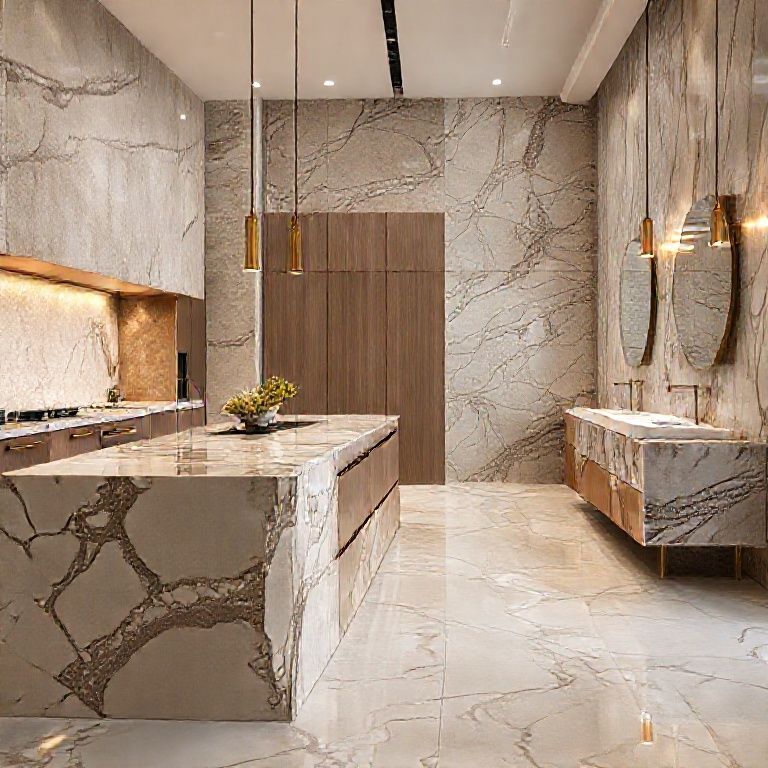
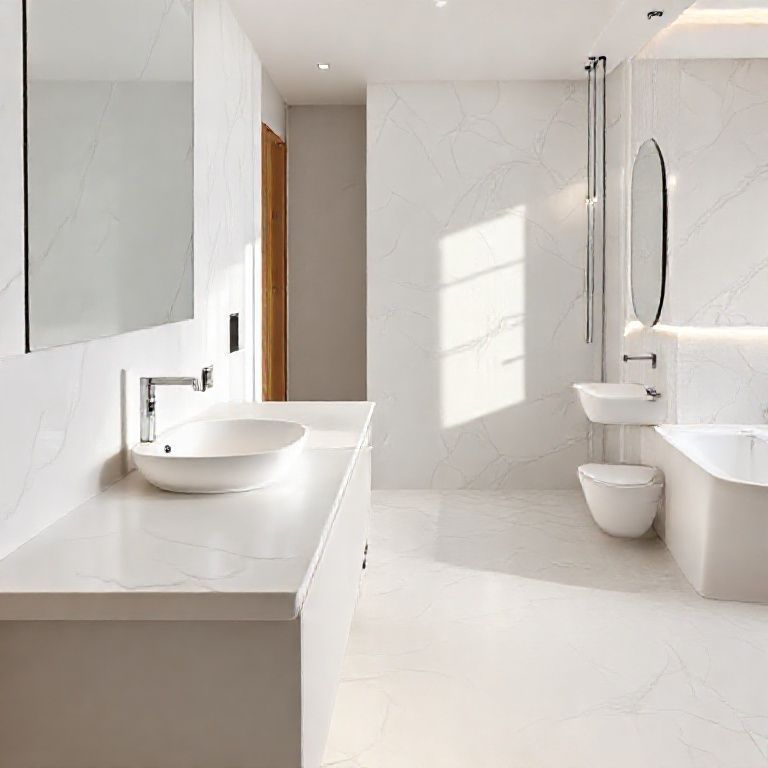
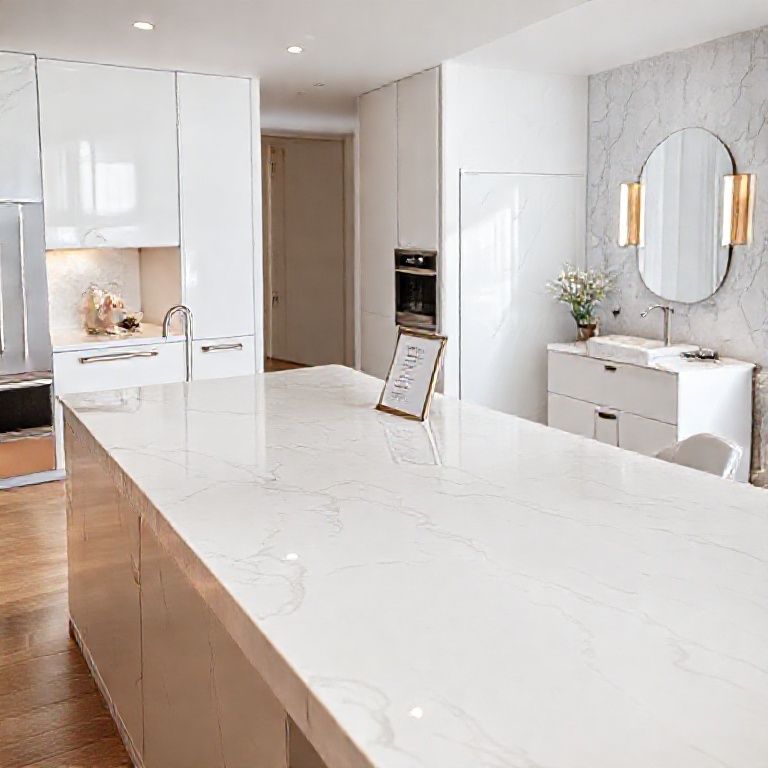
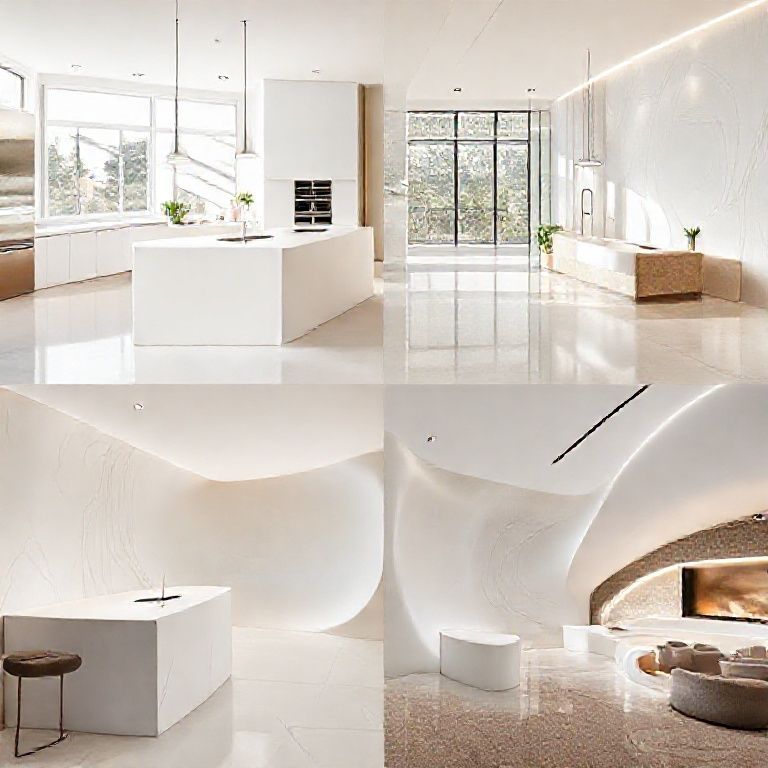
${part1} In the world of interior design and renovation, marble stands out as one of the most coveted materials for its timeless elegance and luxurious appeal. When it comes to installing marble, one of the most popular techniques is the dry-lay method. This article delves into the intricacies of dry-lay marble, focusing on its cost, benefits, and installation tips to help you make an informed decision for your next project.

Understanding Dry-Lay Marble
Dry-lay marble is a method of installation that involves setting marble tiles or slabs without the use of adhesive. Instead, marble pieces are placed directly onto a base surface, held in place by a specialized membrane or grid system that prevents movement and ensures stability. This technique has gained popularity due to its aesthetic appeal and ease of installation.
Cost of Dry-Lay Marble
When considering the cost of dry-lay marble, several factors come into play. These include the type of marble, the size of the area being covered, the complexity of the design, and the labor involved in the installation process. On average, the cost of dry-lay marble can range from $10 to $50 per square foot, depending on the aforementioned factors.
Type of Marble: The cost of marble varies significantly based on its type. High-end marbles like Carrara or Italian marble tend to be more expensive, often ranging from $30 to $50 per square foot. In contrast, more affordable options such as Tennessee or Indiana marble might cost around $10 to $20 per square foot.
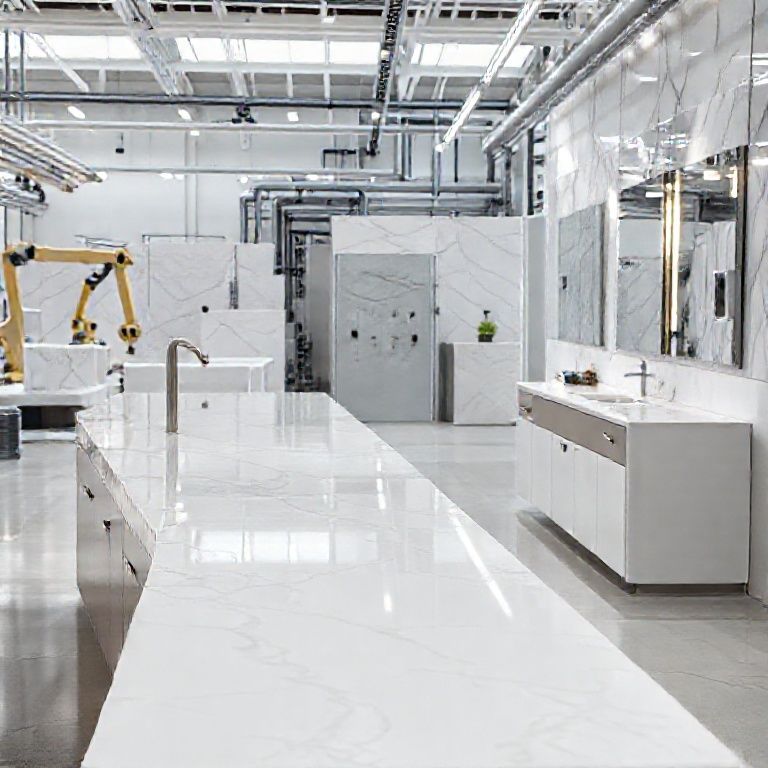
Area Size: The larger the area, the more material and labor you will require, which directly affects the cost. For instance, a small bathroom might cost less than a large living room or kitchen.
Design Complexity: Custom designs or intricate patterns can add to the overall cost. These designs require more time and expertise, which translates into higher labor charges.
Labor Costs: Skilled labor is essential for a successful dry-lay marble installation. Professional installers can charge between $15 to $35 per hour. The total labor cost will depend on the complexity and size of the project.
Benefits of Dry-Lay Marble
One of the primary reasons for the popularity of the dry-lay method is its numerous benefits. Here are some key advantages:
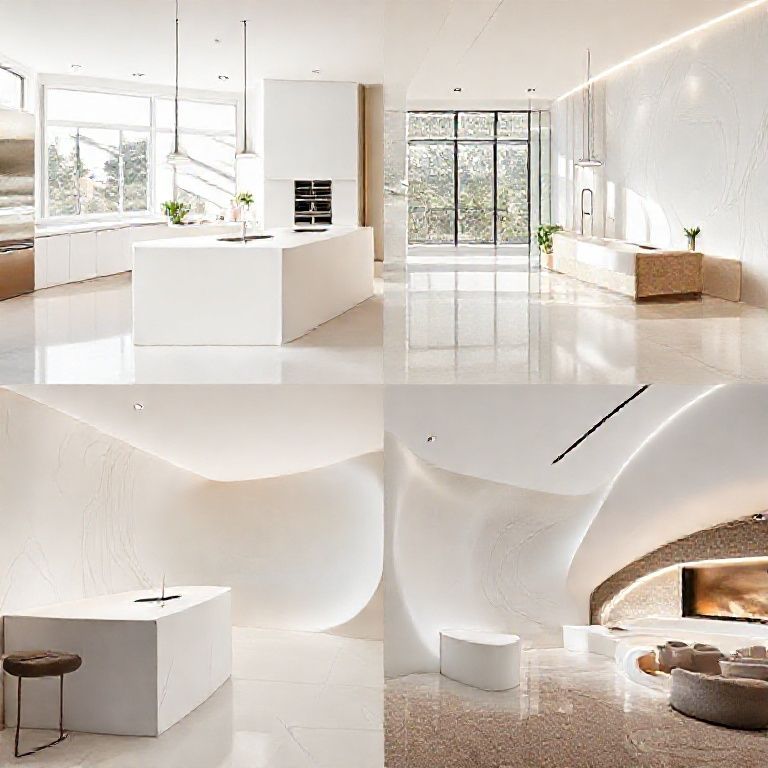
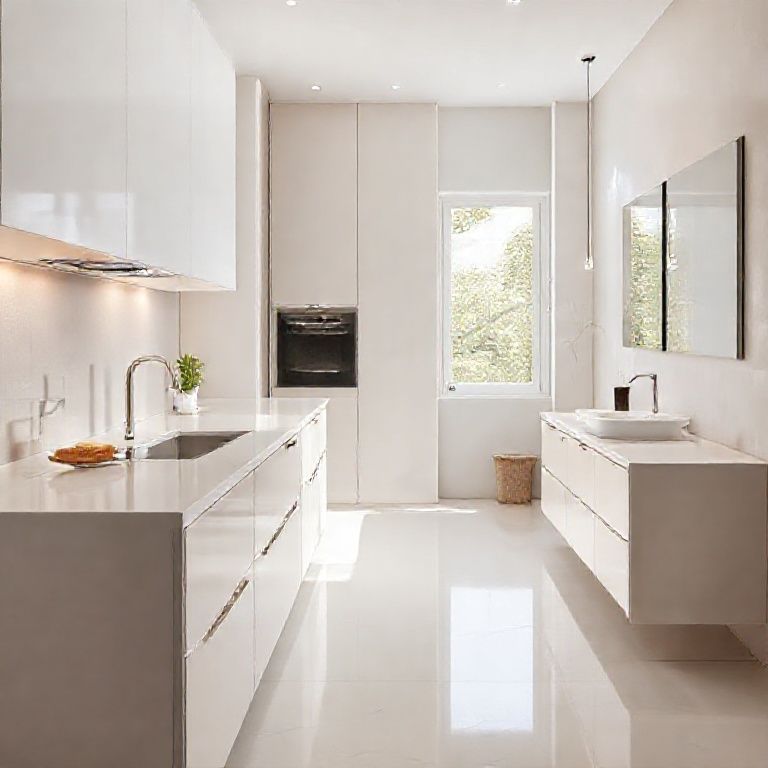
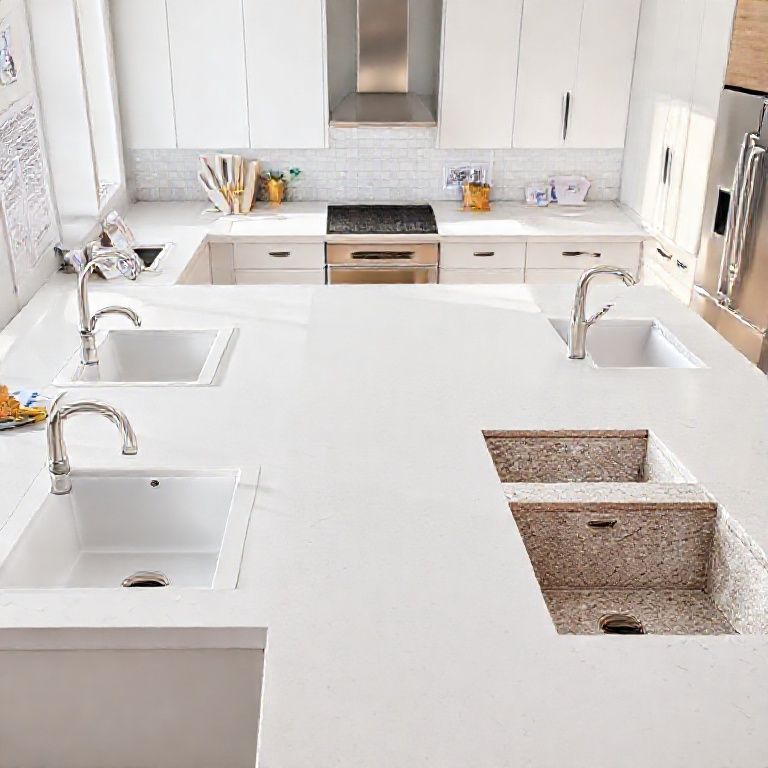
Aesthetic Appeal: Dry-lay marble offers a clean, minimalist look that highlights the natural beauty of the marble. Without adhesive lines, the marble pieces appear to float seamlessly, creating an elegant and cohesive finish.
Ease of Installation: Unlike traditional adhesive methods, dry-lay marble is easier to install, especially for DIY enthusiasts. The process involves placing the marble pieces onto a base and securing them with a grid system, which is straightforward and does not require extensive skills.
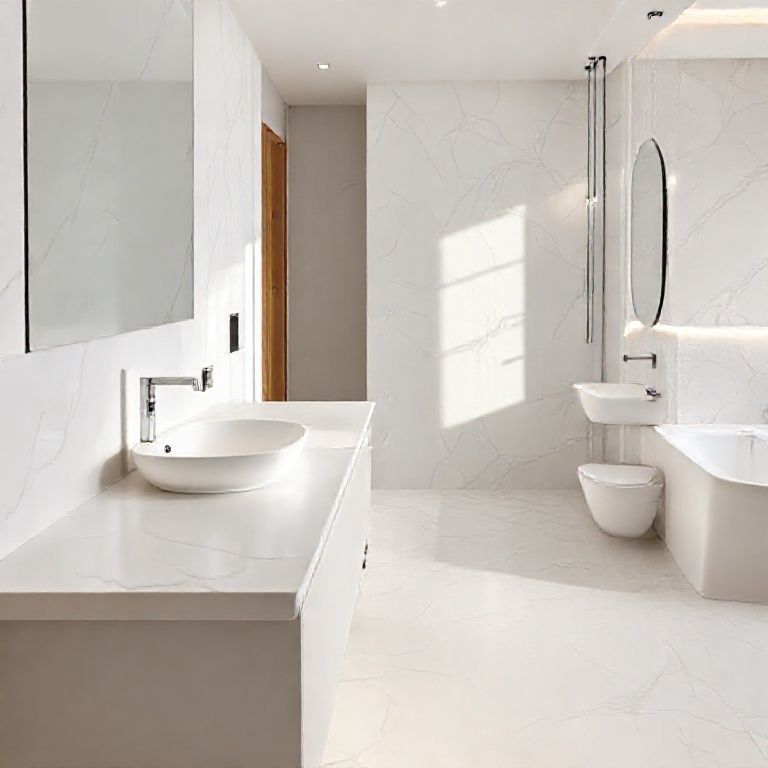
Flexibility: Dry-lay marble allows for easier adjustments and repairs. If a piece needs to be replaced or moved, it can be done without damaging the surrounding tiles. This flexibility is particularly advantageous for large installations where changes might be necessary.
Reduced Mess: Traditional adhesive methods can be messy, requiring time and effort to clean up. Dry-laying minimizes mess and makes the overall installation process cleaner and more efficient.
Installation Tips for Dry-Lay Marble
To achieve a flawless dry-lay marble installation, follow these essential tips:
Preparation: Proper preparation is crucial for a successful installation. Ensure the base surface is clean, level, and free of any imperfections. Use a level to check the surface and make necessary adjustments before placing the marble.
Choosing the Right Membrane: Select a high-quality membrane or grid system that suits your project. The membrane should be flexible, durable, and designed to hold the marble in place without causing damage.
Spacing: Use spacers to maintain consistent gaps between the marble pieces. This ensures a uniform appearance and helps prevent movement during installation.
Dry-Lay Technique: Start from the center and work your way outwards. This approach helps ensure that the marble pieces are evenly distributed and reduces the risk of errors.
Final Inspection: Once the installation is complete, perform a thorough inspection to check for any gaps, uneven surfaces, or misalignments. Make necessary adjustments to achieve a perfect finish.
Conclusion
Dry-lay marble is an excellent choice for those looking to enhance their space with a luxurious and elegant finish. Understanding the cost, benefits, and installation techniques can help you make an informed decision and achieve a stunning result. Whether you are a DIY enthusiast or planning a professional installation, dry-lay marble offers a versatile and aesthetically pleasing option that can elevate any interior space.
Stay tuned for part 2, where we will dive deeper into advanced techniques, maintenance tips, and additional cost considerations for dry-lay marble installations.
${part2} In the previous part of our guide, we covered the basics of dry-lay marble, including cost, benefits, and installation tips. Now, let’s delve deeper into advanced techniques, maintenance tips, and additional cost considerations to ensure your marble installation is not only beautiful but also durable and long-lasting.
Advanced Techniques for Dry-Lay Marble Installation
To achieve a professional-grade finish, consider these advanced techniques for dry-lay marble installation:
Custom Grid Systems: For intricate designs or large installations, custom grid systems can provide the precision needed. These systems allow for complex patterns and layouts, ensuring a flawless and professional finish.
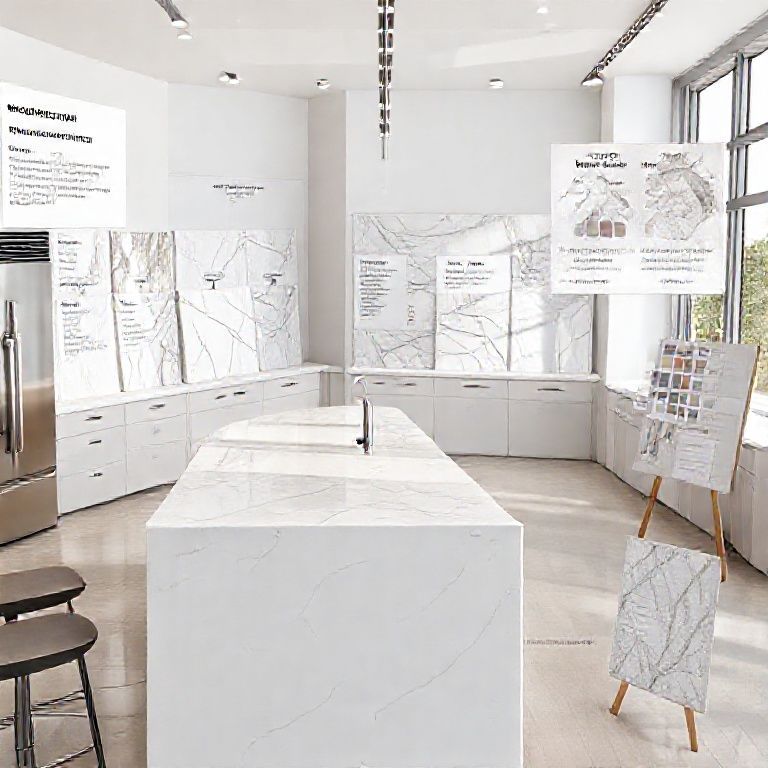
Color Matching: Achieving perfect color matching can be challenging, especially for large installations. To ensure uniformity, use a color-matching guide or consult with a professional to select marble pieces that blend seamlessly.
Edge Finishing: The edges of your marble installation are crucial for a polished look. Use specialized edge trims or profiles to create clean and professional-looking edges. These can also help protect the edges from damage.
Transition Pieces: When transitioning between different types of flooring or materials, use transition pieces to create a seamless look. These pieces help hide any gaps and maintain the aesthetic appeal of your marble installation.
Maintenance Tips for Dry-Lay Marble
Proper maintenance is essential to ensure the longevity and beauty of your marble installation. Here are some expert tips to keep your marble looking pristine:
Regular Cleaning: Clean your marble regularly using a pH-neutral marble cleaner. Avoid using harsh chemicals that can damage the surface. A soft cloth or microfiber mop is ideal for maintaining the marble’s shine.
Acid-Proof Sealer: Applying an acid-proof sealer can protect your marble from stains and spills. This sealant forms a protective barrier that prevents acids in foods and drinks from etching the marble surface.
Immediate Spill Cleanup: Clean up spills immediately, especially acidic ones like juice, wine, or vinegar. These can cause permanent stains if not addressed promptly. Use a mild cleaner to remove the spill without damaging the marble.
Avoiding Heavy Objects: To prevent scratches and damage, avoid placing heavy objects directly on your marble surface. Use coasters, trivets, and pads to protect the marble from direct impact.
Professional Maintenance Services: For high-traffic areas or valuable installations, consider hiring professional maintenance services. They have the expertise and equipment to clean and maintain your marble without causing damage.
Additional Cost Considerations
When planning your dry-lay marble project, it’s important to consider additional costs that might affect the overall budget:
Custom Fabrication: If you require custom marble pieces or intricate designs, additional fabrication costs will apply. Professional fabricators can create custom slabs, edges, or patterns to meet your specific needs.
Transportation and Delivery: Depending on the location and size of the marble, transportation and delivery costs can add to the overall expense. Plan for these costs, especially for large installations or remote locations.
Removal and Disposal: When removing old flooring or tiles, consider the costs associated with proper removal and disposal. This might include hiring a professional to handle the process and ensure compliance with local regulations.
Warranties and Guarantees: Check for warranties or guarantees offered by the marble supplier or installer. These can provide peace of mind and protect against potential issues down the line.
Conclusion
Mastering the art of dry-lay marble installation involves understanding advanced techniques, implementing proper maintenance, and considering additional costs. By following these expert tips and guidelines, you can achieve a stunning, long-lasting marble finish that enhances the beauty and value of your space. Whether you are undertaking a small project or a large-scale renovation, the knowledge and strategies provided in this guide will help you succeed.
${part2}
In the previous part of our guide, we covered the basics of dry-lay marble, including cost, benefits, and installation tips. Now, let’s delve deeper into advanced techniques, maintenance tips, and additional cost considerations to ensure your marble installation is not only beautiful but also durable and long-lasting.
Advanced Techniques for Dry-Lay Marble Installation
To achieve a professional-grade finish, consider these advanced techniques for dry-lay marble installation:
Custom Grid Systems: For intricate designs or large installations, custom grid systems can provide the precision needed. These systems allow for complex patterns and layouts, ensuring a flawless and professional finish.
Color Matching: Achieving perfect color matching can be challenging, especially for large installations. To ensure uniformity, use a color-matching guide or consult with a professional to select marble pieces that blend seamlessly.
Edge Finishing: The edges of your marble installation are crucial for a polished look. Use specialized edge trims or profiles to create clean and professional-looking edges. These can also help protect the edges from damage.
Transition Pieces: When transitioning between different types of flooring or materials, use transition pieces to create a seamless look. These pieces help hide any gaps and maintain the aesthetic appeal of your marble installation.
Precision Cutting: For custom shapes or intricate designs, precision cutting is essential. Use high-quality saws and templates to ensure that each piece fits perfectly without waste.
Maintenance Tips for Dry-Lay Marble
Proper maintenance is essential to ensure the longevity and beauty of your marble installation. Here are some expert tips to keep your marble looking pristine:
Regular Cleaning: Clean your marble regularly using a pH-neutral marble cleaner. Avoid using harsh chemicals that can damage the surface. A soft cloth or microfiber mop is ideal for maintaining the marble’s shine.
Acid-Proof Sealer: Applying an acid-proof sealer can protect your marble from stains and spills. This sealant forms a protective barrier that prevents acids in foods and drinks from etching the marble surface.
Immediate Spill Cleanup: Clean up spills immediately, especially acidic ones like juice, wine, or vinegar. These can cause permanent stains if not addressed promptly. Use a mild cleaner to remove the spill without damaging the marble.
Avoiding Heavy Objects: To prevent scratches and damage, avoid placing heavy objects directly on your marble surface. Use coasters, trivets, and pads to protect the marble from direct impact.
Professional Maintenance Services: For high-traffic areas or valuable installations, consider hiring professional maintenance services. They have the expertise and equipment to clean and maintain your marble without causing damage.
Additional Cost Considerations
When planning your dry-lay marble project, it’s important to consider additional costs that might affect the overall budget:
Custom Fabrication: If you require custom marble pieces or intricate designs, additional fabrication costs will apply. Professional fabricators can create custom slabs, edges, or patterns to meet your specific needs.
Transportation and Delivery: Depending on the location and size of the marble, transportation and delivery costs can add to the overall expense. Plan for these costs, especially for large installations or remote locations.
Removal and Disposal: When removing old flooring or tiles, consider the costs associated with proper removal and disposal. This might include hiring a professional to handle the process and ensure compliance with local regulations.
Warranties and Guarantees: Check for warranties or guarantees offered by the marble supplier or installer. These can provide peace of mind and protect against potential issues down the line.
Conclusion
Mastering the art of dry-lay marble installation involves understanding advanced techniques, implementing proper maintenance, and considering additional costs. By following these expert tips and guidelines, you can achieve a stunning, long-lasting marble finish that enhances the beauty and value of your space. Whether you are undertaking a small project or a large-scale renovation, the knowledge and strategies provided in this guide will help you succeed.
For any further questions or to get started on your marble installation project, feel free to reach out to our team of experts. We are here to provide you with the support and guidance you need to achieve the perfect marble finish.
We hope this comprehensive guide has equipped you with the information you need to make informed decisions about your dry-lay marble project. With careful planning, proper installation techniques, and diligent maintenance, your marble installation will be a beautiful and enduring feature in your space. Happy installing!