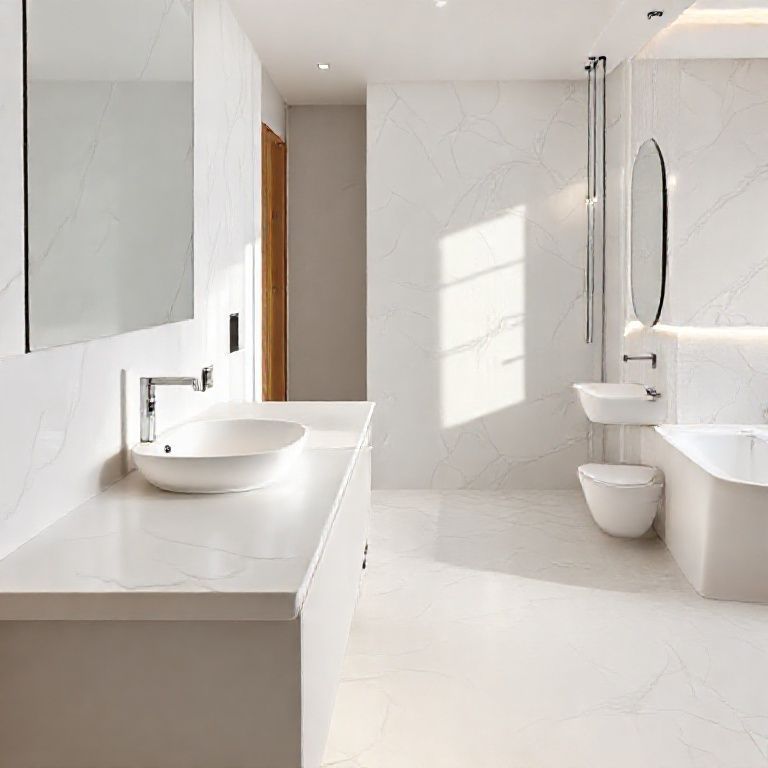
Understanding Dry-Mounted Marble: Composition and Key Components
Dry-mounted marble has emerged as a quintessential choice for luxury interior design, admired for its timeless elegance and superior aesthetic appeal. This part of our article will delve into the intricate composition of dry-mounted marble and the key components that define its quality and cost.
The Essence of Dry-Mounted Marble
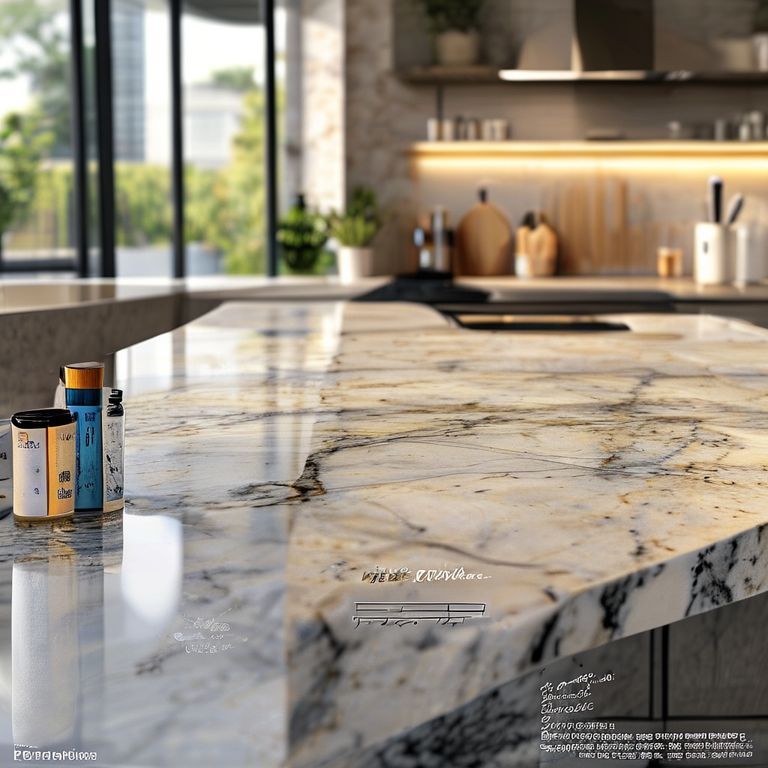
Dry-mounted marble, also known as floating marble, is a sophisticated technique where marble slabs are installed without the use of adhesives or grout. Instead, the slabs are held together by specialized mechanical fasteners, creating a clean and seamless finish. This method offers unparalleled flexibility and precision, allowing for intricate designs that would be impossible with traditional methods.
Core Composition of Dry-Mounted Marble
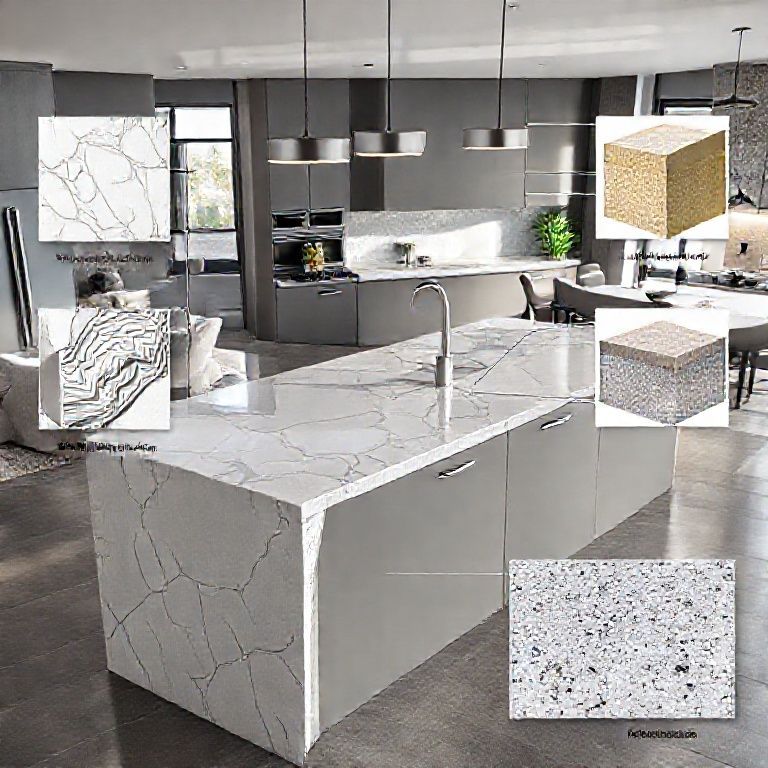
Marble Slabs: The primary material in dry-mounted marble installations is the marble slab itself. Marble is a metamorphic rock composed primarily of calcium carbonate (CaCO3), which is formed through the intense pressure and heat that transform limestone or dolomite. The most sought-after marble types include: Travertine: Known for its natural, often veined patterns. Carrara Marble: Renowned for its pure white color and high translucency. Emperor Marble: Famous for its dark, luxurious hues. Onyx Marble: Characterized by its banded patterns and rich colors. Mechanical Fasteners: Dry-mounted installations rely on high-quality mechanical fasteners to secure the marble slabs. These fasteners are typically made from stainless steel or other corrosion-resistant materials to ensure durability and longevity. The fasteners include: Anchors: These are placed in pre-drilled holes in the marble slabs and the underlying surface to hold the slabs in place. Spacers: Used to maintain consistent spacing between the slabs, ensuring a uniform appearance. Adjustable Clamps: Allow for minor adjustments during installation, ensuring a perfect fit. Base Surface: The type of base surface onto which the marble slabs are mounted significantly impacts the installation process and overall aesthetic. Common base surfaces include: Concrete: Often used for flooring installations. Wood: Frequently employed for countertops and tabletops. Glass: Ideal for creating stunning wall features or partitions. Metal: Used for both structural and decorative purposes.
Factors Influencing Dry-Mounted Marble Pricing
The cost of dry-mounted marble installations is influenced by several factors, including the quality and type of marble used, the complexity of the design, and the expertise of the installation team. Let’s break down these elements in more detail:
Marble Slab Quality: The quality of the marble slab is paramount in determining the overall cost. Higher quality marble, such as Carrara or Emperor, will naturally command a higher price due to its superior aesthetic appeal and durability. Additionally, the size and thickness of the slabs play a crucial role; larger and thicker slabs often require more labor and materials.
Design Complexity: The intricacy of the design and the number of slabs involved directly impact the cost. Complex designs with numerous curves, intricate patterns, or irregular shapes require more time and skill to install, leading to higher labor costs. Custom-cut slabs or those with unique finishes also add to the overall expense.
Installation Expertise: The proficiency of the installation team is another significant factor. Experienced professionals who specialize in dry-mounted installations can execute the project more efficiently and accurately, thereby reducing labor costs and ensuring a flawless finish. The reputation and expertise of the installation company also influence pricing.
Mechanical Fasteners: The type and quality of mechanical fasteners used also affect the cost. High-quality, corrosion-resistant fasteners that offer durability and precision are typically more expensive but are essential for the longevity and aesthetic of the installation.
Transportation and Handling: The cost of transporting and handling marble slabs, especially if they are large or heavy, can add to the overall price. Factors such as distance, handling requirements, and any potential damage during transit must be considered.
Labor Costs: The labor cost is one of the most significant components of the overall price. Skilled labor is essential for the precision and quality of a dry-mounted installation, and rates can vary depending on the region and the complexity of the project.
Conclusion
Understanding the composition and pricing dynamics of dry-mounted marble is crucial for anyone looking to incorporate this luxurious material into their interior design projects. By appreciating the intricate details and factors that influence its cost, you can make informed decisions that balance quality and budget.
In the next part of our guide, we will explore the advantages of dry-mounted marble, including its versatility, maintenance, and environmental impact, providing you with a holistic view of why this material continues to be a favorite among designers and homeowners.
The Advantages and Maintenance of Dry-Mounted Marble
Dry-mounted marble continues to captivate designers and homeowners alike with its timeless beauty and practical advantages. This part of our article will focus on the numerous benefits of dry-mounted marble, including its versatility, durability, low maintenance requirements, and environmental impact.
Versatility and Design Flexibility
One of the standout advantages of dry-mounted marble is its unparalleled versatility. This installation method allows for a wide range of design possibilities, from simple, elegant surfaces to intricate, detailed patterns. Here’s how dry-mounted marble excels in versatility:
Customizable Designs: Dry-mounted marble can be used to create custom designs that are not possible with traditional adhesive-based installations. The lack of grout lines and the ability to precisely adjust the spacing between slabs enable the creation of unique and intricate designs. This makes it an ideal choice for bespoke projects where personalized aesthetics are paramount.
Flexible Layouts: The dry-mount technique allows for flexible layouts, making it easy to reconfigure or rearrange the marble installations without the need for demolition. This adaptability is particularly beneficial for dynamic spaces that require frequent changes or for modern, open-plan interiors.
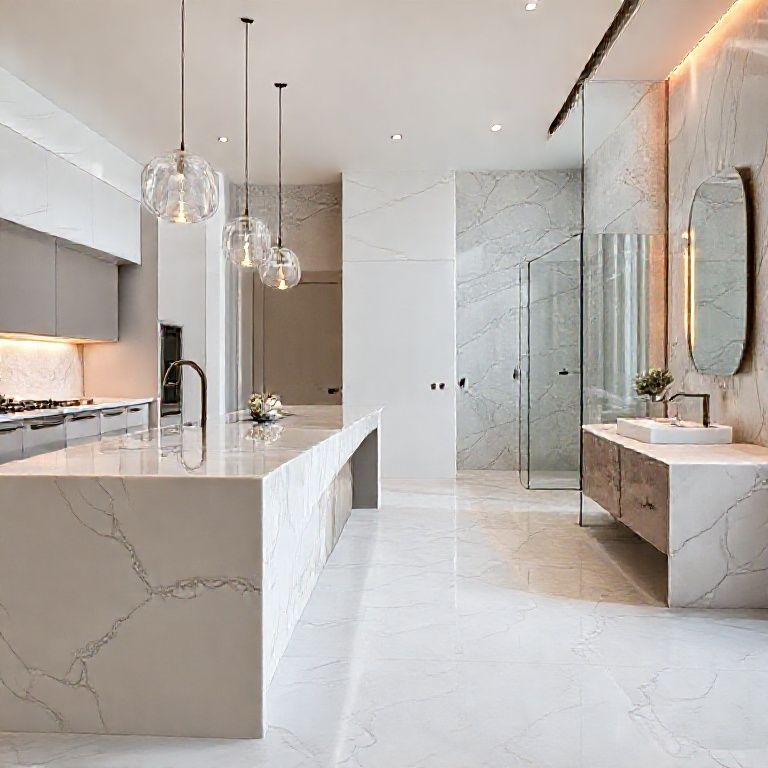
Multipurpose Applications: Dry-mounted marble is suitable for a wide range of applications, including flooring, countertops, tabletops, walls, and even staircases. Its versatility makes it a highly adaptable material that can enhance the aesthetic of any interior space.
Durability and Longevity
Dry-mounted marble is renowned for its exceptional durability and longevity, making it a wise investment for both residential and commercial projects.
High Strength: Marble is a naturally strong and hard material, capable of withstanding significant amounts of wear and tear. When installed using the dry-mount method, the marble slabs are securely fastened and protected, ensuring they remain intact and durable over time.
Resistance to Impact: The mechanical fasteners used in dry-mount installations provide added support, making the marble more resistant to impact damage. This is particularly beneficial for high-traffic areas where durability is a top priority.
Longevity: With proper maintenance, dry-mounted marble installations can last for decades, if not centuries. The absence of grout lines reduces the risk of stains and damage, contributing to the material’s longevity. The high-quality fasteners also ensure that the installation remains secure over time.
Low Maintenance Requirements
Another significant advantage of dry-mounted marble is its low maintenance requirements, which make it an attractive choice for busy households and commercial spaces.
Easy Cleaning: Dry-mounted marble surfaces are easy to clean and maintain. Unlike traditional installations where grout lines can harbor dirt and stains, dry-mounted marble installations have no grout, resulting in a cleaner and more hygienic surface. Regular cleaning with a mild pH-neutral cleaner and a soft cloth is typically sufficient to keep the marble looking pristine.
Minimal Upkeep: The absence of grout lines means there is no need for specialized grout maintenance, such as sealing or regrouting, which is often required for traditional marble installations. This simplifies the upkeep process and reduces long-term maintenance costs.
Resistance to Stains: Marble’s natural hardness and the protective nature of the dry-mount installation make it highly resistant to继续讨论关于低维护需求的优势以及环境影响,这可以帮助更好地理解为什么许多人选择使用干挂大理石材料。
低维护需求
耐污性: 干挂大理石的耐污性非常出色。由于没有缝隙和缝线,污渍和油渍很难渗透到材料内部。即使偶尔溅上一些液体,也只需简单擦拭即可,无需复杂的清洁过程。
易于清洁: 干挂大理石只需用一块软布和适量的中性清洁剂进行清洁。由于没有传统的粘合剂,它不会吸附污垢,这使得清洁变得更加简单和高效。
抗菌性: 大理石本身是一种天然石材,具有天然的抗菌特性。这意味着它不容易滋生细菌和霉菌,特别适合厨房、浴室等需要高卫生标准的区域。
环境影响
可持续性: 尽管大理石的开采过程可能会对环境造成一些影响,但通过采用干挂大理石,我们可以更有效地利用材料。干挂技术通常需要更少的边缘修整,减少了材料浪费。由于大理石是一种天然材料,它的使用寿命长,减少了更换和再生的需求。
低化学污染: 传统的湿式安装方法可能会使用大量的胶水和其他化学品,这些化学品可能会对室内空气质量产生负面影响。干挂大理石安装方法几乎不使用任何化学胶水,这不仅有利于环境,也更安全,对室内空气质量更友好。
减少运输影响: 干挂大理石的安装方法可以减少对大型机械的依赖,减少在安装过程中可能产生的噪音和污染。因此,在某些情况下,干挂安装方法可能会减少整个项目的环境影响。
结论
干挂大理石的优点不仅体现在其美观和耐用性上,更在于其低维护需求和对环境的友好。尽管大理石的开采和运输可能会对环境产生影响,但通过采用干挂安装方法,我们可以最大限度地减少这些影响,同时享受到大理石的卓越美感和功能性。这种综合考虑使得干挂大理石成为现代建筑和室内设计中的理想选择。