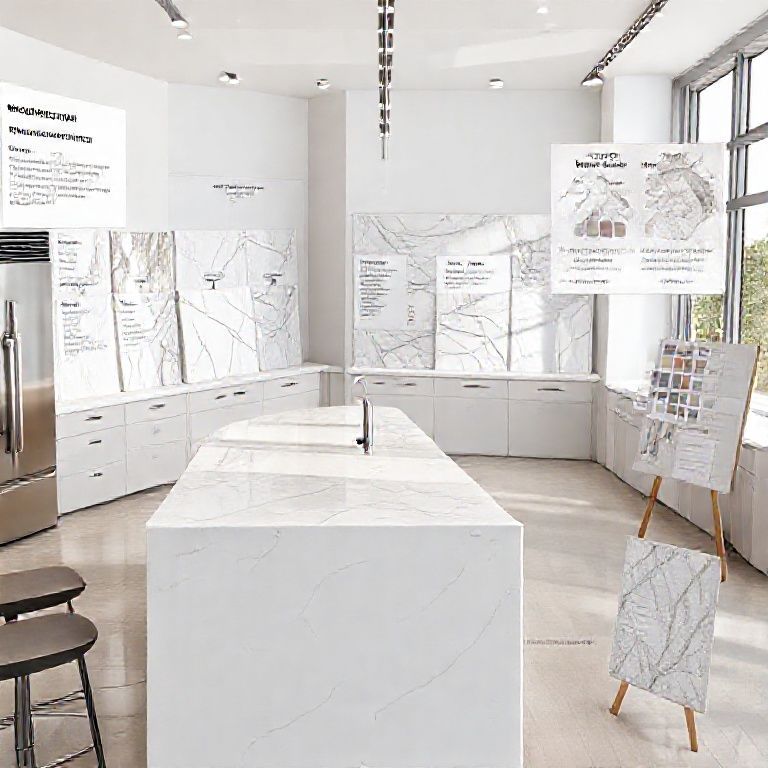
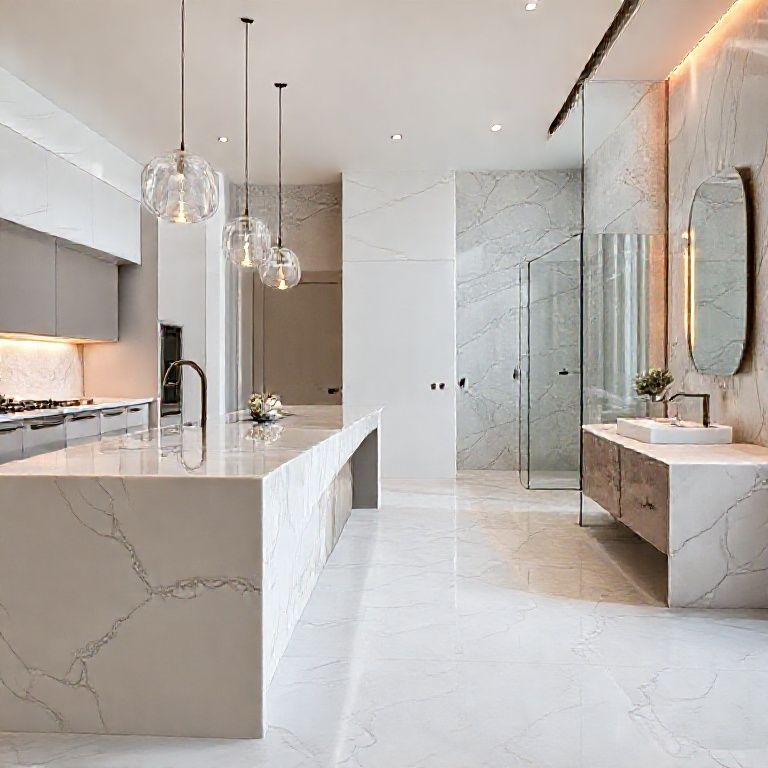
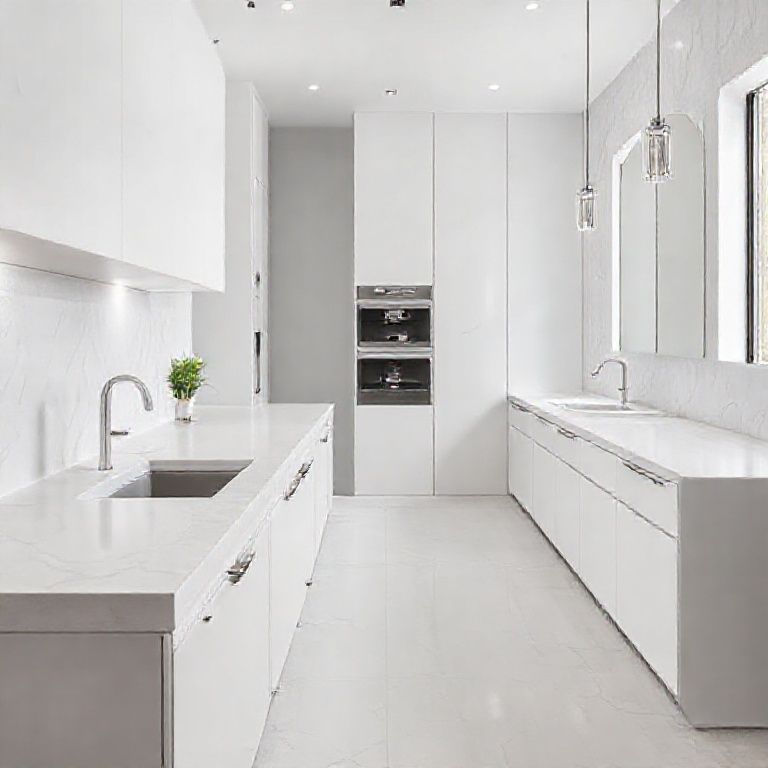
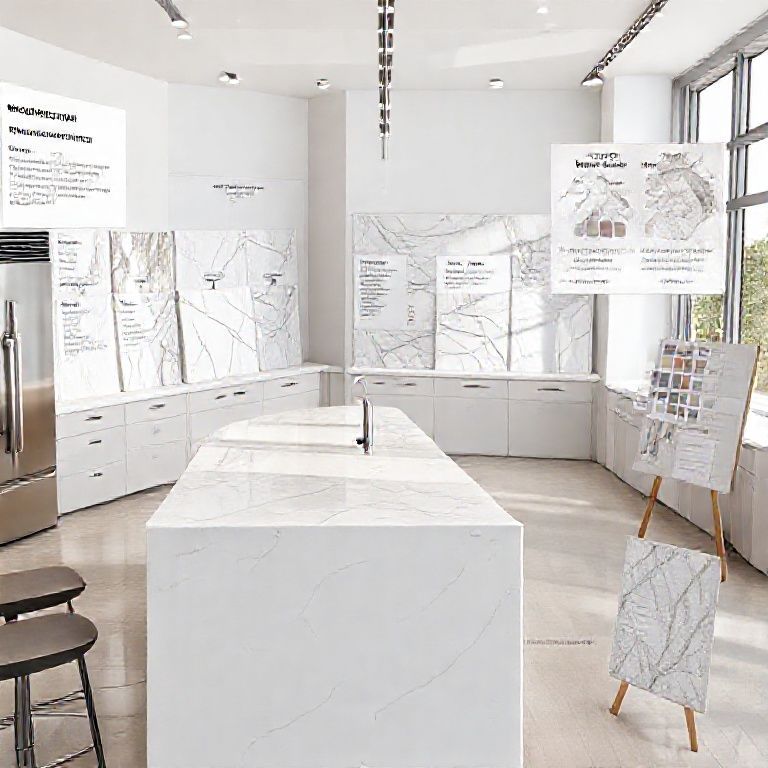
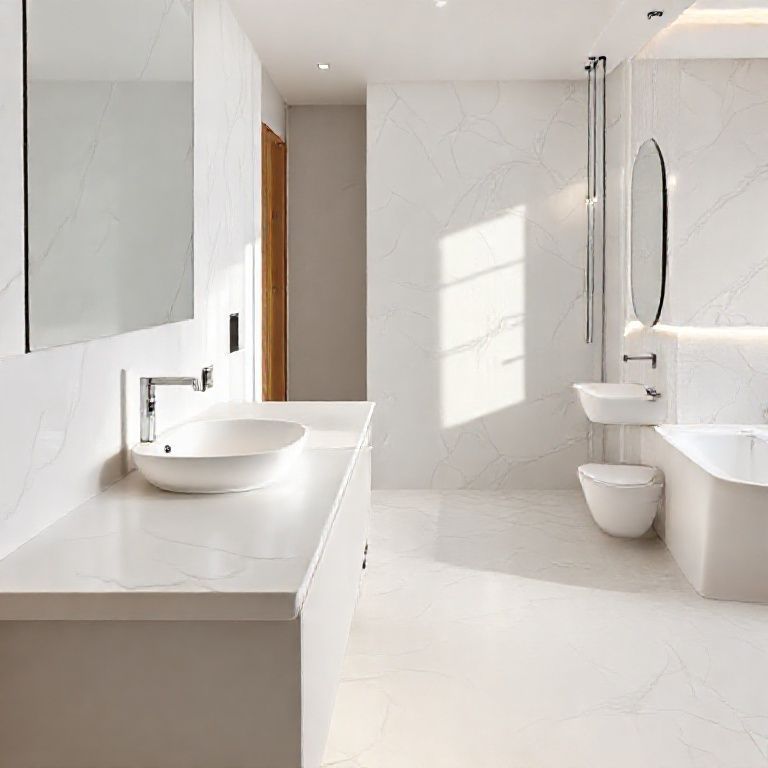
Discover the advantages and considerations of engineered marble in this comprehensive guide. We delve into its durability, aesthetics, maintenance, and overall value, helping you make an informed decision for your home renovation or commercial project. Split into two parts, this article covers everything you need to know about engineered marble in a clear and engaging manner.
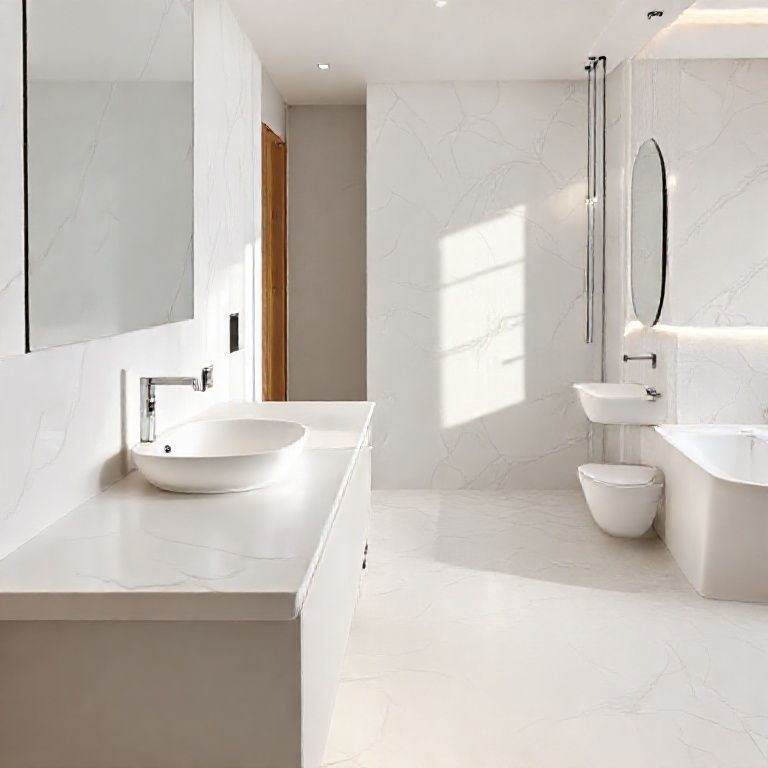
engineered marble, countertop material, durability, aesthetics, maintenance, cost-effectiveness, home renovation, kitchen design, bathroom design, luxury countertops
The Aesthetic and Functional Benefits of Engineered Marble
The Aesthetic Allure of Engineered Marble
Engineered marble, also known as synthetic or artificial marble, has revolutionized the world of interior design. Its aesthetic appeal is often compared to that of natural marble, but with several significant advantages that make it a highly desirable choice for both residential and commercial projects.
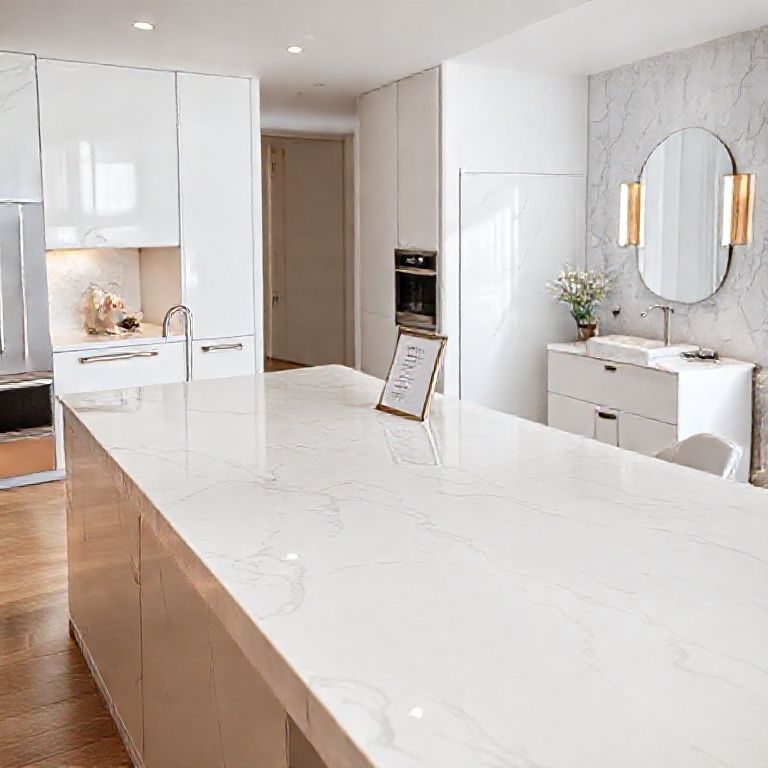
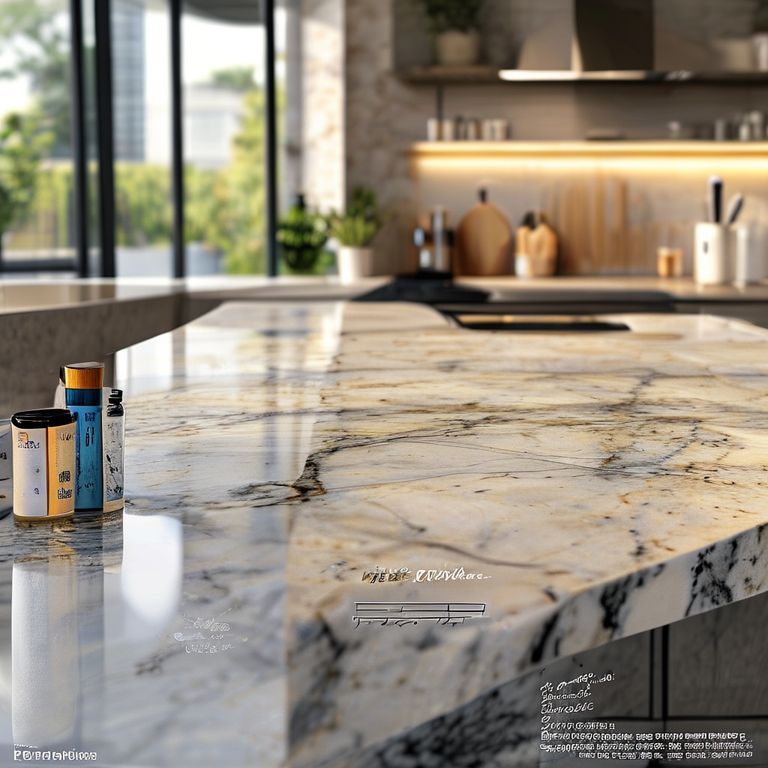
1. Unmatched Visual Appeal Engineered marble offers a stunning, natural look that can mimic the beauty of traditional marble while also providing the flexibility to create unique patterns and designs. With a wide range of colors and textures available, it allows designers to craft countertops, sinks, and other surfaces that stand out in any space. Whether you’re looking to add a touch of luxury to your kitchen or enhance the elegance of a bathroom, engineered marble provides a versatile option that can seamlessly blend with various design styles.
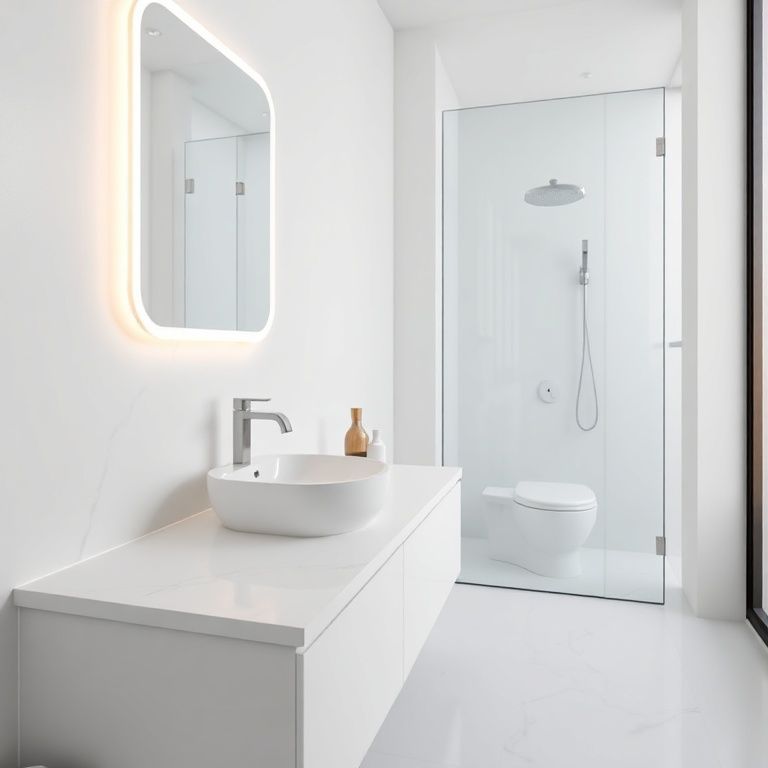
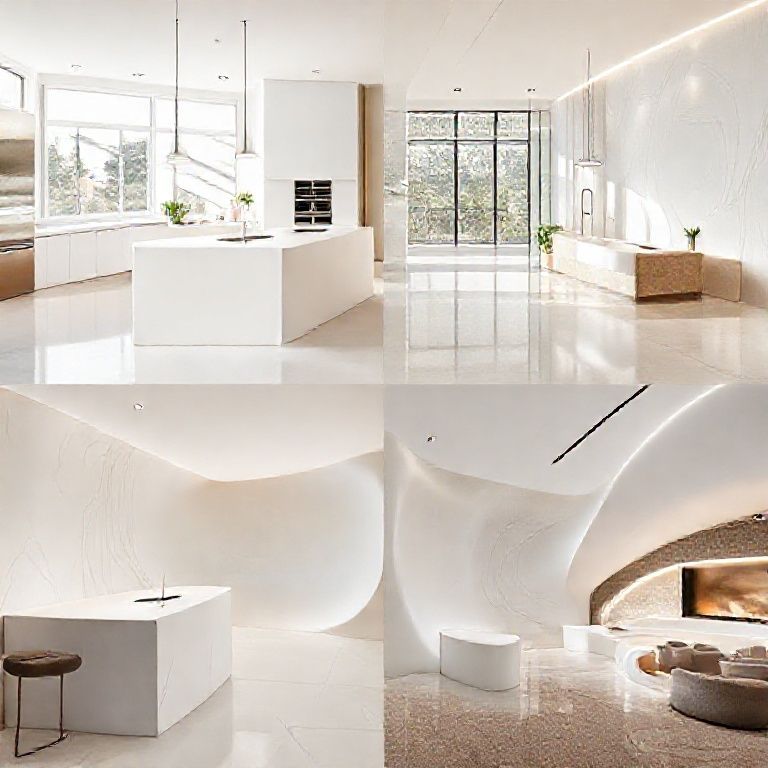
2. Customization at Its Best One of the key advantages of engineered marble is its ability to be customized to meet specific design needs. Unlike natural marble, which has a limited range of colors and patterns, engineered marble can be produced with virtually any color, grain, or finish. This means that you can create a one-of-a-kind design that perfectly complements your existing décor or meets your specific aesthetic vision. Whether you want a bold, eye-catching statement piece or a subtle, understated finish, engineered marble offers the flexibility to bring your design ideas to life.
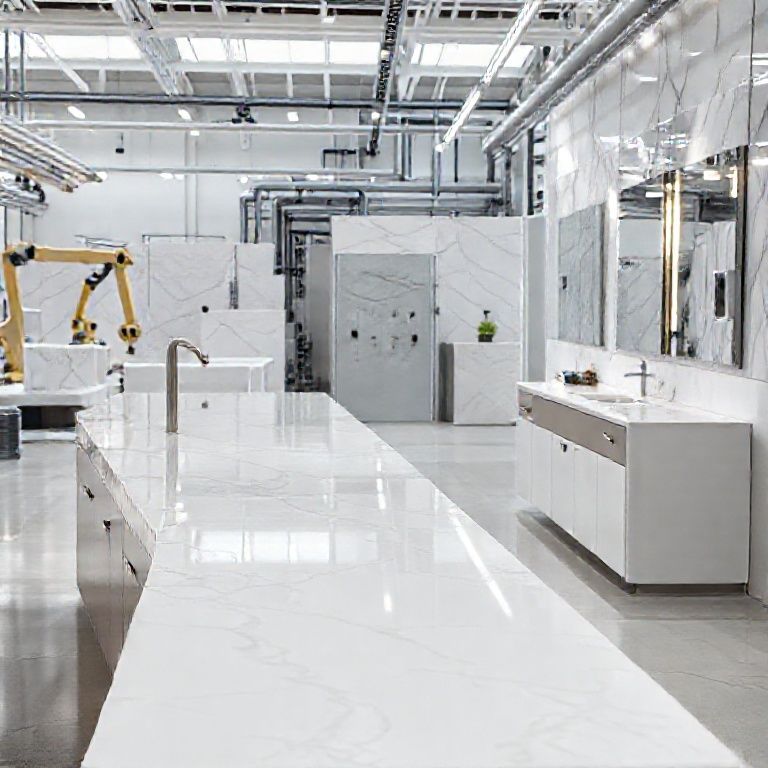
3. Design Versatility Engineered marble is not just limited to countertops. It can be used in a variety of applications, including tabletops, bathtubs, vanities, and even flooring. This versatility makes it an excellent choice for both residential and commercial projects. In kitchens, it provides a durable and easy-to-clean surface that withstands daily use. In bathrooms, it can offer a sleek, modern look that enhances the overall ambiance. Additionally, its ability to be cut into various shapes and sizes allows for innovative design possibilities that can add a unique touch to any space.
The Functional Excellence of Engineered Marble
1. Superior Durability Engineered marble is renowned for its impressive durability. Unlike natural stone, which can be prone to chipping and cracking, engineered marble is crafted from a combination of natural stone and resin. This blend provides a surface that is highly resistant to scratches, dents, and impact, making it an ideal choice for high-traffic areas. Its resilience ensures that your investment will last for many years without the need for extensive repairs or replacements.
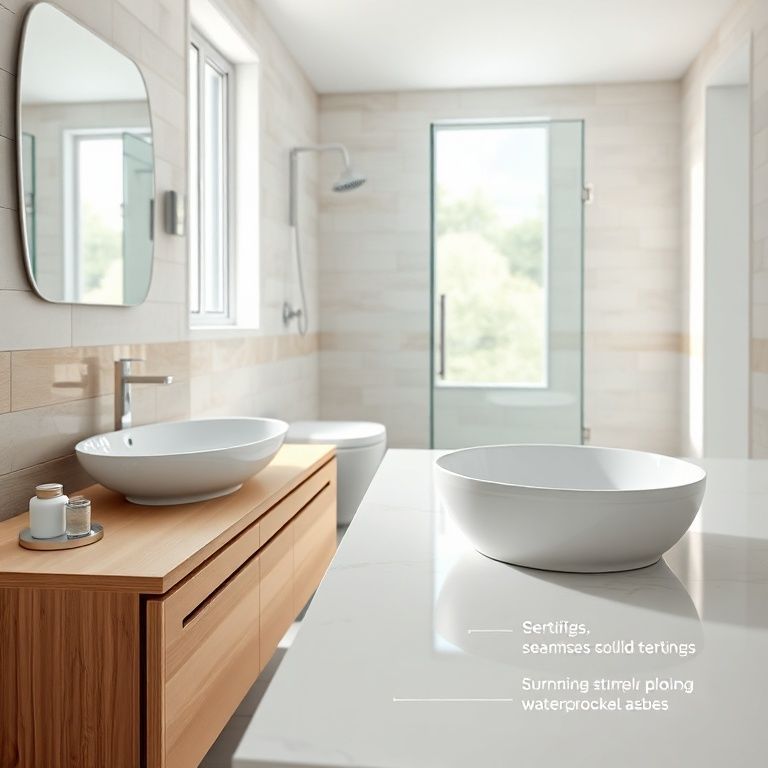
2. Easy Maintenance One of the most significant advantages of engineered marble is its ease of maintenance. Unlike natural marble, which requires regular sealing to maintain its shine and protect against stains, engineered marble does not need to be resealed. This means that you can enjoy a beautiful, long-lasting surface without the hassle of ongoing maintenance. Cleaning engineered marble is as simple as wiping it down with a damp cloth and a mild detergent. This low-maintenance feature makes it an excellent choice for busy households or commercial spaces where cleaning is a constant challenge.
3. Water Resistance Engineered marble is inherently water-resistant, making it an ideal material for countertops, sinks, and other surfaces that come into frequent contact with water. Unlike natural stone, which can absorb moisture and become stained, engineered marble remains clean and stain-free. This water-resistant quality is particularly beneficial in kitchens and bathrooms, where spills and splashes are common. It ensures that your surfaces will look pristine and professional, even after years of daily use.
4. Cost-Effectiveness When it comes to cost, engineered marble often presents a more affordable option compared to natural marble. The manufacturing process allows for greater control over costs, resulting in a product that offers the beauty of marble at a lower price point. This makes it an attractive choice for those looking to achieve a luxurious look without breaking the bank. Additionally, its durability ensures that you won’t need to make costly replacements anytime soon, providing excellent value for money.
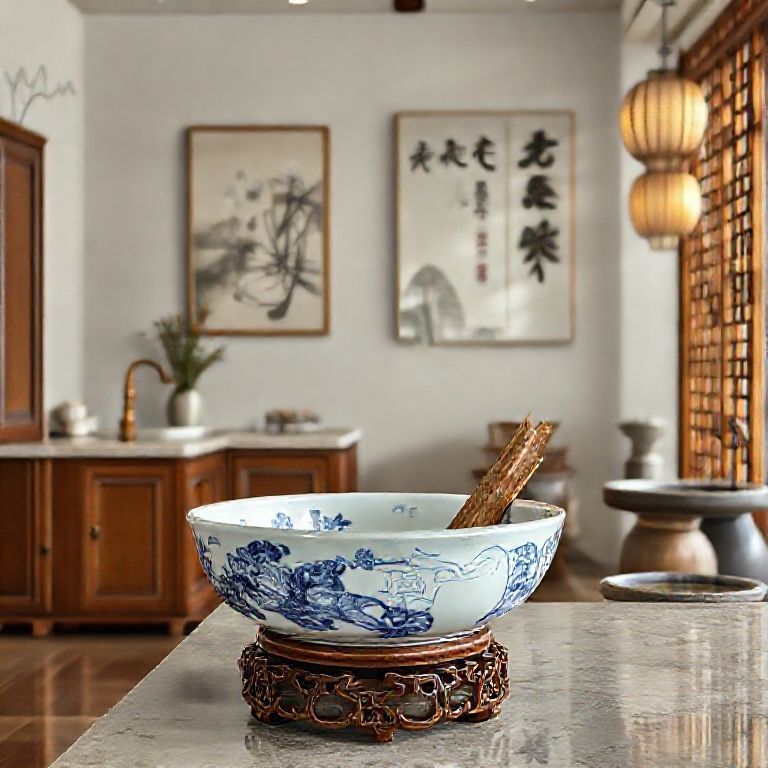
5. Environmentally Friendly Engineered marble is an eco-friendly alternative to natural stone. The production process typically involves less waste and energy consumption compared to mining and processing natural marble. Furthermore, engineered marble can be made from recycled materials, reducing the need for new resources. This makes it a sustainable choice for environmentally conscious consumers who still want the beauty and durability of marble.
Conclusion
Engineered marble is a remarkable material that combines the aesthetic appeal and functional benefits of natural marble while offering additional advantages that make it a superior choice for many applications. Its unmatched visual appeal, customization options, durability, ease of maintenance, water resistance, cost-effectiveness, and environmental benefits make it a compelling option for both residential and commercial projects.
In the next part of this guide, we will explore the installation process, potential drawbacks, and how to make the most of your engineered marble investment. Stay tuned to learn more about ensuring your engineered marble project is a success.
Installation, Potential Drawbacks, and Maximizing Your Engineered Marble Investment
Installation of Engineered Marble
1. Professional Installation vs. DIY When it comes to installing engineered marble, you have two options: professional installation or a DIY approach. While DIY installation can save money, it often requires a significant amount of time and effort. Professional installers bring expertise and experience to ensure that your engineered marble is installed correctly, minimizing the risk of errors and ensuring optimal performance. If budget allows, hiring a professional can provide peace of mind and guarantee a high-quality installation.
2. Preparation and Surface Compatibility Proper preparation is crucial for the successful installation of engineered marble. Before installation, ensure that the surface where the marble will be placed is clean, dry, and free of any debris or contaminants. The sub-surface should also be well-prepared to ensure a secure bond. In some cases, a specific type of adhesive or underlayment may be required to provide additional support and stability. It’s essential to follow the manufacturer’s guidelines for preparation and installation to ensure the best results.
3. Cutting and Fitting Engineered marble can be cut to fit various shapes and sizes, but precise cutting is essential to avoid gaps and ensure a seamless finish. Using a tile cutter or a wet saw with a diamond blade will provide clean, accurate cuts. When fitting the marble, it’s important to allow for slight expansion and contraction, especially in larger installations. This helps to accommodate any minor changes in thickness that can occur over time due to temperature and humidity variations.
4. Sealing and Finishing After installation, it’s important to allow the adhesive to cure properly before applying any finishes. Depending on the specific product and application, some engineered marble may require additional sealing or finishing to enhance its appearance and durability. Follow the manufacturer’s instructions for sealing and finishing to ensure that your engineered marble looks its best and remains protected against stains and damage.
Potential Drawbacks of Engineered Marble
1. Limited Thermal Resistance While engineered marble is durable and easy to maintain, it has limited thermal resistance compared to natural stone. High temperatures can cause the adhesive to break down, leading to potential damage or delamination. It’s important to avoid placing hot pots, pans, or other heat sources directly on the surface. Using heat-resistant pads or trivets can help protect the marble from thermal damage.
2. Potential for Surface Scratches Although engineered marble is highly resistant to scratches and stains, it can still be scratched by hard objects or abrasive materials. To prevent scratches, avoid placing sharp objects directly on the surface and use cutting boards, place mats, and coasters to protect the marble. Regular cleaning and maintenance can also help to maintain the surface’s integrity and appearance.
3. Weight and Handling Engineered marble slabs can be heavy, making them challenging to handle and transport, especially for DIY installations. It’s important to have the assistance of another person when moving large slabs and to use appropriate lifting techniques to avoid injury. If you’re planning a DIY project, consider renting a dolly or other lifting equipment to make the process easier and safer.
4. Limited Recyclability While engineered marble can be made from recycled materials, it may not be as easily recyclable as some other materials. When it comes to disposal or recycling at the end of its life, it’s important to check with local waste management facilities for specific guidelines and options. Proper disposal ensures that any environmental impact is minimized.
Maximizing Your Engineered Marble Investment
1. Choosing the Right Product To get the most out of your engineered marble investment, it’s important to choose a high-quality product from a reputable manufacturer. Look for materials that offer the durability, aesthetics, and functionality you need. Reading reviews, comparing products, and possibly visiting showrooms can help you make an informed decision.
2. Proper Maintenance To ensure that your engineered marble looks its best and remains in excellent condition, regular maintenance is key. Wipe down the surface daily with a damp cloth and mild detergent to keep it clean. Avoid using harsh chemicals or abrasive cleaners that can damage the surface. For any minor stains or spots, follow the manufacturer’s guidelines for cleaning and treatment.
3. Protecting Against继续保护和维护
1. 定期检查: 定期检查您的工程玛瑙表面,确保没有明显的损坏、裂缝或其他问题。如果发现问题,及时采取修复措施。
2. 避免高温: 尽量避免将热锅、热水直接放在工程玛瑙表面上,以防止热胀冷缩导致的裂缝。使用垫片或垫板可以有效减小热对表面的直接影响。
3. 使用保护垫: 在摆放餐具、饮品或其他物品时,使用餐垫、垫板或其他保护垫。这样可以有效减少物品直接接触表面的风险,避免刮伤和划痕。
4. 避免化学清洁剂: 工程玛瑙耐用但对某些化学清洁剂可能敏感。尽量使用温和的清洁剂和软布进行清洁,避免使用含有酸、醇、胺等成分的强力清洁剂。
5. 避免尖锐物品: 避免使用尖锐物品,如刀具、尖端笔等,直接在工程玛瑙表面上划动,以防止刮伤和划痕。
6. 及时修复: 如果表面出现小裂缝或损坏,及时进行修复。可以使用专业的修复剂或咨询专业人员进行修复,以确保表面的完整性和美观性。
7. 适当存放: 如果不使用工程玛瑙表面一段时间,最好将其保存在干燥、通风的地方,以避免潮湿和温度变化对其产生的影响。
8. 避免直接阳光: 长时间暴露在强烈阳光下,可能会导致表面褪色或材料老化。尽量避免直接阳光照射,如果必须,可以使用窗帘或遮阳物进行保护。
通过以上措施,您可以有效延长工程玛瑙表面的使用寿命,保持其美观和功能性。定期的保养和正确的使用习惯是确保工程玛瑙表面长久美观和耐用的关键。