The Ultimate Guide to High-Value Materials for Cabinet Countertops: Balancing Quality and Cost
When it comes to kitchen or bathroom renovations, one of the most critical decisions you’ll make is selecting the right material for your cabinet countertops. The material you choose will not only define the aesthetic appeal of your space but also determine its durability and longevity. Therefore, balancing high-value materials with cost-effectiveness is paramount. In this guide, we’ll explore the various countertop materials available, providing detailed insights into their pros, cons, and cost-effectiveness to help you make an informed decision.
Understanding Your Needs and Budget
Before diving into specific materials, it’s essential to understand your needs and budget. Different materials offer various levels of durability, aesthetics, and maintenance requirements. By clearly defining what you require in terms of functionality, style, and budget, you can narrow down your options to the most suitable materials.
For instance, if you’re looking for a material that offers both style and durability, you might lean towards materials like quartz or granite. On the other hand, if budget is your primary concern, options such as laminate or engineered stone might be more suitable.
Material Options: A Comprehensive Overview
Here’s an in-depth look at some of the most popular materials for cabinet countertops, their benefits, and drawbacks:
1. Granite
Pros:
Durability: Granite is renowned for its exceptional hardness and resistance to scratches, stains, and heat. Aesthetic Appeal: Granite comes in a wide array of colors and patterns, providing endless design possibilities. Longevity: With proper maintenance, granite countertops can last for decades.
Cons:
Cost: Granite is one of the more expensive materials for countertops, often requiring a significant budget. Maintenance: While durable, granite needs regular sealing to maintain its protective qualities.
2. Quartz
Pros:
Affordability: Quartz is generally more affordable than granite while offering similar durability and aesthetics. Low Maintenance: Unlike natural stone, quartz doesn’t require sealing, making it easy to maintain. Variety: Quartz offers a vast range of colors and textures to match any design preference.
Cons:
Weight: Quartz is heavier than some other countertop materials, which might require additional support.
3. Laminate
Pros:
Budget-Friendly: Laminate countertops are one of the most affordable options available. Design Flexibility: Available in various colors and patterns to mimic other materials like stone or wood. Low Maintenance: Easy to clean and requires minimal upkeep.
Cons:
Durability: Laminate is less durable than natural stone or engineered options and may not withstand heavy usage over time.
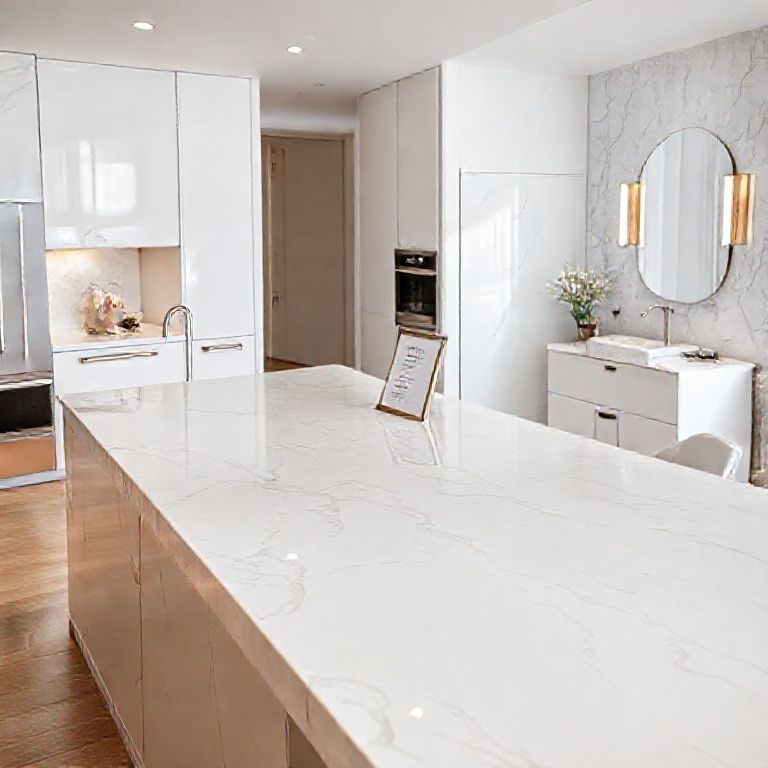
4. Engineered Stone
Pros:
Durability: Engineered stone combines the best properties of natural stone with the benefits of synthetic materials, resulting in high durability. Aesthetic Variety: Offers a wide range of colors and patterns, similar to natural stone. Cost-Effective: Generally more affordable than natural stone while maintaining high durability.
Cons:
Weight: Like quartz, engineered stone is heavier and might require additional support.
5. Solid Wood
Pros:
Natural Beauty: Wood countertops offer a natural, rustic appeal that can enhance the aesthetic of any space. Customization: Solid wood can be cut, shaped, and finished in various ways to suit your design needs.
Cons:
Maintenance: Wood requires regular maintenance to prevent warping, scratches, and moisture damage. Cost: High-quality solid wood can be expensive.
6. Composites
Pros:
Versatility: Composites can be designed to mimic the look of stone, wood, or other materials. Durability: Generally more durable than laminate and some engineered stone options. Low Maintenance: Easy to clean and resistant to stains and scratches.
Cons:
Cost: While more affordable than natural stone, composites can still be pricey.
7. Marble
Pros:
Elegance: Marble is known for its luxurious appearance and timeless elegance. Variety: Offers a wide range of colors and patterns.
Cons:
Maintenance: Marble requires regular sealing and can be prone to staining. Cost: Typically expensive compared to other materials.
Making the Right Choice: Cost vs. Value
When evaluating the cost-effectiveness of various countertop materials, it’s crucial to consider not just the upfront cost but also the long-term benefits and maintenance requirements.
Granite and Marble: While these materials offer unmatched durability and aesthetic appeal, they come with a higher price tag. However, their longevity and low maintenance (with proper care) can provide significant savings over time.
Quartz and Engineered Stone: These materials strike a good balance between cost and quality. They offer durability comparable to natural stone at a fraction of the price, with low maintenance requirements.
Laminate and Composites: For those on a tight budget, laminate and composites provide an affordable option with good design flexibility. While they might not last as long as natural stone, they are a cost-effective choice for those who prioritize budget over longevity.
Solid Wood: Solid wood countertops offer a natural and beautiful aesthetic but require more maintenance and can be expensive. For those who value the natural beauty of wood, the higher cost might be justified.
Tips for Maximizing Value
Here are some tips to help you maximize the value of your countertop investment:
Get Multiple Quotes: Always get quotes from multiple suppliers to ensure you’re getting the best price. Consider Countertop Thickness: Thicker countertops generally offer better durability and are less prone to damage. Evaluate Installation Costs: Don’t forget to factor in installation costs when comparing materials. Check for Warranties: Many materials come with warranties that can provide peace of mind and protect your investment. Maintenance Requirements: Understand the maintenance requirements of each material to ensure it fits your lifestyle and budget.
Conclusion
Selecting the right material for your cabinet countertops involves a careful balance of quality, aesthetics, and cost. By understanding the pros and cons of different materials and considering your specific needs and budget, you can make an informed decision that will enhance the beauty and functionality of your space for years to come. In the next part of this guide, we’ll delve deeper into specific maintenance tips and additional material options to ensure you have all the information needed to achieve the perfect balance between quality and value.
The Ultimate Guide to High-Value Materials for Cabinet Countertops: Balancing Quality and Cost
In the second part of this comprehensive guide, we’ll delve deeper into specific maintenance tips and additional material options to ensure you have all the information needed to achieve the perfect balance between quality and value. By understanding how to properly maintain your chosen material and exploring more niche options, you can ensure your countertop investment lasts for years to come.
Maintenance Tips for Different Materials
Proper maintenance is crucial to prolonging the life and maintaining the beauty of your countertop material. Here’s a detailed look at how to care for different types of countertops:
Granite:
Sealing: Granite requires regular sealing to maintain its protective qualities. Depending on usage, sealing every 6 to 12 months is recommended. Cleaning: Use a soft cloth and mild soap to clean granite surfaces. Avoid abrasive cleaners and steel wool, which can scratch the surface. Damage Prevention: Avoid using sharp objects on granite to prevent scratches and chips.
Quartz:
Cleaning: Quartz is low maintenance and requires only a soft cloth and mild soap. Regular cleaning will keep it looking pristine. Damage Prevention: While quartz is durable, it’s still advisable to avoid placing hot pots or pans directly on the surface to prevent potential damage.
Laminate:
Cleaning: Wipe laminate with a damp cloth and mild soap. Avoid using abrasive cleaners that can scratch the surface. Damage Prevention: Laminate is susceptible to scratches and dents, so use cutting pads and place hot items on trivets.
Engineered Stone:
Cleaning: Use a mild soap and water solution to clean engineered stone. Avoid using acidic cleaners that can damage the surface. Damage Prevention: Similar to natural stone, avoid placing hot items directly on the surface to prevent potential damage.
Solid Wood:
Cleaning: Wipe wood countertops with a soft, damp cloth and mild soap. Use a wood conditioner to keep the surface moisturized. Damage Prevention: Wood is susceptible to scratches, dents, and moisture damage. Use cutting boards and pads, and avoid placing hot items directly on the surface.
Marble:
其他高性价比的材料选择
除了上述常见的材料外,市场上还有一些其他高性价比的选项,每种材料都有其独特的优势和适用场景。
1. 复合石英 (Composite Quartz)
优点:
耐用性强:复合石英具有石英的高硬度和耐热性,但通常比传统石英更耐刮擦。 设计灵活:可以根据需要定制颜色和纹理。 维护简单:不需要定期密封,只需简单的清洁。
缺点:
重量较大:需要额外的支撑。 成本相对较高:但相比天然石材,仍然具有较高的性价比。
2. 人造石 (Artificial Stone)
优点:
多样性:可以模仿各种天然石材,如大理石、花岗岩等。 耐用性:通常比大多数人造材料更耐用。 成本:相对于天然石材更经济实惠。
缺点:
外观:可能无法完全模仿天然石材的独特纹理和颜色。 重量:一般较重,需要特殊安装。
3. 瓷砖 (Ceramic Tiles)
优点:
耐用:瓷砖非常耐用,抗刮擦和抗污性强。 多样性:颜色和图案选择丰富,可以定制设计。 维护简单:易于清洁和维护。
缺点:
缺乏柔和性:瓷砖表面较硬,不适合高频使用环境。 安装:需要专业安装以确保平整和耐用。
4. 不锈钢 (Stainless Steel)
优点:
耐用性:非常耐腐蚀和抗菌,适合厨房和浴室。 易清洁:不锈钢表面光滑,易于清洁和维护。 现代美观:时尚现代的外观,适合各种设计风格。
缺点:
热扩张:不锈钢热膨胀系数较大,容易产生缝隙。 成本:高端材料,价格较高。
5. 玻璃 (Glass)
优点:
美观:玻璃台面有现代感和透明感,适合现代简约设计。 易清洁:表面光滑,易于清洁和维护。 多样性:可选择不同颜色和纹理的玻璃。
缺点:
脆性:玻璃易碎,不适合高压力使用环境。 重量:较重,需要特殊安装。
如何选择适合的材料
选择适合的橱柜台面材料需要综合考虑以下几点:
预算:确定一个合理的预算范围,从而筛选出符合预算的材料选项。 使用频率:高频使用的区域需要更耐用、更易维护的材料。 美观需求:根据个人或家庭的设计偏好,选择颜色、纹理和整体风格。 维护需求:选择易于清洁和维护的材料,以减少日常维护的时间和成本。
环境适应性:考虑材料的耐热性、抗污性、抗菌性等特性,确保其适应特定的使用环境。
结论
选择高性价比的橱柜台面材料需要综合考虑多方面因素,包括耐用性、美观性、维护成本和使用频率等。无论你选择哪种材料,确保其符合你的预算和使用需求,并能长期提供满意的使用体验。