The Ultimate Guide to Installing Artificial Stone Countertops: Cost and Benefits
Artificial stone countertops have emerged as a favorite choice for homeowners seeking to elevate their kitchen and bathroom aesthetics while ensuring durability and low maintenance. As the demand for these modern surfaces grows, understanding the cost and benefits of installing artificial stone countertops becomes increasingly important.
Understanding Artificial Stone Countertops
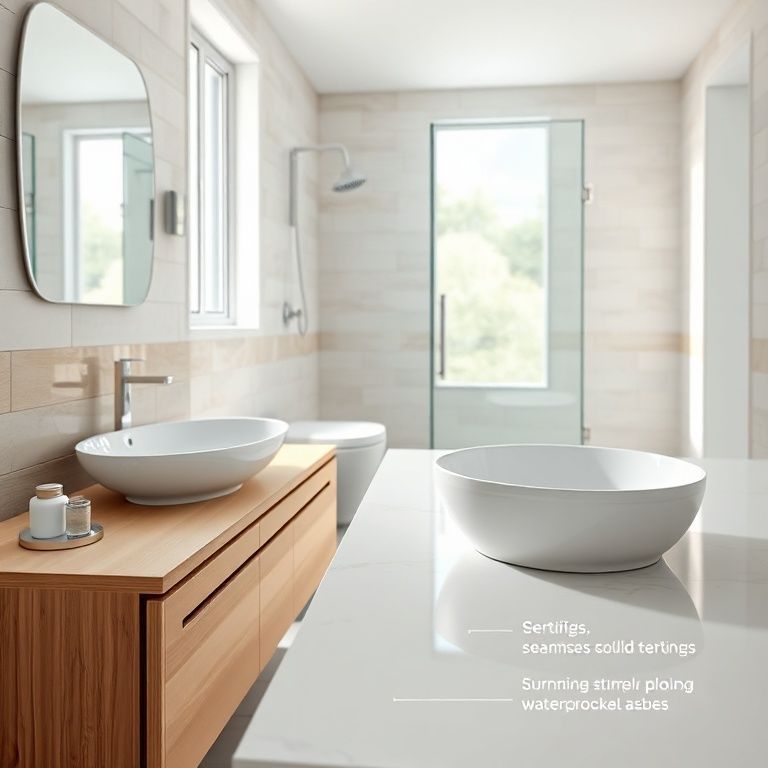
Artificial stone, also known as cultured stone, is a composite material made from a combination of natural stone powders, resin, and color pigments. This innovative material is crafted in a lab to mimic the appearance of natural stone while offering enhanced durability and versatility. Unlike traditional granite or marble, artificial stone is not affected by moisture, staining, or scratching, making it an ideal choice for high-traffic areas.
Cost of Installing Artificial Stone Countertops
When considering the cost of artificial stone countertops, several factors come into play. The price per square foot for installation can vary based on several elements, including the complexity of the design, the type of artificial stone chosen, and the level of expertise of the installer. Below, we break down the primary components that influence the overall cost.
Material Costs
The material cost for artificial stone countertops can range widely. High-quality artificial stone can cost anywhere from $30 to $70 per square foot. This price range can be influenced by the specific type of stone, its color, and any additional features like veining or special textures. Premium artificial stones with intricate designs or unique colors can exceed $70 per square foot.

Labor Costs
Labor costs for installing artificial stone countertops typically range from $10 to $20 per square foot. The labor cost can vary depending on the installer’s experience and the complexity of the installation. For instance, a simple countertop installation might cost less than one with intricate cutouts, built-in sinks, or unique shapes. Highly skilled installers who can deliver a seamless finish will charge more than those with less experience.
Additional Costs
There are additional costs to consider beyond material and labor. These may include the cost of any necessary tools, disposal fees for waste material, and transportation costs if the artificial stone is delivered to the installation site. These additional costs typically range from $5 to $15 per square foot.
Benefits of Artificial Stone Countertops
Artificial stone countertops offer numerous benefits that make them an attractive option for modern kitchens and bathrooms. Here are some key advantages:
Durability
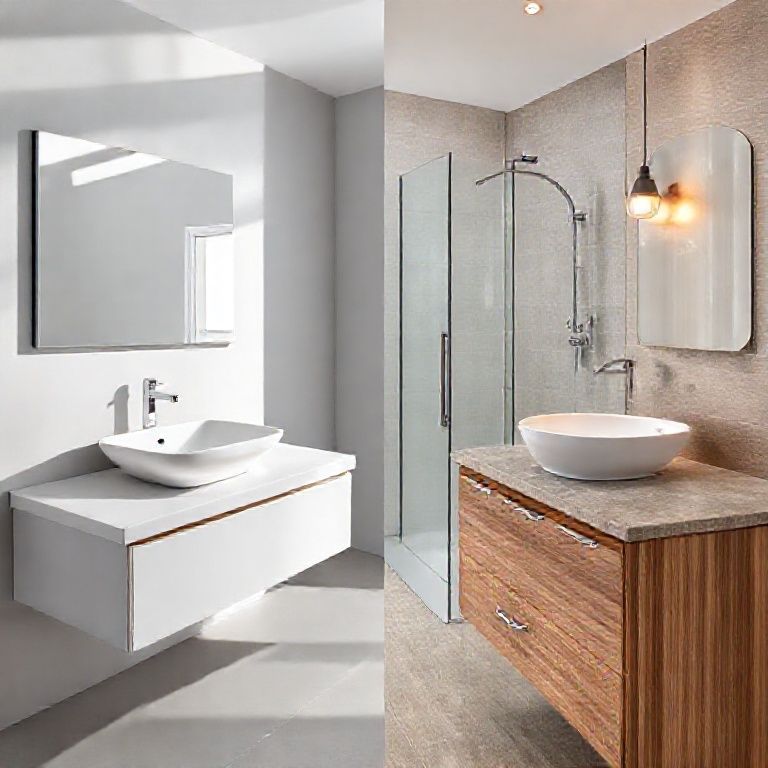
One of the primary benefits of artificial stone countertops is their exceptional durability. Unlike natural stone, which can be prone to staining, scratching, and water damage, artificial stone is resistant to these issues. This durability translates to a longer lifespan, reducing the need for frequent repairs or replacements.
Low Maintenance
Artificial stone countertops are low maintenance compared to other materials. They do not require sealing like granite or regular cleaning with special products like marble. Simply wiping down with a damp cloth and mild detergent is usually sufficient to maintain their pristine appearance.
Versatility
The versatility of artificial stone countertops is another significant advantage. Available in a wide range of colors, patterns, and textures, artificial stone can mimic virtually any type of natural stone. This flexibility allows homeowners to choose a design that perfectly matches their aesthetic preferences.

Design Flexibility
Artificial stone countertops offer unparalleled design flexibility. They can be cut into intricate shapes and can accommodate complex designs that might be challenging with natural stone. Whether you desire a custom island, a sleek backsplash, or an unconventional shape, artificial stone can be crafted to meet your specific needs.
Installation Process
Installing artificial stone countertops is a straightforward process that typically involves several key steps:
Measurement and Design: The first step is to measure the space where the countertop will be installed. Once the measurements are taken, a design can be chosen and customized if necessary.
Preparation: The area where the artificial stone countertop will be installed must be prepared. This includes removing any existing countertops, cabinetry, and ensuring the surface is clean and level.
Cutting: The artificial stone is then cut to fit the space. This can include creating custom cuts for built-in sinks, cutouts, or unique shapes.
Installation: The artificial stone countertop is secured to the cabinet or frame using adhesive or mechanical fasteners. The installation process ensures that the countertop is level and properly aligned.
Finishing: Once the countertop is securely in place, any necessary finishing touches are applied. This might include caulking around the edges and cleaning the surface.
Conclusion
Artificial stone countertops offer a blend of beauty, durability, and low maintenance, making them a compelling choice for modern kitchen and bathroom renovations. While the cost per square foot can vary, understanding the factors that influence these costs can help homeowners make informed decisions. The benefits of artificial stone—including its durability, low maintenance, versatility, and design flexibility—make it a top contender in the world of countertops.
Stay tuned for the second part of our guide, where we will delve deeper into the maintenance and long-term care of artificial stone countertops, as well as provide insights on finding the best installers for your project.
The Ultimate Guide to Installing Artificial Stone Countertops: Maintenance and Long-Term Care
In the previous section, we explored the costs and benefits of installing artificial stone countertops, highlighting their exceptional durability, versatility, and low maintenance. Now, let’s dive deeper into the maintenance and long-term care of these modern surfaces to ensure they remain pristine and functional for years to come.
Maintenance Tips for Artificial Stone Countertops
Artificial stone countertops are designed to be low maintenance, but regular care is still essential to keep them looking their best. Here are some key maintenance tips:
Regular Cleaning
The key to maintaining the appearance of artificial stone countertops is regular cleaning. Here are some simple steps to keep your countertop clean and looking new:
Daily Cleaning: Wipe down the countertop daily with a damp cloth and mild dish soap. Avoid using abrasive cleaners or sponges that can scratch the surface.
Spot Cleaning: For minor spills and stains, blot with a paper towel instead of rubbing. Use a mixture of water and white vinegar to tackle tough spots. Avoid using bleach or harsh chemicals.
Deep Cleaning: Once a month, use a specialized stone countertop cleaner designed for artificial stone. Follow the manufacturer’s instructions for application and rinsing.
Handling Spills
To maintain the integrity of artificial stone countertops, it’s crucial to handle spills promptly:
Liquid Spills: Blot liquid spills immediately with a clean cloth to prevent staining. Avoid soaking the surface with water.
Food Spills: For sticky or oily spills, use a paper towel to blot up the mess. Follow with a damp cloth and mild soap to clean the area.
Hard Spills: For tougher spills or stains, apply a solution of water and vinegar to the affected area and let it sit for a few minutes before wiping clean.
Long-Term Care
While artificial stone countertops are durable and low maintenance, some long-term care practices can further enhance their longevity and appearance:
Protective Coatings
To add an extra layer of protection, consider applying a protective coating to your artificial stone countertops. These coatings create a barrier that can help repel stains and minor scratches. Follow the manufacturer’s instructions for application and reapplication.
Avoid Sharp Objects
To prevent scratches and damage, avoid using sharp objects like knives or utensils directly on the countertop surface. Instead, use cutting boards and place mats to protect the artificial stone.
Regular Inspections
Perform regular inspections to check for any signs of wear or damage. Early detection of minor issues can prevent them from becoming major problems. Look for cracks, scratches, or any areas that may need refinishing.
Durability and Longevity
One of the primary reasons artificial stone countertops are so popular is their impressive durability and longevity. Here’s why these surfaces are long-lasting:
Resistance to Stains
Artificial stone countertops are highly resistant to stains caused by food, drink, and everyday use. Unlike natural stone, they do not absorb liquids, making them easier to clean and maintain.
Scratch Resistance
Artificial stone is resistant to scratches and does not react to acidic or alkaline substances. This resistance ensures that your countertop will maintain its appearance even with heavy use.
Weather Resistance
Artificial stone countertops are not affected by moisture or temperature fluctuations. This makes them ideal for both indoor and outdoor installations, where they can withstand the elements without degradation.
Choosing the Right Installer
The installation of artificial stone countertops is a task that requires skill and expertise to ensure a seamless finish. Here’s how to choose the right installer for your project:
Research and Referrals
Start by researching local installers who specialize in artificial stone countertops. Look for referrals from friends, family, or online reviews to find reputable installers.
Credentials and Experience
Check the credentials and experience of potential installers. Look for certifications from reputable organizations and ask about their experience with artificial stone installations. Experienced installers will provide better results and ensure a smooth installation process.
Consultation and Design
安装专业人员的选择
查看资质证书 确保选择的安装人员持有相关资质证书。这些证书可以证明他们具备必要的技能和知识来处理人工石台面的安装。
项目经验 了解安装人员的项目经验,尤其是处理类似尺寸和复杂度的人工石台面。经验丰富的人员通常能处理各种可能出现的问题,并提供更好的安装效果。
客户评价 查看安装人员过去客户的评价和反馈。这些评价可以提供关于他们工作质量和服务态度的真实信息。
报价和合同 要求详细的报价和合同,包括安装费用、材料费用、可能的额外费用以及安装保修期。确保所有条款都清晰明了。
常见问题和解决方法
台面变形或损坏 如果在安装过程中台面出现变形或损坏,首先应联系安装人员,了解原因。如果是由于安装不当造成的,安装人员应承担责任并进行免费维修或更换。
表面划痕 如果表面有划痕,可以使用专业的抛光工具进行修复。如果问题严重,可以联系专业维修服务。
安装不平 如果台面安装不平,导致使用不便,应立即联系安装人员进行调整。如果无法解决,可以考虑寻找其他专业人员进行修正。
漏水问题 台面与水槽或水龙头连接处漏水,首先检查密封条是否安装正确。如果密封条老化或安装不当,需更换或重新安装密封条。
预算和付款安排
详细报价 确保在签订合同前,获得详细的报价单,包括材料费、人工费以及可能的额外费用。
分期付款 一次性支付全部费用对于一些预算较紧的客户来说可能不太现实。可以与安装人员商议分期付款计划,比如首先支付定金,后续在安装完成时支付余款。
保修和退款政策 了解安装人员的保修和退款政策。通常,合格的安装人员会提供一定期限的保修服务,如果出现质量问题,可以申请退款或维修。
安装人工石台面是一个需要技术和经验的专业工作,选择合适的安装人员至关重要。通过详细了解安装流程、常见问题及其解决方法,以及合理的预算和付款安排,您可以确保项目顺利进行,最终获得美观、耐用且易于维护的人工石台面。
希望这些信息能帮助您更好地理解和处理人工石台面的安装过程。如果有更多问题,欢迎继续提问!