The Ultimate Guide to Installing Artificial Stone Countertops: Part 1
Artificial stone countertops have become a popular choice for both commercial and residential projects due to their durability, aesthetic appeal, and versatility. Whether you’re looking to upgrade your kitchen or revamp your bathroom, understanding the installation standards for artificial stone countertops is crucial for achieving a flawless finish. In this part of our comprehensive guide, we’ll delve into the essentials of artificial stone countertop installation, from material selection to preparatory steps.

Understanding Artificial Stone Countertops
Artificial stone countertops are a composite material made from a blend of minerals, polymers, and pigments. This combination gives artificial stone its unique combination of durability and aesthetic appeal. Unlike traditional granite or marble, artificial stone is less prone to cracking and staining, making it an excellent choice for high-traffic areas.
Key Features:
Durability: Artificial stone is highly resistant to scratches, stains, and thermal shock, making it a long-lasting option. Aesthetic Versatility: Available in a wide range of colors and finishes, artificial stone can mimic natural stone while offering unique designs. Weight: Generally lighter than natural stone, making installation easier. Cost-Effective: Often more affordable than natural stone options.
Material Selection
Choosing the right type of artificial stone for your project is the first and most critical step. Here are some factors to consider:
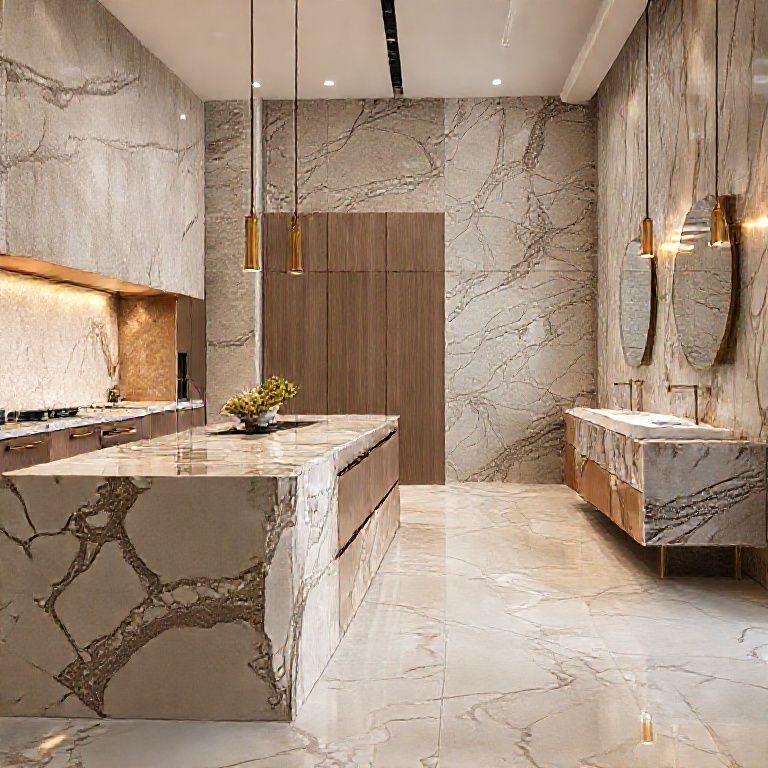
Color and Finish: The color and finish should complement the existing décor of your kitchen or bathroom. Artificial stone is available in various styles, from matte to high-gloss finishes.
Thickness: Standard thickness for artificial stone countertops is typically 1 to 2 inches. However, custom thicknesses can be requested based on the specific requirements of your project.
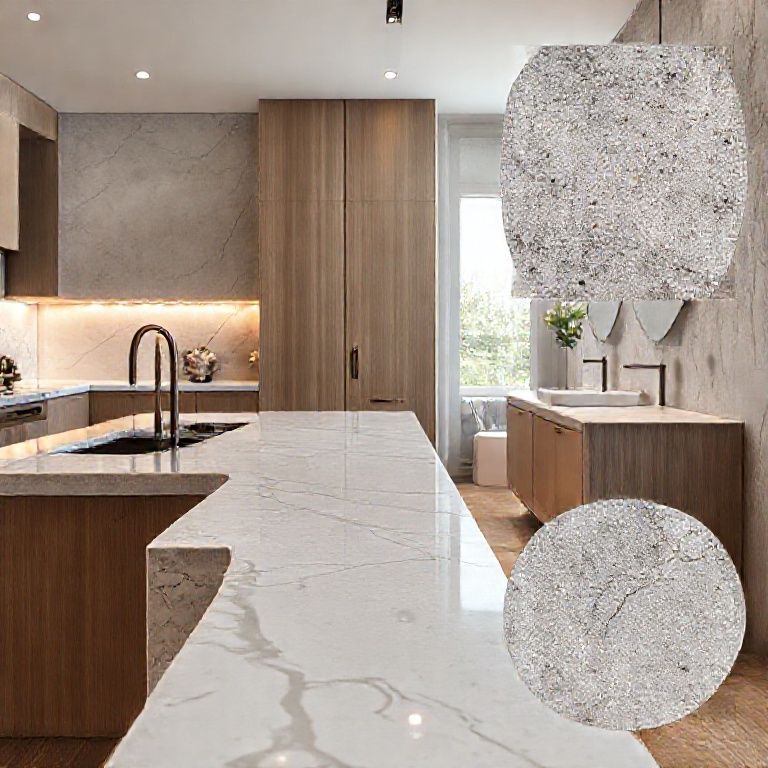
Pattern and Texture: Decide on the pattern and texture that will best suit your design goals. Some artificial stone options offer intricate veining and textures that can mimic natural stone closely.
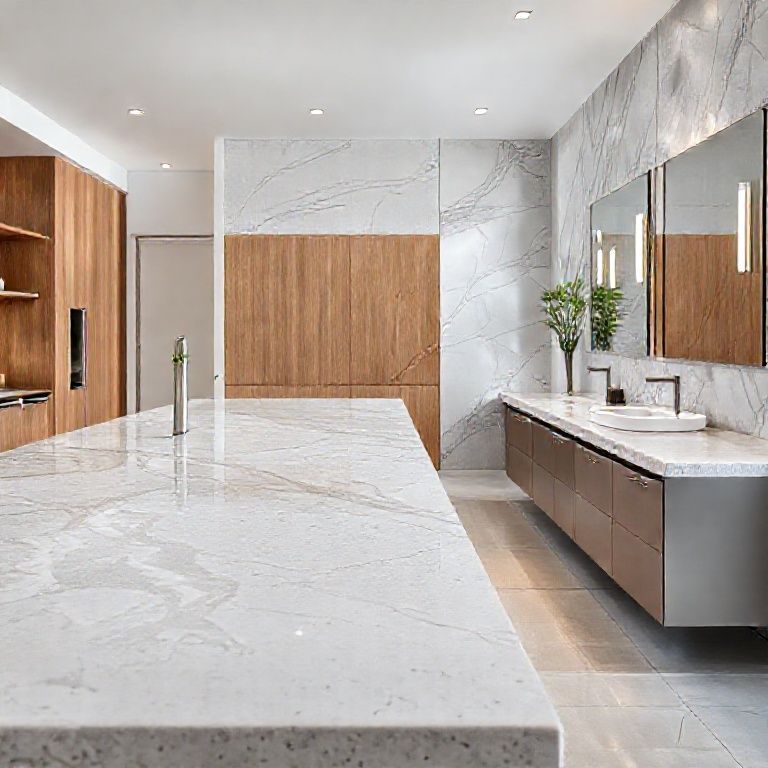
Brand and Quality: Choose reputable brands that offer high-quality materials and warranties. Researching customer reviews and checking for certifications can help ensure you’re selecting a reliable product.
Preparatory Steps for Installation
Before you begin the installation process, thorough preparation is essential to ensure a smooth and successful outcome. Here’s what you need to do:
1. Measuring and Cutting: Accurate measurements are crucial for a seamless fit. Use a high-quality measuring tape to get precise dimensions of the countertop space. If necessary, cut the artificial stone to size using a tile saw or a specialized stone cutting tool.
2. Surface Preparation: The existing surface must be clean, dry, and free from grease, oil, or any debris. Use a degreaser to clean the area where the countertop will be installed. Ensure that the surface is level and even to avoid any unevenness in the new countertop.
3. Removing the Old Countertop: If you’re replacing an existing countertop, carefully remove it using a crowbar or prying tool. Be cautious to avoid damaging the underlying structure, such as cabinetry or plumbing.
4. Installing Backer Board (if needed): In some installations, a backer board may be necessary to provide a stable base for the artificial stone. This is especially important if the existing surface is not level or if additional support is needed.
5. Applying Adhesive: Use a high-quality, flexible adhesive designed for artificial stone. Apply the adhesive evenly across the base surface using a notched trowel. The thickness of the adhesive layer should follow the manufacturer’s recommendations.
Safety and Compliance
When installing artificial stone countertops, safety and compliance with industry standards are paramount. Here are some key points to keep in mind:
1. Personal Protective Equipment (PPE): Always wear appropriate PPE, including gloves, safety glasses, and a dust mask. This will protect you from harmful chemicals and debris during the installation process.
2. Ventilation: Ensure adequate ventilation in the work area to minimize exposure to fumes from adhesives and other materials. Use fans or open windows to maintain good airflow.
3. Manufacturer Guidelines: Follow the manufacturer’s guidelines and instructions meticulously. This includes curing times for adhesives, recommended tools, and any specific handling instructions for the artificial stone.
4. Quality Control: Regularly check the installation for any imperfections or issues. Address any problems immediately to prevent further complications.
Conclusion
Installing artificial stone countertops is a detailed process that requires careful planning and execution. By understanding the materials, preparing adequately, and following safety guidelines, you can achieve a stunning and durable countertop that enhances the beauty and functionality of your space. In the next part of this guide, we will cover the detailed installation steps and advanced tips to ensure a professional finish. Stay tuned for more expert advice on transforming your kitchen or bathroom with artificial stone countertops.
The Ultimate Guide to Installing Artificial Stone Countertops: Part 2
Building on the foundational knowledge from Part 1, this second part of our comprehensive guide delves into the detailed installation steps, advanced techniques, and finishing touches for artificial stone countertops. Whether you’re a DIY enthusiast or a professional contractor, this part will provide you with the expert advice and practical tips needed to achieve a flawless finish.
Detailed Installation Steps
Once you’ve selected your artificial stone and completed the preparatory steps, it’s time to move on to the actual installation process. Here’s a step-by-step guide to ensure a professional finish:
1. Positioning the Countertop: Carefully position the artificial stone on the adhesive. Use a level to ensure it is straight and evenly aligned. Apply slight pressure to ensure the adhesive makes full contact with the stone.
2. Squeegee Method: To remove any excess adhesive, use a squeegee or a straight-edged tool. Pull the squeegee across the surface at a 45-degree angle, wiping away excess adhesive without disturbing the stone.
3. Securing the Edges: For added stability and to prevent movement, use corner adhesive or specialized clips to secure the edges of the countertop. Follow the manufacturer’s instructions for the best results.
4. Using Backer Board (if applicable): If your installation includes a backer board, ensure it is securely attached to the wall or base. Use construction adhesive or screws as per the manufacturer’s recommendations.
5. Caulking the Seams: Once the countertop is securely in place, apply caulk along the edges and any seams to create a watertight seal. Choose a high-quality, flexible caulk that is suitable for stone countertops.
6. Curing Time: Allow the adhesive and caulk to cure as per the manufacturer’s instructions. This usually involves waiting 24 to 48 hours before using the countertop.
Advanced Techniques
To achieve a professional finish, consider these advanced techniques:
1. Coping the Edges: Coping involves cutting the edge of the artificial stone at an angle to create a clean, professional look. Use a coping saw or a specialized coping blade to achieve a precise cut.
2. Miter Cutting: For intricate designs or corners, miter cutting can create sharp, clean lines. Use a miter saw or a tile cutter with a miter guide for precise cuts.
3. Edge Trimming: For a polished edge, use an edge trimmer or a diamond-tipped saw to smooth out the edges of the countertop.
4. Countertop Extensions: If you need to extend the countertop beyond the base cabinet, use backer board or additional artificial stone pieces. Secure these extensions with adhesive and caulk as you would with the main countertop.
5. Sealing: After installation, sealing the artificial stone can enhance its durability and prevent staining. Use a high-quality, penetrating sealer suitable for the specific type of artificial stone.
Finishing Touches
The final touches are crucial to ensure a polished and professional look:
1. Cleaning: Clean the newly installed countertop with a mild soap and water solution. Avoid using abrasive cleaners that can scratch the surface.
2. Polishing: For a high-gloss finish, use a stone polish or a specialized stone countertop cleaner. Follow the manufacturer’s instructions for the best results.
3. Inspection: Conduct a thorough inspection to check for any imperfections, unevenness, or missed spots. Address any issues immediately to maintain the overall quality of the installation.
学习与教育: 如果你在学习某门科目,有没有具体的问题或者需要解释的概念? 有没有关于时间管理、学习方法的建议? 科技与创新: 你对某项最新的科技进展感兴趣吗?例如人工智能、区块链、量子计算等。 有没有关于某种科技设备或者工具的使用建议? 健康与生活: 如果你关心健康,有没有关于饮食、运动、心理健康的问题? 有没有关于日常生活小窍门或者旅行建议的问题? 历史与文化: 你对某一历史事件、文化现象或者名人感兴趣吗? 有没有关于某一特定国家的历史或文化的问题? 娱乐与休闲: 如果你喜欢看电影、玩游戏或者读书,有没有推荐的内容? 有没有关于某一兴趣爱好的技巧或者资源的问题?