Welcome to the ultimate guide to kitchen countertop materials! Whether you’re renovating an old kitchen or designing a new one, choosing the right material for your kitchen countertop is crucial. In this comprehensive article, we’ll delve into the most popular and durable options, providing you with all the information you need to make an informed decision. Stay tuned for part two, where we’ll explore more details and advanced considerations.
kitchen countertop materials, best kitchen countertop, kitchen renovation, durable kitchen countertop, countertop design, kitchen design ideas, kitchen countertop options, high-quality kitchen countertop, kitchen remodeling tips
The Ultimate Guide to Kitchen Countertop Materials: What’s Best for Your Home?
Introduction
When it comes to kitchen design, the countertop plays a central role. Not only is it the surface where you prepare meals, but it also sets the tone for your entire kitchen aesthetic. Choosing the right material for your kitchen countertop can significantly affect both the beauty and functionality of your space. Let’s explore the most popular and durable options available today.
Granite: The Classic Choice
Granite is often hailed as the gold standard in kitchen countertops. Known for its durability and timeless elegance, granite countertops are a popular choice among homeowners and designers alike.
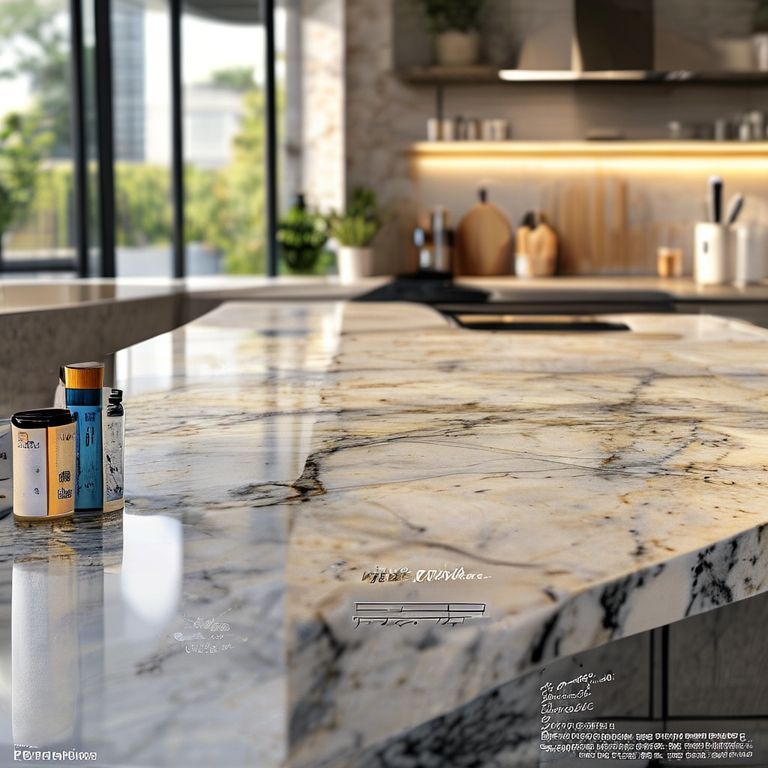
Durability and Hardness: Granite is one of the hardest natural stones available, making it highly resistant to scratches, stains, and cuts. This durability means fewer repairs and less maintenance over time.
Aesthetic Appeal: With a wide range of colors and patterns, granite offers an almost limitless array of aesthetic possibilities. Whether you’re after a sleek, monochromatic look or a more intricate, colorful design, granite can be tailored to suit any style.
Maintenance: While granite is low-maintenance, it does require regular sealing to maintain its natural beauty and resistance to stains. However, this is a relatively simple process that can be done at home with the right products.
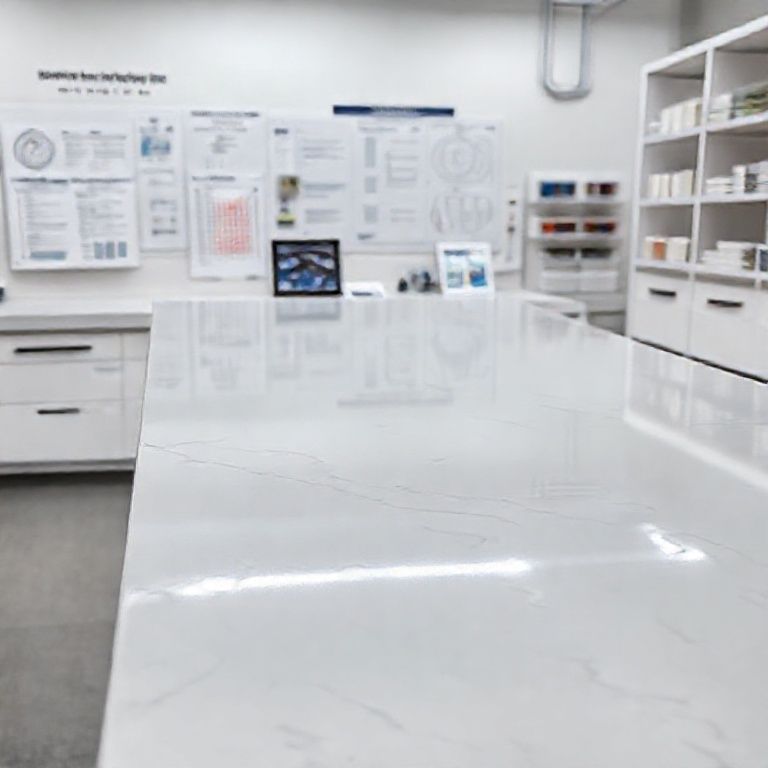
Cost: Granite countertops are on the higher end of the price spectrum. However, their longevity and aesthetic appeal often justify the investment.
Quartz: The Modern Marvel
Quartz has quickly become a favorite due to its blend of modern design and practical benefits.
Durability: Quartz is 100% solid surface with no grain or pores, meaning it is virtually indestructible. It is highly resistant to scratches, stains, and even heat.
Design Flexibility: Like granite, quartz offers a wide range of colors and patterns, allowing for highly customizable designs. It can mimic the look of almost any natural stone or even metal.
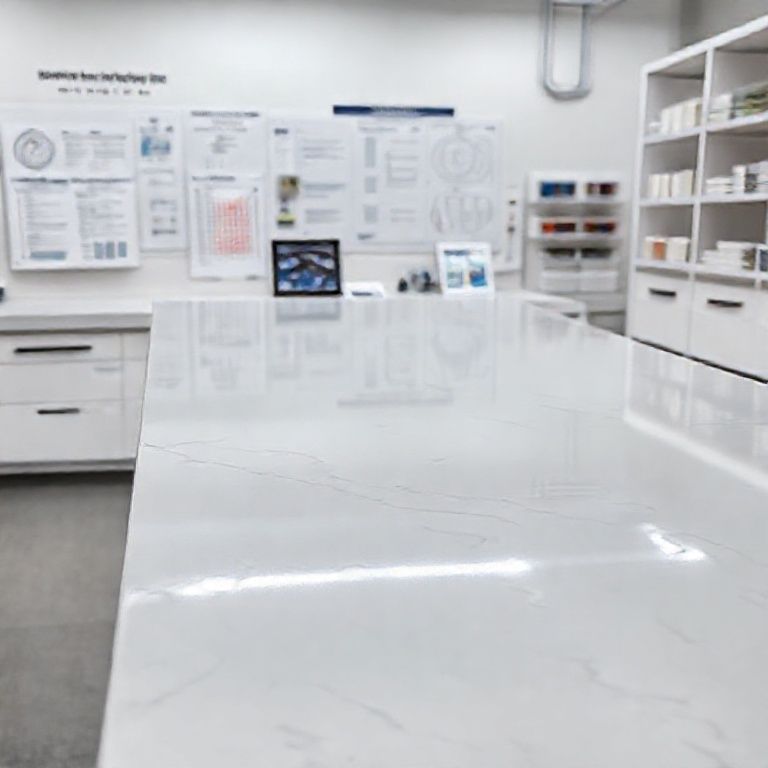
Maintenance: Quartz is incredibly low-maintenance. Simply wipe it down with a mild soap and water solution, and it’s ready to go. It does not need sealing, unlike granite, making it a hassle-free option.
Cost: Quartz countertops are slightly less expensive than granite but still offer excellent value for their durability and ease of maintenance.
Marble: The Luxurious Option
Marble offers a touch of luxury and opulence that is hard to replicate.
Aesthetic Appeal: Marble is renowned for its beautiful veins and patterns, which can add a dramatic and elegant touch to any kitchen. The natural beauty of marble is unmatched.
Durability: While marble is beautiful, it is also one of the softer natural stones. It can be prone to scratches, dents, and stains. It also requires regular sealing to maintain its luster.
Maintenance: Due to its porosity, marble needs regular maintenance. This includes sealing, cleaning, and occasionally professional restoration to keep it looking its best.
Cost: Marble countertops are typically more expensive due to their beauty and the labor-intensive process of installation.
Slate: The Timeless and Durable Option
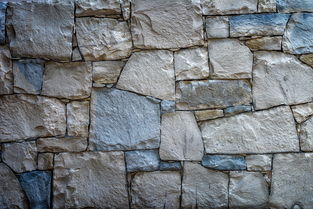
Slate is a natural stone that has been used for centuries, known for its durability and rustic charm.
Durability: Slate is highly durable and can withstand significant wear and tear. It is resistant to scratches and stains, although it can chip if dropped on.
Aesthetic Appeal: Slate offers a unique, textured look that can add a rustic and timeless feel to your kitchen. The color can range from dark grays to lighter hues, providing versatile design options.
Maintenance: Slate is relatively low-maintenance. It can be wiped down with a damp cloth and mild soap. However, it does require occasional sealing to maintain its appearance.
Cost: Slate countertops are generally more affordable than granite and marble, making them a great option for those looking for a durable, natural stone at a reasonable price.
Composites: The Affordable and Versatile Option
Composites are a blend of natural stone and resin, offering a cost-effective alternative to traditional countertops.
Durability: Composites are known for their durability and resistance to scratches, stains, and even minor cuts. They are less prone to chips and cracks compared to natural stone.
Aesthetic Appeal: These countertops offer a wide range of colors and patterns, mimicking the look of natural stone, wood, and even metal.
Maintenance: Composites are low-maintenance, requiring only regular cleaning with a mild soap and water solution. They do not need sealing.
Cost: Composites are generally more affordable than natural stone options, making them a great choice for those looking to save money without sacrificing style.
Conclusion
Choosing the right kitchen countertop material depends on your budget, desired aesthetics, and how much maintenance you’re willing to do. Granite and quartz offer durability and a wide range of design possibilities, while marble provides unmatched luxury. Slate and composites offer more affordable options with their own unique benefits.
In the next part of this guide, we will dive deeper into advanced considerations, including installation tips, maintenance strategies, and how to choose the best material for your specific needs.
The Ultimate Guide to Kitchen Countertop Materials: What’s Best for Your Home?
Advanced Considerations for Choosing Your Kitchen Countertop
Welcome back to the ultimate guide to kitchen countertop materials! In this second part, we’ll delve into advanced considerations that will help you make a well-informed decision. From installation tips to maintenance strategies, we’ll cover everything you need to know to choose the best material for your kitchen.
Installation Tips
The way your countertop is installed can significantly impact its longevity and appearance. Here are some installation tips to consider:
Professional Installation: Whether you’re working with natural stone like granite or quartz or composite materials, it’s often best to hire a professional installer. Professionals have the expertise to ensure a perfect fit, seamless integration with your cabinetry, and proper sealing to maintain the integrity of the countertop.
Sealing and Finishing: For natural stone options like granite and marble, professional sealing is essential. This process helps protect the surface from stains and wear. For materials like quartz and slate, finishing can enhance their natural beauty and durability.
Edge Treatments: Consider the edge treatment of your countertop. Options include bullnose (rounded edge), straight edge, or cove edge (curved edge). The choice depends on your aesthetic preference and how you intend to use the countertop.
Maintenance Strategies
Proper maintenance is crucial for keeping your kitchen countertop looking its best. Here are some maintenance strategies for the most popular materials:
Granite: Regular sealing is key to maintaining granite countertops. Use a high-quality, food-safe sealant and follow the manufacturer’s instructions for application. Additionally, clean with mild soap and water to avoid scratching the surface.
Quartz: Since quartz is a solid surface material, it requires minimal maintenance. Wipe it down with a mild soap and water solution, and use a specialized cleaner for tougher spots. Avoid using abrasive cleaners or cutting pads.
Marble: Marble requires more maintenance due to its porosity. Clean it with a mild soap and water solution, and avoid using acidic or abrasive cleaners. Regularly seal the surface to protect against stains. If a stain does occur, consult a professional for restoration.
Slate: Slate is relatively low-maintenance but should still be cleaned regularly with a mild soap and water solution. Avoid using abrasive cleaners that can scratch the surface.
Composites: Composites are low-maintenance but should still be cleaned with a mild soap and water solution. Avoid using abrasive cleaners or cutting pads that can scratch the surface.
Choosing the Best Material for Your Needs
When it comes to choosing the best material for your kitchen countertop, several factors should be considered:
Budget: Determine your budget before narrowing down your options. Granite and quartz are more expensive, while slate and composites offer more affordable alternatives.
Durability: Consider how durable you need your countertop to be. Granite and quartz offer exceptional durability, making them ideal for high-traffic areas. Slate and composites also provide good durability but may require more maintenance.
Maintenance: Think about how much maintenance you’re willing to do. Quartz and composites require minimal maintenance, while granite, marble, and slate need regular cleaning and sealing.
Aesthetic Appeal: Choose a material that complements your kitchen’s design and style. Granite and quartz offer a wide range of colors and patterns, while marble provides a luxurious look. Slate offers a rustic charm, and composites can mimic various materials.
Functionality: Consider how you’ll use your countertop. If you frequently use hot pans or have children, materials like quartz and composites are more resistant to heat and spills.
Trends and Innovations
The kitchen countertop market is always evolving, with new materials and technologies emerging regularly. Here are some trends and innovations to keep an eye on:
Sustainable Materials: More homeowners are opting for sustainable materials like bamboo and recycled quartz. These options are not only eco-friendly但也具有现代美学和优良的耐用性。
智能材料: 随着科技的发展,智能材料如自愈复合材料和温控石英石也在逐渐引入厨房台面市场。这些材料不仅具有传统材料的耐用性和美观性,还具有一些额外的功能,如自愈能力(能够修复轻微划痕)和温控功能(能够调节温度,防止热传导)。
定制化设计: 现在,越来越多的消费者追求个性化和定制化的设计。许多材料制造商和设计师提供定制化服务,根据客户的具体需求和喜好,设计和制造独一无二的厨房台面。这包括选择特定的颜色、纹理和形状。
多功能性: 现代厨房设计趋向于功能性和多用途性。一些新材料和设计将功能性与美观性结合在一起,例如可以作为岛台的多功能台面,或者带有内置储物空间的台面设计。
如何选择适合的厨房台面材料
耐用性和维护: 选择耐用且易于维护的材料,特别是在高使用频率的厨房中。
预算: 不同材料的价格差异很大,需要根据预算选择适合的材料。
美观性: 选择与整体厨房设计风格相协调的材料,确保美观性。
功能性: 根据厨房的具体功能需求选择合适的材料。例如,热量传导问题可能需要特殊处理。
环保性: 如果关注环保,可以选择可持续材料,如竹子、再生材料等。
总结
选择厨房台面材料时,需要综合考虑耐用性、维护、美观性、预算和功能性等因素。无论选择哪种材料,最终的决定应根据个人需求和厨房的具体情况来做出。随着材料技术和设计趋势的不断发展,未来的厨房台面将会变得更加多样化和智能化。