Part 1
The Ultimate Guide to Kitchen Countertop Replacement: Cost, Benefits, and Expert Tips
In today’s fast-paced world, your kitchen is more than just a place to cook; it’s a hub for family gatherings, casual meals, and social interactions. A well-designed kitchen can significantly enhance the overall appeal of your home. One of the most impactful ways to transform your kitchen is by replacing your countertops. Whether you’re looking to modernize your space or simply need a functional upgrade, understanding the cost and benefits of kitchen countertop replacement is crucial.

Understanding Kitchen Countertop Replacement Costs
When considering kitchen countertop replacement, one of the first questions that come to mind is: “How much does it cost?” The cost of replacing kitchen countertops can vary widely based on several factors, including material choice, design complexity, and labor costs. Here’s a breakdown of the typical costs you might encounter:
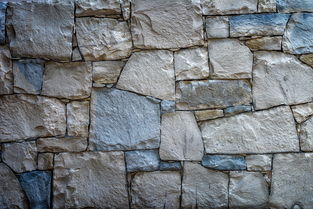
Material Costs: Quartz: Known for its durability and resistance to scratches and stains, quartz countertops generally range from $50 to $100 per square foot. Higher-end brands and custom designs can push the cost closer to $100 per square foot. Granite: This classic choice offers a timeless appeal but comes with a higher price tag. Expect to pay between $60 and $160 per square foot for granite, depending on the type and quality. Marble: For a luxurious touch, marble countertops can cost between $70 and $200 per square foot. However, marble requires regular maintenance to prevent staining and damage. Slate: Similar to granite, slate countertops range from $40 to $120 per square foot. They offer a unique texture and color but can be more expensive than other natural stone options. Composite: A more affordable alternative, composite countertops typically range from $20 to $50 per square foot. They are resistant to heat and stains but may not offer the same durability as natural stone. Clever Laminates: This budget-friendly option can range from $15 to $40 per square foot. While it’s easy to install and maintain, it may not have the same aesthetic appeal as natural materials. Labor Costs: The labor cost for replacing kitchen countertops can vary based on your geographic location and the complexity of the job. On average, you can expect to pay between $10 and $30 per square foot for installation. If you choose to do the installation yourself, you can save on labor costs but may need to invest in quality tools and follow detailed instructions. Design and Customization: Custom designs, intricate patterns, and additional features like sinks and cutouts can significantly increase the cost. Custom fabrication and special orders might add another $10 to $20 per square foot to the overall price. Additional Costs: Other potential costs include removing old countertops, which can range from $200 to $500, and disposal fees for the old material. It’s essential to factor in these additional expenses when budgeting for your kitchen renovation.
Benefits of Kitchen Countertop Replacement
Replacing your kitchen countertops is not just about aesthetics; it brings numerous functional and financial benefits that can enhance your kitchen experience and home value.
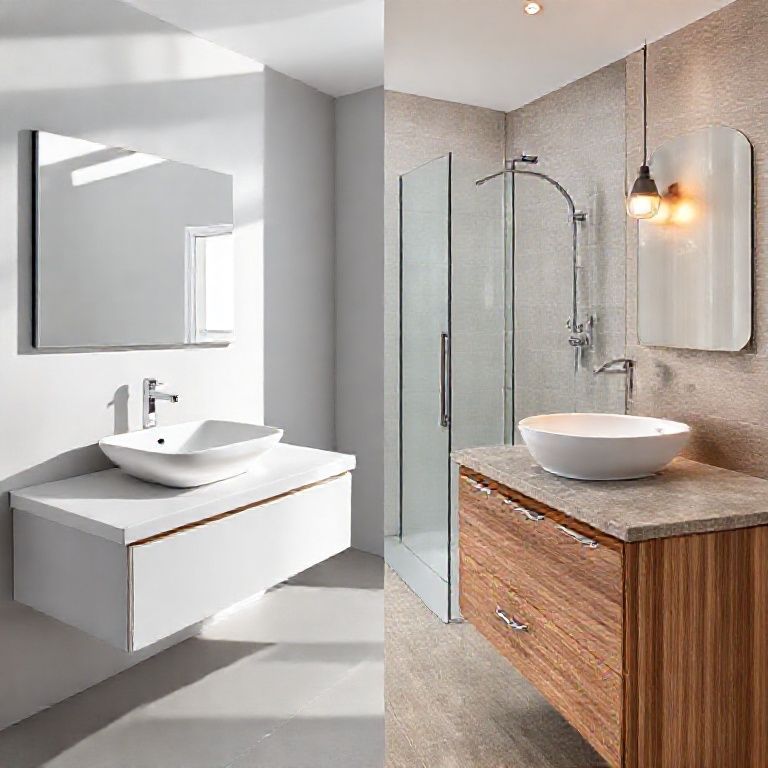
Durability and Longevity: Modern countertops are designed to withstand daily use, spills, and wear and tear. Materials like quartz and granite are particularly durable and long-lasting, reducing the need for frequent replacements. Improved Functionality: New countertops provide ample workspace for food preparation, dining, and other activities. With a larger and more functional surface, your kitchen becomes more efficient and comfortable. Enhanced Aesthetics: Upgrading your countertops can significantly boost the visual appeal of your kitchen. A sleek, modern countertop can complement any kitchen design, from traditional to contemporary styles. Increased Home Value: Kitchens with updated countertops often sell for more than those with outdated surfaces. According to real estate trends, homeowners can recoup a significant portion of their investment when selling their homes, making countertop replacement a smart renovation choice. Easy Maintenance: Many modern countertop materials are easy to clean and maintain. For instance, quartz and composite countertops are resistant to stains and scratches, requiring minimal upkeep. This can save you time and effort in the long run. Customization and Personalization: With a wide range of materials, colors, and designs available, you can choose countertops that perfectly match your personal style and preferences. From bold patterns to seamless designs, the possibilities are endless.
Expert Tips for Kitchen Countertop Replacement
To ensure a successful kitchen countertop replacement, consider these expert tips:
Plan Ahead: Start by deciding on your budget and the type of countertop you want. Research different materials and designs to find what best suits your needs and preferences. Take measurements of your kitchen to get accurate estimates. Choose Quality Materials: Invest in high-quality materials that offer durability and long-lasting performance. While premium materials may cost more upfront, they save you money in the long run by reducing the need for frequent replacements. Consider the Worktop Size: Ensure that the new countertops provide enough space for your kitchen activities. A larger worktop can accommodate more prep space, making your kitchen more functional. Get Professional Help: For a seamless installation process, consider hiring a professional contractor. While it adds to the cost, professional installation ensures that your countertops are installed correctly, reducing the risk of damage and future issues. Plan for Removal and Disposal: Factor in the cost of removing the old countertops and properly disposing of the material. Many contractors can handle this process, but it’s good to have a plan in place to avoid unexpected costs. Incorporate Design Elements: Think about incorporating design elements like backsplashes, integrated lighting, and custom cutouts that can add to the overall aesthetic and functionality of your kitchen.
Conclusion
Kitchen countertop replacement is a significant investment that can transform your kitchen into a more functional, beautiful, and valuable space. By understanding the costs involved and the numerous benefits, you can make an informed decision that meets your aesthetic and functional needs. Remember to plan ahead, choose quality materials, and consider professional installation to ensure a successful renovation. With the right approach, your kitchen countertop replacement can be a rewarding and impactful home improvement project.

Part 2
The Ultimate Guide to Kitchen Countertop Replacement: Cost, Benefits, and Expert Tips
Maximizing the Value of Your Kitchen with Countertop Upgrades
Upgrading your kitchen countertops is one of the most impactful home improvement projects you can undertake. Not only does it enhance the aesthetics of your kitchen, but it also boosts functionality and increases your home’s overall value. In this second part, we delve deeper into the benefits, considerations, and expert tips to ensure your kitchen countertop replacement is a success.
Understanding the Long-Term Benefits
While the upfront cost of replacing your kitchen countertops may seem significant, the long-term benefits are substantial:
Enhanced Kitchen Efficiency: New countertops provide ample workspace for food preparation, making your kitchen more efficient. Whether you’re a professional chef or a casual cook, a spacious and well-designed countertop allows for better organization and workflow. Improved Durability: Modern countertop materials are designed to withstand daily wear and tear. Durable materials like quartz, granite, and slate ensure that your countertops will last for many years, reducing the need for frequent replacements and saving you money in the long run. Increased Home Value: Kitchens with updated countertops often sell for more than those with outdated surfaces. According to real estate trends, homeowners can recoup a significant portion of their investment when selling their homes. Kitchen upgrades are one of the most effective renovations in terms of return on investment (ROI). Enhanced Aesthetics: A well-chosen countertop can dramatically improve the visual appeal of your kitchen. From sleek, modern designs to classic, timeless styles, new countertops can complement any kitchen decor and create a more inviting space.
Choosing the Right Material
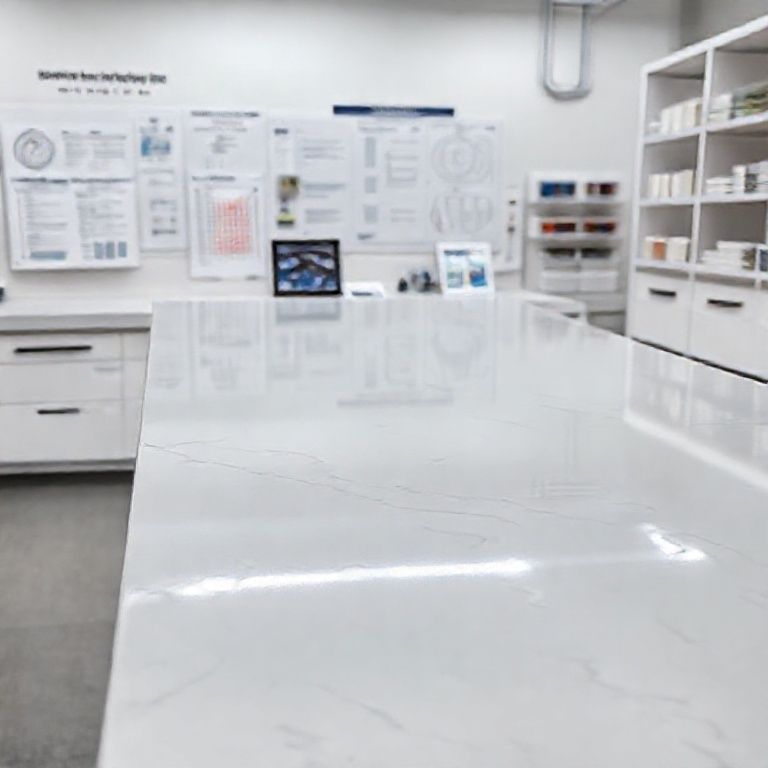
Selecting the right material for your kitchen countertops is crucial for both aesthetics and functionality. Here’s a closer look at the popular options:
Slate: 板岩具有独特的纹理和颜色,非常适合创造一个个性化的厨房设计。 虽然板岩耐用,但它需要定期的保养和密封,以防止吸收污渍和液体。 Composite: 复合材料通常是由纤维和树脂混合而成,提供了耐用且易于清洁的选择。 它们通常比自然石材更便宜,但可能不如自然石材耐用。
Laminate: 层压材料是一种低成本的选择,提供了各种颜色和图案的选择。 它们不太耐用,容易刮伤和凹陷,但非常容易清洁。 Stone Veneer: 石材贴面是一层薄薄的天然石材覆盖在耐用基底上,提供了天然石材的外观,但更加耐用和易于维护。
安装和维护
准备工作: 清除旧的台面,确保台面下方的表面平整干净。 测量台面尺寸以确保新台面与原有尺寸匹配。 安装: 对于大多数台面,建议使用胶水和/或支架固定。如果是石材台面,可能需要使用专门的安装胶水和石材固定夹具。 确保台面水平,并在安装过程中不断检查和调整。
密封和保养: 对于天然石材如花岗岩、大理石和板岩,需要定期密封以防止污渍。 使用耐用的清洁剂和保养产品来保持台面的光泽和耐用性。
预算和选择
预算: 确定一个合理的预算,包括材料、劳动力和其他相关费用。 考虑到不同材料的价格差异,提前做好比较和预算规划。 选择供应商: 多与供应商联系,比较价格和质量。 查看供应商的样品和参考项目,以确保他们的产品符合你的期望。
设计和风格
风格匹配: 确保新台面与现有的厨房设计和风格相匹配。无论是现代、传统还是乡村风格,都应选择能够补充整体设计的台面。 颜色和图案: 选择颜色和图案时,考虑光线和房间整体效果。 浅色台面可以使厨房显得更大和更明亮,而深色台面则可以增加厨房的热情和温暖感。
专业帮助
如果你对安装和维护不是特别熟悉,或者项目规模较大,最好请专业的安装公司来处理。专业人员不仅能确保台面的正确安装,还能提供专业的建议和维护指导,延长台面的使用寿命。
希望这些信息能帮助你做出明智的选择,并成功完成厨房台面的更换项目!如果你有其他问题,随时欢迎提问。