The Intricate Art of Marble Dry-Packing: What You Need to Know
Marble dry-packing is a meticulous process that ensures the safe transportation and handling of this exquisite stone. Unlike wet packing, which involves using water-saturated materials, dry-packing relies on specially designed dry materials to protect the marble during transit. This technique is crucial in preserving the pristine quality of marble, preventing damage from the rigors of shipping and handling.
Understanding Marble Dry-Packing Materials
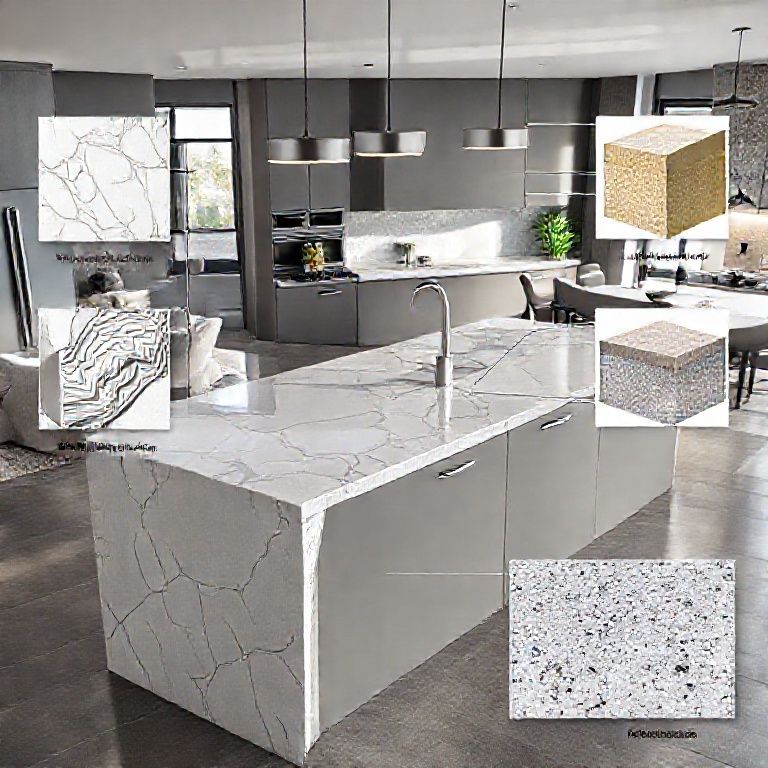
The choice of materials used in marble dry-packing is essential. High-quality, dry-packing materials absorb shocks and vibrations, providing a robust protective layer for the marble. These materials include:
Bubble Wrap: Lightweight and flexible, bubble wrap is often used to cushion marble pieces, preventing any movement during transit. Foam Inserts: Custom-sized foam inserts are designed to fit snugly around marble blocks, ensuring no shifting occurs. Plywood Boxes: Sturdy and durable, these boxes provide a solid framework that can be reinforced with additional packing materials. Kraft Paper: This strong, brown paper is used for wrapping and securing marble pieces, adding an extra layer of protection.
Factors Influencing Marble Dry-Packing Cost
The cost of marble dry-packing materials per square meter can vary widely based on several factors:
Material Quality: Higher-grade materials such as premium foam or specialized protective wrappings will naturally cost more. Volume and Size of Marble: Larger or more fragile pieces may require more extensive and costly packing solutions. Shipping Distance: Longer distances and international shipping often incur higher costs due to the increased need for protection. Customization Needs: Tailored packing solutions for unique shapes or sizes can lead to higher expenses.
Cost Breakdown for Marble Dry-Packing
To give you a clearer picture, here’s a general cost breakdown for marble dry-packing materials per square meter:
Basic Bubble Wrap and Foam Inserts: $3 to $5 per square meter. Standard Plywood Boxes and Kraft Paper: $5 to $10 per square meter. High-Quality Custom Foam Inserts and Premium Wrapping: $10 to $20 per square meter.
These prices are estimates and can vary depending on the specific requirements of your project.
Benefits of Investing in Quality Dry-Packing Materials
Investing in high-quality dry-packing materials might seem like an additional expense, but it pays off in the long run. Here are some key benefits:
Protection: Superior materials ensure that your marble remains unblemished and undamaged throughout the shipping process. Safety: Properly packed marble reduces the risk of damage, leading to fewer returns and a better reputation. Cost Savings: While higher upfront costs might seem daunting, they ultimately save money by preventing costly repairs or replacements.
Choosing the Right Marble Dry-Packing Materials
When selecting materials for your marble dry-packing project, consider the following tips:
Assess the Marble’s Fragility: Determine how delicate your marble pieces are and choose packing materials accordingly. Consult with Experts: Seek advice from suppliers or packing professionals who can recommend the best materials for your specific needs. Consider Future Needs: Think about the long-term benefits and how materials will impact the overall success of your project.
Conclusion
Marble dry-packing is an essential step in safeguarding this luxurious stone during transportation. While the cost of materials per square meter can vary, investing in high-quality dry-packing solutions ensures the longevity and beauty of your marble pieces. By understanding the factors that influence costs and the benefits of premium materials, you can make informed decisions that will protect your valuable assets.

Maximizing Marble Dry-Packing Efficiency: Tips and Expert Insights
Continuing our exploration of marble dry-packing, we delve deeper into maximizing efficiency and ensuring the best possible outcomes for your projects. In this part, we’ll uncover expert insights, advanced techniques, and additional tips to elevate your marble dry-packing processes.
Advanced Techniques for Marble Dry-Packing
To further enhance the protection of your marble, consider these advanced techniques:
Layered Packing: Use a combination of different materials to create multiple layers of protection. For example, start with bubble wrap, then add foam inserts, and finally secure with plywood boxes and kraft paper.
Custom Molding: For unique shapes or large blocks, custom-made molds can provide superior protection. These molds can be crafted from high-density foam or other resilient materials.
Water-Resistant Materials: In cases where there is a risk of moisture, use water-resistant materials or even incorporate desiccant packs to prevent any potential water damage.
Double Wrapping: Apply a double layer of wrapping to ensure maximum security. This method can be particularly useful for international shipping where the risk of damage is higher.
Expert Insights on Cost Management
While quality is paramount, managing costs effectively is equally important. Here are some expert tips:
Bulk Purchases: Buying materials in bulk can often reduce costs. However, ensure that you have adequate storage space for unused materials.
Seasonal Discounts: Keep an eye out for seasonal discounts or bulk purchase deals. Planning your purchases around these periods can lead to significant savings.
Negotiating with Suppliers: Don’t hesitate to negotiate with suppliers for better rates, especially if you have consistent packing needs.
Sustainable Options: Consider eco-friendly, sustainable materials. While these might have a higher initial cost, they often come with long-term savings and are increasingly favored by environmentally conscious buyers.
Optimizing Packing for Different Marble Types
Different types of marble require different packing strategies. Here’s how to optimize your packing approach based on the type of marble:
Calcite Marble: Known for its relatively softer nature, calcite marble requires extra cushioning. Use thicker foam inserts and double wrapping to prevent any potential scratches or breaks.
Travertine Marble: Travertine is often more durable but can still benefit from robust packing. Use layered packing with a combination of bubble wrap, foam inserts, and reinforced boxes.
Quartzite Marble: Quartzite is one of the hardest types of marble, so it requires less aggressive packing. Standard bubble wrap and foam inserts should suffice, but ensure tight box fittings.
Safety Protocols and Best Practices
Implementing strict safety protocols and best practices can significantly enhance the efficiency and effectiveness of your marble dry-packing process:
Training Staff: Ensure that all personnel involved in packing are adequately trained in the best practices for marble handling and packing.
Use of Protective Gear: Provide staff with gloves and other protective gear to handle marble safely and prevent contamination.
Labeling: Clearly label all packages with information about the contents and any special handling instructions to avoid confusion during transit.
Regular Inspections: Conduct regular inspections of packing materials to ensure they are in good condition and replace any damaged items promptly.
Future Trends in Marble Dry-Packing
The field of marble dry-packing is continually evolving with technological advancements and changing industry standards. Here are some future trends to watch:
Innovative Packaging Materials: Research into new, more efficient materials is ongoing. Expect developments in biodegradable and high-strength packing materials.
Automated Packing Solutions: Automation can streamline the packing process, reducing human error and increasing efficiency. Automated systems can precisely place materials and secure packages.
Enhanced Tracking Systems: Improved tracking systems will provide better oversight of shipments, allowing for real-time monitoring and faster response times in case of delays or damages.
Conclusion
In conclusion, marble dry-packing is a critical process that requires careful consideration of materials, techniques, and costs. By understanding the nuances of this process and implementing best practices, you can ensure the safe and undamaged transportation of your marble pieces. Investing in high-quality packing materials, even at a higher cost, can provide long-term benefits that safeguard your valuable assets. Stay informed, stay proactive, and make the best choices for your marble dry-packing needs to achieve optimal results.
This comprehensive guide provides an in-depth look at marble dry-packing, covering everything from material costs to advanced packing techniques and future trends, ensuring you have all the information needed to make informed decisions.