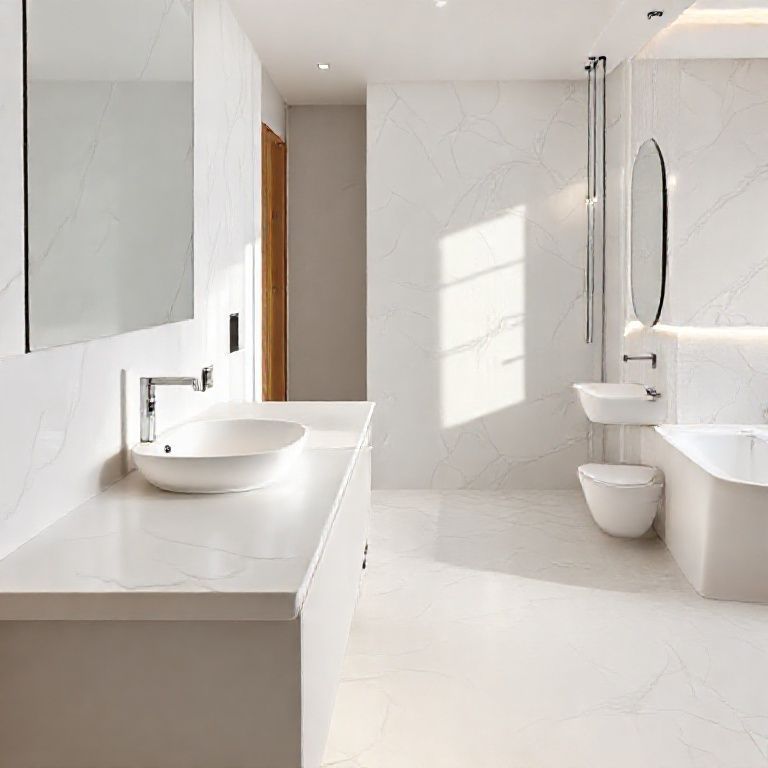
The Ultimate Guide to Marble Floor Installation Costs: Unveiling the Price Per Square Meter
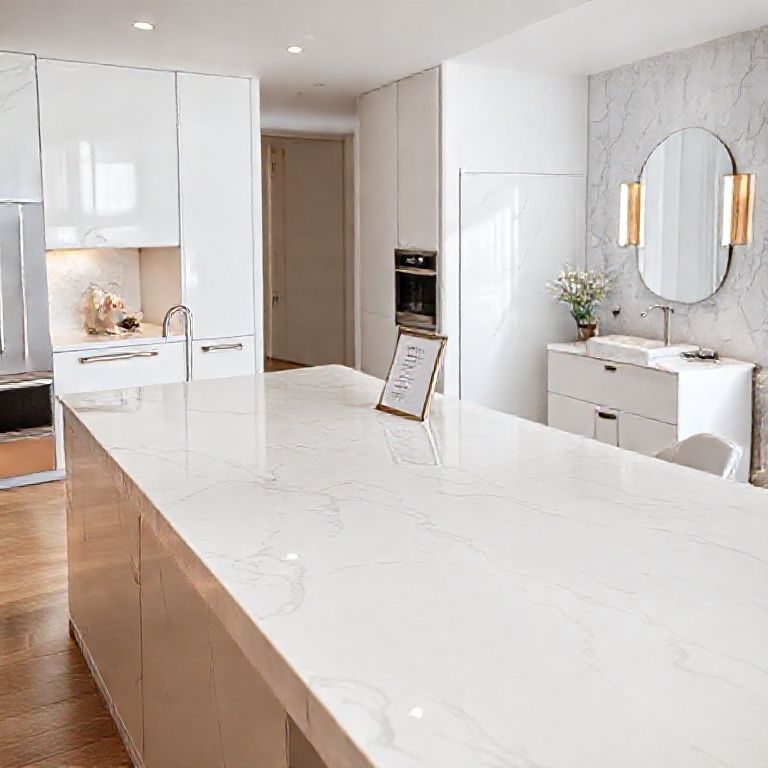
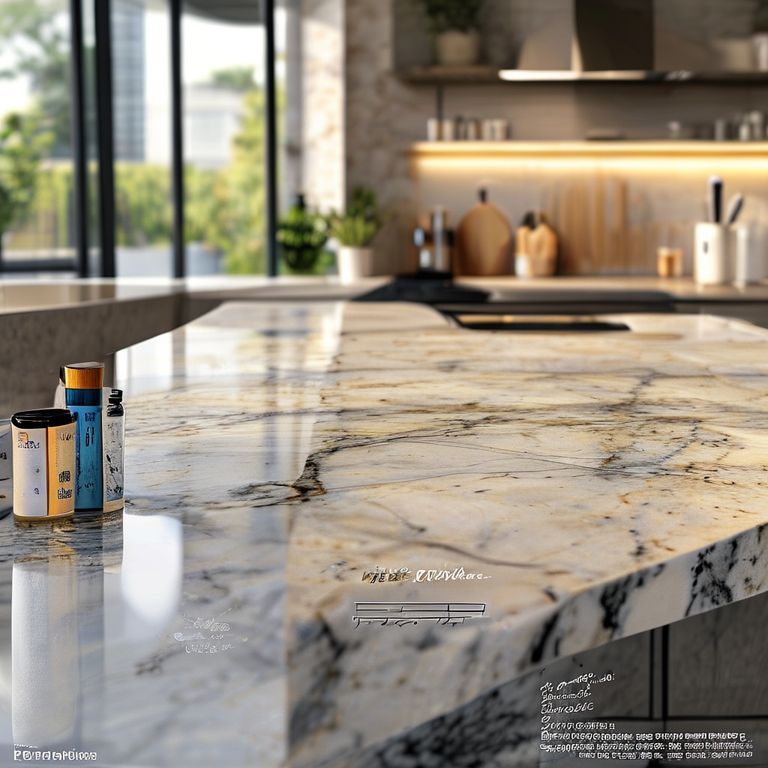
Marble, renowned for its timeless elegance and luxurious appeal, remains a favorite choice for many when it comes to flooring. Whether it’s for a residential or commercial space, marble flooring brings a touch of sophistication and grandeur. However, the cost of marble floor installation can vary significantly based on several factors. This guide aims to provide a detailed understanding of the costs involved, helping you make an informed decision.
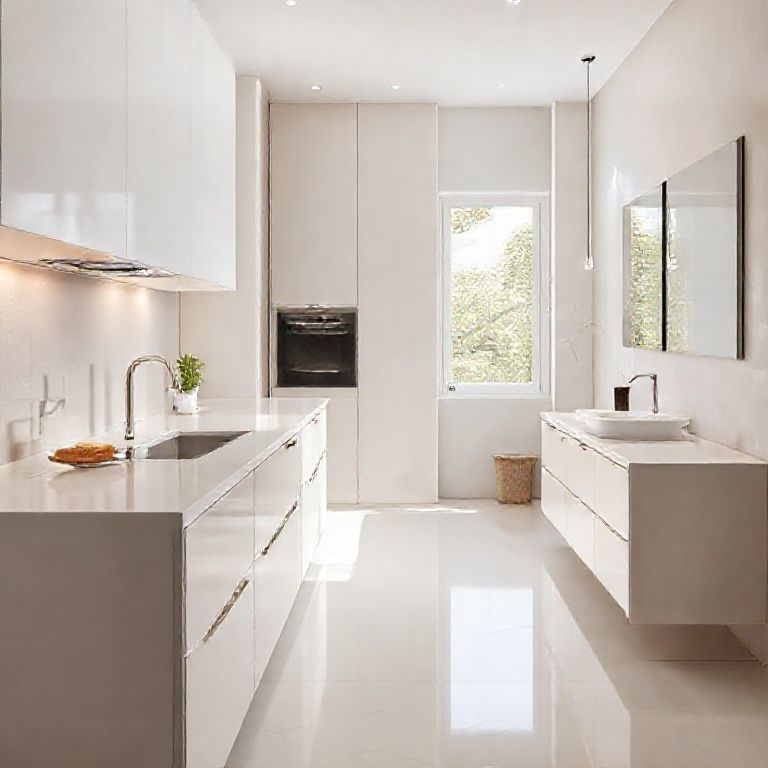
Understanding the Cost Factors
1. Quality of Marble
The first and foremost factor affecting the cost of marble flooring is the quality of the marble itself. Marble comes in various types, each with unique characteristics and price points.
Italian Marble: Known for its fine grain and exquisite finish, Italian marble commands a premium price. Marbles like Carrara and Bianco Sicilia are highly sought after. Indian Marble: Varieties like Emperador Grey and Royal Marble offer excellent durability and are more affordable than high-end Italian marbles. Chinese Marble: Known for their vibrant colors, marbles like Jade White and Red Pine are popular choices and are generally more cost-effective.
2. Design and Finish
The design and finish of the marble flooring also play a crucial role in determining the cost. Marble can be polished, honed, or even natural, each offering different aesthetics and durability.
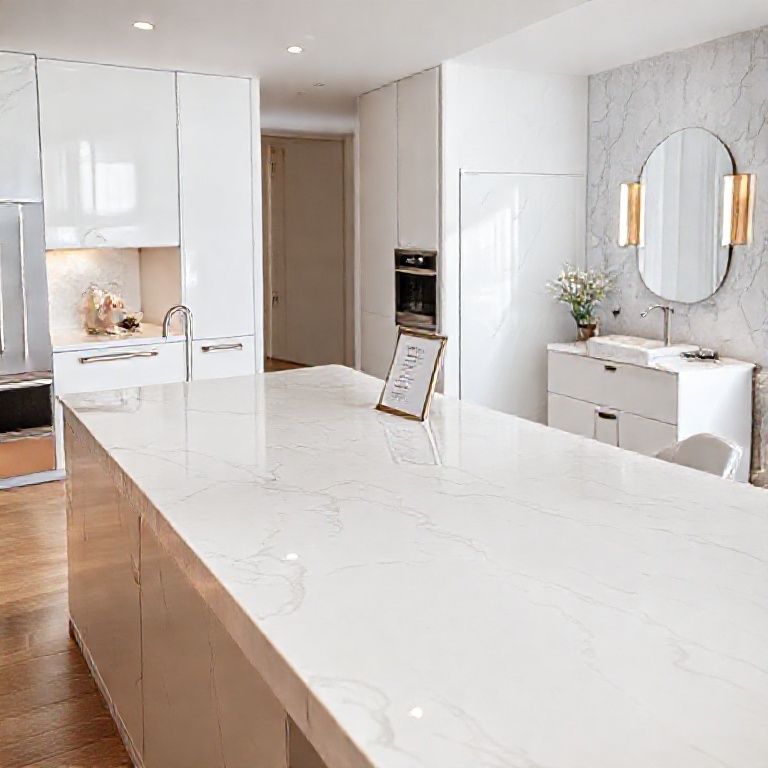
Polished Marble: This finish provides a glossy, reflective surface that enhances the room’s brightness. Honed Marble: This finish offers a matte, non-reflective surface that is easier to clean and maintain. Natural Marble: Often left in its raw state, natural marble provides a unique, rustic appeal.
3. Installation Process
The complexity of the installation process is another significant factor. Custom designs, intricate patterns, and the need for specialized techniques can drive up costs.
Complex Patterns: Intricate designs such as herringbone or mosaic patterns require skilled labor and additional materials. Subfloor Preparation: Ensuring a smooth, even subfloor is essential for a flawless installation. This preparatory work can add to the overall cost. Sealing and Maintenance: High-quality marble requires regular sealing and maintenance, which adds to the long-term costs but ensures the longevity of the flooring.
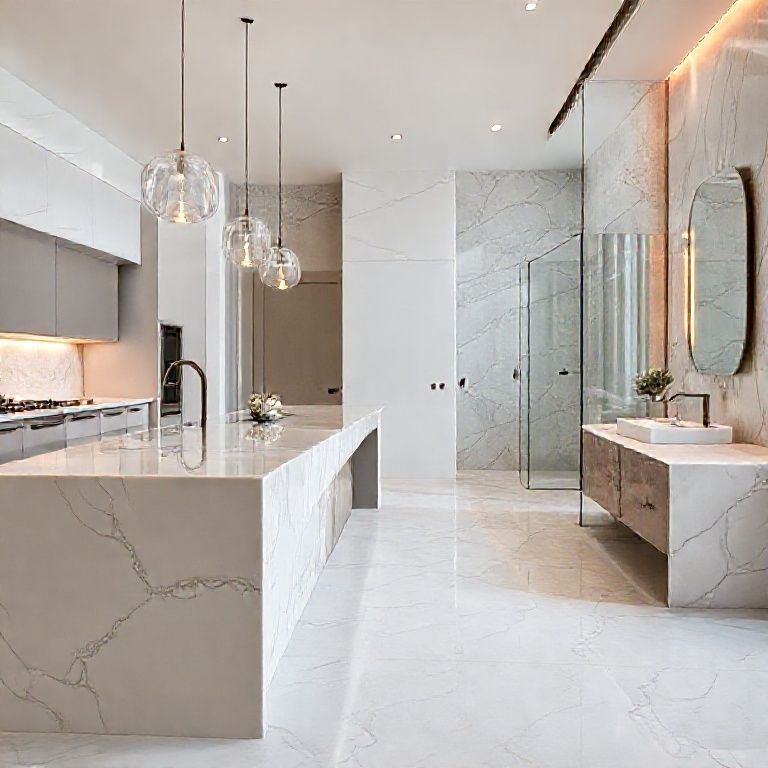
4. Labor Costs
Labor costs vary depending on the region, the complexity of the installation, and the expertise of the installers. Professional installers with experience in marble flooring can command higher rates.
Advantages of Marble Flooring
1. Aesthetic Appeal
Marble flooring offers a timeless elegance that enhances the aesthetic appeal of any space. Its natural beauty and luxurious finish create a sense of grandeur and sophistication.
2. Durability
Marble is one of the hardest natural stones, making it highly durable and resistant to scratches and stains. With proper maintenance, marble floors can last for decades.
3. Easy Maintenance
Marble is relatively easy to maintain. Regular cleaning with a soft cloth and marble-specific cleaner is usually sufficient to keep it looking pristine.
4. Versatility
Marble flooring is versatile and can complement various interior design styles, from modern to traditional. It can be used in both residential and commercial spaces.
Cost Per Square Meter
The cost of marble flooring per square meter can vary widely depending on the factors mentioned above. Here’s a general breakdown to give you an idea of what to expect:
Low-End Marble: Approximately $20 to $50 per square meter. Mid-Range Marble: Approximately $50 to $150 per square meter. High-End Marble: Approximately $150 to $500 per square meter.
Expert Tips for Getting the Best Value
1. Plan Ahead
When planning a marble flooring project, it’s essential to have a clear vision of your design and budget. This will help you choose the right type of marble and installation method.
2. Compare Quotes
Get multiple quotes from different installers to ensure you’re getting a fair price. Don’t just compare costs; also consider the experience and reputation of the installers.
3. Consider the Long-Term
While high-quality marble might have a higher upfront cost, its durability and low maintenance requirements make it a cost-effective choice in the long run.
4. Professional Installation
Investing in professional installation ensures that your marble flooring will last longer and look better. The expertise of professional installers can make a significant difference in the final result.
5. Regular Maintenance
Regular maintenance is crucial for preserving the beauty and longevity of your marble flooring. Invest in quality maintenance products and schedule periodic cleaning and sealing.
Conclusion
Marble flooring is a luxurious and enduring choice that can elevate the aesthetic and value of any space. Understanding the various cost factors and investing in quality materials and professional installation can help you achieve the best results. By following expert tips and planning ahead, you can enjoy the timeless beauty of marble flooring without breaking the bank.
The Ultimate Guide to Marble Floor Installation Costs: Unveiling the Price Per Square Meter (Continued)
Detailed Insights into Marble Flooring Costs
1. Regional Price Variations
The cost of marble flooring can vary significantly based on geographical location. Regions with a high demand for marble and fewer suppliers might see higher prices.
North America: Generally, the cost of marble flooring in North America tends to be on the higher side due to the premium quality and craftsmanship involved. Europe: European countries with a long-standing tradition of marble usage, like Italy, often have higher prices due to the demand for high-end marble varieties. Asia: Countries like China and India offer a range of marble options at varying price points, making them popular for both local and international projects.
2. Customization and Special Orders
Customization and special orders can significantly impact the cost of marble flooring. Unique designs, colors, and sizes often require additional labor and materials.
Custom Cuts: Custom-cut tiles to fit irregular spaces can be more expensive than standard tiles. Special Orders: Ordering marble from distant quarries or importing it from other countries can increase transportation costs and overall expenses.
3. Subfloor Preparation
The preparation of the subfloor is crucial for a flawless marble installation. A well-prepared subfloor ensures that the marble tiles adhere properly and last longer.
Gypsum Board Base: A smooth, even gypsum board base is often required before laying marble tiles. Concrete Base: For concrete bases, proper leveling and sealing are necessary to provide a stable surface for the marble tiles.
4. Adhesives and Underlayment
The type of adhesives and underlayment used in the installation process can also affect the overall cost. High-quality adhesives and underlayment provide better adhesion and durability.
Adhesives: Premium adhesives designed specifically for marble flooring can enhance the longevity and appearance of the installation. Underlayment: A quality underlayment provides a cushioned base for the marble tiles, reducing noise and enhancing comfort underfoot.
5. Labor Costs Breakdown
Labor costs are a significant component of the overall installation price. Understanding the different elements of labor costs can help you budget more accurately.
Skilled Labor: The expertise of skilled labor can range from $20 to $50 per square meter, depending on the complexity of the project. Overtime and Additional Fees: In cases of complex installations or additional requirements, overtime and extra fees may apply.
Comparing Different Types of Marble Flooring
1. Marble Tiles vs. Marble Slabs
Choosing between marble tiles and marble slabs can impact both the aesthetic and the cost of your flooring project.
Marble Tiles: Tiles offer more design flexibility and can be used to create intricate patterns. However, they might require more cutting and fitting, which can add to the cost. Marble Slabs: Slabs provide a more uniform look and are easier to install. They are often more cost-effective due to less cutting and fitting required.
2. Natural vs. Synthetic Marble
Natural marble is always preferred for its authenticity, but synthetic marble offers a more affordable alternative with similar aesthetics.
Natural Marble: While natural marble offers unmatched quality and beauty, it comes at a higher cost. Synthetic Marble: Synthetic marble, made from a mixture of natural marble dust and resin, offers a cost-effective alternative without compromising on appearance.
Budgeting for Your Marble Flooring Project
1. Initial Budgeting
When budgeting for a marble flooring project, it’s essential to consider all potential costs, including materials, labor, and unforeseen expenses.
详细预算分析
1. 固定成本(Fixed Costs)
固定成本是那些不随业务规模变化而变化的费用。这些成本在短期内通常难以避免。
示例:
租金:办公室或生产设施的租金。 员工薪资:固定薪酬,包括高管、行政人员和任何长期合同工。 设备折旧:长期设备的折旧费用。 公用事业:电费、水费和互联网费用。
2. 可变成本(Variable Costs)
可变成本随业务活动的量而变化。这些是直接与生产相关的费用。
示例:
原材料成本:生产产品所需的直接材料。 销售佣金:销售团队的佣金。 运输费用:产品运输的成本。
3. 半可变成本(Semi-variable Costs)
这些成本既包含固定部分,也包含可变部分。
示例:
维护费用:设备维护可能有固定的定期维护费用,也可能随设备使用量增加而增加。 电话费:基本通话费用是固定的,但长途通话费用是可变的。
4. 一次性成本(One-time Costs)
这些是不定期发生但需要考虑的费用。
示例:
市场营销活动:广告活动、促销和市场调研。 研发费用:新产品开发的成本。
收入预测
1. 销售收入
预测销售量:基于市场调研和历史数据预测未来销售量。 单价:确定产品或服务的售价。 总收入:销售量 * 单价
2. 其他收入
示例:
服务费:提供的附加服务收入。 投资收入:如果业务有投资部分,可以包括利息收入等。
盈利能力分析
毛利润:总收入 – 可变成本 运营利润:毛利润 – 固定成本 净利润:运营利润 – 半可变成本 – 一次性成本 + 其他收入
预算执行与控制
定期审查:定期审查预算执行情况,确保实际成本和收入与预算的一致性。 调整策略:根据审查结果,调整成本控制和销售策略。 报告与透明度:确保所有相关部门和管理层对预算执行情况有清晰的了解。
风险管理
成本控制:通过严格的成本控制措施来管理预算,防止超支。 市场风险:通过市场调研和分析来预测市场变化,及时调整业务策略。 财务风险:建立应急资金和风险缓解机制。
总结
制定一个详细、可行的预算,对于确保业务的稳健运行和可持续发展至关重要。通过细致的成本分析、收入预测和盈利能力评估,以及有效的执行和控制机制,你的业务能够更好地应对市场变化,实现长期目标。
如果你有具体的业务或项目细节,我可以进一步提供更具体的建议和分析。