The Ultimate Guide to Marble Flooring Installation Costs: Everything You Need to Know
When it comes to enhancing the aesthetic appeal of your home or business, marble flooring stands out as a timeless choice. Known for its elegance and durability, marble flooring can elevate the ambiance of any space. However, understanding the marble flooring installation costs is crucial for making a well-informed decision. This article explores the various aspects that influence the cost of marble flooring installation, providing you with the information needed to budget accurately and choose the best option for your needs.
Understanding Marble Flooring
Before diving into the cost factors, it’s essential to understand what marble flooring entails. Marble is a popular natural stone used for flooring due to its luxurious appearance and long-lasting nature. Unlike other types of flooring, marble is quarried from natural deposits and comes in a variety of colors and patterns. This uniqueness adds to its appeal but also impacts its cost.
Types of Marble Flooring
There are several types of marble flooring available, each offering different qualities and prices:
Italian Marble: Renowned for its fine grains and rich colors, Italian marble is often used in high-end projects. Its premium quality comes at a higher price. Turkish Marble: Known for its unique veining patterns, Turkish marble is popular for its beauty and durability. It is a slightly more affordable option compared to Italian marble. Brazilian Marble: Famous for its vibrant colors and patterns, Brazilian marble is ideal for those looking for bold and striking designs. It offers a range of aesthetic options at different price points. Indian Marble: Known for its affordability and wide range of colors, Indian marble is a cost-effective choice for those on a budget while still wanting to enjoy the luxury of marble flooring.
Factors Influencing Marble Flooring Installation Costs
Several factors influence the overall cost of installing marble flooring, including the type of marble, the size of the area, the complexity of the installation, and the labor costs. Here are the primary factors to consider:
1. Type of Marble
The type of marble chosen has a significant impact on the overall cost. As previously mentioned, Italian marble is the most expensive due to its fine grains and aesthetic appeal. On the other hand, Indian marble is more affordable, making it a popular choice for budget-conscious homeowners and businesses.
2. Size of the Area
The size of the area you plan to cover with marble flooring directly affects the cost. Larger areas require more materials and labor, thus increasing the installation cost. It’s essential to measure the space accurately and consider any irregular shapes or additional areas that may need special attention.
3. Complexity of Installation
The complexity of the installation process also plays a crucial role in determining the cost. Factors such as the existing floor condition, the presence of obstacles like stairs or appliances, and the need for custom cuts or special techniques like herringbone or diagonal patterns will influence the overall price. More intricate designs and layouts will typically incur higher costs.
4. Labor Costs
Professional labor is essential for a successful marble flooring installation. The cost of labor varies depending on the expertise required and the region’s labor rates. It’s crucial to hire skilled professionals to ensure the job is done correctly and to avoid any potential issues in the future.
5. Additional Costs
Several other costs may be associated with marble flooring installation, including:
Transportation and Delivery: Costs for transporting the marble to the installation site. Installation Fees: Some contractors charge a fee for installation, which can vary based on the project’s complexity. Waste Disposal: Proper disposal of any waste generated during the installation process. Maintenance: Initial maintenance and cleaning to prepare the marble for installation.
Planning Your Budget
To ensure you stay within your budget, it’s important to consider all the above factors when planning for marble flooring installation. Here are some steps to help you plan effectively:
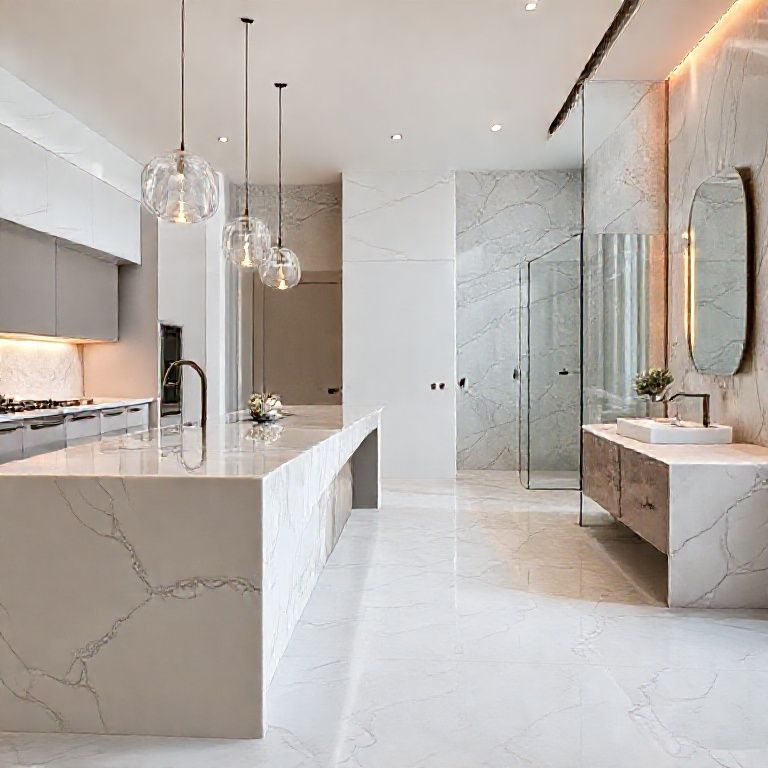
Get Multiple Quotes: Obtain quotes from several contractors to compare prices and services offered. Define Your Needs: Clearly outline what you want in terms of marble type, design, and installation complexity. Check for Hidden Costs: Ensure you understand all potential costs, including labor, materials, and additional fees. Plan for Maintenance: Consider the cost of regular maintenance to keep your marble flooring looking its best.
Conclusion
Marble flooring is an excellent choice for those looking to enhance the beauty and durability of their space. While it comes with a premium price tag, the long-term benefits and aesthetic appeal make it worthwhile. By understanding the factors that influence the cost of marble flooring installation, you can make an informed decision and choose the best option for your needs. Remember to plan your budget carefully, get multiple quotes, and consider all potential costs to ensure a successful installation.
Stay tuned for the second part of this guide, where we will delve deeper into specific cost scenarios and provide more detailed insights into making the most of your marble flooring investment.
The Ultimate Guide to Marble Flooring Installation Costs: Everything You Need to Know
Continuing from where we left off, this part of the guide will delve deeper into specific cost scenarios and provide more detailed insights into making the most of your marble flooring investment. We will explore real-world examples, provide tips on choosing the right marble, and discuss the benefits and long-term value of marble flooring.
Real-World Cost Scenarios
Understanding the cost of marble flooring installation in real-world scenarios can help you better grasp the factors that influence pricing. Here are some examples:
Example 1: Small Residential Space
Imagine you’re planning to install marble flooring in a small living room measuring 200 square feet. You choose Italian marble for its exquisite appearance and complexity. Here’s a breakdown of the costs:
Marble Cost: $5 per square foot for Italian marble = $1,000 Labor Cost: $3 per square foot for professional installation = $600 Total Cost: $1,600
In this scenario, the relatively small area and high-quality marble contribute to the total cost.
Example 2: Medium-Sized Commercial Space
Consider a medium-sized office space of 500 square feet. You opt for Brazilian marble for its vibrant colors and affordability. Here’s the cost breakdown:
Marble Cost: $3 per square foot for Brazilian marble = $1,500 Labor Cost: $2.5 per square foot for professional installation = $1,250 Total Cost: $2,750
In this case, the medium area and more budget-friendly marble result in a lower total cost.
Example 3: Large-Scale Project
For a large-scale project, such as a hotel lobby covering 1,500 square feet, you choose Turkish marble for its unique veining patterns. Here’s the cost breakdown:
Marble Cost: $4 per square foot for Turkish marble = $6,000 Labor Cost: $3 per square foot for professional installation = $4,500 Total Cost: $10,500
The large area and high-quality Turkish marble result in a higher overall cost but offer a stunning and durable flooring solution.
Choosing the Right Marble
Choosing the right type of marble for your project is essential for balancing cost and quality. Here are some tips to help you make the best choice:
1. Consider the Space
Different spaces may require different types of marble. For high-traffic areas like entrances and kitchens, choose durable and affordable options like Brazilian or Indian marble. For more decorative spaces like living rooms and bathrooms, you can afford to go for more expensive marbles like Italian or Turkish.
2. Evaluate Your Budget
Assess your budget carefully and determine how much you’re willing to spend on marble flooring. Remember that while high-end marbles offer superior aesthetics, they come at a higher cost. Balancing your budget with your aesthetic goals is crucial.
3. Consult Professionals
Consult with marble flooring professionals who can provide expert advice based on your specific needs. They can help you choose the right type of marble, offer insights into installation techniques, and provide realistic cost estimates.
Benefits of Marble Flooring
Marble flooring offers numerous benefits that make it a worthwhile investment. Here are some key advantages:
1. Aesthetic Appeal
Marble is renowned for its natural beauty and elegance. Its unique veining patterns and rich colors can transform any space, adding luxury and sophistication.
2. Durability
Marble is a durable material that can withstand heavy foot traffic and daily wear and tear. Proper maintenance can ensure that your marble flooring remains beautiful for years to come.
3. Low Maintenance
4. Versatility and Design Flexibility
Marble flooring offers versatility in terms of design. It can be used in various spaces such as kitchens, bathrooms, living rooms, and offices. The ability to create custom patterns and designs with marble makes it a highly flexible choice for both traditional and modern interiors.
5. Environmental Considerations
While marble is a natural stone, it is important to consider its environmental impact. Marble extraction can have significant environmental consequences, including habitat destruction and water pollution. However, sourcing marble from responsible and sustainable quarries can mitigate these impacts.
Maintenance and Care
Proper maintenance of marble flooring is crucial to keep it looking its best and to prolong its lifespan. Here are some key tips for maintaining marble flooring:
1. Regular Cleaning
Use a soft cloth and a pH-neutral cleaner to clean marble floors regularly. Avoid using harsh chemicals or abrasive cleaners that can damage the surface.
2. Sealing
Sealing your marble flooring can help protect it from stains and spills. It’s recommended to seal the marble every 6 to 12 months, depending on the level of traffic and exposure to harsh chemicals.
3. Avoiding Acidic Products
Acidic products like vinegar, lemon juice, and certain cleaning agents can etch the surface of the marble. Always use pH-neutral cleaners to avoid damaging the flooring.
4. Immediate Spill Management
Spills, especially those containing acids or oils, should be wiped up immediately to prevent staining. Use a dry cloth to blot the spill and then clean with a pH-neutral solution.
Long-Term Value and Investment
Investing in marble flooring not only enhances the aesthetic appeal of your space but also adds long-term value. Here are some points to consider:
1. Increased Property Value
Marble flooring is often seen as a high-end material that can increase the value of a property. Homes and commercial spaces with well-installed and maintained marble flooring often attract higher bids and offer better resale value.
2. Durability and Longevity
Marble is a durable material that can withstand heavy foot traffic and daily wear and tear. With proper care, marble flooring can last for decades, providing a lasting investment in your space.
3. Return on Investment
While the initial cost of marble flooring can be higher compared to some other flooring options, the long-term benefits and the potential increase in property value make it a worthwhile investment.
Conclusion
Marble flooring installation costs can vary significantly based on several factors including the type of marble, the size of the area, the complexity of the installation, and labor costs. By understanding these factors and planning your budget carefully, you can make an informed decision that balances cost with quality and aesthetic appeal.
Choosing the right type of marble, understanding the benefits of marble flooring, and maintaining it properly will ensure that your investment in marble flooring brings long-lasting beauty and value to your space. Whether you’re a homeowner looking to enhance your living space or a business owner aiming to create a luxurious environment, marble flooring offers a timeless and elegant solution.
For further assistance, consulting with professionals who specialize in marble flooring can provide you with tailored advice and expert installation services to ensure the best results.