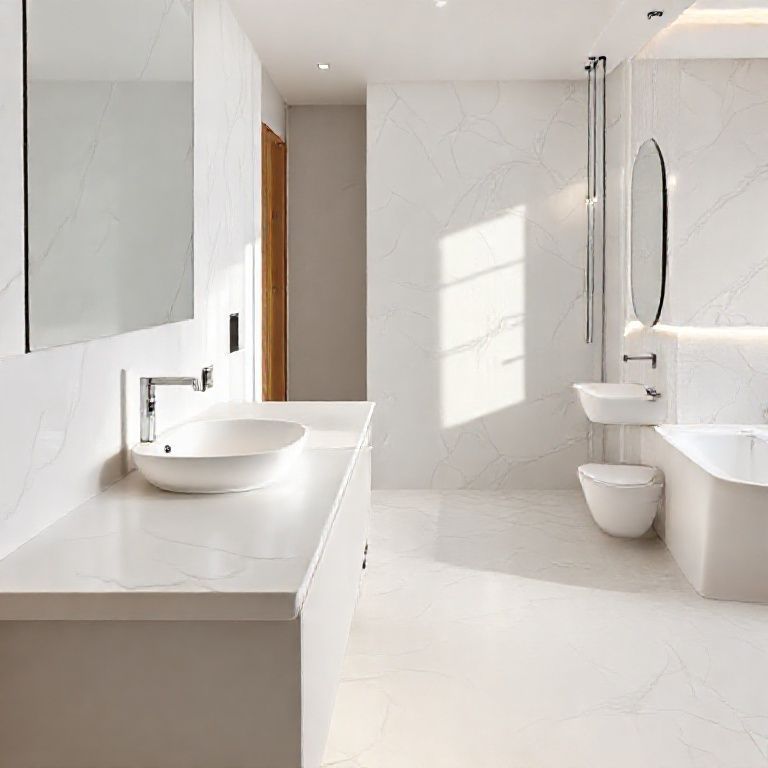
Understanding the Cost of Marble Flooring Installation
When it comes to elevating the aesthetic appeal and sophistication of a space, marble flooring stands out as one of the most exquisite choices. Renowned for its timeless elegance and durability, marble flooring has been a preferred option in high-end residential and commercial projects. However, understanding the cost of marble flooring installation can be quite complex, given the variety of factors that influence the final price. This guide aims to break down the different components that contribute to the total cost, ensuring that you are well-informed and prepared for your next renovation project.
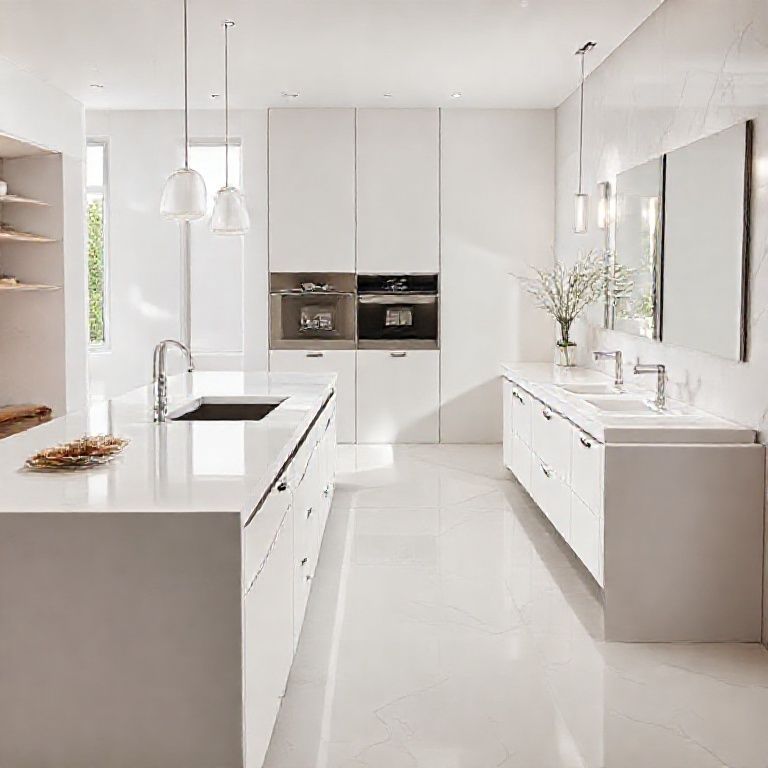
Types of Marble and Their Pricing
One of the primary factors that influence the cost of marble flooring installation is the type of marble you choose. Marble comes in an array of colors, patterns, and textures, each with its unique pricing. Here are some popular types and their general price ranges:
Italian Marble: Known for its rich colors and fine grain, Italian marble typically commands a higher price. Prices can range from $20 to $50 per square foot depending on the specific type and quality. Egyptian Marble: Famous for its classic, timeless appeal, Egyptian marble ranges from $15 to $40 per square foot. Its durability and historical significance contribute to its value. Indian Marble: With a variety of colors and patterns, Indian marble is both beautiful and affordable, ranging from $10 to $30 per square foot. Chinese Marble: Known for its intricate patterns and affordability, Chinese marble generally costs between $8 to $25 per square foot.
Labor Costs
Labor costs are another significant component of the total installation price. The complexity of the installation process, the level of expertise required, and the geographical location all affect labor costs. On average, labor costs for marble flooring installation can range from $5 to $15 per square foot.
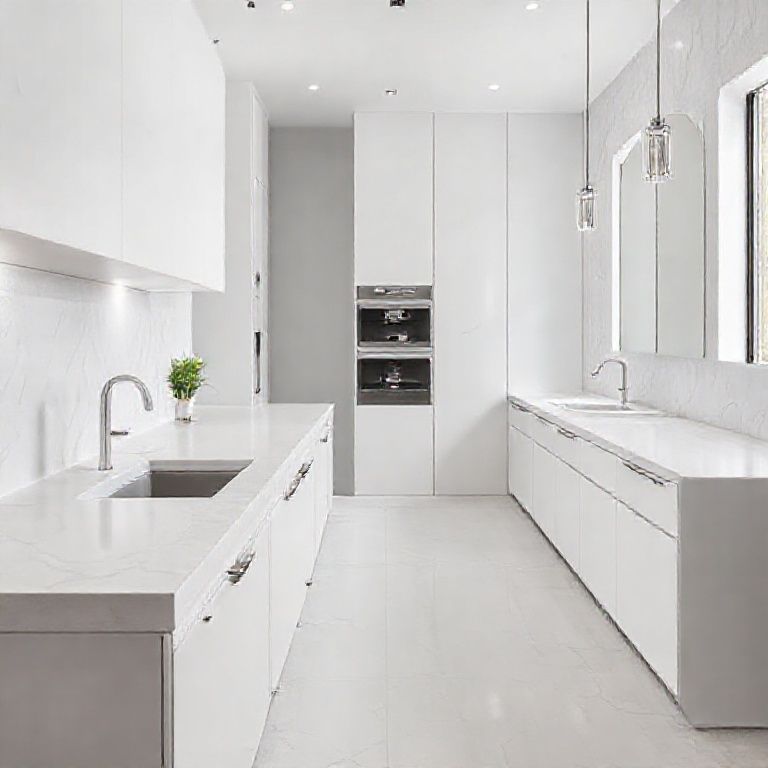
Additional Costs
Several other factors can add to the overall cost of marble flooring installation:
Materials and Accessories: Costs for grout, sealants, and other accessories can range from $1 to $3 per square foot. Professional Design Consultation: If you opt for a professional designer, their fee might add up to $1,000 to $3,000, depending on the complexity of the project. Transportation and Delivery: Depending on the distance, transportation costs can vary. However, many suppliers offer free delivery within a certain radius to minimize this cost. Removal and Disposal of Old Flooring: If existing flooring needs to be removed and disposed of properly, this can add an additional $1 to $3 per square foot.
Tips to Minimize Costs
While marble flooring is an investment, there are ways to minimize costs without compromising on quality:
Choose a Standard Grade: While premium grades offer superior aesthetics and durability, standard grades can be more cost-effective without sacrificing much in terms of appearance. DIY Installation: If you have the necessary skills, consider installing the marble flooring yourself. This can save a significant amount on labor costs. Negotiate with Suppliers: Don’t hesitate to negotiate prices with suppliers and manufacturers. Bulk purchases can often lead to discounts.
Maximizing the Value of Your Marble Flooring Investment
Once you have decided on the type of marble and the installation process, the next step is to ensure that your investment in marble flooring yields the maximum value over time. This involves not just the initial cost but also the long-term benefits, maintenance, and the overall aesthetic enhancement it brings to your space. This guide will delve into these aspects, helping you make the most out of your marble flooring.
Long-Term Benefits of Marble Flooring
Investing in marble flooring is not just about immediate aesthetic enhancement; it’s also a significant investment in the long-term value of your property. Here are some of the long-term benefits:
Durability and Longevity: Marble is one of the hardest natural stones, which makes it extremely durable and long-lasting. With proper maintenance, marble flooring can last for decades, often outlasting many other types of flooring. Resale Value: High-quality marble flooring is a major selling point for any property. It enhances the overall curb appeal and can increase the resale value of your home or commercial space. Low Maintenance: Unlike some other flooring options, marble requires minimal maintenance. With regular cleaning and occasional sealing, marble can maintain its beauty and integrity for years.
Maintenance Tips
To ensure that your marble flooring retains its beauty and durability, regular maintenance is crucial. Here are some essential tips:
Regular Cleaning: Use a pH-neutral cleaner and a soft cloth to clean marble surfaces. Avoid using acidic or abrasive cleaners as they can damage the stone. Sealing: Periodically seal your marble flooring to protect it from stains and spills. The frequency of sealing depends on the amount of traffic and exposure to spills in the area. Avoiding Damage: Use doormats to keep out dirt and spills, and avoid placing heavy furniture directly on the marble floor without pads or sliders to prevent scratches.
Enhancing the Aesthetic Value
Marble flooring can transform the aesthetic appeal of any space, but there are ways to enhance its visual impact further:
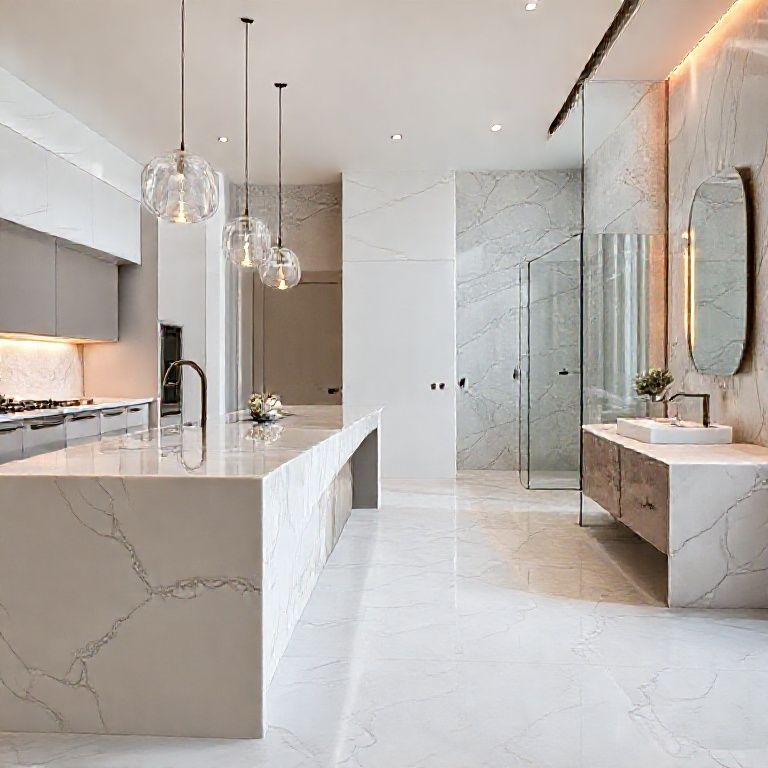
Complementary Design Elements: Use complementary design elements such as elegant light fixtures, high-quality rugs, and stylish furniture to complement the marble flooring and create a cohesive look. Lighting: Proper lighting can enhance the natural beauty of marble. Use ambient lighting and accent lights to highlight the texture and colors of the marble. Color Coordination: Ensure that the color of the marble complements the overall color scheme of the room. Lighter colors tend to brighten up a space, while darker colors add a touch of elegance.
Future Trends in Marble Flooring
To stay ahead in the world of interior design, it’s important to keep an eye on future trends. Here are some upcoming trends in marble flooring:
Sustainable Marble: With increasing focus on sustainability, there is a growing demand for marble sourced from sustainable quarries. This not only helps the environment but also adds a unique value to your flooring. Custom Marble: Custom-cut and colored marble pieces are becoming increasingly popular. These can be tailored to fit specific design needs and add a personalized touch to your space. Marble Composites: Combining marble with other materials to create unique textures and patterns is a growing trend. These composites can offer the durability of marble with the flexibility of modern materials.
Calculating Total Costs and ROI
To get a clearer picture of the total cost and return on investment (ROI), it’s important to calculate both:
Total Costs: Sum up all the costs including material, labor, accessories, and any additional fees. ROI Calculation: Consider the resale value increase, potential rental income increase, and long-term savings on maintenance. Compare these benefits against the total cost to determine the ROI.
By understanding these elements, you can make a well-informed decision that maximizes the value of your marble flooring investment. Whether for personal use or commercial projects, investing in high-quality marble flooring can provide both aesthetic and financial benefits that last for generations.
This comprehensive guide provides a detailed look into the cost, benefits, and maintenance of marble flooring installation, helping you make the best choices for your project.