The Aesthetics and Cost-Effectiveness of Man-Made vs. Natural Marble
When it comes to choosing between man-made marble and natural marble, one of the first considerations is aesthetics. Marble, in its natural form, is often celebrated for its unique beauty and rich, varied patterns. However, man-made marble, also known as synthetic or engineered marble, has been designed to mimic these natural attributes with stunning precision.

Aesthetics of Man-Made Marble
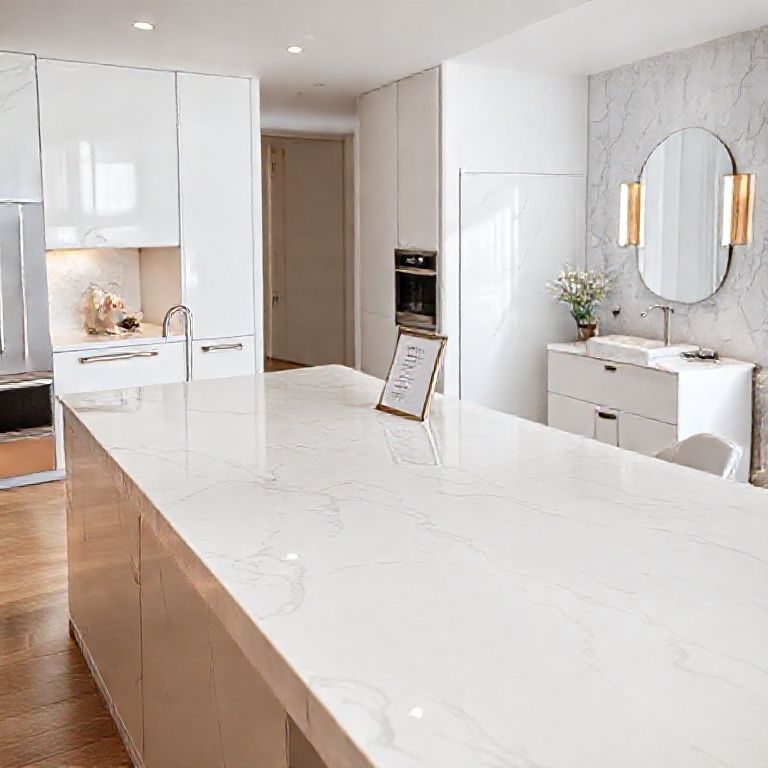
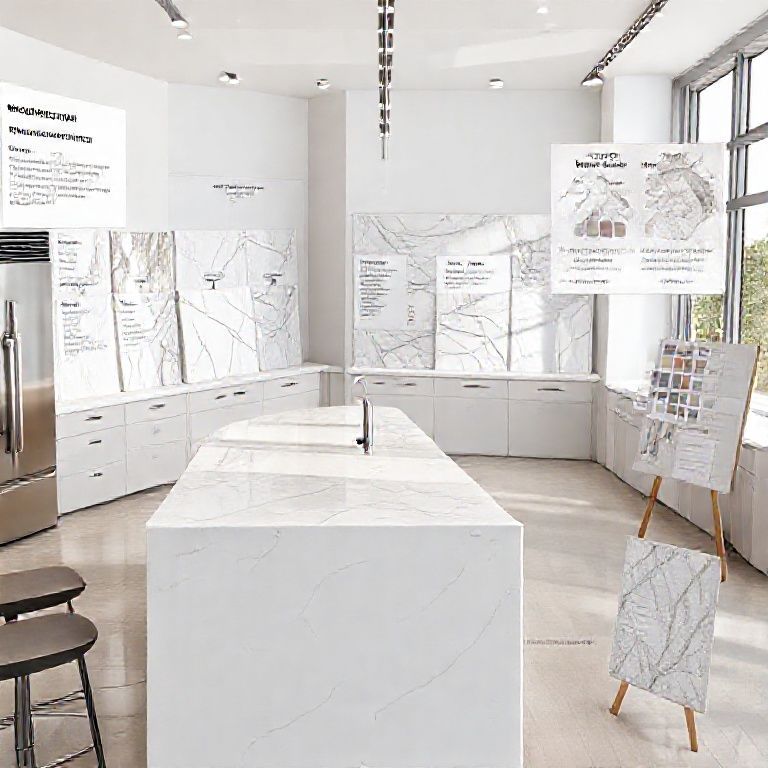
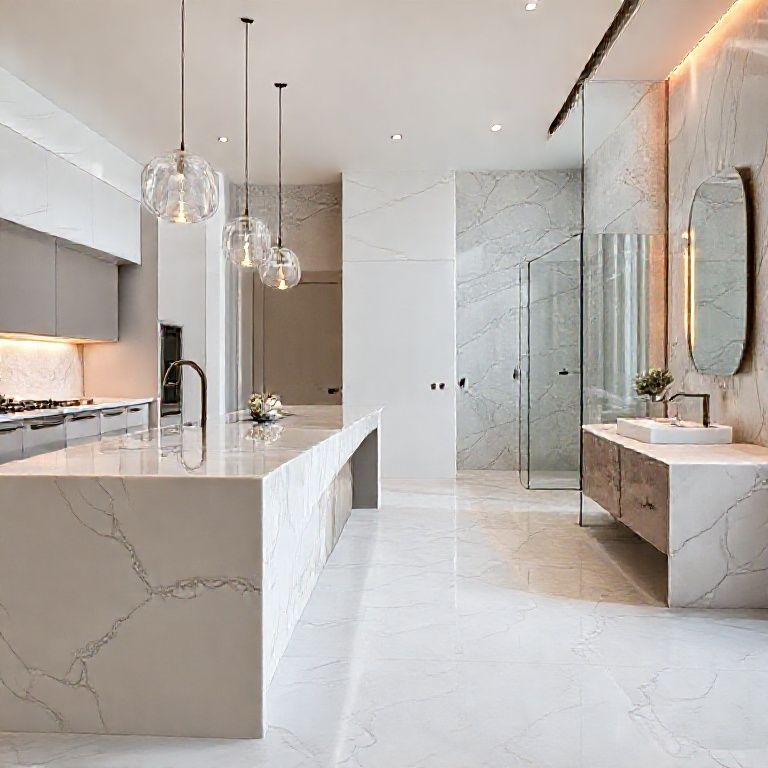
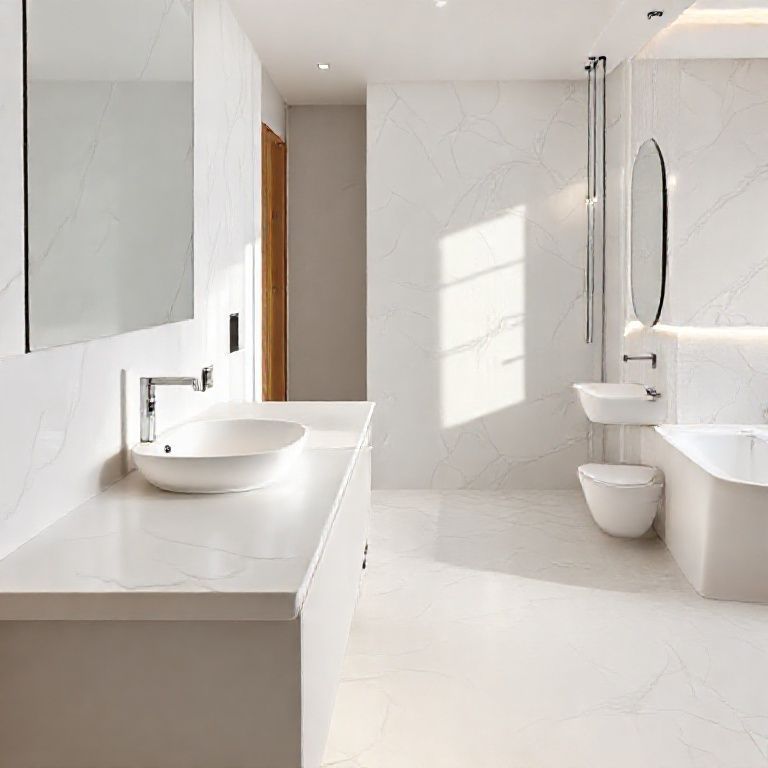
Man-made marble is crafted in a lab using a combination of resin, pigments, and stones, allowing manufacturers to create marble with exact replicas of natural marble’s veining and color. This means that man-made marble can be tailored to match any natural marble slab, providing a flawless imitation that can be customized to suit any design vision. The aesthetic appeal of man-made marble is often enhanced by the high-tech processes used in its creation, which can produce intricate patterns and finishes that are difficult to achieve with natural stone.
Cost-Effectiveness of Man-Made Marble
One of the most significant advantages of man-made marble is its cost-effectiveness. Natural marble is a luxury material, often expensive due to its rarity and the labor-intensive processes required to extract and work it. In contrast, man-made marble is significantly cheaper. This cost advantage makes it an attractive option for many homeowners and businesses looking to achieve high-end aesthetics without breaking the bank. The lower cost is due to the controlled manufacturing process and the elimination of many of the expenses associated with natural stone, such as transportation, labor, and the risk of finding a flawless slab.
Aesthetics of Natural Marble
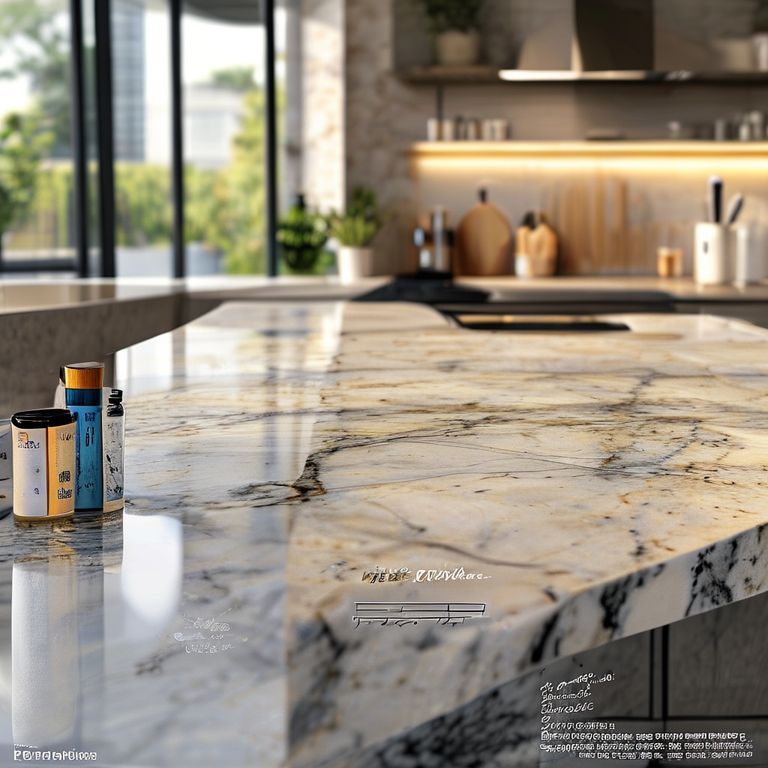
Natural marble boasts a timeless elegance and a one-of-a-kind appearance that is difficult to replicate. The beauty of natural marble lies in its natural veining, color variations, and unique patterns, which are the result of millions of years of geological processes. Each natural marble slab is different, offering a distinct character that can become a focal point in any space. The authenticity and individuality of natural marble are often seen as a hallmark of luxury and sophistication.
Cost-Effectiveness of Natural Marble
Despite its unparalleled aesthetic appeal, natural marble comes with a higher price tag. The cost of natural marble is influenced by its quality, rarity, and the specific type of marble. High-end natural marbles, such as those from Italy or Greece, can be particularly expensive. Additionally, the cost of natural marble can vary widely depending on factors like the complexity of its patterns, the size of the slab, and the level of craftsmanship required to shape it. While natural marble is a significant investment, many find its beauty and exclusivity justify the expense.
Maintenance and Durability
When comparing man-made marble to natural marble, it’s essential to consider maintenance and durability. Both types of marble have their unique advantages and challenges in this regard.
Maintenance of Man-Made Marble
Man-made marble is generally low-maintenance. It is not affected by acid staining, as it does not contain calcium carbonate, which is the key ingredient that makes natural marble susceptible to acid damage. This means that man-made marble can withstand a variety of cleaning solutions and is less likely to show signs of wear and tear over time. However, it is still important to avoid using harsh chemicals or abrasive tools that could scratch the surface.
Durability of Man-Made Marble
In terms of durability, man-made marble holds its own against natural marble. While it may not have the same natural resilience as natural stone, man-made marble is designed to mimic the durability of natural marble. It is often more consistent in its strength and can withstand heavy use without significant wear. However, it is still advisable to use a sealant to protect its surface from stains and scratches.
Maintenance of Natural Marble
Natural marble requires more careful maintenance. It is highly susceptible to staining, particularly from acidic substances like wine, coffee, and citrus juices. To maintain its pristine appearance, natural marble needs regular cleaning with mild, pH-neutral soap and water. It is essential to avoid using acidic or abrasive cleaners that can damage the stone. To prevent staining, it is common practice to seal natural marble surfaces regularly, though this can be an additional maintenance task.
Durability of Natural Marble
Natural marble is known for its impressive durability and strength when properly cared for. It has been used for centuries in architecture and decorative arts due to its hardness and ability to withstand heavy use. However, its natural composition means that it can be prone to scratches and staining if not maintained correctly. The unique patterns and colors of natural marble also mean that any damage can be quite noticeable, making regular maintenance and sealing crucial.
Installation, Environmental Impact, and Future Trends in Marble
In the second part of our comparison between man-made marble and natural marble, we’ll explore the aspects of installation, environmental impact, and future trends in marble usage. These factors are crucial in making an informed decision about which type of marble best suits your needs.
Installation of Man-Made Marble
The installation process for man-made marble is relatively straightforward. Its consistent composition allows for easy cutting, shaping, and installation. Man-made marble slabs can be installed in various settings, from countertops to flooring, with minimal preparation required. The uniformity of man-made marble means that it can often be cut to size on-site without the need for special tools or expertise, making it a convenient choice for DIY projects or quick installations.
Environmental Impact of Man-Made Marble
The production of man-made marble has a different environmental footprint compared to natural marble. While natural marble extraction can lead to significant ecological disruption, including habitat destruction and water usage, man-made marble offers a more sustainable alternative. The manufacturing process for man-made marble can be optimized to minimize waste and energy consumption. However, it’s important to consider the environmental impact of the resins and pigments used in its creation, as some may have their own ecological consequences. Overall, man-made marble tends to be a more environmentally friendly option when considering the entire lifecycle from production to disposal.
Installation of Natural Marble
Installing natural marble requires more expertise and preparation. The unique characteristics of each natural marble slab mean that precise cutting and shaping are often necessary to achieve a perfect fit. Natural marble is also heavier and more brittle than man-made marble, which can make installation more challenging, especially for large projects. Professional installers are often required to ensure that the marble is cut, placed, and sealed correctly to maintain its integrity and appearance.
Environmental Impact of Natural Marble
The environmental impact of natural marble is largely tied to its extraction and processing. The quarrying of natural marble can lead to significant ecological damage, including habitat loss, deforestation, and water pollution. Additionally, the transportation of natural marble, often from distant locations, contributes to a higher carbon footprint. The sustainability of natural marble can also be affected by the labor practices and environmental regulations in the countries where it is mined. While efforts are being made to improve the sustainability of marble quarrying, the environmental impact of natural marble remains a concern.
Future Trends in Marble Usage
As we look to the future, both man-made and natural marble are likely to continue evolving in their applications and production methods. Innovations in technology and materials science are expected to enhance the quality and sustainability of both types of marble.
Trends in Man-Made Marble
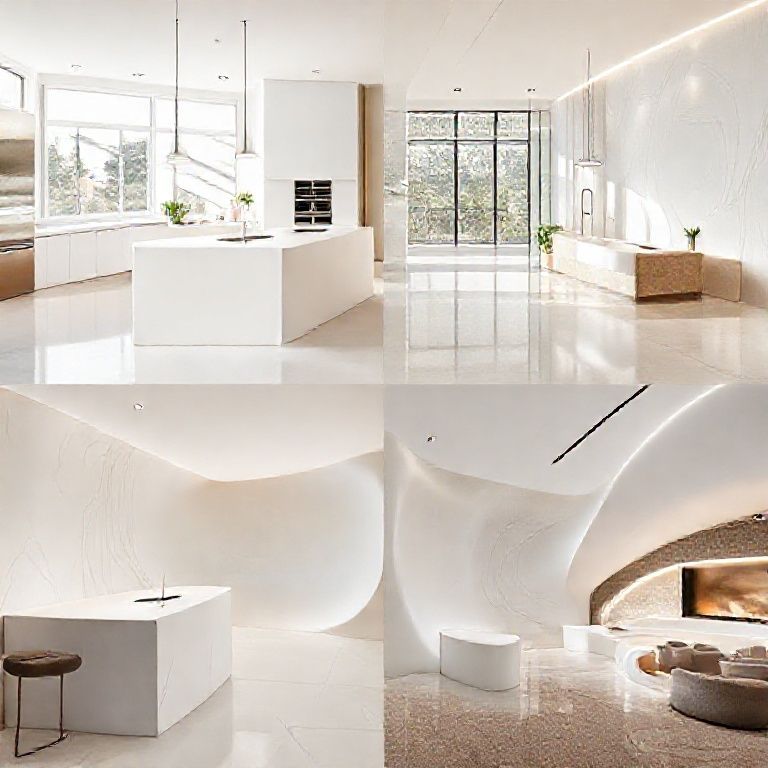
In the realm of man-made marble, future trends are likely to focus on improving the durability and aesthetic realism of synthetic marble. Advances in manufacturing processes, such as 3D printing and more sophisticated resins, could lead to even more lifelike and resilient man-made marble. Additionally, efforts to reduce the environmental impact of its production will likely continue, with manufacturers exploring more sustainable sources of materials and energy-efficient processes.
Trends in Natural Marble
For natural marble, future trends may involve more stringent environmental regulations and practices to minimize the ecological footprint of its extraction and processing. Innovations in sustainable quarrying and transportation methods could help reduce the environmental impact of natural marble. Furthermore, there may be a greater emphasis on the responsible sourcing and ethical mining of natural marble, ensuring that its production aligns with global sustainability standards.
Conclusion
Choosing between man-made marble and natural marble involves weighing several factors, including aesthetics, cost, maintenance, durability, installation, and environmental impact. Man-made marble offers a cost-effective, low-maintenance, and aesthetically versatile alternative to natural marble, with the added benefit of a potentially smaller environmental footprint. On the other hand, natural marble provides a unique, authentic beauty and timeless elegance that continues to captivate designers and homeowners worldwide, albeit at a higher cost and with more maintenance requirements.
Ultimately, the choice between man-made and natural marble will depend on your specific needs, budget, and values. Both types of marble have their unique advantages and challenges, and advancements in technology and sustainability are likely to shape their future use and production. Whether you opt for the realistic beauty of man-made marble or the unique allure of natural marble, both options offer exquisite possibilities for enhancing any space.